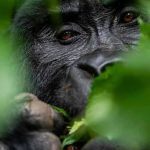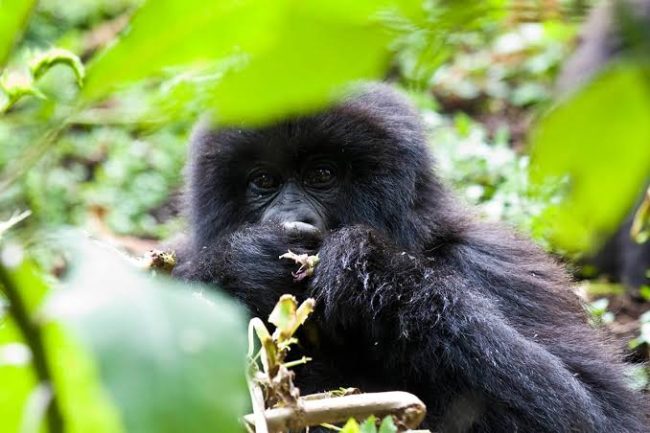
Nshongi Gorilla Family in Rushaga Sector, Bwindi Impenetrable National Park
The Nshongi Gorilla Family is one of the most famous mountain gorilla groups in Rushaga Sector of Bwindi Impenetrable National Park in southwestern Uganda. It is particularly well known for its remarkable history as one of the largest habituated mountain gorilla families ever recorded in Bwindi.
The group was initially made up of approximately 36 individuals, including several silverbacks, adult females, juveniles and infants. It was an unusual family because multiple mature males lived together within the same group. Over time, natural changes in its social structure resulted in splits that contributed to the formation of other gorilla families, including Mishaya and Bweza.
Today, the Nshongi Gorilla Family remains an important part of Rushaga’s gorilla trekking history. Visitors interested in mountain gorilla behaviour, family relationships and conservation can learn about its fascinating story while exploring the rainforest of Bwindi.
Where Is the Nshongi Gorilla Family Located?
The Nshongi Gorilla Family is associated with Rushaga Sector, in the southern part of Bwindi Impenetrable National Park. The sector is located in southwestern Uganda, within the Kisoro area.
Bwindi is a UNESCO World Heritage Site and one of the most important habitats for endangered mountain gorillas. Its dense tropical rainforest, steep valleys and mountainous terrain provide shelter for mountain gorillas and numerous other wildlife species.
Rushaga is among the park’s recognised gorilla trekking sectors. It is also known for offering the Gorilla Habituation Experience, an extended encounter with a gorilla group undergoing habituation.
Visitors planning to track the Nshongi family should book a gorilla trekking permit for Rushaga. The park authorities allocate visitors to a particular habituated group on the trekking day, so a permit does not guarantee an encounter with a named family.
History of the Nshongi Gorilla Family
The Nshongi Gorilla Family has a fascinating history that makes it one of the most notable groups in Bwindi.
Habituation of the group began in the mid-2000s, and it was subsequently introduced for gorilla tourism. It became particularly famous when it was officially opened to visitors in 2009.
At the time, the group had approximately 36 members, making it one of the largest habituated mountain gorilla families in Bwindi. Unlike many gorilla families that are led by one dominant silverback, Nshongi was known for having several mature males living together.
The group was named after the nearby Nshongi River, where the gorillas were first sighted. The river’s name is associated with the local word for honey, referring to the honey-like colour of its water.
As the family developed, changes in leadership, competition among mature males and the natural dispersal of individuals led to the formation of smaller groups.
The Split That Formed the Mishaya Gorilla Family
One of the major events in Nshongi’s history occurred in July 2010, when a silverback named Mishaya separated from the original group with several members.
Mishaya established a separate family that became known as the Mishaya Gorilla Family. The split was an example of the natural changes that occur within mountain gorilla communities as mature males establish their own groups.
Mishaya later died in February 2014. Members of his former group dispersed, with some joining other families, including Bweza and Bikingi. The remaining group was subsequently rediscovered under the leadership of another silverback, Tinfayo.
The Formation of the Bweza Gorilla Family
The Bweza Gorilla Family is also associated with the history of Nshongi. It emerged following another split from the original group, as individuals formed a separate social unit.
The formation of Bweza illustrates how mountain gorilla families evolve over time. As young males mature and social relationships change, some individuals may leave their original groups and establish or join other families.
The Nshongi, Mishaya and Bweza histories therefore provide an interesting example of the social dynamics that shape mountain gorilla communities in Bwindi.
How Many Gorillas Are in the Nshongi Family?
The Nshongi family originally had approximately 36 individuals when it became available for tourism. However, its composition changed considerably following the splits that led to the formation of other groups.
Different tourism websites have published different figures for the family’s current size. These numbers may reflect different reporting periods, which makes it difficult to give a reliable current count without confirmation from the park authorities.
Mountain gorilla families are dynamic. Births, deaths, dispersal and changes in group leadership can affect their size and composition.
For this reason, visitors should confirm the latest information with Uganda Wildlife Authority or their safari operator rather than relying on older family statistics.
What Makes the Nshongi Gorilla Family Special?
Several features make the Nshongi family particularly interesting to visitors and wildlife enthusiasts.
1. Its Historical Size
Nshongi became famous for its original size of approximately 36 members. This made it one of the largest habituated mountain gorilla groups in Bwindi at the time.
2. Several Silverbacks Living Together
The family was unusual because it had multiple mature males living within the same social group. Their coexistence provides an interesting example of the different social arrangements that can occur among mountain gorillas.
3. Its Connection to Other Gorilla Families
The formation of Mishaya and Bweza from the original Nshongi group makes its history especially important when learning about the gorilla families of Rushaga.
4. Its Contribution to Gorilla Tourism
Nshongi was among the groups that helped establish Rushaga as an important gorilla trekking destination. The development of gorilla tourism has supported conservation activities and created tourism-related opportunities for communities surrounding Bwindi.
Gorilla Trekking in Rushaga Sector
Although the Nshongi family has an interesting history, visitors should understand that booking a Rushaga gorilla permit does not allow them to select this particular group.
Uganda Wildlife Authority manages the gorilla trekking allocation process. Visitors book permits for a designated sector and date, while the park authorities allocate trekkers to available gorilla families on the morning of the trek.
A typical gorilla trekking experience includes the following stages:
Morning registration and briefing: Visitors report to the Rushaga briefing point, where park staff verify permits and explain the trekking rules.
Entering Bwindi Forest: Trekkers are accompanied by experienced guides and trackers into the rainforest. The walking time depends on the location of the gorilla family.
Finding the gorillas: Trackers communicate with the guides to help locate the assigned group. The terrain can be steep, muddy and densely vegetated.
Gorilla observation: Once the gorillas are found, visitors are allowed a maximum of one hour to observe them during a standard trek.
Returning from the forest: After the encounter, visitors walk back to the starting point with their guides.
The experience offers opportunities to observe mountain gorillas feeding, resting, grooming and interacting with their young.
Can You Book a Permit Specifically for the Nshongi Gorilla Family?
No. Gorilla trekking permits in Uganda are booked according to the trekking date and designated sector, not by the name of a particular gorilla family.
If you would like to explore Rushaga, you can request a permit for that sector. The park authorities will allocate you to one of the available habituated families.
You may communicate your fitness level and any mobility concerns during the briefing. The guides can consider these factors when organising trekking groups, although a particular family, walking distance or trekking duration cannot be guaranteed.
It is advisable to reserve permits early, especially during the popular travel seasons.
Gorilla Trekking Rules in Rushaga
Mountain gorillas are endangered animals, and strict rules are followed to protect them from disturbance and disease.
Visitors tracking gorillas in Rushaga should observe the following guidelines:
- The minimum age for gorilla trekking in Uganda is 15 years.
- Maintain the distance instructed by your guide.
- Do not touch gorillas, even if they approach you.
- Avoid shouting, sudden movements or unnecessary noise.
- Flash photography is not permitted.
- Do not eat or drink near the gorillas.
- Do not leave rubbish in the forest.
- Visitors who are sick or showing signs of infectious illness should not trek.
- Follow the guide’s instructions throughout the encounter.
- Standard gorilla trekking allows a maximum of one hour with the gorillas.
These guidelines help reduce the risk of disease transmission and minimise disturbance to the animals.
Best Time to Visit Rushaga for Gorilla Trekking
Gorilla trekking in Rushaga is available throughout the year. However, the drier months are often preferred because forest trails can be easier to navigate.
June to September: This is one of the main dry periods in Bwindi. It is a popular time for gorilla trekking, so early permit booking is recommended.
December to February: These months generally offer another relatively dry period. Visitors can enjoy forest trekking, although occasional rainfall is still possible.
March to May and October to November: These are generally wetter periods. Trails may become muddy and slippery, but gorilla trekking continues. The forest is also lush during these months.
Bwindi is a tropical rainforest, so rain can occur in any season. Visitors should prepare for changing weather conditions.
What to Pack for a Nshongi Gorilla Trek?
A gorilla trek involves walking through dense vegetation and uneven forest terrain. Appropriate clothing and equipment make the experience more comfortable.
Recommended items include:
- Waterproof hiking boots with good grip.
- Long trousers and long-sleeved shirts.
- A waterproof jacket or raincoat.
- Gardening gloves for holding vegetation.
- A small backpack.
- Drinking water and packed lunch.
- Insect repellent.
- A camera with flash switched off.
- A walking stick, which may be available at the park.
- Binoculars for observing forest birds and other wildlife.
Hiring a local porter is also recommended. Porters can carry your backpack and offer assistance on difficult sections of the trail while earning income from tourism.
Accommodation Near Rushaga Sector
Visitors planning to trek in Rushaga can choose from several lodges and camps around southern Bwindi. Staying near the trekking sector is convenient because visitors are required to attend an early morning briefing.
Accommodation options in the wider Rushaga area include:
- Four Gorillas Lodge
- Rushaga Gorilla Camp
- Gorilla Valley Lodge
- Ichumbi Gorilla Lodge
- Clouds Mountain Gorilla Lodge
Accommodation availability, location and comfort levels vary. Confirm your lodge’s distance from the Rushaga briefing point when booking your safari.
How to Get to Rushaga Sector from Kampala, Entebbe or Kigali
Rushaga can be accessed by road from different destinations in Uganda and Rwanda.
From Kampala or Entebbe: The journey takes approximately 9–11 hours by road, depending on the route, traffic and road conditions. Travellers can break the journey with an overnight stay en route.
From Kigali, Rwanda: Rushaga can be reached through the Uganda–Rwanda border. The drive generally takes around 4–5 hours, depending on the border crossing, road conditions and immigration formalities.
From Kisoro: The journey to Rushaga is relatively short, usually around 1–2 hours depending on the accommodation location and road conditions.
Travellers arriving from Rwanda should check their visa and border-entry requirements before departure.
Combine Nshongi Gorilla Trekking with Other Uganda Safari Activities
A visit to Rushaga can be combined with several other attractions in southwestern Uganda.
Lake Bunyonyi
<escape> </escape>Located near Kabale, Lake Bunyonyi is known for its scenic islands and surrounding terraced hills. It is a relaxing destination before or after gorilla trekking.
Mgahinga Gorilla National Park
Mgahinga offers golden monkey tracking, volcano hiking and opportunities to explore the Virunga Mountains. It can be included in a longer southwestern Uganda safari.
Queen Elizabeth National Park
Travellers can extend their itinerary to Queen Elizabeth National Park for wildlife viewing, game drives and a boat cruise along the Kazinga Channel.
Lake Mutanda
Lake Mutanda is a scenic destination near Kisoro, with views of the Virunga volcanoes. Visitors can enjoy canoeing, photography and relaxation around the lake.
Frequently Asked Questions About the Nshongi Gorilla Family
1. Where is the Nshongi Gorilla Family found?
The Nshongi Gorilla Family is associated with Rushaga Sector in the southern part of Bwindi Impenetrable National Park, southwestern Uganda.
2. How many members did the Nshongi Gorilla Family originally have?
The family originally had approximately 36 members when it became available for tourism. Its size later reduced following splits and changes in group membership.
3. When was the Nshongi Gorilla Family opened for tourism?
The group was introduced for tourism in 2009. Its habituation had begun several years earlier.
4. Why did the Nshongi Gorilla Family split?
The family experienced natural changes in its social structure, including competition and dispersal among mature males. These changes contributed to the formation of separate groups, including Mishaya and Bweza.
5. Is the Mishaya Gorilla Family related to Nshongi?
Yes. The Mishaya family originated from a split in the Nshongi group in July 2010, led by a silverback named Mishaya.
6. Can I specifically track the Nshongi Gorilla Family?
You can book a gorilla trekking permit for Rushaga Sector, but you cannot guarantee a particular family. Uganda Wildlife Authority allocates visitors to available groups on the trekking day.
7. How long can I spend with the Nshongi gorillas?
Standard gorilla trekking allows a maximum of one hour with the gorillas after they have been located.
8. Is Rushaga suitable for gorilla trekking from Kigali?
Yes. Visitors can travel from Kigali to Rushaga through the Uganda–Rwanda border. This is a practical option for travellers combining a Rwanda holiday with gorilla trekking in Uganda.
Book Your Uganda Gorilla Trekking Safari with Epic Uganda Vacation
The Nshongi Gorilla Family has an important place in the history of mountain gorilla conservation and tourism in Bwindi Impenetrable National Park. Its remarkable original size, multiple silverbacks and the formation of other gorilla families make it an interesting group to learn about when planning a Rushaga gorilla trekking safari.
Epic Uganda Vacation organises gorilla trekking tours in Bwindi and Mgahinga Gorilla National Park. We can help arrange permits, accommodation, ground transportation, professional safari guides and personalised itineraries.
Whether you are travelling from Kampala, Entebbe or Kigali, we can help you plan a memorable gorilla trekking experience in southwestern Uganda.
Contact Epic Uganda Vacation to arrange your Rushaga gorilla trekking safari: https://www.epicugandavacation.com/contact-us/