
Nkuringo Gorilla Family in Uganda: History, Members, Trekking Experience and Safari Guide
Nkuringo Gorilla Family in Bwindi Impenetrable National Park
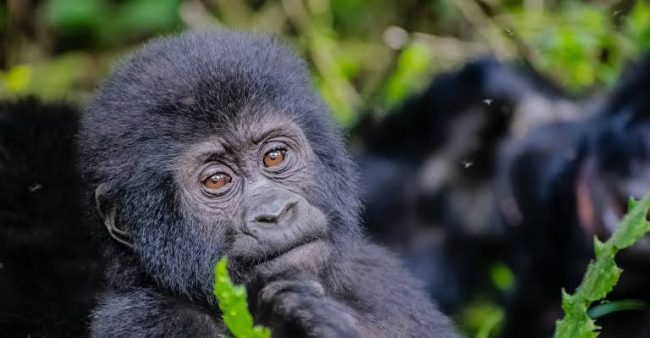
The Nkuringo Gorilla Family is one of the well-known habituated mountain gorilla groups in Uganda’s Bwindi Impenetrable National Park. Located in the park’s southern Nkuringo sector, this family has an important place in the history of gorilla conservation and tourism in the region. It was the first gorilla group to be habituated in the southern sector of Bwindi and was opened to visitors in 2004.
The family is particularly interesting because of its history of changing leadership, births, group dispersals and interactions with neighbouring communities. It is also associated with the conservation challenges that helped shape the development of the Nkuringo Buffer Zone, an area established to manage human-wildlife conflict and protect gorilla habitat.
For visitors, trekking the Nkuringo Gorilla Family offers an opportunity to encounter endangered mountain gorillas in one of Bwindi’s beautiful but physically demanding forest landscapes. The experience combines wildlife viewing with impressive scenery, local community experiences and the chance to learn about mountain gorilla conservation.
Where Is the Nkuringo Gorilla Family Located?
The Nkuringo Gorilla Family lives in the Nkuringo tourism sector of Bwindi Impenetrable National Park, in southwestern Uganda. The sector lies in the southern part of the park, within the wider Kisoro area, close to the borders of Uganda, Rwanda and the Democratic Republic of Congo.
Bwindi is a UNESCO World Heritage Site renowned for its montane rainforest, exceptional biodiversity and endangered mountain gorilla population. It is divided into four main gorilla trekking sectors:
- Buhoma in the northern part of the park
- Ruhija in the eastern part
- Rushaga in the southern part
- Nkuringo in the southwestern part
The Nkuringo sector is known for its mountainous terrain, forested valleys and panoramic views towards the Virunga Volcanoes. The gorillas range through dense vegetation and steep slopes, making trekking here a rewarding experience for travellers who enjoy challenging forest adventures.
History of the Nkuringo Gorilla Family
The Nkuringo Gorilla Family has a long history connected to mountain gorilla conservation and the relationship between wildlife and communities around Bwindi.
The habituation process began in 1997, when conservation authorities started gradually introducing the gorillas to the presence of human observers. The group was initially made up of 17 individuals and was the first gorilla family to undergo habituation in the southern sector of Bwindi.
One reason for the group’s habituation was its frequent movement into nearby community gardens. The gorillas sometimes entered cultivated areas in search of food, resulting in crop damage and tension between people and wildlife. Habituation and the development of gorilla tourism formed part of wider efforts to improve conservation and create opportunities for local communities to benefit from tourism.
The family was officially opened for gorilla trekking in April 2004. Since then, its composition has changed through births, deaths, dispersals and changes in leadership.
The Death of Silverback Nkuringo
The family was originally led by a dominant silverback known as Nkuringo, after whom the group and tourism sector were named. He died in 2008, after which leadership passed through other members of the family.
Over the following years, the group experienced changes in its social structure. Several gorillas dispersed, while others remained with the original family. These changes contributed to the formation of related groups in the Nkuringo area.
The Death of Silverback Rafiki
One of the most significant events in the family’s history was the death of Silverback Rafiki, who was killed by a poacher in June 2020. His death attracted international attention and highlighted the threats facing mountain gorillas, particularly during the difficult period of the COVID-19 pandemic.
Following Rafiki’s death, leadership of the Nkuringo family passed to Silverback Rwamutwe, according to the International Gorilla Conservation Programme’s published family profile.
The incident also reinforced the importance of ranger patrols, community conservation, habitat protection and responsible tourism in safeguarding mountain gorillas.
How Many Members Are in the Nkuringo Gorilla Family?
The International Gorilla Conservation Programme (IGCP) published a profile listing 14 members in the Nkuringo Gorilla Family, last updated on 31 January 2024.
The published composition was:
| Gorilla category | Number |
|---|---|
| Silverbacks | 2 |
| Blackbacks | 2 |
| Adult females | 6 |
| Juveniles | 1 |
| Infants | 3 |
| Total | 14 |
The family was reported to be led by Silverback Rwamutwe.
Gorilla family numbers are not permanent. Births, deaths, transfers and group dispersals can change the composition over time. The 14-member figure should therefore be treated as the latest dated published profile available from IGCP, rather than a guaranteed current count. Visitors can ask their safari operator or the park authorities for the latest information before travelling.
Silverback Rwamutwe: The Leader of the Nkuringo Gorilla Family
Rwamutwe is identified in the IGCP family profile as the silverback leading the Nkuringo Gorilla Family after the death of Rafiki.
A silverback is a mature male mountain gorilla, generally recognised by the distinctive silver-grey hair that develops across his back as he reaches adulthood. The dominant silverback usually plays a central role in the group’s social organisation, movement and protection.
During a gorilla trekking encounter, visitors may observe the dominant male feeding, resting, moving through vegetation or interacting with other family members. His behaviour depends on the group’s activities and circumstances on the day.
It is important to remember that mountain gorillas are wild animals. Their behaviour should be observed quietly and respectfully, without attempting to approach or influence them.
The First Mountain Gorilla Twins in Bwindi
The Nkuringo Gorilla Family holds a special place in Bwindi’s gorilla conservation history because it was the first family in the park to record the birth of twins.
The twins were born in December 2004. Their birth was an important event for conservation teams and gorilla enthusiasts, demonstrating the reproductive success and changing family dynamics of the habituated group.
Twin births among mountain gorillas are uncommon, and the survival of both infants can present challenges for their mother. One of the twins, Katungi, unfortunately died while still young, while his brother Muhozi survived.
The story remains one of the memorable events associated with the Nkuringo family.
Why Was the Nkuringo Gorilla Family Habituated?
The habituation of the Nkuringo family was connected to the challenges created by gorilla movements outside the national park.
Before the development of the buffer zone, habituated gorillas in the Nkuringo area frequently moved onto community land. Their presence sometimes resulted in damaged crops and conflicts with local residents. Such contact also raised concerns about disease transmission between people and gorillas.
To address these challenges, the Uganda Wildlife Authority, with support from conservation partners, established the Nkuringo Buffer Zone along part of the park boundary. The area was intended to provide habitat for gorillas, help manage problem-animal incidents and support community livelihoods.
The buffer zone demonstrates that gorilla conservation involves more than protecting animals inside a national park. It also requires cooperation with neighbouring communities, effective land management and opportunities for people to benefit from conservation.
Gorilla Trekking to See the Nkuringo Gorilla Family
Gorilla trekking is the main tourism activity in the Nkuringo sector. Visitors hike through Bwindi’s tropical rainforest with trained Uganda Wildlife Authority rangers and guides to locate a habituated gorilla family.
The trek usually begins with a morning briefing at the designated Nkuringo briefing point. Rangers explain the trekking rules, safety procedures and what visitors should expect in the forest.
After the briefing, visitors are allocated to a gorilla group according to the day’s arrangements. If you specifically wish to see the Nkuringo family, communicate this preference when planning your safari and confirm the allocation arrangements before booking. Gorilla family movements and park management decisions mean that a particular family should not be assumed to be guaranteed without confirmation.
What to Expect During the Trek
The Nkuringo sector is known for steep slopes and challenging terrain. Trekkers may descend into forested valleys before climbing back towards the starting point.
The duration of the trek varies according to the location of the gorillas, their movements, weather and the condition of the trails. Some treks take a few hours, while others can be considerably longer.
Once the gorillas are located, visitors following a standard gorilla trekking permit are generally allowed one hour with the family. During this time, you may observe:
- The dominant silverback moving through the forest.
- Adult females feeding and caring for their young.
- Infants playing, climbing and interacting with other family members.
- Juveniles exploring their surroundings.
- Gorillas feeding on leaves, stems, shoots and other natural vegetation.
- Social interactions and communication within the family.
Every encounter is different. The gorillas may be feeding, resting, travelling or interacting with one another when visitors arrive.
Is Nkuringo Gorilla Trekking Difficult?
Nkuringo gorilla trekking can be physically demanding because of the sector’s steep terrain, uneven trails, thick vegetation and changing weather conditions.
The difficulty depends on the location of the gorilla family on the day. Visitors should prepare for uphill and downhill walking, muddy sections and potentially long periods on foot.
You do not need to be a professional hiker, but a reasonable level of fitness is recommended. Travellers with mobility limitations or health concerns should discuss their circumstances with their tour operator before booking.
Hiring a local porter is also recommended. Porters can assist with carrying daypacks and provide support on difficult sections of the trail. This creates employment opportunities for people living around the park.
Nkuringo Gorilla Trekking Permit Cost
A valid gorilla trekking permit issued by the Uganda Wildlife Authority (UWA) is required to visit a habituated mountain gorilla family in Bwindi.
The UWA tariff published for July 2024 to June 2026 listed the following standard gorilla tracking rates:
| Visitor category | Permit cost |
|---|---|
| Foreign non-resident | US$800 |
| Foreign resident | US$700 |
| Rest of Africa | US$500 |
| East African Community citizen | UGX 300,000 |
Important 2026 and 2027 tariff updates: UWA introduced discounted low-season gorilla tracking rates for April, May and November 2026. The published rates are US$600 for foreign non-residents and US$500 for foreign residents. These discounted permits cannot be rescheduled.
UWA has also announced revised rates effective 1 January 2027. The published rates are US$800 for foreign non-residents, US$700 for foreign residents, US$500 for visitors from the rest of Africa and UGX 300,000 for East African Community citizens.
Always confirm the applicable rate and permit availability with UWA before making payment, as tariff arrangements can change.
A standard gorilla trekking permit provides one hour with a habituated gorilla family. It is different from the Gorilla Habituation Experience, which allows a longer period with a group undergoing habituation and requires a separate permit.
Rules for Trekking the Nkuringo Gorilla Family
Gorilla trekking is carefully regulated to protect visitors and the endangered mountain gorillas. All trekkers must follow the instructions provided by Uganda Wildlife Authority rangers.
Important guidelines include:
- Maintain the distance instructed by the rangers, normally at least 7 metres from the gorillas where conditions allow.
- Do not touch or attempt to feed the gorillas.
- Avoid loud conversations, sudden movements and unnecessary disturbance.
- Do not use flash photography.
- Do not trek when suffering from an infectious illness such as flu, cough or fever. Inform the authorities if you are unwell.
- Follow the ranger’s instructions throughout the trek.
- Do not eat or drink when close to the gorillas.
- If you need to cough or sneeze near the gorillas, turn away and cover your mouth and nose.
- Do not leave rubbish in the forest.
- Respect the one-hour viewing period.
Children below the minimum permitted trekking age of 15 years are not allowed to participate in standard gorilla trekking.
These guidelines help reduce disturbance and the risk of transmitting human diseases to gorillas.
Best Time to Visit the Nkuringo Gorilla Family
Gorilla trekking in Nkuringo is possible throughout the year. However, the weather and condition of the forest trails can influence the trekking experience.
Dry Seasons
The drier periods generally occur from June to August and December to February. These months are popular for gorilla trekking because trails may be less muddy and walking conditions can be more manageable.
They are also busy travel periods, so visitors should arrange permits and accommodation well in advance.
Rainier Seasons
The wetter periods generally occur around March to May and September to November, although rainfall can occur at any time in Bwindi.
Rain can make steep forest trails slippery and more challenging. However, the forest remains beautiful, and the wetter months can be attractive for travellers who prefer quieter travel periods.
The best time depends on your travel dates, fitness, budget and preferred trekking conditions. Mountain gorillas remain in the forest throughout the year, so there is no single season that guarantees a better encounter.
Where to Stay for Nkuringo Gorilla Trekking
Staying close to the Nkuringo briefing point is recommended because gorilla trekking begins early in the morning. Accommodation in the sector ranges from luxury lodges to more affordable safari camps.
Examples of accommodation to consider include:
Luxury Accommodation
Clouds Mountain Gorilla Lodge
Clouds Mountain Gorilla Lodge is a luxury property in the Nkuringo area, known for its elevated setting and views towards the Virunga Volcanoes. It is an option for travellers seeking an upscale stay close to the southern Bwindi trekking area.
Midrange Accommodation
Nkuringo Bwindi Gorilla Lodge
Nkuringo Bwindi Gorilla Lodge is another accommodation option for visitors planning to trek in the sector. Its location makes it a practical choice for travellers who want to stay near the Nkuringo trekking area.
Budget and Community-Based Options
Travellers looking for simpler accommodation can explore guesthouses and community accommodation around Nkuringo village. Availability, facilities and rates should be confirmed before booking.
When choosing accommodation, consider the distance to the briefing point, road conditions, meal arrangements, luggage assistance and whether the property can organise an early breakfast.
Other Gorilla Families in the Nkuringo Sector
The Nkuringo Gorilla Family is not the only habituated group associated with the wider Nkuringo tourism sector. Other groups have been formed through natural changes in gorilla family structure, including dispersal and the establishment of new social groups.
These include:
Bushaho Gorilla Family
Bushaho developed after several gorillas dispersed from the original Nkuringo family. Silverback Bahati, a former member of the Nkuringo group, was later found leading a separate group. The group was monitored and subsequently habituated for tourism.
IGCP’s published profile listed nine members in January 2024, under the leadership of Silverback Bahati.
Christmas Gorilla Family
The Christmas Gorilla Family is associated with Silverback Christmas, who was born on Christmas Day in the original Nkuringo group. He later separated from the family and established his own group.
The family is another example of how mountain gorilla social structures change over time.
The exact groups available for trekking and their current status should be confirmed with UWA or your tour operator when arranging a permit.
Other Things to Do in Nkuringo
A gorilla trekking safari in Nkuringo can be extended with other activities in the surrounding region.
1. Nkuringo Community Walk
A guided community walk introduces visitors to local life around Bwindi. Depending on the route and arrangements, visitors may learn about traditional farming, local food preparation, rural homes, craft-making and community conservation initiatives.
These experiences provide an opportunity to understand the relationship between the communities and the forest.
2. Birdwatching
Bwindi is an important birding destination, especially for visitors interested in Albertine Rift species. Birdwatching around Nkuringo offers opportunities to look for forest birds, including turacos, sunbirds, flycatchers and other species.
A specialist bird guide can help visitors identify species by their calls, plumage and behaviour.
3. Buhoma to Nkuringo Forest Walk
Experienced hikers can consider the guided forest walk between Buhoma and Nkuringo. This route crosses Bwindi’s forested landscape and provides a different way to experience the park.
The walk requires planning, a guide and the appropriate UWA arrangements. It should not be treated as an ordinary road transfer.
4. Lake Mutanda
Lake Mutanda, near Kisoro, is a scenic destination where visitors can enjoy beautiful views of the surrounding hills and Virunga Volcanoes. Activities may include canoeing, boat excursions and relaxing along the lakeshore.
5. Mgahinga Gorilla National Park
Travellers with additional time can visit Mgahinga Gorilla National Park, another protected area in southwestern Uganda. The park offers mountain gorilla trekking, golden monkey tracking and volcano hiking.
6. Lake Bunyonyi
Lake Bunyonyi is a beautiful highland lake surrounded by terraced hills and small islands. It is a popular destination for relaxation after gorilla trekking, with opportunities for canoeing, birdwatching and boat trips.
How to Get to Nkuringo for Gorilla Trekking
Nkuringo is in southwestern Uganda and can be reached by road from several locations.
From Kampala or Entebbe
The journey from Kampala or Entebbe to Nkuringo is long and normally takes most of the day by road. The route passes through southwestern Uganda, with possible stops at the Equator, Mbarara, Kabale or Kisoro depending on the itinerary.
Travellers should plan an overnight stay in the Nkuringo area before their gorilla trekking date.
From Kigali, Rwanda
Visitors arriving through Kigali can travel across the Cyanika or Katuna border routes, depending on the itinerary and current road and border arrangements. The route through Cyanika and Kisoro is commonly considered for access to southern Bwindi.
Cross-border travel requires the correct visa and entry arrangements. Travellers should also confirm that their vehicle and tour arrangements are authorised for the planned border crossing.
From Queen Elizabeth National Park
Nkuringo can also be reached from Queen Elizabeth National Park through the Ishasha and Kihihi areas, depending on road conditions and the chosen route. This option is useful for travellers combining gorilla trekking with wildlife viewing in western Uganda.
Because road conditions and journey times vary, it is advisable to arrange transport with a safari operator familiar with the region.
Suggested 3-Day Nkuringo Gorilla Trekking Safari
A three-day safari provides a practical way to visit the Nkuringo sector without rushing the gorilla trekking experience.
Day 1: Transfer to Nkuringo
Travel from Entebbe, Kampala, Kigali or another agreed starting point to the Nkuringo area. Enjoy the countryside scenery and arrive at your lodge in time to relax and prepare for the following day’s trek.
Day 2: Nkuringo Gorilla Trekking
After an early breakfast, proceed to the briefing point for registration and a ranger briefing. Set off into Bwindi Forest in search of your allocated habituated gorilla family.
Spend the permitted viewing time observing the gorillas before returning to the lodge. The afternoon can be reserved for relaxation or an optional community activity.
Day 3: Return Journey
After breakfast, begin the return journey to your preferred destination. Depending on your onward travel plans, you may extend the safari to Lake Bunyonyi, Queen Elizabeth National Park or another destination in Uganda.
Why Book Your Nkuringo Gorilla Trekking Safari with Epic Uganda Vacation?
Epic Uganda Vacation helps travellers plan gorilla trekking safaris in Bwindi Impenetrable National Park and other wildlife destinations in Uganda.
When arranging a Nkuringo gorilla trekking trip, our team can assist with:
- Checking gorilla permit availability and arranging permits through the appropriate authorities.
- Planning transport to and from the Nkuringo sector.
- Selecting accommodation according to your budget and travel preferences.
- Arranging experienced driver-guides and local safari support.
- Combining gorilla trekking with community experiences, birdwatching and other destinations in southwestern Uganda.
- Designing private and tailor-made safari itineraries.
Whether you are planning a short gorilla trekking holiday or a longer Uganda safari, we can help organise an itinerary that fits your travel dates and interests.
Contact Epic Uganda Vacation to plan your Nkuringo Gorilla Family trekking experience:
https://www.epicugandavacation.com/contact-us/
Frequently Asked Questions About the Nkuringo Gorilla Family
1. Where is the Nkuringo Gorilla Family found?
The Nkuringo Gorilla Family is found in the Nkuringo tourism sector of Bwindi Impenetrable National Park in southwestern Uganda.
2. How many gorillas are in the Nkuringo family?
The International Gorilla Conservation Programme listed 14 members in its profile last updated on 31 January 2024. The family composition may have changed since that update.
3. Who leads the Nkuringo Gorilla Family?
The IGCP profile identifies Silverback Rwamutwe as the group’s leader following the death of Rafiki in 2020.
4. When was the Nkuringo Gorilla Family opened for tourism?
The family was opened for gorilla trekking in April 2004 after a habituation process that began in 1997.
5. Why is the Nkuringo Gorilla Family famous?
The family is known for being the first gorilla group habituated in the southern sector of Bwindi, its history of leadership changes, the death of Silverback Rafiki and the first recorded twin birth in Bwindi in December 2004.
6. Is Nkuringo gorilla trekking difficult?
Trekking in Nkuringo can be challenging because of steep slopes, thick vegetation and uneven forest trails. A reasonable level of fitness and suitable hiking equipment are recommended.
7. How long does Nkuringo gorilla trekking take?
The duration varies according to the location and movements of the gorillas. The trek may take several hours, and visitors are allowed one hour with the gorillas once the family is located.
8. How much does a Nkuringo gorilla permit cost?
The permit cost depends on the visitor’s residence category and the applicable UWA tariff. Under the 2026 low-season arrangement, discounted rates apply in April, May and November for eligible foreign visitors. Confirm the current rate before booking.
9. Can I request to trek the Nkuringo Gorilla Family specifically?
You can communicate your preference when booking, but you should confirm the allocation arrangements with UWA or your tour operator. Gorilla movements and operational decisions can affect which family is assigned.
10. What should I pack for Nkuringo gorilla trekking?
Pack waterproof hiking boots, long trousers, long-sleeved clothing, gardening gloves, a rain jacket, drinking water, snacks for the trek, a camera without flash and a small daypack. A walking stick can also be useful on steep trails.
11. Can I combine Nkuringo gorilla trekking with other Uganda safari destinations?
Yes. You can combine the trek with Queen Elizabeth National Park, Lake Bunyonyi, Lake Mutanda, Mgahinga Gorilla National Park and other destinations in southwestern Uganda.
Final Thoughts
The Nkuringo Gorilla Family is an important part of Uganda’s mountain gorilla conservation story. From its early habituation and opening for tourism in 2004 to the changes in its leadership and the establishment of related gorilla groups, its history reflects the complex social lives of mountain gorillas and the importance of protecting their habitat.
For visitors, trekking in the Nkuringo sector offers an unforgettable opportunity to observe mountain gorillas in the wild while exploring the beautiful highland landscapes of southwestern Uganda. With advance planning, suitable accommodation and a confirmed permit, the experience can become a memorable highlight of a Uganda safari.
Plan your Nkuringo Gorilla Family trekking safari with Epic Uganda Vacation and discover the mountain gorillas of Bwindi Impenetrable National Park.
Related posts:
 How to Get to Ruhija Gorilla Sector, Bwindi Uganda
 Oruzogo Gorilla Family in Bwindi, Uganda | Ruhija Sector
 Christmas Gorilla Family in Bwindi, Uganda | Nkuringo Sector
 Habinyanja Gorilla Family in Bwindi, Uganda | Buhoma Sector
 Mount Sabinyo Hiking in Uganda – Routes, Costs, Difficulty and Travel Guide