Karatu Tanzania – Things to Do, Where to Stay and Safari Guide
Karatu is a beautiful highland town in northern Tanzania, widely recognised as an important gateway to some of East Africa’s most celebrated wildlife destinations. Located between Lake Manyara National Park and the Ngorongoro Conservation Area, Karatu is a popular stop for travellers exploring Tanzania’s northern safari circuit.
Surrounded by green hills, coffee plantations, agricultural landscapes and traditional villages, Karatu offers more than convenient accommodation before or after a wildlife safari. Visitors can explore local markets, visit coffee farms, discover the culture of the Iraqw people, enjoy nature walks and arrange cultural excursions to Lake Eyasi to meet the Hadzabe and Datoga communities.
The town also provides a practical accommodation base for travellers visiting Ngorongoro Crater, Serengeti National Park, Tarangire National Park and Lake Manyara. Whether you are planning a luxury safari, a mid-range holiday or a budget-friendly adventure, Karatu has accommodation options to suit different travel styles.
At Epic Uganda Vacation, we can include Karatu in a tailor-made Tanzania safari, combining its cultural attractions and highland scenery with memorable wildlife experiences.
Where Is Karatu Located in Tanzania?
Karatu is situated in the Arusha Region of northern Tanzania, within the Ngorongoro highlands. It lies along the main road connecting Arusha with the Ngorongoro Conservation Area and the Serengeti.
The town sits at approximately 1,500 metres above sea level, giving it a cooler highland climate than many of Tanzania’s lowland safari destinations. Its fertile surroundings support agriculture, including coffee, wheat, vegetables and other crops.
Karatu is particularly important to safari travellers because of its position near several major attractions:
- Ngorongoro Crater: One of Africa’s most remarkable wildlife destinations.
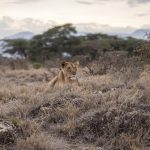
- Lake Manyara National Park: Known for its diverse habitats, birdlife and tree-climbing lions.
- Lake Eyasi: Famous for cultural experiences with the Hadzabe and Datoga communities.
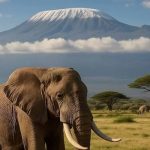
- Tarangire National Park: Renowned for elephants, baobab trees and seasonal wildlife concentrations.
- Serengeti National Park: Famous for its vast plains, predators and the annual wildebeest migration.
Karatu is therefore an excellent place to spend one or more nights while exploring northern Tanzania.
Why Visit Karatu?
Karatu offers a combination of cultural experiences, rural scenery, outdoor activities and convenient access to national parks. Unlike destinations visited exclusively for wildlife viewing, the town gives travellers an opportunity to discover more about everyday life in Tanzania.
Its main attractions include:
- Access to Ngorongoro Crater and Lake Manyara.
- Coffee plantation tours and agricultural experiences.
- Cultural visits to the Iraqw community.
- Hadzabe and Datoga cultural experiences around Lake Eyasi.
- Local markets and traditional crafts.
- Nature walks and highland scenery.
- Comfortable safari lodges and countryside accommodation.
Karatu is also a convenient place to relax between long safari drives, enjoy locally prepared meals and experience the hospitality of the northern Tanzanian highlands.
Best Things to Do in Karatu, Tanzania
1. Visit Ngorongoro Crater
One of the most popular activities from Karatu is a safari to Ngorongoro Crater. The crater is a vast volcanic caldera within the Ngorongoro Conservation Area and supports an impressive variety of wildlife.
Visitors descend to the crater floor for game drives across grasslands, woodland and wetland habitats. The area offers opportunities to look for lions, elephants, buffaloes, zebras, wildebeest, hippos and numerous bird species.
Ngorongoro is also one of the important places in Tanzania where visitors may have an opportunity to see the endangered black rhinoceros.
A crater safari normally takes most of the day, making Karatu a convenient overnight base before or after the excursion.
2. Explore Lake Manyara National Park
Lake Manyara National Park is another excellent destination accessible from Karatu. The park features groundwater forests, open grasslands, woodland, escarpment scenery and a shallow alkaline lake.
Wildlife viewing opportunities include elephants, giraffes, zebras, buffaloes, baboons, monkeys and a variety of antelope species. The park is also associated with tree-climbing lions, although sightings are never guaranteed.
Birdwatching is another attraction, particularly when water conditions favour the arrival of flamingos, pelicans and other waterbirds.
A Lake Manyara safari can be arranged as a day trip from Karatu or included in a longer northern Tanzania itinerary.
3. Take a Cultural Tour to Lake Eyasi
Lake Eyasi is one of the most interesting cultural destinations accessible from Karatu. The seasonal salt lake is located south-west of the Ngorongoro highlands and is home to communities with distinctive cultural traditions.
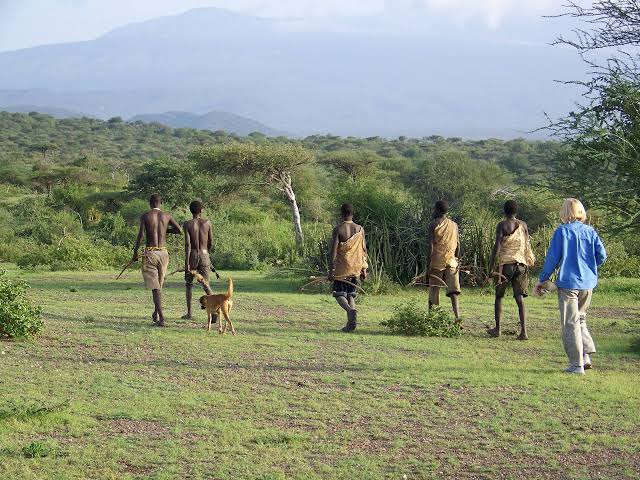
The area is particularly associated with the Hadzabe, an Indigenous hunter-gatherer community, and the Datoga, a neighbouring pastoralist community known for traditional metalworking.
During an appropriately arranged cultural visit, travellers may have an opportunity to:
- Learn about traditional Hadzabe hunting and gathering knowledge.
- Join a morning bush walk with local hosts.
- Discover traditional bows, arrows and tracking skills.
- Learn about Datoga pastoral traditions.
- Observe traditional metalworking where community members agree to demonstrate it.
Cultural visits should be organised with community consent and fair, transparent payment arrangements. Activities depend on the community’s availability and preferences.
4. Discover the Iraqw Culture
Karatu and its surrounding highlands are closely associated with the Iraqw people, whose traditional livelihoods include farming and livestock keeping.
A guided cultural excursion can introduce visitors to aspects of Iraqw history, agricultural practices, traditional architecture and community life.
Depending on the experience arranged, visitors may explore local homesteads, learn about farming activities and discover how families use the fertile highland environment.
These encounters provide a valuable perspective on the cultural diversity of northern Tanzania beyond the better-known wildlife attractions.
5. Visit a Coffee Plantation
Karatu is surrounded by fertile agricultural land, and coffee farming is an important part of the area’s identity.
A coffee plantation visit offers an opportunity to learn about the production of Arabica coffee, from growing and harvesting to processing and preparing the finished drink.
Depending on the farm and season, visitors may learn about:
- Coffee cultivation and the growing environment.
- Harvesting ripe coffee cherries.
- Traditional and modern processing methods.
- Drying and sorting coffee beans.
- Roasting and preparing coffee.
- The role of farming in the local economy.
Some accommodation properties in the area are located on working farms or coffee estates, making this a relaxing activity between safari excursions.
6. Explore Karatu Local Markets
A visit to Karatu’s markets offers a glimpse into everyday life in the town. Markets are places where residents buy and sell agricultural produce, household goods, clothing and other everyday items.
Visitors may find fresh fruits, vegetables, spices, fabrics and locally made products.
The Sunday gulio or mnada markets are particularly interesting where operating schedules allow. These rotating markets can bring together traders, farmers and residents from surrounding communities.
Travellers interested in local culture can explore the markets with a guide who can explain the products and their importance to the community.
7. Enjoy Nature Walks in the Karatu Highlands
The highlands around Karatu offer opportunities for guided walks through agricultural landscapes, woodland and countryside.
Depending on the route, visitors can enjoy views of coffee farms, cultivated hillsides, local villages and the surrounding escarpments.
A nature walk may also provide opportunities to observe birds, butterflies and smaller wildlife.
For a more adventurous experience, travellers can arrange guided hikes in the wider Ngorongoro highlands. Routes and difficulty levels should be confirmed with the local guide before setting out.
8. Discover Local Arts, Crafts and Handicrafts
Karatu and the surrounding villages offer opportunities to discover locally produced crafts, including beadwork, baskets, jewellery and other handmade items.
Some cultural experiences introduce visitors to traditional craft-making techniques and the role of artisans in the local economy.
Purchasing directly from artisans, where possible, can help support local businesses and encourage the continuation of traditional skills.
9. Enjoy Karatu’s Restaurants and Local Food
Karatu provides several places where safari travellers can enjoy meals before continuing to nearby national parks.
Visitors can experience Tanzanian dishes such as ugali, rice, beans, grilled meat, vegetables and locally prepared sauces. Many safari lodges also serve international meals and accommodate different dietary requirements when informed in advance.
Karatu’s cafés and restaurants provide convenient places to enjoy coffee, refreshments and meals while exploring the town.
10. Relax at a Safari Lodge
After a long game drive or cultural excursion, spending time at a comfortable lodge is one of the pleasures of visiting Karatu.
Many properties are set within gardens, coffee plantations or landscaped countryside. Depending on the accommodation, facilities may include swimming pools, restaurants, outdoor seating areas, gardens and fireplaces.
Some lodges also arrange guided walks, coffee experiences and cultural activities for their guests.
Where to Stay in Karatu, Tanzania
Karatu offers a wide range of accommodation, from simple guesthouses and campsites to comfortable safari lodges and luxury farm retreats.
The best place to stay depends on your budget, safari itinerary and the type of experience you want.
Luxury Lodges in Karatu
Luxury accommodation around Karatu is ideal for travellers seeking spacious rooms, attractive countryside settings, personalised hospitality and high-quality dining.
Some luxury properties are located on working farms or coffee estates, creating a peaceful environment away from the busier town centre.
Luxury stays to consider include:
- Gibb’s Farm.
- Kitela Lodge.
- Ngorongoro Coffee Lodge.
- The Manor at Ngorongoro.
These properties are suitable for travellers looking for a more exclusive highland retreat. Facilities, inclusions and availability vary, so confirm the details directly when booking.
Mid-Range Lodges in Karatu
Mid-range lodges offer a balance between comfort, location and price. They are popular with couples, families and small groups travelling through northern Tanzania.
Many provide private rooms or cottages, restaurants, gardens and safari arrangements.
Properties to consider include:
- Farm of Dreams Lodge.
- Marera Valley Lodge.
- Eileen’s Trees Inn.
- Country Lodge Karatu.
- Kudu Lodge and Campsite.
- Karatu Tented Lodge.
These lodges can provide convenient bases for visiting Ngorongoro Crater, Lake Manyara and Lake Eyasi.
Budget Accommodation in Karatu
Budget travellers can find guesthouses, smaller lodges, campsites and basic accommodation around Karatu.
These options are suitable for visitors who prioritise practical accommodation and spending more of their travel budget on safari activities.
When choosing a budget property, check whether the price includes breakfast, dinner, drinking water, Wi-Fi and transfers. Also confirm whether the accommodation can arrange packed lunches for early morning game drives.
What to Consider When Choosing Accommodation
Before booking a lodge in Karatu, consider:
- Location: Choose accommodation with convenient access to your planned safari destinations.
- Safari schedule: Early departures to Ngorongoro Crater may influence where you stay.
- Meal arrangements: Check whether breakfast, lunch and dinner are included.
- Facilities: Confirm swimming pools, Wi-Fi, hot water, heating and other amenities if important.
- Family requirements: Ask about family rooms, connecting rooms and child policies.
- Transport: Confirm whether transfers and safari vehicle arrangements are included in your package.
Karatu is generally a practical alternative to staying on the Ngorongoro Crater rim, particularly for travellers looking for a wider choice of accommodation and different price levels.
Best Time to Visit Karatu
Karatu is a year-round destination, although weather conditions influence wildlife viewing, road access and outdoor activities.
June to October – Dry Season
The dry season is one of the most popular periods for northern Tanzania safaris. Vegetation in many wildlife areas becomes less dense, and animals may gather around available water sources.
This is a favourable period for visiting Ngorongoro Crater, Lake Manyara and other northern circuit destinations.
Karatu’s highland environment remains relatively pleasant, although mornings and evenings can be cool.
November to December – Short Rains
The short rains bring fresh vegetation and changing scenery to the highlands. The countryside becomes greener, and birdwatching can be rewarding in suitable habitats.
Some roads may become muddy after heavy rainfall, but many safari activities continue.
January to February – Warmer and Often Drier Period
These months can provide good opportunities for wildlife viewing and cultural excursions, depending on local weather conditions.
Travellers can also combine Karatu with the southern Serengeti and Ndutu region during the wildebeest calving season.
March to May – Long Rainy Season
The long rains bring lush vegetation and beautiful scenery to the highlands. This period can be quieter for tourism, although heavy rainfall may affect some roads and outdoor activities.
Travellers should confirm road conditions and lodge accessibility before departure.
How to Get to Karatu
Karatu can be reached by road or by combining a flight with a road transfer.
By Road from Arusha
Karatu is approximately 140 kilometres from Arusha by road. The journey generally takes around three to four hours, depending on traffic, stops and road conditions.
The route passes through the northern Tanzanian countryside and provides access to the Lake Manyara and Ngorongoro areas.
From Kilimanjaro International Airport
Travellers arriving at Kilimanjaro International Airport can arrange a private transfer to Karatu through Arusha.
The journey takes several hours, so many visitors prefer to spend their first night in Arusha if arriving late in the day.
By Domestic Flight
Travellers may also use domestic flight connections to the Lake Manyara airstrip, subject to available flight schedules and operators. From there, a road transfer can be arranged to Karatu.
By Safari Vehicle
Most visitors exploring northern Tanzania travel in a 4×4 safari vehicle with a professional driver-guide. This is a convenient way to combine Karatu with nearby national parks and cultural destinations.
Suggested Tanzania Safari Itineraries Including Karatu
3 Days Lake Manyara, Ngorongoro and Karatu Safari
Day 1: Arrive in the Karatu area and explore Lake Manyara National Park.
Day 2: Enjoy a full-day game drive in Ngorongoro Crater.
Day 3: Take a cultural or coffee plantation experience around Karatu before departing for Arusha.
4 Days Karatu, Lake Eyasi and Ngorongoro Safari
Day 1: Arrive in Karatu and relax at your lodge.
Day 2: Visit Lake Eyasi for a Hadzabe and optional Datoga cultural experience.
Day 3: Explore Ngorongoro Crater on a wildlife safari.
Day 4: Enjoy breakfast before transferring to Arusha or Kilimanjaro International Airport.
6 Days Northern Tanzania Wildlife and Cultural Safari
Day 1: Arrive in Arusha and transfer to your accommodation.
Day 2: Visit Tarangire National Park.
Day 3: Travel to Karatu and explore the local highlands.
Day 4: Visit Ngorongoro Crater.
Day 5: Enjoy a cultural experience at Lake Eyasi.
Day 6: Transfer to Arusha for departure.
These are suggested itineraries and can be adjusted to suit travel dates, accommodation preferences and wildlife interests.
Travel Tips for Visiting Karatu
- Pack a warm jacket because mornings and evenings can be cool.
- Carry comfortable walking shoes for coffee farm tours and countryside walks.
- Bring sunscreen, a hat and insect repellent.
- Carry some Tanzanian shillings for small purchases at local markets.
- Ask permission before photographing local residents.
- Book accommodation in advance during busy safari seasons.
- Confirm your lodge’s location and travel times to the Ngorongoro entrance.
- If visiting Lake Eyasi, arrange the cultural experience through local hosts and confirm the early-morning departure.
- Keep some flexibility in your schedule because weather and road conditions can affect travel times.
Why Book a Karatu Safari with Epic Uganda Vacation?
Epic Uganda Vacation arranges tailor-made East African holidays, including wildlife safaris and cultural experiences in Tanzania.
Although our company is based in Uganda, we work with Tanzania-based guides and local partners who have firsthand knowledge of the country’s wildlife destinations, landscapes and communities.
When planning a Karatu safari, we can help organise accommodation, private safari transport, wildlife excursions and cultural experiences around your interests.
Our approach focuses on:
- Personalised safari itineraries: Choose the destinations, accommodation category and activities that suit your holiday.
- Local Tanzania guide partnerships: Benefit from guides with practical knowledge of the northern safari circuit.
- Cultural experiences: Include visits to the Hadzabe, Datoga and other local communities where visits are welcomed and appropriately arranged.
- Wildlife experiences: Combine Karatu with Ngorongoro, Lake Manyara, Tarangire and Serengeti.
- Responsible tourism: Encourage meaningful community participation and transparent local arrangements.
We believe that tourism should create opportunities for communities neighbouring conservation areas to participate in protecting natural environments and cultural heritage for generations to come.
Frequently Asked Questions About Karatu
1. What is Karatu famous for?
Karatu is famous for its location near Ngorongoro Crater and Lake Manyara National Park. It is also known for coffee farming, highland scenery, cultural experiences and its range of safari accommodation.
2. Is Karatu worth visiting?
Yes. Karatu is worth visiting for its convenient location, coffee plantations, local markets, cultural attractions and access to northern Tanzania’s wildlife destinations.
3. How many days should I spend in Karatu?
One or two nights are suitable for many safari travellers. Staying longer allows time for a coffee tour, a Lake Eyasi cultural excursion and additional activities around the highlands.
4. Is Karatu close to Ngorongoro Crater?
Yes. Karatu is a convenient base for visiting Ngorongoro Crater. The drive to the conservation area’s main entrance takes approximately 30–45 minutes, depending on the lodge location and road conditions.
5. Can I visit Lake Eyasi from Karatu?
Yes. Lake Eyasi can be visited on a day excursion from Karatu, although an early departure is recommended for visitors interested in a morning cultural experience with the Hadzabe.
6. What tribes live around Karatu?
The Iraqw are strongly associated with the Karatu highlands. The wider Lake Eyasi region is also home to the Hadzabe and Datoga communities.
7. Are there luxury hotels in Karatu?
Yes. Karatu and its surrounding countryside have luxury lodges and farm retreats, including Gibb’s Farm, Kitela Lodge and Ngorongoro Coffee Lodge.
8. Are there budget hotels in Karatu?
Yes. Travellers can find budget guesthouses, campsites and smaller accommodation properties around the town. Availability and facilities vary.
9. Can I see wildlife in Karatu?
Karatu itself is primarily a town and agricultural area. However, it provides access to wildlife destinations such as Ngorongoro Crater and Lake Manyara National Park.
10. What is the best time to visit Karatu?
June to October is popular for dry-season safaris. January and February can also be good months, while the rainy seasons offer greener scenery and different birdwatching opportunities.
11. How far is Karatu from Arusha?
Karatu is approximately 140 kilometres from Arusha by road. The journey generally takes around three to four hours, depending on traffic and road conditions.
12. Can I combine Karatu with a Serengeti safari?
Yes. Karatu is commonly included in northern Tanzania safari itineraries that also feature Serengeti National Park, Ngorongoro Crater, Lake Manyara and Tarangire.
Plan Your Karatu Tanzania Safari with Epic Uganda Vacation
Karatu is an excellent destination for travellers who want to discover more than Tanzania’s famous wildlife parks. From the green coffee-growing highlands and local markets to cultural encounters around Lake Eyasi, the town offers a rewarding combination of nature, culture and safari convenience.
Whether you are looking for a luxury lodge, a comfortable mid-range property or a budget-friendly safari, Karatu provides a practical base for exploring northern Tanzania.
Contact Epic Uganda Vacation to plan a personalised Tanzania safari featuring Karatu, Ngorongoro Crater, Lake Manyara, Lake Eyasi, Tarangire and Serengeti.
Get in touch with Epic Uganda Vacation to start planning your journey.