Central African Republic Travel Guide: Places to Visit, Wildlife and Things to Do
The Central African Republic (CAR) is a landlocked country in the heart of Africa, known for its tropical rainforests, rich cultural heritage, rivers and remarkable biodiversity. Located within the wider Congo Basin region, the country protects important habitats for western lowland gorillas, African forest elephants, chimpanzees and numerous other species.
For travellers researching lesser-known African destinations, the Central African Republic offers an extraordinary natural landscape. Its most notable conservation attraction is Dzanga-Sangha Protected Areas, where forest elephants gather at Dzanga Bai and authorised visits to habituated western lowland gorillas have been offered.
However, the Central African Republic presents serious travel challenges. Official travel advisories warn of significant security risks, and access to remote wildlife areas cannot be assumed to be safe. This guide explores the country’s geography, attractions, wildlife and travel considerations while highlighting the importance of checking current official advice before making plans.
Where Is the Central African Republic?
The Central African Republic is bordered by Chad to the north, Sudan to the north-east, South Sudan to the east, the Democratic Republic of the Congo and the Republic of the Congo to the south, and Cameroon to the west.
Its capital, Bangui, is situated along the Ubangi River in the south-western part of the country. The country has a diverse landscape that includes northern savannah, wooded grasslands, rivers, wetlands and tropical rainforest in the south.
The southern forests form part of the wider Congo Basin ecosystem, which is internationally important for biodiversity and climate regulation.
The Central African Republic is also home to diverse communities, languages and cultural traditions, making it a country of considerable historical and cultural interest.
Top Places to Visit in the Central African Republic
1. Dzanga-Sangha Protected Areas
Dzanga-Sangha Protected Areas are among the country’s best-known conservation destinations. Located in the south-west, this protected landscape contains tropical rainforest, forest clearings, wetlands and rivers.
It forms part of the Sangha Trinational UNESCO World Heritage property, which connects protected areas in the Central African Republic, Cameroon and the Republic of the Congo. The landscape supports important populations of forest elephants, western lowland gorillas, chimpanzees and forest antelope.
Potential wildlife and nature activities historically offered in the area include:
- Forest elephant observation at Dzanga Bai.
- Guided western lowland gorilla tracking.
- Birdwatching and rainforest walks.
- Observation of other forest wildlife.
- Guided cultural experiences arranged with local communities.
- Canoe excursions on forest rivers, where available.
These are specialist rainforest experiences, not conventional savannah game drives. Current availability and security must be confirmed directly with authorised local operators.
2. Dzanga Bai
Dzanga Bai is a natural forest clearing famous for attracting African forest elephants. The mineral-rich ground draws elephants and other wildlife from the surrounding rainforest.
Visitors who are authorised to access the site have historically observed wildlife from a designated viewing platform. Depending on conditions, sightings may include forest elephants, forest buffalo, bongo, sitatunga and birds.
The clearing is also important for scientific research and conservation monitoring because it provides opportunities to study animal behaviour in a forest environment.
Dzanga Bai is one of the Central African Republic’s most distinctive wildlife attractions. However, travellers should not arrange an independent visit without first verifying whether travel to the region is advisable and whether the site is operating.
3. Dzanga-Ndoki National Park
Dzanga-Ndoki National Park is part of the wider Dzanga-Sangha conservation landscape. It contains important areas of relatively intact tropical rainforest and supports endangered wildlife.
The park’s two main sectors, Dzanga and Ndoki, protect forest ecosystems that are essential for elephants, gorillas, chimpanzees and other species.
The area illustrates the importance of protecting large connected forest habitats rather than isolated patches of woodland.
For wildlife enthusiasts, it is particularly significant because of its biodiversity and role in Congo Basin conservation.
4. Bangui, the Capital City
Bangui is the political and commercial centre of the Central African Republic. Located beside the Ubangi River, it is an important gateway for international arrivals and domestic travel.
The city offers insight into everyday life, local commerce, architecture and the country’s contemporary culture. Its location along the river is also an important part of its geographical identity.
Any sightseeing plan must take current security conditions into account. As of 14 October 2026, the UK Foreign, Commonwealth & Development Office advises against all but essential travel to Bangui, including Bangui M’Poko International Airport, and against all travel elsewhere in the country.
5. The Ubangi River
The Ubangi River is one of the major rivers of Central Africa and forms part of the Congo River drainage system.
The river is important to communities through transport, fishing, trade and daily life. Around Bangui, it is a prominent geographical feature and an important part of the city’s setting.
Although river travel and photography may appeal to visitors interested in local life and landscapes, excursions should only be considered after checking local access, safety and transport conditions.
6. Manovo-Gounda St Floris National Park
Manovo-Gounda St Floris National Park lies in the north-east of the Central African Republic. Its landscape includes savannah, grasslands, woodlands and wetlands that historically supported diverse wildlife.
The park is recognised on the UNESCO World Heritage List for its natural importance. It has also faced serious conservation challenges, including threats to wildlife and the protection of its extensive landscape.
Although it is an important site in the country’s natural heritage, it should not be promoted as a readily accessible tourist destination under current travel conditions. Anyone researching the park should consult current official travel advice and conservation information.
Wildlife in the Central African Republic
The Central African Republic is part of a region with exceptional wildlife diversity. Its southern rainforests provide habitat for species adapted to dense vegetation, while northern areas include savannah and woodland ecosystems.
Notable wildlife includes:
- African forest elephants.
- Western lowland gorillas.
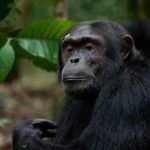
- Chimpanzees.
- Forest buffalo.
- Bongo and sitatunga.
- Numerous rainforest bird species and other forest wildlife.
Forest elephants are smaller-bodied than African savannah elephants and are adapted to life in dense tropical forests. Western lowland gorillas are also distinct from the mountain gorillas found in Uganda’s Bwindi Impenetrable National Park and Rwanda’s Volcanoes National Park.
Wildlife sightings are never guaranteed, and the presence of animals in a protected area does not mean that tourists can safely reach it.
Culture and Communities
The Central African Republic has a rich cultural landscape shaped by many communities with different languages, music, artistic traditions and ways of life.
In the Dzanga-Sangha region, Ba’Aka communities have extensive traditional knowledge of the rainforest. Where appropriate and authorised, community-led experiences may introduce visitors to aspects of forest knowledge, music, food traditions and local livelihoods.
Responsible cultural tourism should be arranged with community participation and consent. Visitors should respect local customs, privacy, photography preferences and the rights of the people they meet.
Culture should be understood as a living part of the country rather than simply a tourist attraction.
When Is the Best Time to Visit the Central African Republic?
The climate varies across the country. Northern regions experience stronger savannah seasonality, while southern rainforest areas receive substantial rainfall.
Weather influences road access, river levels, forest trails and the practicalities of reaching remote protected areas. A suitable season for wildlife observation may therefore differ from the best period for road travel.
For any proposed trip, obtain location-specific advice from knowledgeable local operators and check whether activities are currently operating.
Most importantly, favourable weather does not mean that a destination is safe to visit. Security advice must take precedence over seasonal travel considerations.
How to Get to the Central African Republic
Bangui M’Poko International Airport is the principal international gateway. Flight availability, transit arrangements and entry requirements should be verified before booking.
Reaching remote destinations such as Dzanga-Sangha can involve long journeys, difficult road conditions or additional transport arrangements. Infrastructure and emergency services may be limited.
Before considering travel, check:
- Visa and passport requirements for your nationality.
- Current flight schedules and border conditions.
- Yellow fever vaccination and other health requirements.
- Availability of reliable transport and accommodation.
- Medical facilities and evacuation arrangements.
- Whether travel insurance covers the destination and planned activities.
- Current official security advice for every part of the itinerary.
Requirements can change, so consult the relevant embassy, government travel advisory and travel-health professional.
Is the Central African Republic Safe for Tourists?
Safety is a major concern for anyone considering travel to the Central African Republic.
As of 14 October 2026, the UK government advises against all travel outside Bangui and against all but essential travel to Bangui. The US Department of State’s advisory, issued on 15 January 2026, says not to travel to the country because of risks including unrest, crime, kidnapping, health emergencies and terrorism.
Medical services are extremely limited, and access to emergency assistance may be difficult. Travel against official advice may also affect insurance coverage.
For most leisure travellers, postponing a trip is the prudent choice. Do not rely on a tour operator’s assurances alone; review the current government advice relevant to your nationality and circumstances.
Central African Republic or Uganda: Which Is Better for a Wildlife Holiday?
The Central African Republic and Uganda offer different wildlife experiences.
The Central African Republic is notable for its Congo Basin rainforest, western lowland gorillas and forest elephants. Uganda offers mountain gorilla trekking, chimpanzee tracking, savannah safaris, wetland birding and mountain hiking, with a more established tourism network for many of these activities.
Travellers considering Uganda can explore:
- Mountain gorilla trekking in Bwindi Impenetrable National Park.
- Chimpanzee tracking in Kibale Forest.
- Game drives and boat cruises in Queen Elizabeth National Park.
- Wildlife viewing in Murchison Falls National Park.
- Shoebill excursions at Mabamba Swamp.
- Birdwatching in Bwindi and other biodiversity-rich habitats.
These experiences are not identical to those in the Central African Republic, but they provide a broad range of wildlife and nature activities for visitors seeking a planned African holiday.
Epic Uganda Vacation specialises in tailor-made Uganda safaris, primate experiences, wildlife viewing and birding itineraries. Travel plans should always be checked against current conditions and official advice.
Frequently Asked Questions About the Central African Republic
What is the Central African Republic famous for?
The country is known for its Congo Basin rainforests, western lowland gorillas, forest elephants and protected areas such as Dzanga-Sangha and Manovo-Gounda St Floris National Park.
What are the best places to visit in the Central African Republic?
Notable places in its natural heritage include Dzanga-Sangha Protected Areas, Dzanga-Ndoki National Park, Dzanga Bai, Manovo-Gounda St Floris National Park and Bangui. Their tourism accessibility must be assessed against current security advice.
Can tourists see gorillas in the Central African Republic?
Authorised visits to habituated western lowland gorillas have been offered in Dzanga-Sangha. Travellers must confirm current operating arrangements and security conditions before considering a visit.
What animals live in the Central African Republic?
Wildlife includes forest elephants, western lowland gorillas, chimpanzees, forest buffalo, bongo, sitatunga and many rainforest birds.
What is the capital of the Central African Republic?
Bangui is the capital and main urban centre. It lies along the Ubangi River.
Is the Central African Republic suitable for a holiday in 2026?
Official travel advisories describe serious security risks. The UK advises against all travel outside Bangui and against all but essential travel to Bangui, while the US advises against travel to the country. Most leisure travellers should postpone plans and review official advice before making any decisions.
Final Thoughts
The Central African Republic possesses extraordinary natural heritage, from the rainforest wildlife of Dzanga-Sangha to the wider conservation landscapes of the Congo Basin. Its forests, rivers and cultural diversity make it an important country for biodiversity protection and conservation research.
Nevertheless, its attractions must be considered alongside the serious security situation and limited emergency infrastructure. Researching a destination is not the same as recommending travel there, and visitors should not book a trip without checking current official advice.
For travellers seeking an organised wildlife holiday in Africa, Uganda offers mountain gorillas, chimpanzees, savannah wildlife, wetlands and exceptional birdwatching. Epic Uganda Vacation can help design a Uganda itinerary around your preferred experiences, travel dates and accommodation level.