Mount Bisoke Hike, Rwanda: A Complete Trekking Guide
Mount Bisoke is one of Rwanda’s most rewarding hiking destinations, offering adventurous travelers the opportunity to climb a volcanic mountain and discover a beautiful crater lake near its summit. Located in the Virunga Mountains within Volcanoes National Park, Mount Bisoke attracts hikers looking for spectacular scenery, diverse vegetation, and a challenging outdoor experience.
Standing at 3,711 metres (12,175 feet) above sea level, Mount Bisoke is an excellent option for travelers who want to experience Rwanda beyond its famous mountain gorilla trekking tours. The hike can be completed in one day, making it suitable for visitors who want to add a volcano adventure to a Rwanda safari.
This guide covers everything you need to know about the Mount Bisoke hike, including its location, difficulty, hiking duration, what to expect along the trail, essential packing tips, and how to plan your visit.
Where Is Mount Bisoke Located?
Mount Bisoke is part of the Virunga volcanic mountain range in East-Central Africa, along the border between Rwanda and the Democratic Republic of the Congo. The mountain lies within the Volcanoes National Park landscape on the Rwandan side, making it one of the country’s best-known volcano hiking destinations.
The hike is generally organized through the park’s visitor facilities at Kinigi, near Musanze in northern Rwanda. Travelers commonly stay in Musanze before the hike or arrange an early transfer from elsewhere in Rwanda.
The surrounding Virunga landscape is known for its steep volcanic slopes, montane forests, bamboo vegetation, and remarkable biodiversity. The region is also internationally recognized for its mountain gorilla conservation efforts.
Mount Bisoke at a Glance
- Elevation: 3,711 metres (12,175 feet)
- Location: Virunga Mountains, northern Rwanda, near the Democratic Republic of the Congo border
- National park: Volcanoes National Park
- Hiking duration: Approximately 6–7 hours for many hikers, depending on conditions and pace
- Hiking style: Guided, one-day volcano hike
- Main attraction: A crater lake near the summit
- Difficulty: Challenging, particularly on steep, muddy sections and at high altitude
- Starting point: Park briefing and arrangements at Kinigi, followed by a transfer to the trailhead
Hiking times are estimates rather than guarantees. Rain, trail conditions, altitude, and the pace of the group can affect how long the ascent and descent take.
Why Hike Mount Bisoke?
1. See the Crater Lake
The summit crater lake is the main attraction of the Mount Bisoke hike. After climbing through the mountain’s changing vegetation zones, hikers reach the crater rim and enjoy views of the lake nestled within the volcanic landscape.
Clouds and mist can influence visibility, so the views may vary throughout the day. Reaching the crater area after a demanding ascent is a memorable reward for many hikers.
2. Explore the Virunga Mountains
Mount Bisoke offers an opportunity to experience the distinctive landscapes of the Virunga Mountains on foot. The trail passes through different types of vegetation as the elevation increases, creating a changing environment throughout the climb.
The scenery ranges from forested lower slopes to more open high-altitude vegetation near the summit. On clear days, the surrounding mountain landscape adds to the experience.
3. Experience Rwanda Beyond Gorilla Trekking
Many visitors travel to Volcanoes National Park primarily to see mountain gorillas. However, the region also offers hiking and other nature-based experiences.
Mount Bisoke is an excellent addition for travelers interested in walking, photography, volcanic landscapes, and outdoor adventure. It can be included in a wider Rwanda itinerary alongside gorilla trekking, golden monkey tracking, or cultural experiences, subject to availability and the time required for each activity.
4. Complete a Volcano Hike in One Day
Unlike some longer mountain expeditions, the standard Mount Bisoke hike is usually completed in one day. This makes it an appealing option for travelers who want a challenging mountain experience without committing to a multi-day climb.
Although it is a single-day hike, it should not be underestimated. The steep trail, high altitude, and potentially slippery ground require good preparation and a reasonable level of fitness.
What to Expect During the Mount Bisoke Hike
Early Morning: Arrival and Briefing
Your hiking day begins early with registration and a briefing at the designated park facilities in Kinigi. Park staff and guides explain the hiking procedures, safety guidance, and expectations for the trek.
After the briefing, you will travel to the trailhead and begin the hike with the authorized guide or ranger arrangements provided for your activity.
The Ascent Through Forest and Mountain Vegetation
The initial part of the trail takes you through the lower slopes, where vegetation and forest cover create a green, natural setting. As you gain elevation, the environment changes, with bamboo and montane vegetation giving way to more open high-altitude plant communities.
The path can be steep and muddy, especially following rain. You should expect sections where careful footing is important, and the climb may feel more demanding as the air becomes thinner at higher elevations.
Take regular breaks when necessary, drink water, and maintain a steady pace rather than trying to climb too quickly.
Reaching the Crater Lake
The crater lake is the highlight of the hike. Once you reach the summit area, you can appreciate the volcanic landscape and take photographs where conditions and the guide’s instructions allow.
Visibility depends on the weather. Even when clouds obscure distant views, the experience of reaching the crater area and exploring this high-altitude environment remains a rewarding part of the trek.
Follow all instructions from your guide and park staff, and do not enter the lake. Swimming is not permitted.
The Descent
After the summit visit, you will begin the descent toward the trailhead. Although descending may require less cardiovascular effort than climbing, it can be difficult when the ground is wet, muddy, or slippery.
Use your walking poles if you have them, take your time on steep sections, and follow the guide’s directions. Once the hike is complete, you can return to your lodge or continue with your planned travel arrangements.
How Difficult Is the Mount Bisoke Hike?
The Mount Bisoke hike is generally considered challenging. It does not normally require technical climbing equipment, but it involves sustained uphill walking, uneven terrain, potentially muddy trails, and an ascent to 3,711 metres.
The main challenges include:
- High altitude: The reduced oxygen availability at higher elevations can make physical exertion more demanding.
- Steep sections: Parts of the route require sustained climbing and careful foot placement.
- Mud and slippery ground: Rain can make both the ascent and descent more difficult.
- Changing weather: Conditions can change quickly in a mountain rainforest environment.
- Physical endurance: The trek takes several hours and requires energy for both climbing and descending.
You do not need to be an elite mountaineer, but regular walking or hiking experience can help. Before your trip, build up your fitness with longer walks, uphill exercise, and activities that improve your stamina.
If you have concerns about altitude or your ability to complete the hike, seek appropriate medical advice before traveling and discuss your needs with the tour organizer.
Best Time to Hike Mount Bisoke
Mount Bisoke can be hiked throughout the year, subject to park access, weather, and permit availability. However, seasonal conditions can affect trail difficulty and visibility.
Drier Periods
The relatively drier periods, commonly around June to September and December to February, can offer more favorable conditions for hiking. Trails may be less muddy, although rain remains possible in the mountains.
Wetter Periods
During wetter months, the trail may become muddy and slippery, making the climb and descent more demanding. Rain and mist may also affect visibility around the crater lake.
The best time for your hike depends on your travel dates, flexibility, and tolerance for challenging trail conditions. Bring waterproof clothing regardless of the season.
What to Pack for the Mount Bisoke Hike
Packing suitable clothing and equipment can make a significant difference to your comfort and safety.
Recommended items include:
- Hiking boots: Wear sturdy, waterproof boots with good grip and ankle support.
- Rain jacket: Mountain weather can change quickly, so bring a waterproof outer layer.
- Long hiking trousers: These help protect your legs from vegetation and rough trail conditions.
- Warm layers: Temperatures can be cool at higher elevations, particularly when windy or misty.
- Hiking gloves: Useful for comfort and protection on rough or muddy sections.
- Walking poles: These can improve balance during steep climbs and slippery descents.
- Drinking water: Carry enough water for a full day of physical activity.
- Snacks and packed food: Bring energy-rich snacks and any lunch arrangements recommended by your operator.
- Daypack: Choose a comfortable bag that keeps your essentials secure.
- Camera or phone: Protect electronic devices from rain and moisture.
- Personal medication: Carry any medication you normally need, and inform your guide of relevant safety concerns.
Ask your operator or the park team whether any equipment can be hired locally and confirm the current arrangements before departure.
Do You Need a Permit to Hike Mount Bisoke?
Mount Bisoke hiking is a regulated park activity, and visitors should arrange the required authorization before the hike. Booking and permit procedures are managed through Rwanda’s official tourism booking system.
Availability, prices, booking conditions, and required visitor information can change. Confirm the current requirements through the official Rwanda Development Board’s Bisoke booking portal before making travel arrangements.
When requesting a booking, provide your intended travel date, group size, and any relevant logistical requirements. Book in advance where possible, particularly if your wider itinerary has fixed dates.
Do not assume that a Mount Bisoke hiking permit includes a mountain gorilla trekking permit. Gorilla trekking is a separate activity with its own booking requirements and permit arrangements.
Can You See Gorillas During the Mount Bisoke Hike?
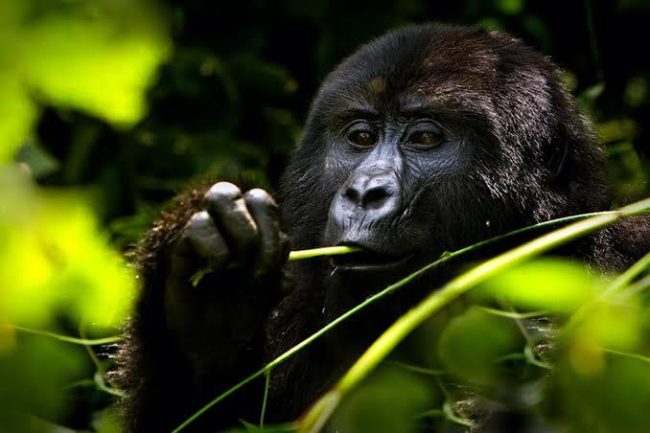
Mount Bisoke is located in a landscape that provides habitat for mountain gorillas, so wildlife may be present on the mountain’s lower slopes. However, seeing gorillas during a volcano hike is not guaranteed, and the activity should not be treated as a substitute for a dedicated gorilla trek.
Travelers whose main goal is to see mountain gorillas should book the appropriate gorilla trekking experience separately. If you want to combine the two activities, plan enough time for each and confirm permit availability in advance.
Can You Combine Mount Bisoke Hiking with Gorilla Trekking?
Yes, Mount Bisoke hiking can be included in a broader Rwanda adventure itinerary that also features mountain gorilla trekking. These activities offer different experiences: the Bisoke hike focuses on reaching the crater area, while gorilla trekking involves visiting a habituated gorilla family under the supervision of park staff.
A multi-day itinerary is often more practical than trying to fit both activities into one day. It allows time for the hike, gorilla trekking, transfers, rest, and possible changes caused by weather or operational conditions.
Other experiences to consider in the region include golden monkey tracking, cultural visits, and exploring the Musanze area. All activities should be scheduled according to availability and realistic travel times.
Where to Stay for a Mount Bisoke Hike
Musanze and the surrounding area provide a convenient base for travelers visiting Volcanoes National Park. Accommodation options range from simpler guesthouses to comfortable mid-range properties and luxury lodges.
The right choice depends on your budget, preferred comfort level, and transport arrangements. Because the hike begins early, staying within convenient reach of the park briefing point can make the morning easier.
If you are arranging a package through a tour operator, confirm the accommodation name, location, meal arrangements, transfers, and whether these costs are included in the quoted price.
Frequently Asked Questions About Mount Bisoke
How high is Mount Bisoke?
Mount Bisoke stands at 3,711 metres (12,175 feet) above sea level and is part of the Virunga Mountains.
How long does the Mount Bisoke hike take?
Many hikers should allow approximately six to seven hours for the hike, including the ascent and descent. The actual duration varies according to fitness, weather, trail conditions, and group pace.
Is Mount Bisoke suitable for beginners?
It may be possible for a beginner with good fitness to complete the hike, but it is challenging rather than an easy walk. Prepare with regular exercise and be realistic about the effects of altitude, steep slopes, and mud.
What is the main attraction of Mount Bisoke?
The crater lake near the summit is the main attraction, along with the changing vegetation and scenery of the Virunga Mountains.
Can you swim in the Mount Bisoke crater lake?
No. Swimming in the crater lake is not permitted. Visitors should remain within the areas allowed by park staff and follow all safety instructions.
Do I need a guide?
Mount Bisoke hiking is organized as a guided park activity. Confirm the current guide and registration arrangements when booking through the official booking system or your tour operator.
Can I hike Mount Bisoke in one day?
Yes. The standard hike is generally completed in one day, although you should plan for a full day of activity and allow flexibility for weather and trail conditions.
Can I combine Mount Bisoke with a Rwanda safari?
Yes. Mount Bisoke can be incorporated into a multi-day Rwanda itinerary with activities such as gorilla trekking, golden monkey tracking, and cultural visits, subject to availability and travel times.
Book Your Mount Bisoke Hiking Experience with Epic Uganda Vacation
Discover the volcanic landscapes of Rwanda with a guided Mount Bisoke hiking adventure. Whether you are planning a dedicated volcano hike or adding it to a longer East African safari, careful planning will help you make the most of your visit.
Epic Uganda Vacation can help you discuss your itinerary, travel dates, transport, and accommodation preferences.
Contact Epic Uganda Vacation to inquire about a Mount Bisoke hiking package and plan your Rwanda adventure.
Before confirming your booking, verify the latest permit requirements, availability, package inclusions, and total cost for your travel dates.