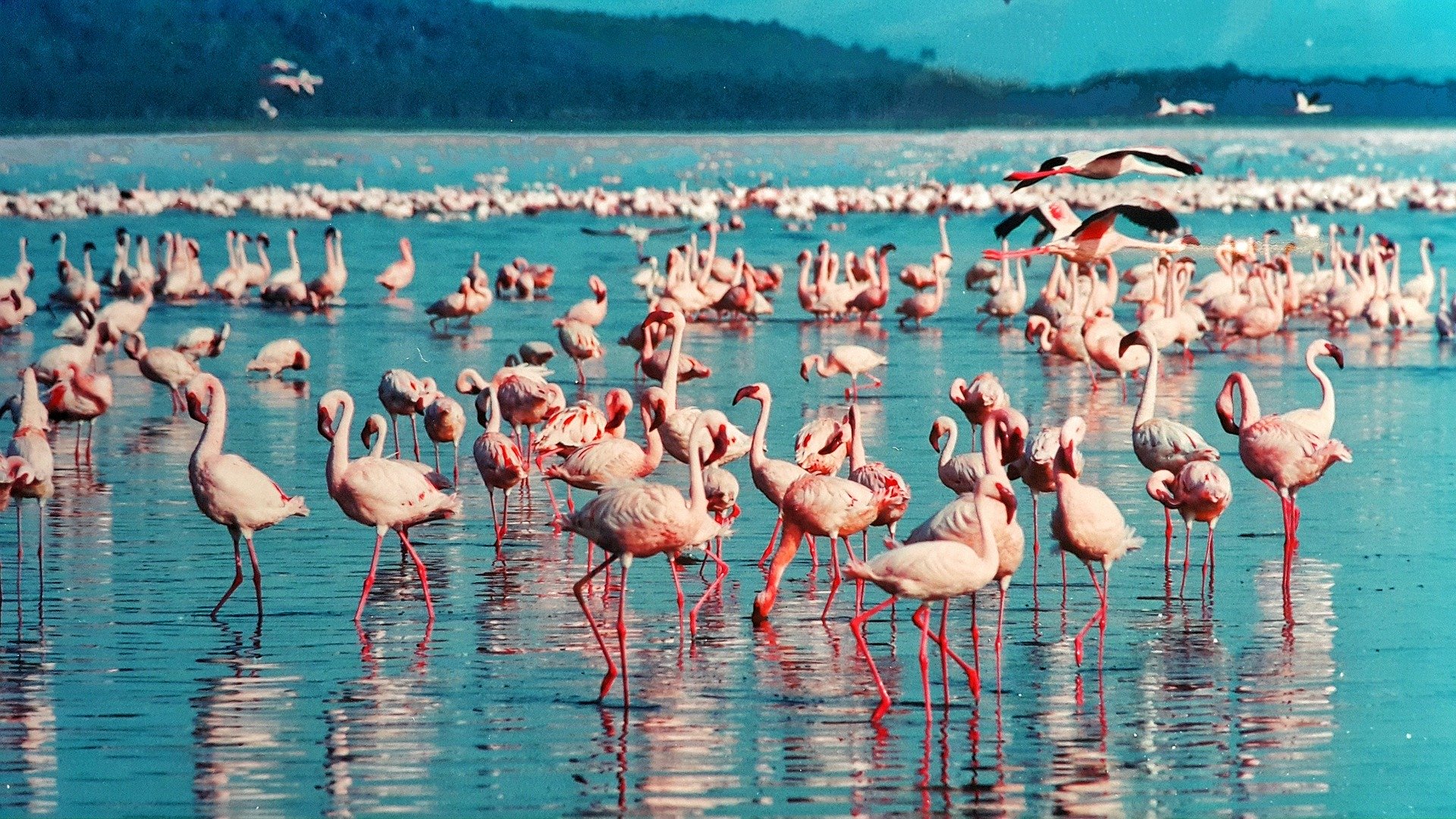
Lake Nakuru National Park: A Sanctuary of Pink Flamingos and Rare Rhinos
Situated on the floor of the Great Rift Valley, Lake Nakuru National Park offers a stunning landscape of wooded grasslands and rocky ridges. While the park originally started in 1961 to protect the lake and its immediate mountains, it has since expanded to include vast savannahs. Today, the Ramsar Convention protects this vital wetland.
The Meaning Behind the Name
The name “Nakuru” originates from a local Masai word meaning “Dusty Place.“ Despite this name, the park is a lush haven for wildlife. While mammals faced a decline in the early 1990s, the park has seen a massive resurgence. In 2013, rising water levels even led to a temporary migration of flamingos to Lake Bogoria, showing the dynamic nature of this ecosystem.
A Haven for Rhinos and Rare Giraffes
Lake Nakuru is one of Kenya’s most successful conservation stories. The park serves as a major Black Rhino sanctuary, protected by a perimeter fence to deter poachers.
-
Rhino Populations: The park hosts one of the largest concentrations of Eastern Black Rhinoceros and Southern White Rhinos in the country.
-
Rothschild’s Giraffe: In 1977, conservationists introduced these rare giraffes from Western Kenya, and they now thrive within the park.
-
The Big Five: While you can spot lions, leopards, and buffaloes here, the park is specifically famous for being one of the best places in Kenya to see rhinos in the wild.
The Famous Pink Flamingos of Lake Nakuru
The lake’s abundant algae attract millions of flamingos to its alkaline waters. You can identify two distinct species here:
-
Lesser Flamingo: Recognized by its deep red bill and bright pink plumage. These are the stars of most wildlife documentaries.
-
Greater Flamingo: Slightly larger and paler, these birds often mix with the lesser variety.
Note that pollution and drought can affect the “blue-green algae” (Cyanobacteria) that flamingos eat. When food is scarce, these birds may migrate temporarily to nearby lakes like Lake Elmenteita or Lake Bogoria.
Wildlife and Birding Highlights
Beyond the flamingos, the park is a UNESCO World Heritage Site and a premier birding destination.
-
Predators: As a “Muzungu” Keep an eye out for lions and cheetahs. Leopards are also frequently spotted lounging on tree branches near the lake.
-
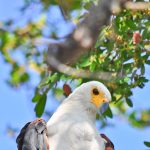
Birds: You can see over 400 species, including pelicans, herons, and storks.
-
Reptiles: Large pythons inhabit the thick woodlands and occasionally cross the park tracks.
Planning Your Visit
-
Activities: Enjoy game drives, guided hikes, and scenic picnics. This is one of the few places where you can photograph a white rhino with a backdrop of pink flamingos.
-
Location: The park sits in central Kenya, about 150 km northwest of Nairobi. The main gate is just 4 km from Nakuru town.
-
Access: You can easily reach the park by road from Nairobi (a 3-hour drive) or by chartered flight to the local airstrip.
When to Visit
You can visit Lake Nakuru year-round. However, the dry season is best for game viewing as animals congregate around the lake. The wet season offers the most vibrant green landscapes for photography.