Olduvai Gorge Tour in Tanzania: Explore the Cradle of Humankind
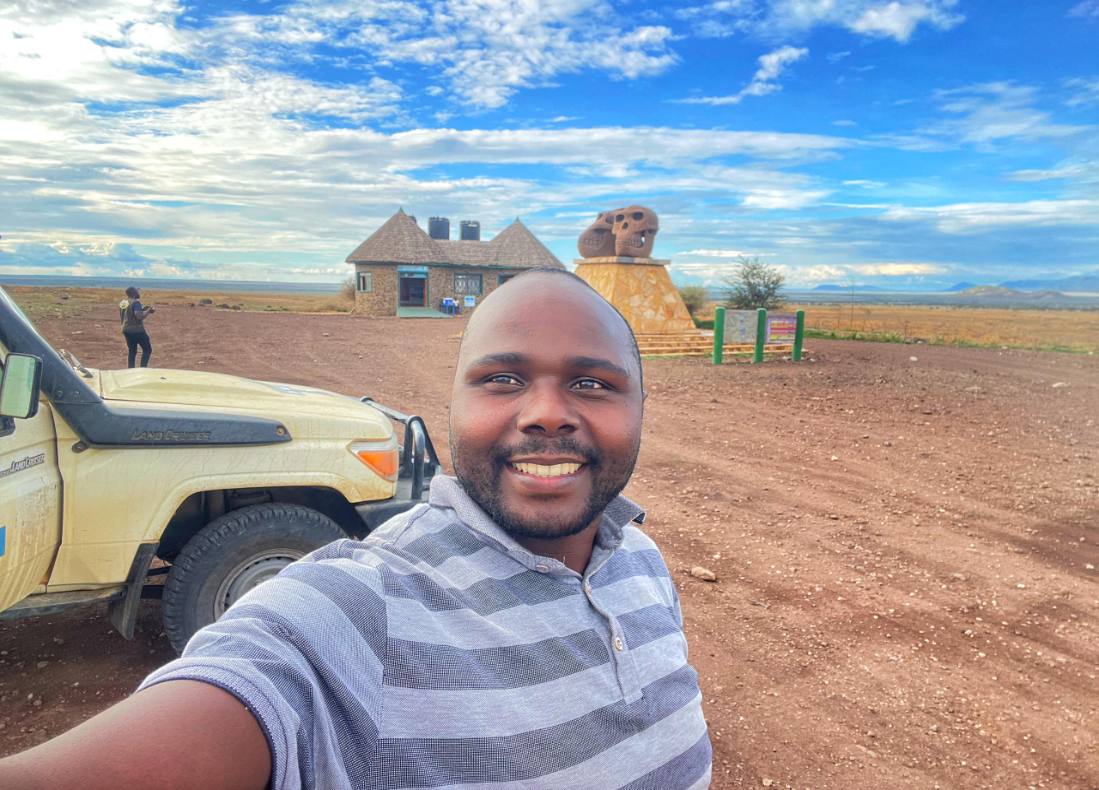
A visit to Olduvai Gorge is an opportunity to explore one of the most important archaeological and palaeoanthropological sites in the world. Located in northern Tanzania within the Ngorongoro Conservation Area, Olduvai Gorge is internationally recognised for its remarkable discoveries of ancient human fossils, prehistoric stone tools and evidence of early human development.
Often referred to as the Cradle of Humankind, Olduvai Gorge offers a fascinating experience for visitors interested in human evolution, archaeology, history and African heritage. The site is particularly rewarding for travellers exploring the Northern Tanzania safari circuit because it can be combined with visits to the Serengeti National Park and Ngorongoro Crater.
An Olduvai Gorge tour takes you beyond traditional wildlife viewing. You will explore the landscape where important discoveries have helped scientists understand how early human ancestors lived, developed tools and adapted to changing environments millions of years ago.
Whether you are travelling as part of a Tanzania wildlife safari, a cultural holiday or an educational expedition, Olduvai Gorge deserves a place on your itinerary.
Where Is Olduvai Gorge Located?
Olduvai Gorge is situated in northern Tanzania, within the Ngorongoro Conservation Area, between the Ngorongoro Highlands and the Serengeti ecosystem.
The gorge is approximately 14 kilometres long and reaches a depth of nearly 100 metres in some sections. Its exposed geological layers preserve evidence of ancient environments, fossilised animals, early human ancestors and prehistoric tools.
The site forms part of the Ngorongoro Conservation Area, a UNESCO World Heritage property recognised for its exceptional natural and cultural significance.
Olduvai Gorge is conveniently positioned along the Northern Tanzania safari circuit, making it possible to include a visit when travelling between Ngorongoro and Serengeti National Park.
Why Is Olduvai Gorge Famous?
Olduvai Gorge is famous for its exceptional archaeological discoveries, which have contributed significantly to scientific understanding of human evolution.
The gorge contains fossil remains and stone tools associated with different early hominin species. Research at the site has helped scientists investigate how human ancestors developed, interacted with their environments and used technology.
Some of the most important discoveries associated with Olduvai Gorge include:
1. Australopithecus boisei (Zinjanthropus)
In 1959, palaeoanthropologist Mary Leakey discovered an important fossil skull at Olduvai Gorge. The specimen was initially named Zinjanthropus boisei and is now classified as Australopithecus boisei.
The discovery attracted international attention and established Olduvai Gorge as one of the world’s most important locations for studying human ancestry.
The fossil is approximately 1.8 million years old and provides important evidence about early hominin diversity in East Africa.
2. Homo habilis
Another major discovery at Olduvai Gorge was Homo habilis, an early human species whose remains were identified in the area in 1960.
Homo habilis is particularly significant because of its association with early stone-tool technology. The discoveries at Olduvai helped researchers investigate the relationship between early human ancestors and the development of tool-making.
3. Homo erectus
Fossils associated with Homo erectus have also been recovered from Olduvai Gorge.
This species is important in the study of human evolution because of its larger body size, increased brain capacity and association with more developed stone-tool traditions.
Together, the discoveries of Australopithecus boisei, Homo habilis and Homo erectus demonstrate the importance of Olduvai Gorge in understanding the diversity and development of early human ancestors.
4. Ancient Stone Tools
Olduvai Gorge is also famous for its stone tools, particularly those associated with the Oldowan archaeological industry.
These tools demonstrate how early hominins selected, shaped and used stones for different purposes. They provide valuable evidence of early technological development and the changing relationship between human ancestors and their surroundings.
Visitors can learn about these discoveries through exhibits and explanations at the Olduvai Museum.
What to Expect During an Olduvai Gorge Tour
A guided visit to Olduvai Gorge combines archaeological interpretation, museum exploration and beautiful views of the surrounding landscape.
Here are some of the main experiences to include in your tour.
1. Visit the Olduvai Gorge Museum
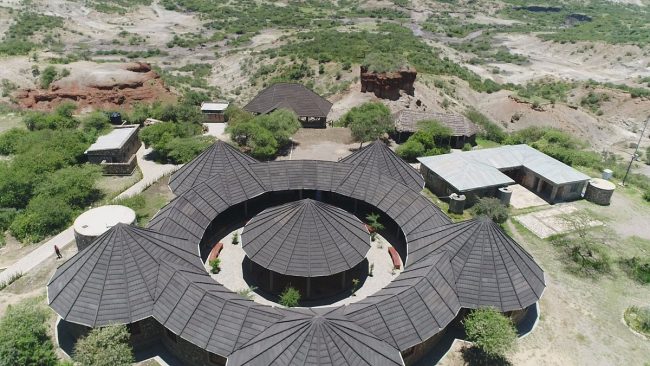
The Olduvai Museum is one of the main attractions for visitors. It introduces the archaeological history of the gorge and explains the important discoveries made by researchers over several decades.
Inside the museum, visitors can learn about early human ancestors, fossil discoveries, prehistoric animals and the development of stone tools.
The exhibits help explain how scientists use fossils, geological layers and archaeological evidence to reconstruct ancient environments and understand human evolution.
The museum also provides an opportunity to appreciate the work of researchers who have dedicated years to studying the gorge.
2. Enjoy Views of Olduvai Gorge
One of the highlights of visiting Olduvai is looking across the dramatic landscape of the gorge.
From designated viewing areas, visitors can appreciate its depth, exposed geological layers and surrounding plains. The landscape offers insight into the environmental changes that took place over millions of years.
A knowledgeable guide can explain how ancient lakes, volcanic activity, erosion and changing climates contributed to the formation of the gorge and the preservation of fossils.
3. Learn About the Leakey Family’s Discoveries
The work of Louis and Mary Leakey is closely associated with Olduvai Gorge.
Their archaeological and palaeoanthropological research contributed significantly to discoveries of early human fossils and stone tools.
During your visit, you can learn about their excavations, the challenges of conducting research in the area and how their findings influenced scientific understanding of human evolution.
4. Explore Archaeological Excavation Areas
Some preserved excavation locations can be visited with an authorised guide, subject to access arrangements.
These areas provide a closer understanding of how researchers examine geological deposits, identify fossils and interpret archaeological evidence.
Visitors should not touch, collect or remove fossils, stones or other archaeological materials. The preservation of these discoveries is essential for future research and education.
5. Discover the Ancient Environment of the Serengeti Region
Olduvai Gorge is important not only for human history but also for understanding the evolution of the surrounding ecosystem.
Fossils of ancient animals and other biological remains provide evidence of how wildlife and environmental conditions changed over time.
A visit offers a different perspective on the Serengeti region, which today is famous for its large wildlife populations and the Great Wildebeest Migration.
Olduvai Gorge and the Laetoli Footprints
Travellers interested in human evolution may also want to learn about the Laetoli footprints, another important archaeological attraction within the wider Ngorongoro area.
Laetoli is famous for fossilised footprints made approximately 3.6 million years ago by early human ancestors identified as Australopithecus afarensis.
The footprints provide important evidence that early hominins were walking upright on two legs millions of years ago.
Although Olduvai Gorge and Laetoli are often discussed together, they are separate archaeological locations. Laetoli lies approximately 40 kilometres southwest of Olduvai Gorge.
The original famous footprint trail has been reburied for conservation, so visitors should not expect to see the original exposed footprints during a standard Olduvai Gorge visit.
Access to Laetoli is subject to separate arrangements and should be confirmed when planning your itinerary.
Best Time to Visit Olduvai Gorge
Olduvai Gorge can be visited throughout the year. The most suitable time depends on your wider Tanzania safari itinerary, road conditions and personal travel preferences.
June to October: Dry Season
The dry season is a popular period for exploring Northern Tanzania.
During these months, roads are generally more manageable, and the weather is often favourable for combining Olduvai Gorge with wildlife safaris in Serengeti National Park and Ngorongoro Crater.
This period is particularly suitable for travellers planning a multi-destination safari.
November to December: Short Rain Season
The short rains may bring occasional showers and greener landscapes across the Ngorongoro region.
Visitors can still explore Olduvai Gorge, although weather conditions may influence road travel and the wider safari programme.
January to March: Green Season
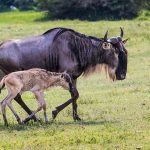
January to March is an interesting period to visit if you want to combine Olduvai Gorge with the wildebeest calving season in the southern Serengeti and Ndutu area.
Large herds of wildebeest gather on the southern plains during this period, with February generally being the peak month for births.
This combination allows visitors to experience both Tanzania’s archaeological heritage and one of Africa’s most remarkable wildlife events.
April to May: Long Rain Season
The long rains bring greener scenery to the region. However, some roads may become muddy or difficult to navigate.
Visitors planning a safari during these months should work with an experienced operator to arrange suitable transport and accommodation.
How to Get to Olduvai Gorge
Olduvai Gorge can be reached by road as part of a Northern Tanzania safari.
From Arusha
Arusha is one of the main starting points for Tanzania’s Northern Circuit safaris. Travellers can depart from Arusha and drive towards the Ngorongoro Conservation Area, continuing to Olduvai Gorge.
The journey takes several hours, depending on the route, road conditions and stops along the way.
From Ngorongoro Crater
Olduvai Gorge can be included in an itinerary exploring the Ngorongoro Conservation Area.
Visitors staying around the Ngorongoro Highlands or travelling between the crater area and Serengeti can arrange a stop at the gorge, subject to the itinerary and conservation area regulations.
From Serengeti National Park
Olduvai Gorge is also a convenient cultural and archaeological stop for travellers entering or leaving the Serengeti through the southern or eastern approaches.
Your safari guide can organise the visit as part of a transfer between the Serengeti and Ngorongoro areas.
By Private Safari Vehicle
A private 4×4 safari vehicle is a convenient way to visit Olduvai Gorge.
It allows you to combine the archaeological experience with wildlife viewing, photography and other attractions along the Northern Tanzania safari circuit.
Olduvai Gorge Entrance Fees and Visitor Information
Olduvai Gorge is located within the Ngorongoro Conservation Area, and visitors should budget for the applicable conservation area charges and the separate Olduvai Gorge visitor fee.
The Ngorongoro Conservation Area Authority’s published tariff portal lists the following Oldupai Gorge visitor charges:
| Visitor category | Adult fee | Child fee |
|---|---|---|
| Non-East African visitor | USD 30 | USD 10 |
| Expatriate visitor | USD 30 | USD 10 |
| East African Community visitor | TZS 5,000 | TZS 1,000 |
| Tanzanian citizen | TZS 5,000 | TZS 1,000 |
Fees are subject to change. Confirm the applicable charges, age categories and any additional Ngorongoro Conservation Area fees with the relevant authority or your safari operator before travelling.
Important Visitor Guidelines
To protect the archaeological heritage of Olduvai Gorge, visitors should follow the official site regulations.
- Visit designated areas with an authorised guide.
- Do not collect or remove fossils, stones or archaeological materials.
- Follow your guide’s instructions throughout the visit.
- Avoid damaging geological deposits and excavation areas.
- Dispose of rubbish responsibly.
- Respect museum exhibits and other visitors.
- Follow all access restrictions established by the conservation authorities.
Access to the actual excavation areas requires an official guide, so make arrangements before your visit.
Where to Stay During an Olduvai Gorge Tour
There are several accommodation options around the Ngorongoro Conservation Area and Serengeti ecosystem. Your choice will depend on your safari route, accommodation budget and preferred level of comfort.
1. Ngorongoro Serena Safari Lodge
Located on the rim of Ngorongoro Crater, this lodge offers spectacular views of the crater landscape. It is suitable for travellers combining Olduvai Gorge with a Ngorongoro Crater safari.
2. Ngorongoro Sopa Lodge
Ngorongoro Sopa Lodge is another accommodation option in the Ngorongoro Highlands. Its location makes it useful for visitors exploring the conservation area and surrounding attractions.
3. Olduvai Camp
Olduvai Camp provides a tented safari experience in the wider Olduvai and southern Serengeti region. Its location can be convenient for travellers exploring the archaeological site and nearby wildlife areas. Confirm its current operating arrangements and location before booking.
4. Serengeti Safari Lodges and Camps
Visitors can also stay at lodges and tented camps within Serengeti National Park, depending on their itinerary.
Staying in the Serengeti is particularly suitable for travellers who want to combine Olduvai Gorge with game drives and Great Migration viewing.
Suggested Olduvai Gorge Tour Itinerary
Olduvai Gorge can be visited as part of a longer Northern Tanzania safari. The following is an example of how to include it in a wildlife and cultural itinerary.
Day 1: Arrival in Arusha
Arrive at Kilimanjaro International Airport and transfer to your hotel in Arusha. Depending on your arrival time, spend the afternoon relaxing or exploring the town.
Accommodation: Hotel in Arusha.
Day 2: Transfer to Ngorongoro and Visit Olduvai Gorge
After breakfast, depart Arusha and travel towards the Ngorongoro Conservation Area.
Along the way, enjoy the beautiful highland scenery and learn about the region’s cultural and natural heritage.
Proceed to Olduvai Gorge for a guided visit to the museum and designated archaeological areas. Learn about the discoveries of Mary and Louis Leakey, ancient fossils and early stone tools.
After the visit, continue to your lodge in the Ngorongoro or nearby area.
Accommodation: Ngorongoro lodge or tented camp.
Day 3: Ngorongoro Crater Game Drive
After an early breakfast, descend into Ngorongoro Crater for a wildlife viewing experience.
Explore the crater floor in search of lions, elephants, buffaloes, zebras, wildebeest, hyenas and other wildlife. With some luck, you may also encounter the endangered black rhinoceros.
Later, ascend from the crater and return to your lodge.
Accommodation: Ngorongoro lodge or tented camp.
Day 4: Transfer to Serengeti National Park
After breakfast, depart for Serengeti National Park.
Enjoy a scenic drive through the Ngorongoro Conservation Area, with opportunities for wildlife viewing along the way.
Arrive in the Serengeti and enjoy an afternoon game drive before proceeding to your lodge.
Accommodation: Serengeti lodge or tented camp.
Day 5: Serengeti Wildlife Safari
Spend the day exploring the Serengeti plains in search of the Big Five and other wildlife.
Depending on the season, your guide may take you to areas where the Great Migration herds are gathering.
Enjoy a full-day game drive before returning to your accommodation.
Accommodation: Serengeti lodge or tented camp.
Combine Olduvai Gorge with Other Tanzania Safari Destinations
Olduvai Gorge is best experienced as part of a wider Northern Tanzania itinerary. Consider combining your visit with the following destinations:
Serengeti National Park
The Serengeti is famous for its large wildlife populations and the Great Wildebeest Migration. Visitors can enjoy game drives in search of lions, leopards, cheetahs, elephants, giraffes and migrating herds.
Ngorongoro Crater
Ngorongoro Crater is one of Africa’s most remarkable wildlife destinations. Its enclosed ecosystem supports a wide variety of animals, including elephants, lions, buffaloes and black rhinos.
Tarangire National Park
Tarangire is known for its large elephant populations, ancient baobab trees and seasonal wildlife concentrations along the Tarangire River.
Lake Manyara National Park
Lake Manyara offers a mixture of forest, woodland, grassland and wetland habitats. It is also known for its birdlife, elephants and tree-climbing lions.
Combining these destinations creates a safari that explores Tanzania’s wildlife, landscapes, archaeology and cultural heritage.
Frequently Asked Questions About Olduvai Gorge Tours
1. Why is Olduvai Gorge called the Cradle of Humankind?
Olduvai Gorge is often called the Cradle of Humankind because of its important fossil and archaeological discoveries associated with early human ancestors. The site has provided valuable evidence about human evolution and the development of early stone tools.
2. How old is Olduvai Gorge?
The archaeological deposits at Olduvai Gorge preserve evidence of human ancestry and environmental history extending over millions of years. Some of the best-known hominin fossils and tools from the site date to approximately 1.8 million years ago.
3. Who discovered Olduvai Gorge?
The site was brought to scientific attention in 1911 by German researcher Wilhelm Kattwinkel. Later, Louis and Mary Leakey conducted extensive research there, leading to some of its most important fossil and archaeological discoveries.
4. Can I visit Olduvai Gorge from Serengeti National Park?
Yes. Olduvai Gorge can be included in a safari itinerary connecting Serengeti National Park and the Ngorongoro Conservation Area. Your route and accommodation arrangements will determine the most suitable time to visit.
5. How much time should I spend at Olduvai Gorge?
Allow sufficient time to explore the museum, enjoy the viewpoints and participate in a guided visit where available. The exact duration depends on the activities arranged and your wider safari schedule.
6. Can children visit Olduvai Gorge?
Yes. Olduvai Gorge can be an educational experience for families interested in archaeology, geology and human history. Parents should ensure that children follow the guide’s instructions and remain within designated visitor areas.
7. Is Olduvai Gorge a UNESCO World Heritage Site?
Olduvai Gorge is located within the Ngorongoro Conservation Area, which is a UNESCO World Heritage property. The conservation area is recognised for its exceptional natural and cultural heritage.
8. Can I combine Olduvai Gorge with a Serengeti migration safari?
Yes. Olduvai Gorge is a good addition to a Serengeti Great Migration safari, particularly when travelling between the southern Serengeti and Ngorongoro region during the calving season.
Book Your Olduvai Gorge Tour with Epic Uganda Vacation
A visit to Olduvai Gorge offers a unique opportunity to explore the history of human evolution while discovering one of Tanzania’s most fascinating landscapes. From the discoveries of early human fossils and ancient stone tools to the work of the Leakey family, the site provides an educational experience that complements a traditional African wildlife safari.
At Epic Uganda Vacation, we can help you organise a personalised Northern Tanzania safari that combines Olduvai Gorge with Serengeti National Park, Ngorongoro Crater and other remarkable destinations.
Whether you are interested in archaeology, wildlife photography, the Great Migration or a family holiday, we can help you plan an itinerary that suits your interests, travel dates and budget.
Contact Epic Uganda Vacation to start planning your Olduvai Gorge and Tanzania safari.