Lake George, Uganda: Location, Wildlife, Birdwatching and Travel Guide
Lake George is one of the beautiful freshwater lakes found in western Uganda, within the spectacular Albertine Rift Valley. Known for its shallow waters, extensive papyrus wetlands, diverse birdlife and rich aquatic ecosystems, Lake George is an important natural attraction for visitors exploring Queen Elizabeth National Park and the surrounding region.
Located near the foothills of the Rwenzori Mountains, Lake George is part of a remarkable landscape characterised by mountains, wetlands, savannah plains, rivers and wildlife habitats.
The lake is particularly important for birdwatching, fishing and biodiversity conservation. Its surrounding wetlands provide habitats for several bird species and other wildlife, including the elusive sitatunga antelope.
One of its most interesting geographical features is the Kazinga Channel, a natural waterway connecting Lake George to Lake Edward. This channel creates an important aquatic ecosystem and provides one of Uganda’s most rewarding wildlife-viewing experiences.
Whether you are interested in birdwatching, nature photography, wildlife safaris or discovering Uganda’s lesser-known destinations, Lake George is worth including in your western Uganda travel itinerary.
In this guide, Epic Uganda Vacation explores the location, geography, wildlife, attractions, activities and best time to visit Lake George.
Where Is Lake George Located in Uganda?
Lake George is situated in western Uganda, within the Albertine Rift Valley, near Kasese District and Queen Elizabeth National Park.
It lies southeast of Lake Edward and is separated from it by the Kazinga Channel, which connects the two freshwater lakes.
The lake is located near the Rwenzori Mountains, whose rivers and streams contribute water to its ecosystem.
Lake George is surrounded by wetlands, papyrus swamps, grasslands and agricultural landscapes. These habitats support a variety of aquatic wildlife and bird species.
The lake is also part of the Queen Elizabeth Biosphere Reserve, a UNESCO-recognised landscape known for its remarkable biodiversity and diverse natural habitats.
Its location makes it an interesting destination for visitors exploring western Uganda, especially those combining Queen Elizabeth National Park with the Rwenzori Mountains and other attractions in the region.
Lake George at a Glance
Here are some interesting facts about Lake George:
-
- Location: Western Uganda.
-
- Region: Albertine Rift Valley.
-
- Nearby town: Kasese.
-
- Lake type: Shallow freshwater lake.
-
- Surface area: Approximately 250–270 square kilometres.
-
- Average depth: Approximately 2.4 metres.
-
- Elevation: Approximately 914 metres above sea level.
-
- Main outflow: Kazinga Channel.
-
- Connected lake: Lake Edward.
-
- Major surrounding habitat: Papyrus wetlands and freshwater swamps.
-
- Conservation importance: Ramsar wetland of international importance.
Lake George is one of Uganda’s smaller Great Rift Valley lakes, but its ecological importance is considerable.
The Formation of Lake George
Lake George was formed through geological processes associated with the western branch of the East African Rift System.
The Albertine Rift Valley developed through tectonic movements that gradually shaped the landscape, creating depressions and basins that eventually filled with water.
Lake George occupies one of these low-lying basins and forms part of the extensive freshwater ecosystem of western Uganda.
Its surrounding landscape includes the Rwenzori Mountains, volcanic features, wetlands and other natural formations associated with the Albertine Rift.
The geological history of the region makes Lake George an interesting destination for travellers interested in Uganda’s physical geography and natural heritage.
Why Is Lake George Called Lake George?
Lake George received its name from Prince George, a member of the British royal family who later became King George V.
The name reflects the historical influence of European exploration and colonial-era geographical naming in East Africa.
The lake is sometimes associated with the local name Lake Dweru in geographical and historical references.
Today, Lake George remains an important geographical landmark and a significant freshwater ecosystem in Uganda.
Rivers and Water Sources of Lake George
Lake George receives water from several rivers and streams, particularly those originating in the Rwenzori Mountains.
These watercourses contribute to the lake’s freshwater supply and sustain its surrounding wetlands.
Important rivers associated with the Lake George drainage basin include:
-
- River Mubuku.
-
- River Nyamwamba.
-
- River Ruimi.
-
- River Mpanga.
-
- River Dura.
The lake’s most important geographical connection is the Kazinga Channel.
The Kazinga Channel flows from Lake George towards Lake Edward, linking two major freshwater bodies within the Albertine Rift Valley.
This connection supports the movement of water, nutrients and aquatic organisms between the lakes.
It also creates important wildlife habitats that make the region attractive for tourism and biodiversity conservation.
Wildlife Around Lake George
Lake George and its surrounding wetlands support a variety of wildlife species.
The combination of freshwater habitats, papyrus swamps, grasslands and nearby savannah ecosystems provides suitable environments for numerous animals.
1. Sitatunga Antelope
One of the most interesting animals associated with the Lake George wetlands is the sitatunga.
The sitatunga is a semi-aquatic antelope adapted to living in swampy environments.
It has long, widely splayed hooves that help it move through soft mud and floating vegetation.
Sitatungas are generally shy animals and are difficult to spot because they spend much of their time hiding among dense papyrus and swamp vegetation.
Lake George’s extensive wetlands provide important habitats for these fascinating antelopes.
2. Hippopotamuses
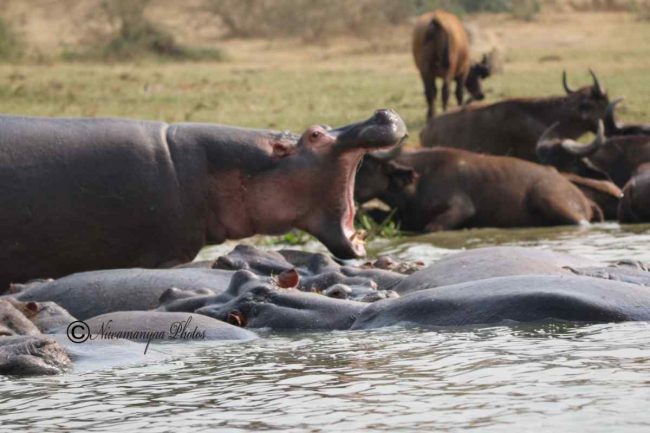
Hippos are among the most recognisable animals associated with the wider Lake George and Queen Elizabeth National Park ecosystem.
They spend much of their day in water and emerge onto land at night to graze.
The connected aquatic habitats of the Lake George–Kazinga Channel–Lake Edward system support important hippo populations.
3. African Elephants
African elephants inhabit the wider Queen Elizabeth National Park landscape.
They can sometimes be encountered near suitable water sources and wetland habitats.
Visitors exploring the surrounding protected areas may enjoy excellent elephant sightings during guided wildlife excursions.
4. African Buffaloes
Buffaloes are common in the grasslands and wetland margins of the wider Queen Elizabeth ecosystem.
They often graze in herds and depend on freshwater habitats for drinking and cooling themselves.
5. Nile Crocodiles
Nile crocodiles occur in the wider aquatic ecosystem, particularly along the Kazinga Channel and Lake Edward.
They are important predators within freshwater food chains.
Visitors should always maintain a safe distance from crocodiles and follow wildlife safety instructions.
Birdwatching at Lake George
Lake George is an excellent destination for birdwatching in western Uganda.
Its extensive papyrus swamps, shallow freshwater habitats and surrounding grasslands attract numerous resident and migratory bird species.
The wetlands are especially important for waterbirds and species associated with papyrus vegetation.
Birdwatchers visiting the region may encounter:
-
- African jacanas.
-
- African fish eagles.
-
- Grey-crowned cranes.
-
- Papyrus gonoleks.
-
- Great white pelicans.
-
- Pink-backed pelicans.
-
- Yellow-billed storks.
-
- Herons and egrets.
-
- Various kingfishers.
-
- Cormorants.
The Shoebill Stork
One of the most exciting bird species birdwatchers hope to encounter in Uganda is the shoebill.
This unusual bird is famous for its enormous shoe-shaped bill and prehistoric appearance.
Suitable wetland habitats around the wider Lake George region support interesting birdwatching opportunities.
However, shoebill sightings are not guaranteed, and visitors should arrange specialised birding excursions with experienced guides if they wish to search for this remarkable species.
Papyrus Gonolek
The papyrus gonolek is another interesting bird associated with Uganda’s papyrus wetlands.
It inhabits dense papyrus vegetation and can be challenging to observe because of its secretive behaviour.
Lake George’s extensive swamp habitats make the surrounding area particularly interesting for bird enthusiasts.
Top Attractions Around Lake George
Visitors exploring Lake George can combine their experience with several natural and cultural attractions in western Uganda.
1. Kazinga Channel
The Kazinga Channel is one of the most famous attractions in Queen Elizabeth National Park.
It connects Lake George to Lake Edward and supports a remarkable concentration of aquatic wildlife.
A boat cruise along the channel is one of the highlights of visiting the region.
Visitors can observe:
-
- Large groups of hippos.
-
- Nile crocodiles.
-
- African elephants.
-
- Buffaloes.
-
- Waterbucks.
-
- Uganda kob.
-
- Numerous waterbirds.
The boat cruise provides excellent opportunities for wildlife photography and birdwatching.
2. Queen Elizabeth National Park
Queen Elizabeth National Park is one of Uganda’s leading wildlife destinations.
It features a combination of savannah grasslands, wetlands, forests, lakes and volcanic crater landscapes.
Popular activities include:
-
- Wildlife game drives.
-
- Kazinga Channel boat cruises.
-
- Birdwatching.
-
- Chimpanzee tracking in Kyambura Gorge.
-
- Exploring the Ishasha sector.
-
- Guided nature experiences.
A visit to Lake George can easily form part of a wider Queen Elizabeth National Park safari.
3. Mweya Peninsula
Mweya Peninsula is a scenic destination situated between Lake Edward and the Kazinga Channel.
It is one of the main tourism centres in Queen Elizabeth National Park and provides access to boat cruises, game drives and comfortable safari accommodation.
Visitors can enjoy spectacular views of the surrounding lakes and wildlife habitats.
4. Rwenzori Mountains
The Rwenzori Mountains are located north of Lake George and form one of the most impressive natural landscapes in Uganda.
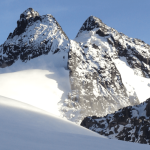
Known as the Mountains of the Moon, the mountain range is famous for its snow-capped peaks, alpine vegetation and spectacular hiking trails.
Visitors can combine Lake George with a visit to the Rwenzori Mountains for a diverse western Uganda adventure.
5. Kasese Town
Kasese is an important urban centre in western Uganda and serves as a convenient gateway to Lake George, Queen Elizabeth National Park and the Rwenzori Mountains.
Visitors can use the town as a base for arranging accommodation, transportation and excursions to nearby attractions.
Things to Do Around Lake George
Lake George offers several interesting experiences for nature lovers and travellers exploring western Uganda.
1. Birdwatching
Birdwatching is among the most rewarding activities around Lake George.
Its papyrus swamps and freshwater wetlands provide habitats for numerous bird species.
Visitors can explore suitable birding locations with experienced local guides who can help identify different species.
2. Discover the Papyrus Wetlands
The papyrus swamps are among Lake George’s most distinctive ecological features.
These wetlands provide shelter, breeding habitats and feeding grounds for many birds and other wildlife.
Exploring the wider wetland environment helps visitors appreciate the importance of freshwater conservation in Uganda.
3. Experience Local Fishing Communities
Fishing is an important economic activity around Lake George.
Local communities depend on the lake for food, employment and income.
Visitors interested in cultural tourism can learn about traditional fishing methods, local livelihoods and the importance of sustainable fishing.
Community visits should be organised respectfully with local guides and community representatives.
4. Enjoy Wildlife Photography
The combination of wetlands, birds, wildlife and surrounding mountain scenery makes the Lake George region attractive for nature photography.
Bird photographers can look for waterbirds and wetland species, while visitors exploring the wider Queen Elizabeth ecosystem can photograph elephants, hippos and buffaloes.
5. Explore the Kazinga Channel
Although the channel is a separate attraction, exploring it is one of the best ways to appreciate the connection between Lake George and Lake Edward.
A guided boat cruise offers close encounters with aquatic wildlife and excellent opportunities to learn about the region’s freshwater ecosystem.
Fishing on Lake George
Fishing is an important activity around Lake George and supports the livelihoods of surrounding communities.
The lake contains several freshwater fish species, including:
-
- Nile tilapia.
-
- Catfish.
-
- Lungfish.
-
- Other native freshwater fish.
Fishing activities contribute to local food security and provide income for fishing households.
The lake is also important for maintaining the ecological balance of the wider freshwater system.
Sustainable fishing practices are essential to protect fish populations and preserve the lake’s natural resources.
Visitors interested in fishing experiences should confirm local regulations and obtain the necessary authorisation before undertaking any fishing activity.
Conservation Importance of Lake George
Lake George is an ecologically important wetland and has been recognised as a Ramsar site of international importance.
Its wetlands provide important habitats for waterbirds, aquatic organisms and semi-aquatic mammals.
The lake also forms part of the wider Queen Elizabeth Biosphere Reserve, which was recognised by UNESCO in 1979.
The biosphere reserve includes a variety of ecosystems, such as savannah grasslands, forests, rivers, wetlands and lakes.
These natural environments support significant biodiversity and provide important resources for neighbouring communities.
Threats to Lake George
Like many freshwater ecosystems, Lake George faces several environmental challenges.
These include:
-
- Wetland degradation.
-
- Pollution from human activities.
-
- Unsustainable fishing practices.
-
- Pressure from agricultural activities.
-
- Climate variability.
-
- Habitat loss.
Protecting the lake requires cooperation between conservation authorities, local communities, researchers and tourism stakeholders.
Responsible tourism can help increase awareness of the importance of preserving Uganda’s freshwater ecosystems.
Best Time to Visit Lake George
Lake George can be visited throughout the year, although seasonal weather conditions influence the experience.
Uganda generally has two relatively dry seasons.
June to September
These months are often favourable for exploring western Uganda.
Road conditions are generally better, making it easier to combine Lake George with wildlife safaris and other outdoor activities.
December to February
Another relatively dry period suitable for sightseeing, birdwatching and exploring the surrounding region.
March to May and October to November
These periods generally experience more rainfall.
The wetlands and surrounding landscapes become greener, creating attractive scenery for photography.
However, rain can make some access roads and nature trails difficult to navigate.
For birdwatchers, different seasons can offer different opportunities depending on resident and migratory bird movements.
How to Get to Lake George from Kampala
Lake George can be reached by road from Kampala through western Uganda.
One common route follows:
Kampala – Mubende – Fort Portal – Kasese – Lake George.
Another route follows:
Kampala – Masaka – Mbarara – Bushenyi – Kasese.
The road journey generally takes approximately 6–8 hours or longer, depending on the route, traffic and road conditions.
A 4×4 safari vehicle is recommended for visitors exploring the wider region and combining Lake George with Queen Elizabeth National Park.
Travellers can also arrange domestic charter flights to suitable airstrips serving Queen Elizabeth National Park and the Kasese area.
For international visitors, arranging a guided safari with Epic Uganda Vacation can simplify transportation, accommodation and activity planning.
Where to Stay When Visiting Lake George
Visitors exploring Lake George have several accommodation options in the surrounding western Uganda tourism region.
Popular accommodation areas include:
Kasese
Kasese offers convenient access to Lake George, the Rwenzori Mountains and Queen Elizabeth National Park.
It is suitable for visitors looking for town-based accommodation and easy access to regional attractions.
Mweya Peninsula
Mweya Peninsula offers comfortable safari accommodation overlooking the Kazinga Channel and Lake Edward.
It is an excellent choice for travellers interested in wildlife viewing and boat cruises.
Queen Elizabeth National Park
The wider park has luxury safari lodges, midrange accommodation, tented camps and budget options.
Visitors can choose accommodation based on their preferred safari activities and itinerary.
Booking in advance is recommended, especially during popular travel periods.
Lake George and Lake Edward: What Is the Difference?
Lake George and Lake Edward are two separate freshwater lakes located in western Uganda.
Although they are connected by the Kazinga Channel, they have different geographical characteristics.
| Feature | Lake George | Lake Edward |
|---|---|---|
| Location | Western Uganda | Uganda and DR Congo |
| Size | Approximately 250–270 km² | Approximately 2,325 km² |
| Average depth | About 2.4 metres | Considerably deeper |
| Main feature | Shallow freshwater and papyrus wetlands | Large Rift Valley freshwater lake |
| Connection | Drains through Kazinga Channel | Receives water from Kazinga Channel |
| Key attraction | Wetland birdlife and fishing | Lakeshore scenery and wildlife |
Both lakes are important parts of the Albertine Rift Valley ecosystem and can be included in a comprehensive western Uganda safari.
Why Visit Lake George with Epic Uganda Vacation?
Lake George is one of western Uganda’s fascinating natural destinations.
Its papyrus wetlands, freshwater biodiversity, fishing communities and connection to the Kazinga Channel make it an interesting destination for nature lovers and travellers exploring the Pearl of Africa.
At Epic Uganda Vacation, we help visitors discover Uganda through carefully planned wildlife safaris, birdwatching adventures and nature-based travel experiences.
We can help you organise:
-
- Queen Elizabeth National Park safaris.
-
- Lake George and Lake Edward excursions.
-
- Kazinga Channel boat cruises.
-
- Uganda birdwatching tours.
-
- Rwenzori Mountains adventures.
-
- Western Uganda wildlife safaris.
-
- Combined chimpanzee tracking and wildlife holidays.
Whether you are interested in birdwatching, wildlife photography, exploring freshwater ecosystems or discovering Uganda’s beautiful landscapes, we can help create an itinerary suited to your interests and budget.
Contact Epic Uganda Vacation today to plan your Lake George and Queen Elizabeth National Park safari. Discover the beauty of Uganda’s wetlands, wildlife and spectacular western landscapes.
Frequently Asked Questions About Lake George, Uganda
1. Where is Lake George located in Uganda?
Lake George is located in western Uganda within the Albertine Rift Valley, near Kasese District and Queen Elizabeth National Park.
2. How big is Lake George?
Lake George covers approximately 250–270 square kilometres, making it one of Uganda’s smaller Great Rift Valley lakes.
3. What is Lake George famous for?
Lake George is famous for its papyrus wetlands, birdlife, fishing activities, aquatic biodiversity and connection to Lake Edward through the Kazinga Channel.
4. Which river connects Lake George to Lake Edward?
The Kazinga Channel connects Lake George to Lake Edward.
5. Can you see the shoebill at Lake George?
The wider Lake George wetland region offers suitable habitats for several important wetland birds, and shoebills are among the species birdwatchers may hope to encounter. Sightings are not guaranteed.
6. What animals live around Lake George?
Wildlife associated with the wider lake and Queen Elizabeth ecosystem includes hippos, crocodiles, elephants, buffaloes and the semi-aquatic sitatunga antelope.
7. Is Lake George a Ramsar site?
Yes. Lake George is recognised as a Ramsar wetland of international importance because of its ecological significance and biodiversity.
8. What is the best time to visit Lake George?
June to September and December to February are generally favourable for outdoor activities. However, the lake can be visited throughout the year.
9. How far is Lake George from Kampala?
The journey is approximately 400–430 kilometres by road, depending on the route and specific destination. Travel generally takes around 6–8 hours or longer.
10. Can Lake George be visited during a Queen Elizabeth National Park safari?
Yes. Lake George can be included in a western Uganda safari that also explores the Kazinga Channel, Mweya Peninsula, Lake Edward, Kasenyi Plains and other attractions.