Mweya Peninsula, Uganda: Attractions, Wildlife, Accommodation and Safari Guide
Mweya Peninsula is one of the most beautiful and fascinating destinations in Queen Elizabeth National Park, western Uganda. Surrounded by the spectacular waters of the Kazinga Channel and Lake Edward, this scenic peninsula is a major tourism hub offering exceptional wildlife encounters, breathtaking landscapes, birdwatching opportunities and comfortable safari accommodation.
Located in the heart of Queen Elizabeth National Park, Mweya Peninsula is an excellent destination for travellers seeking to experience Uganda’s natural beauty. Its elevated viewpoints offer magnificent views of the surrounding water bodies, distant mountains and wildlife-rich savannah plains.
The peninsula is particularly famous for the Kazinga Channel boat cruise, which gives visitors an opportunity to observe hippos, crocodiles, elephants, buffaloes and numerous waterbirds at close range.
Whether you are planning a Uganda wildlife safari, a birdwatching holiday, a romantic getaway or a family adventure, Mweya Peninsula deserves a place on your itinerary.
In this travel guide, Epic Uganda Vacation explores the location, attractions, wildlife, activities, accommodation and best time to visit Mweya Peninsula.
Where Is Mweya Peninsula Located?
Mweya Peninsula is situated in Queen Elizabeth National Park in Kasese District, western Uganda.
It lies between Lake Edward and the Kazinga Channel, near the point where the channel flows into Lake Edward.
The peninsula is one of the main tourism centres within Queen Elizabeth National Park and provides access to several important safari activities.
Its strategic location makes it an excellent starting point for exploring the park’s central wildlife areas, the Kazinga Channel and surrounding attractions.
Mweya Peninsula is also known for its elevated landscape, which provides panoramic views of Lake Edward, the Kazinga Channel and the distant Rwenzori Mountains.
The surrounding vegetation includes savannah grasslands, thorny bushes, shrubs and other natural habitats that support a variety of wildlife.
Geographical Features of Mweya Peninsula
Mweya Peninsula is an interesting geographical feature within the Albertine Rift Valley.
Its landscape is characterised by a raised area of land extending into the aquatic environment formed by Lake Edward and the Kazinga Channel.
The peninsula covers approximately 10 square kilometres and features a mixture of natural vegetation, wildlife habitats and tourism infrastructure.
One of its most remarkable features is the panoramic scenery created by the surrounding water bodies.
Visitors can enjoy views of:
-
- Lake Edward.
-
- Kazinga Channel.
-
- The distant Rwenzori Mountains.
-
- Queen Elizabeth National Park’s savannah plains.
-
- Wildlife habitats along the surrounding shores.
The peninsula’s location also makes it an excellent destination for photography, sightseeing and nature appreciation.
History of Mweya Peninsula
Mweya Peninsula has an interesting history connected to human settlement, wildlife conservation and the development of tourism in western Uganda.
Historical accounts indicate that the area was inhabited before the establishment of Queen Elizabeth National Park.
The peninsula was also visited by European explorers during the late nineteenth century. Historical records describe human settlements and livestock in the area during this period.
In 1952, the protected area was established as Kazinga National Park. It was renamed Queen Elizabeth National Park in 1954 following the visit of Queen Elizabeth II to Uganda.
Over the years, Mweya developed into one of the park’s principal tourism centres.
It became an important location for visitor services, accommodation, wildlife experiences and conservation education.
Although the park’s administrative headquarters were subsequently relocated to Katunguru, Mweya remains an important tourism destination.
Today, it attracts visitors from around the world who come to explore the beauty of Queen Elizabeth National Park.
Top Attractions in Mweya Peninsula
Mweya Peninsula offers a combination of natural attractions, wildlife experiences and scenic viewpoints.
Here are some of the highlights to include in your Uganda safari itinerary.
1. Kazinga Channel
The Kazinga Channel is arguably the most famous attraction associated with Mweya Peninsula.
This natural waterway connects Lake George and Lake Edward, creating an important aquatic ecosystem within Queen Elizabeth National Park.
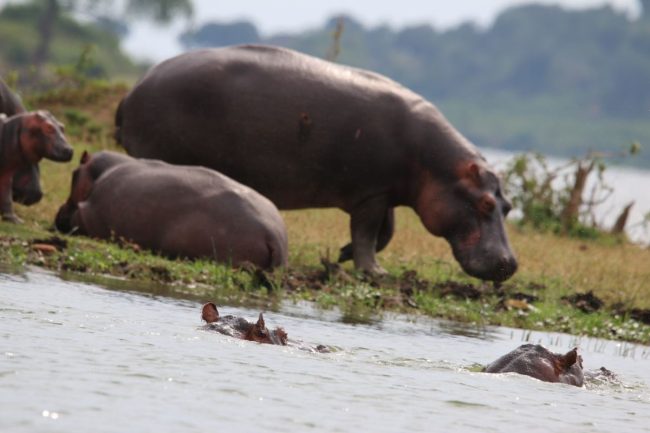
The channel is famous for its high concentration of hippos, crocodiles and waterbirds.
Visitors can enjoy a guided boat cruise along the channel, observing wildlife along its banks.
During the excursion, you may encounter:
-
- Large groups of hippos.
-
- Nile crocodiles.
-
- African elephants drinking along the shoreline.
-
- African buffaloes.
-
- Uganda kob.
-
- Waterbucks.
-
- African fish eagles.
-
- Pelicans, herons and other waterbirds.
The Kazinga Channel boat cruise is one of the most rewarding wildlife activities in Uganda and is a highlight of visiting Mweya Peninsula.
2. Lake Edward
Lake Edward is another spectacular natural attraction surrounding Mweya Peninsula.
It is one of the major freshwater lakes of the Albertine Rift Valley and is shared between Uganda and the Democratic Republic of Congo.
The lake provides an important habitat for aquatic wildlife and supports fishing communities along its shores.
Visitors to Mweya Peninsula can enjoy scenic views of Lake Edward and appreciate its importance to the surrounding ecosystem.
The lake also contributes to the area’s beautiful landscape, making it a popular attraction for photographers and nature enthusiasts.
3. Mweya Visitor Information Centre
Mweya has traditionally served as an important visitor information and tourism centre within Queen Elizabeth National Park.
The visitor facilities help tourists learn about the park’s wildlife, ecosystems, conservation activities and attractions.
Visitors can seek information about available activities, wildlife viewing opportunities and guided experiences.
It is advisable to confirm the current availability and opening arrangements of specific visitor facilities before travelling.
4. Wildlife Viewing
Mweya Peninsula is surrounded by wildlife-rich habitats.
Its location near the Kazinga Channel makes it an excellent destination for spotting animals that visit the water to drink, feed or cool themselves.
Wildlife that may be encountered in the area includes:
-
- African elephants.
-
- African buffaloes.
-
- Hippopotamuses.
-
- Warthogs.
-
- Waterbucks.
-
- Uganda kob.
-
- Giant forest hogs.
-
- Banded mongooses.
-
- Various monkey species.
Lions, leopards and spotted hyenas also occur within the wider park ecosystem, although sightings are less predictable.
Wildlife viewing is particularly rewarding during guided game drives and nature excursions.
5. Rwenzori Mountains Views
The Rwenzori Mountains provide a spectacular backdrop to the wider Mweya landscape.
Known as the Mountains of the Moon, the Rwenzori range is famous for its dramatic peaks, alpine vegetation and extraordinary mountain scenery.
On clear days, visitors can enjoy views of the mountains from different viewpoints around the peninsula and surrounding park.
The combination of mountains, savannah, lakes and wildlife makes Mweya one of the most scenic locations in western Uganda.
Things to Do in Mweya Peninsula
Mweya Peninsula offers several activities that can make your Queen Elizabeth National Park safari memorable.
1. Take a Kazinga Channel Boat Cruise
A boat cruise along the Kazinga Channel is one of the must-do activities when visiting Mweya.
The experience allows visitors to explore the channel from the water while observing wildlife along the shoreline.
Hippos are commonly seen resting in groups, while crocodiles can be spotted basking along the banks.
Elephants and buffaloes sometimes approach the water to drink, creating excellent opportunities for photography.
The cruise also provides opportunities to observe the park’s impressive birdlife.
The activity generally takes approximately two hours, depending on the operator and scheduled departure.
Boat trips are organised through authorised operators, including Uganda Wildlife Authority and other licensed providers.
2. Enjoy Game Drives
Game drives are another popular activity around Mweya Peninsula.
The surrounding savannah and woodland habitats provide opportunities to encounter several wildlife species.
Visitors can explore different tracks within the park, particularly the central game-viewing areas and Kasenyi Plains.
Morning and afternoon game drives are popular because animals are often more active during cooler periods.
During a game drive, visitors may encounter elephants, buffaloes, Uganda kob, warthogs and other wildlife.
With luck, you may also spot lions and leopards.
3. Go Birdwatching
Mweya Peninsula is an excellent destination for birdwatching because of its mixture of aquatic, savannah and woodland habitats.
Bird enthusiasts can search for a variety of resident and migratory species.
Some birds commonly associated with the wider Queen Elizabeth National Park ecosystem include:
-
- African fish eagle.
-
- African jacana.
-
- Pink-backed pelican.
-
- Great white pelican.
-
- Grey-crowned crane.
-
- African skimmer.
-
- Malachite kingfisher.
-
- Yellow-billed stork.
-
- Various herons and egrets.
The Kazinga Channel is especially rewarding for observing waterbirds.
A knowledgeable birding guide can help visitors identify different species and understand their habitats.
4. Enjoy Photography and Sightseeing
Mweya Peninsula is one of the most photogenic locations in Queen Elizabeth National Park.
Its elevated viewpoints provide beautiful scenery, while the surrounding water bodies create excellent opportunities for landscape photography.
Wildlife photographers can also capture elephants, buffaloes, hippos and birds within the wider area.
Sunrise and sunset can provide beautiful lighting for landscape photography, although visibility depends on weather conditions.
5. Experience Local Community Life
Communities around Queen Elizabeth National Park have a long relationship with the surrounding natural environment.
Visitors can learn about local livelihoods, fishing activities, conservation challenges and the importance of tourism to neighbouring communities.
Community visits can also provide opportunities to experience local culture and understand how conservation and tourism contribute to regional development.
Arrange such experiences through responsible local guides and community organisations.
Wildlife Around Mweya Peninsula
The wildlife around Mweya Peninsula is one of its greatest attractions.
The combination of grasslands, wetlands, water bodies and woodland habitats supports an impressive variety of animals.
Mammals
Some of the mammals visitors may encounter include:
-
- Elephants.
-
- Buffaloes.
-
- Hippos.
-
- Warthogs.
-
- Uganda kob.
-
- Waterbucks.
-
- Giant forest hogs.
-
- Banded mongooses.
The wider Queen Elizabeth National Park ecosystem also supports lions, leopards, hyenas and several primate species.
Birds
Birdlife is particularly abundant around the Kazinga Channel and other aquatic habitats.
The park is recognised as one of Uganda’s outstanding birdwatching destinations, with more than 600 recorded bird species.
Visitors can enjoy birdwatching from the peninsula, during boat cruises and on guided excursions throughout the park.
Accommodation in Mweya Peninsula
Mweya Peninsula is one of the best places to stay when exploring central Queen Elizabeth National Park.
Visitors can choose from different accommodation options depending on their budget, comfort preferences and travel plans.
Luxury Accommodation: Mweya Safari Lodge
Mweya Safari Lodge is the best-known accommodation property on the peninsula.
The lodge enjoys a scenic position overlooking the Kazinga Channel and offers beautiful views of the surrounding wilderness.
Its facilities and safari atmosphere make it an attractive option for travellers seeking a comfortable stay within Queen Elizabeth National Park.
Guests can enjoy:
-
- Scenic accommodation overlooking the channel.
-
- Restaurant and dining facilities.
-
- Swimming pool.
-
- Relaxation areas.
-
- Easy access to the Kazinga Channel boat cruise.
-
- Wildlife viewing around the lodge grounds.
The lodge is particularly suitable for couples, families and international safari travellers.
Budget Accommodation: Mweya Hostel
Mweya Hostel provides a more affordable accommodation alternative in the Mweya area.
It is suitable for budget-conscious travellers, students, researchers and visitors seeking simple accommodation while exploring Queen Elizabeth National Park.
Camping at Mweya
Camping is another option for visitors who enjoy outdoor experiences.
A campsite allows travellers to experience the natural surroundings and enjoy the atmosphere of the African wilderness.
Visitors should confirm current campsite availability, facilities and safety arrangements before travelling.
Best Time to Visit Mweya Peninsula
Mweya Peninsula can be visited throughout the year, although some months offer more favourable conditions for outdoor activities.
Uganda generally experiences two relatively dry seasons.
June to September
This is one of the popular periods for Uganda wildlife safaris.
Road conditions are often more favourable, and game drives and outdoor excursions can be easier to organise.
December to February
These months also provide relatively dry conditions and are suitable for wildlife viewing, photography and sightseeing.
March to May and October to November
These periods generally receive more rainfall.
The surrounding vegetation becomes lush and green, creating attractive scenery for photography and nature lovers.
However, some tracks may become muddy, and visitors should prepare for changing weather conditions.
Mweya Peninsula is an attractive destination throughout the year, so the best time depends on your travel preferences and safari itinerary.
How to Get to Mweya Peninsula from Kampala
Mweya Peninsula can be reached by road or air.
By Road
The journey from Kampala to Mweya Peninsula generally takes approximately 6–8 hours, depending on the route, traffic and road conditions.
There are two main road approaches.
Southern route:
Kampala – Masaka – Mbarara – Bushenyi – Kasese – Queen Elizabeth National Park.
Northern route:
Kampala – Mubende – Fort Portal – Kasese – Queen Elizabeth National Park.
The northern route offers opportunities to combine your safari with visits to Fort Portal, Kibale National Park and the Rwenzori region.
A 4×4 safari vehicle is recommended for comfortable travel and exploring the park’s wildlife tracks.
By Air
Travellers who prefer flying can arrange domestic charter flights from Entebbe International Airport to suitable airstrips serving Queen Elizabeth National Park, including Mweya and Kasese, subject to flight availability.
A road transfer can then be arranged to your accommodation and planned activities.
For international visitors, booking a complete safari package can simplify transportation, accommodation and activity arrangements.
Attractions to Combine with Mweya Peninsula
One of the advantages of visiting Mweya is its proximity to several other attractions within Queen Elizabeth National Park and western Uganda.
Consider combining your visit with the following destinations.
Lake Edward
Explore the beautiful freshwater lake that borders the peninsula and forms part of the wider Albertine Rift Valley ecosystem.
Kazinga Channel
Enjoy a boat cruise and discover the remarkable concentration of hippos, crocodiles and waterbirds.
Kasenyi Plains
Explore the open savannah landscape, famous for Uganda kob and opportunities to spot lions.
Kyambura Gorge
Experience chimpanzee tracking in this beautiful forested gorge.
Ishasha Sector
Discover the famous tree-climbing lions of southern Queen Elizabeth National Park.
Maramagambo Forest
Explore tropical forest habitats, birdlife and fascinating natural attractions.
Katwe Salt Lake
Discover the traditional salt-mining activities around Lake Katwe and learn about the area’s local economic history.
Combining these destinations creates a rewarding Uganda safari experience.
Why Visit Mweya Peninsula with Epic Uganda Vacation?
Mweya Peninsula is an excellent destination for travellers who want to discover the natural beauty of Queen Elizabeth National Park.
Its spectacular location between Lake Edward and the Kazinga Channel, combined with its wildlife, birdlife and scenic accommodation, makes it one of the highlights of a Uganda safari.
At Epic Uganda Vacation, we help travellers discover the Pearl of Africa through carefully planned wildlife safaris, nature experiences and cultural adventures.
We can help you organise:
-
- Queen Elizabeth National Park wildlife safaris.
-
- Kazinga Channel boat cruise experiences.
-
- Mweya Safari Lodge accommodation.
-
- Uganda birdwatching tours.
-
- Chimpanzee tracking in Kyambura Gorge.
-
- Western Uganda safari circuits.
-
- Combined wildlife and gorilla trekking holidays.
Whether you are planning a short wildlife getaway or an extended Uganda safari, we can help create an itinerary suited to your interests, budget and available time.
Contact Epic Uganda Vacation today to plan your Mweya Peninsula safari and discover the incredible wildlife and landscapes of Queen Elizabeth National Park.
Experience Uganda’s wilderness with a journey you will remember for a lifetime.
Frequently Asked Questions About Mweya Peninsula
1. Where is Mweya Peninsula located?
Mweya Peninsula is located in Queen Elizabeth National Park in Kasese District, western Uganda. It lies between Lake Edward and the Kazinga Channel.
2. What is Mweya Peninsula famous for?
Mweya Peninsula is famous for its scenic views, wildlife, Kazinga Channel boat cruises, birdwatching and safari accommodation.
3. Can you see elephants at Mweya Peninsula?
Yes. Elephants are among the wildlife species found in the wider Mweya and Kazinga Channel area. Sightings depend on animal movements and conditions.
4. What activities can you do at Mweya Peninsula?
Popular activities include Kazinga Channel boat cruises, wildlife game drives, birdwatching, sightseeing, photography and guided nature experiences.
5. Is Mweya Safari Lodge located inside Queen Elizabeth National Park?
Yes. Mweya Safari Lodge is located within Queen Elizabeth National Park on Mweya Peninsula, overlooking the Kazinga Channel.
6. How far is Mweya Peninsula from Kampala?
Mweya Peninsula is approximately 410–420 kilometres from Kampala by the main road approaches. Driving time is generally around 6–8 hours, depending on the route and conditions.
7. What is the best time to visit Mweya Peninsula?
June to September and December to February are generally favourable periods because of relatively dry weather. However, Mweya can be visited throughout the year.
8. How long should I spend at Mweya Peninsula?
One or two nights are suitable for visitors interested in exploring the peninsula, enjoying a Kazinga Channel boat cruise and undertaking game drives. Longer stays are recommended when combining several attractions in Queen Elizabeth National Park.
9. Is Mweya Peninsula good for birdwatching?
Yes. The peninsula and surrounding Kazinga Channel provide excellent birdwatching opportunities, with aquatic, woodland and savannah bird species.
10. Can I combine Mweya Peninsula with gorilla trekking?
Yes. Mweya Peninsula can be included in a longer Uganda safari that combines Queen Elizabeth National Park with gorilla trekking in Bwindi Impenetrable National Park or Mgahinga Gorilla National Park.