Lake Nakuru National Park: Flamingos, Rhinos and Wildlife Safari in Kenya
Lake Nakuru National Park is one of Kenya’s most remarkable wildlife destinations, famous for its seasonal flamingo gatherings, endangered rhinos, Rothschild’s giraffes, and beautiful Great Rift Valley scenery. Located in central Kenya, the park combines an alkaline lake, acacia woodlands, open grasslands, and rocky escarpments to create a diverse habitat for wildlife and birdlife.
For travellers planning a Kenya wildlife safari or a longer East African adventure, Lake Nakuru National Park offers excellent opportunities for game drives, birdwatching, photography, and conservation-focused tourism. Although the number of flamingos varies with water levels and food availability, the park remains an important destination for bird enthusiasts and wildlife lovers.
At Epic Uganda Vacation Ltd, we help travellers discover East Africa through personalised safari experiences, combining Kenya’s famous wildlife parks with Uganda’s gorilla trekking, primate encounters, and scenic landscapes.
Where Is Lake Nakuru National Park Located?
Lake Nakuru National Park lies in Kenya’s Great Rift Valley, approximately 160 kilometres northwest of Nairobi, although the exact distance depends on the route taken. The park surrounds Lake Nakuru and includes extensive woodland, grassland, rocky hills, and wildlife habitats.
The main entrance is located a short drive from Nakuru city, making the park convenient for visitors travelling from Nairobi or exploring other destinations in the Rift Valley.
Lake Nakuru is particularly attractive to travellers who want to experience Kenya’s wildlife without travelling as far as the Maasai Mara or Amboseli National Park. It can be visited as a standalone safari destination or included in a longer itinerary covering several Kenyan national parks.
History and Conservation of Lake Nakuru National Park
Lake Nakuru National Park was established as a bird sanctuary in 1961 and later developed into a national park to protect its lake, wildlife, and surrounding ecosystems. Over time, the protected area expanded to include additional grasslands and woodland habitats.
The park has become an important conservation area for endangered rhinoceroses and Rothschild’s giraffes. Its protected environment supports wildlife management, habitat preservation, and research into the region’s diverse ecosystems.
Lake Nakuru is also internationally recognised for its wetland importance. Lake Nakuru forms part of the Kenya Lake System in the Great Rift Valley, which was designated a UNESCO World Heritage Site in 2011. The lake is also recognised under the Ramsar Convention as a wetland of international importance.
Water levels have changed considerably over the years, affecting the lake’s shoreline, surrounding habitats, and availability of food for flamingos. These changes demonstrate the importance of protecting the wider ecosystem rather than focusing on a single species.
Why Is Lake Nakuru National Park Famous?
Lake Nakuru National Park is best known for three major attractions: flamingos, rhinos, and Rothschild’s giraffes.
1. The Famous Pink Flamingos of Lake Nakuru
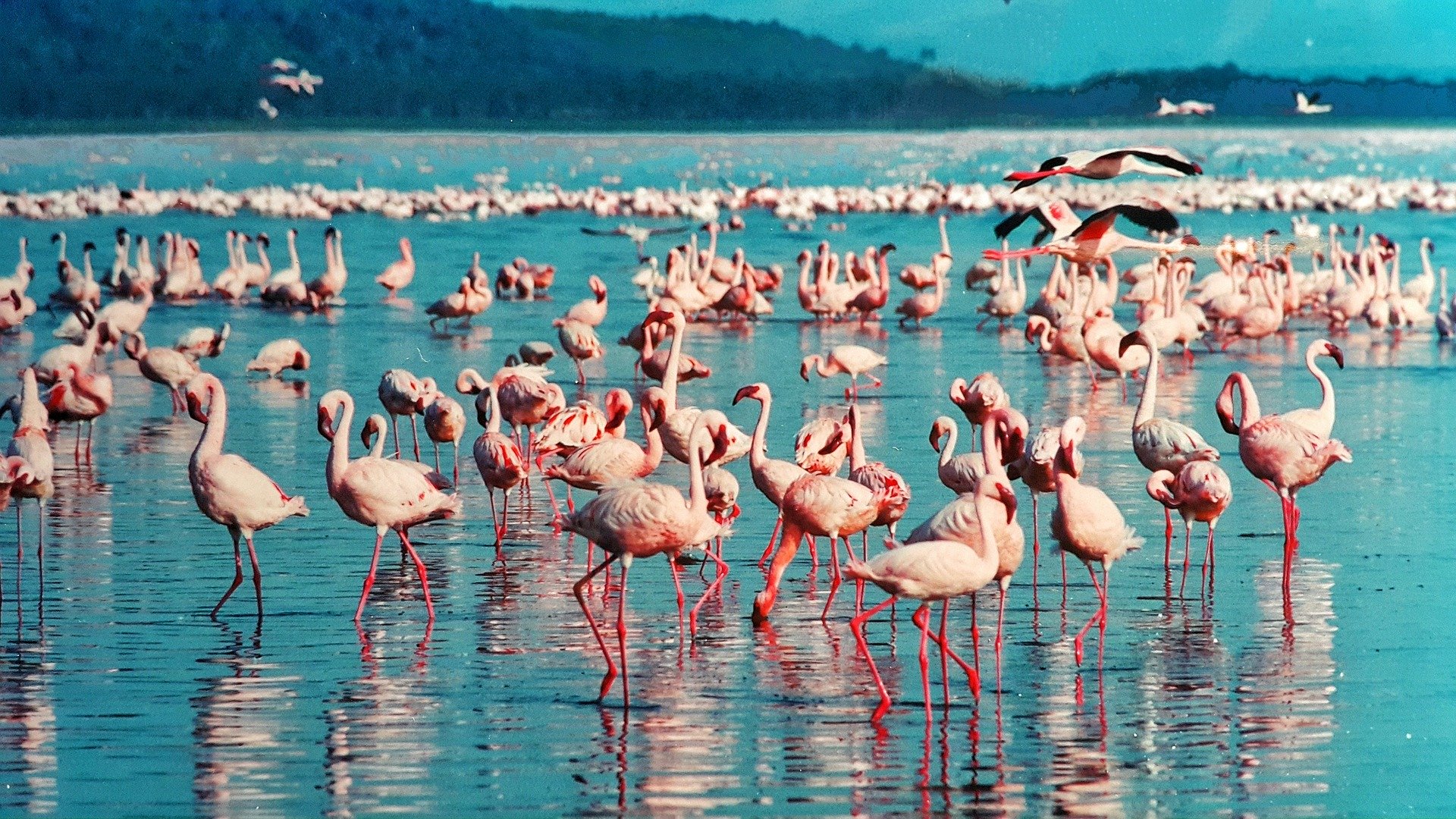
Lake Nakuru has long been associated with large flocks of flamingos that gather along its alkaline shoreline. These striking birds feed on algae and other microscopic organisms found in suitable lake conditions.
There are two main flamingo species associated with the lake:
Lesser flamingos: These are generally smaller, with pink plumage and a distinctive dark-tipped bill. They are particularly adapted to feeding on microscopic algae in alkaline lakes.
Greater flamingos: These are larger birds with paler pink plumage and a characteristic pink bill with a dark tip. They feed on a wider range of small aquatic organisms.
When conditions are favourable, flamingos may gather in impressive numbers, creating a beautiful pink contrast against the blue water and surrounding landscape.
However, flamingo populations fluctuate naturally. Changes in water depth, salinity, food availability, drought, and flooding can cause birds to move between Lake Nakuru and other Rift Valley lakes, including Lake Bogoria and Lake Elmenteita.
Travellers should therefore understand that large flamingo concentrations are not guaranteed on every visit. Even when fewer flamingos are present, the park offers excellent opportunities to see other birds and mammals.
2. Rhino Tracking and Conservation
Lake Nakuru National Park is one of Kenya’s important rhinoceros conservation areas and is particularly well known for protecting both black and white rhinos.
The park’s protected environment and intensive wildlife management have helped make it a valuable destination for visitors hoping to see these endangered animals in the wild.
Black rhinos: Eastern black rhinos are browsers that feed on leaves, shoots, and shrubs. They are generally more elusive than white rhinos and are an important focus of conservation efforts.
White rhinos: These larger animals are mainly grazers and are often seen feeding in open grasslands. Their size and distinctive feeding behaviour make them exciting subjects for wildlife photography.
Lake Nakuru’s conservation programme includes anti-poaching measures, monitoring, and habitat protection. A perimeter fence helps limit unauthorised access and reduce some wildlife-management challenges.
Rhinos are wild animals, and sightings depend on their movements and the conditions during your visit. Always maintain a safe distance and follow your guide’s instructions.
3. Rothschild’s Giraffes
Lake Nakuru National Park is also a notable destination for seeing Rothschild’s giraffes, one of the world’s most threatened giraffe populations.
These giraffes are distinguished by their pale lower legs, which can appear to have white stockings, and their distinctive coat patterns.
Conservation efforts introduced Rothschild’s giraffes into the park in the 1970s to support the protection of this rare population. They have since become one of the park’s signature wildlife attractions.
Visitors may see them browsing on acacia trees, walking across open grasslands, or gathering in small groups. Their height and distinctive appearance make them especially appealing to wildlife photographers.
Other Wildlife in Lake Nakuru National Park
Although flamingos and rhinos receive much of the attention, Lake Nakuru protects a wide variety of mammals and other wildlife.
Lions and Leopards
Lions inhabit the park’s grasslands and woodland areas. They may be spotted resting in the shade or moving through open terrain during game drives.
Leopards are more elusive and are often associated with wooded habitats, where they can rest on branches or move through dense vegetation. Sightings require patience and a knowledgeable guide.
Buffaloes
African buffaloes are commonly associated with the park’s grasslands and woodland edges. They may be encountered grazing in herds or resting near suitable feeding areas.
Zebras and Antelopes
Plains zebras are among the herbivores visitors may encounter during a game drive. Other grazing and browsing animals add to the park’s wildlife diversity and provide opportunities for observing animal behaviour.
Waterbucks and Other Mammals
Waterbucks and other antelope species inhabit parts of the park, particularly areas with suitable grassland and water access. Baboons and other small mammals may also be seen.
Pythons and Other Reptiles
The park’s woodland habitats support reptiles, including large pythons. These snakes are not guaranteed sightings, but they contribute to the area’s ecological diversity.
Birdwatching in Lake Nakuru National Park
Lake Nakuru is an outstanding destination for birdwatchers, with more than 400 bird species recorded in the wider park and lake environment.
The variety of habitats, including open water, shoreline, woodland, and grassland, attracts both resident and migratory birds.
Birds you may encounter include:
-
Lesser and greater flamingos.
-
Great white pelicans.
-
Grey crowned cranes.
-
Herons and egrets.
-
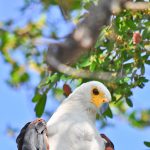
African fish eagles.
-
Storks.
-
Cormorants.
-
Kingfishers and other water-associated species.
The best birdwatching locations depend on water levels, seasonal conditions, and where birds are feeding or nesting. A knowledgeable guide can help identify species and explain their ecological importance.
For visitors interested in combining birdwatching with wildlife photography, Lake Nakuru is a rewarding stop on a Kenya safari.
Things to Do in Lake Nakuru National Park
1. Enjoy a Wildlife Game Drive
Game drives are the main activity in Lake Nakuru National Park. They offer opportunities to look for rhinos, giraffes, zebras, buffaloes, lions, and other animals.
Early morning and late afternoon drives can be particularly rewarding because temperatures are often cooler and wildlife may be more active.
2. Photograph Flamingos and Waterbirds
When flamingos are present in large numbers, the lake provides excellent photographic opportunities. The combination of pink birds, reflective water, and Rift Valley scenery can produce memorable images.
Bring a camera with a suitable zoom lens and follow park rules about where vehicles may stop.
3. Visit Baboon Cliff
Baboon Cliff is one of the park’s well-known viewpoints, offering panoramic views across Lake Nakuru and its surrounding landscape.
It is an excellent place to appreciate the lake’s size, observe the changing shoreline, and take landscape photographs when access conditions permit.
4. Explore Makalia Falls
Makalia Falls is a scenic feature within the park, particularly attractive during and after periods of rainfall. Water flow varies seasonally, so the appearance of the falls depends on recent weather conditions.
A visit can add variety to a safari itinerary, especially for travellers interested in landscapes as well as wildlife.
5. Enjoy Wildlife Photography
Lake Nakuru offers opportunities to photograph large mammals, birds, and landscapes in a relatively compact area. Rhinos grazing in the grasslands, giraffes against acacia trees, and waterbirds along the shoreline are among the possible subjects.
6. Discover the Great Rift Valley Landscape
The park’s rocky ridges, escarpments, wooded hills, and open plains create a varied backdrop for wildlife viewing. Travellers can appreciate how the landscape changes between the lake shore and higher ground during their visit.
Best Time to Visit Lake Nakuru National Park
Lake Nakuru National Park can be visited throughout the year, but the best time depends on your priorities.
June to October: This is generally a drier period in much of Kenya and can provide favourable conditions for game drives, photography, and exploring the park.
January to February: These months are often relatively dry and may offer comfortable conditions for wildlife viewing.
March to May: This is generally a wetter period, with greener vegetation and possible muddy roads. Rainfall can create attractive scenery, although driving conditions may be more challenging.
November to December: Short rains may occur, contributing to fresh vegetation and changing wildlife conditions.
Flamingo numbers cannot be predicted from the season alone. Their presence depends on water quality, food availability, and changing lake conditions.
For travellers whose main priority is seeing rhinos, giraffes, and other mammals, Lake Nakuru can be rewarding in several seasons. For flamingo photography, flexibility is important.
How to Get to Lake Nakuru National Park
By Road from Nairobi
The most common way to reach Lake Nakuru National Park is by road from Nairobi. The drive generally takes around three to four hours, depending on traffic, road conditions, and stops along the way.
The journey passes through parts of Kenya’s Great Rift Valley, providing opportunities to enjoy scenic viewpoints and explore other destinations if your itinerary allows.
By Air
Travellers may explore charter-flight options to airstrips serving the Nakuru area, subject to availability and the operator’s arrangements. Confirm the landing point and onward road transfer before booking, as not every flight option provides direct access to the park.
As Part of a Kenya Safari
Lake Nakuru is frequently combined with other destinations in Kenya’s safari circuit, including the Maasai Mara National Reserve and Lake Naivasha. The exact route depends on your arrival point, travel duration, and preferred activities.
Epic Uganda Vacation can help travellers plan a wider East African journey that includes Kenya alongside Uganda or other regional destinations.
Where to Stay in Lake Nakuru National Park
Accommodation options around Lake Nakuru range from safari lodges and tented camps to hotels in Nakuru city.
Luxury accommodation: Suitable for travellers seeking high-comfort stays, attentive service, and quality dining. Confirm the property’s current facilities and location before booking.
Mid-range lodges and tented camps: A practical choice for visitors looking for comfortable accommodation and convenient access to game drives.
Budget accommodation: Hotels and guesthouses in Nakuru city may offer more affordable options, although transfer times to the park should be considered.
When selecting accommodation, consider whether you prefer to stay inside or near the park, the time required to reach the entrance, your safari schedule, and whether meals and transfers are included.
Lake Nakuru National Park Entry Fees
Park entry fees are set by the Kenya Wildlife Service and may vary according to visitor category, residency status, age, and other applicable conditions.
Before travelling, check the latest official tariff and booking information through the Kenya Wildlife Service. Budget separately for possible accommodation, transport, guide services, meals, and other activities.
Because tariffs can change, confirm the applicable entry fees for your travel dates rather than relying on outdated online prices.
Responsible Tourism and Conservation
Lake Nakuru National Park plays an important role in protecting endangered rhinos, rare giraffes, waterbirds, and wetland habitats.
Visitors can contribute to conservation by following park regulations, keeping a safe distance from wildlife, avoiding litter, and respecting designated roads and viewing areas.
Responsible tourism also means understanding that wildlife conditions change. Flamingo numbers may rise or fall, and sightings of predators and other animals are never guaranteed.
By visiting responsibly, travellers help support the long-term value of protected areas and the communities and conservation programmes connected to tourism.
Combine Lake Nakuru with a Uganda Safari
For travellers planning a wider East African holiday, Lake Nakuru National Park can be combined with Uganda’s extraordinary primate and wildlife experiences.
A customised itinerary may include:
-
Rhino and flamingo viewing in Lake Nakuru National Park.
-
Wildlife game drives in Kenya’s famous savannah reserves.
-
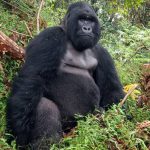
Mountain gorilla trekking in Bwindi Impenetrable National Park.
-
Chimpanzee tracking in Kibale Forest National Park.
-
Wildlife viewing in Queen Elizabeth National Park.
-
Scenic relaxation around Lake Bunyonyi.
A cross-border safari requires careful planning of flights or road transfers, entry requirements, accommodation, and permits for activities such as gorilla trekking.
Epic Uganda Vacation Ltd can help design an itinerary around your travel dates, interests, and budget, combining Kenya’s wildlife highlights with Uganda’s unique primate encounters.
Frequently Asked Questions About Lake Nakuru National Park
1. What is Lake Nakuru National Park famous for?
Lake Nakuru is famous for flamingos, endangered black and white rhinos, Rothschild’s giraffes, and diverse birdlife. It is also recognised for its conservation importance and Great Rift Valley scenery.
2. Are there always flamingos at Lake Nakuru?
No. Flamingo numbers change with water levels, food availability, and environmental conditions. The lake may host large flocks at some times and far fewer birds at others.
3. Can I see rhinos in Lake Nakuru National Park?
Lake Nakuru is one of Kenya’s important rhino sanctuaries and offers good opportunities to see black and white rhinos. However, sightings are not guaranteed.
4. How many days do I need in Lake Nakuru National Park?
One full day can provide a rewarding introduction to the park. Staying overnight or including two days may allow a more relaxed experience with additional game drives and time for birdwatching.
5. What is the best time to visit Lake Nakuru?
The generally drier months, particularly June to October and January to February, can be favourable for wildlife viewing. However, the park is open to visitors throughout the year, and seasonal conditions vary.
6. Is Lake Nakuru National Park part of a UNESCO World Heritage Site?
Yes. Lake Nakuru forms part of the Kenya Lake System in the Great Rift Valley, which was inscribed on the UNESCO World Heritage List in 2011.
7. Can Lake Nakuru be combined with the Maasai Mara?
Yes. Lake Nakuru is commonly included in multi-day Kenya safari itineraries that also visit the Maasai Mara and other destinations in the Great Rift Valley.
Plan Your Lake Nakuru National Park Safari
Lake Nakuru National Park combines spectacular Rift Valley scenery with important conservation areas, diverse birdlife, endangered rhinos, and rare giraffes. Whether you are interested in wildlife photography, birdwatching, or a wider East African safari, the park offers a rewarding experience.
Although the famous flamingo gatherings vary with environmental conditions, Lake Nakuru remains a valuable destination for exploring Kenya’s wildlife and conservation heritage.
Contact Epic Uganda Vacation Ltd to plan a personalised East African safari combining Kenya’s wildlife destinations with Uganda’s gorilla trekking, chimpanzee tracking, and unforgettable landscapes.