How to Get to Masai Mara National Reserve: A Complete Travel Guide
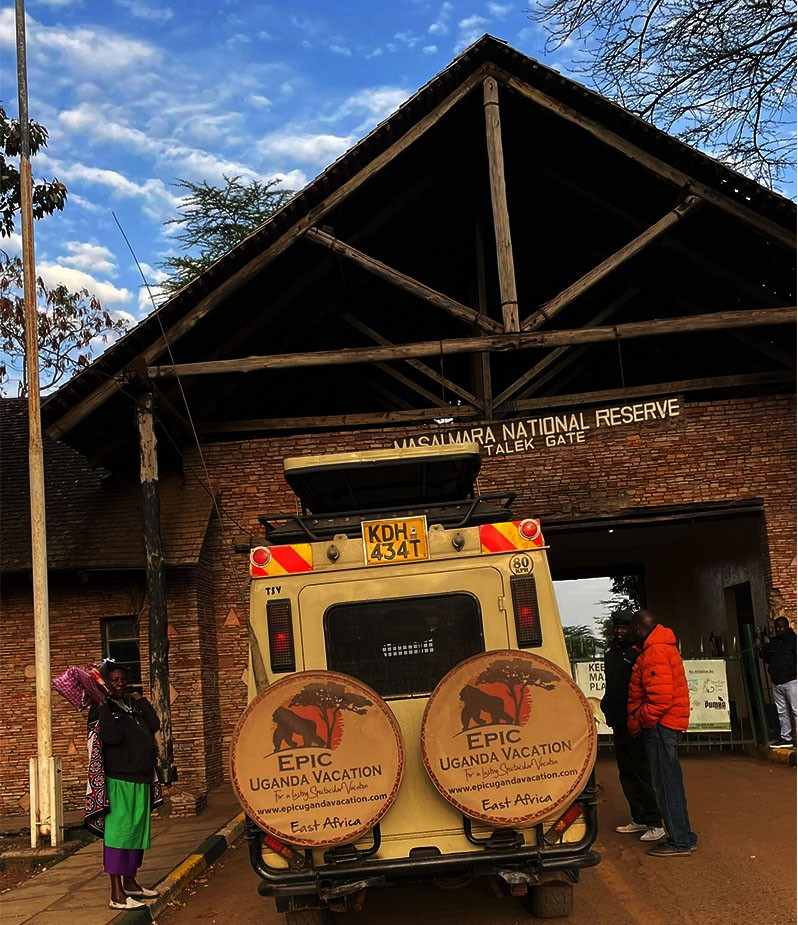
The Masai Mara National Reserve in Kenya is one of Africa’s most famous safari destinations, attracting travellers from around the world who want to experience incredible wildlife, breathtaking landscapes and the spectacular Great Wildebeest Migration. Home to lions, elephants, leopards, cheetahs, buffaloes and thousands of wildebeest, the Masai Mara offers an unforgettable African safari experience.
If you are planning a safari to the Masai Mara, one of the first things to consider is how to get there. Fortunately, the reserve is accessible by both road and air, making it possible to travel from Nairobi, Uganda and other international destinations.
In this guide, Epic Uganda Vacation explains the different ways to get to Masai Mara National Reserve, including flights, road transfers, border crossings, travel times and useful tips to help you plan your safari.
Where Is Masai Mara National Reserve Located?
Masai Mara National Reserve is situated in southwestern Kenya, in Narok County, close to the Tanzania border. It forms part of the greater Mara-Serengeti ecosystem, which extends into Tanzania’s Serengeti National Park.
The reserve is approximately 270 kilometres from Nairobi by road, although the actual distance and travel time depend on your destination within the Mara and the condition of the roads.
The main access points include:
-
- Sekenani Gate
-
- Talek Gate
-
- Oloolaimutia Gate
-
- Musiara Gate
-
- Oloololo Gate
The gate you use will depend on the location of your safari lodge or camp.
1. How to Get to Masai Mara by Road from Nairobi
Travelling by road from Nairobi is one of the most popular ways to reach Masai Mara National Reserve. It is particularly suitable for travellers who want to enjoy Kenya’s countryside and experience a scenic African road trip.
The journey from Nairobi usually takes approximately 5–7 hours, depending on traffic, weather, road conditions and the location of your accommodation.
The Nairobi–Narok–Masai Mara Route
Most road safaris follow this route:
-
- Nairobi City
-
- Mai Mahiu
-
- Narok Town
-
- Sekenani or another reserve access gate
-
- Your safari lodge or tented camp
The first part of the journey takes you through the Great Rift Valley, where you can enjoy beautiful landscapes and, weather permitting, stop for photographs.
After Narok Town, the road continues towards the Masai Mara. Some sections, particularly the final approach to the reserve, can be rough and dusty, especially during the rainy season.
What Vehicle Is Best for the Journey?
A 4×4 safari vehicle is highly recommended, especially during the rainy season when some roads become muddy and difficult to navigate.
Popular safari vehicles include:
-
- 4×4 Toyota Land Cruiser with a pop-up roof.
-
- 4×4 safari Land Cruiser with a photography roof hatch.
-
- 4×4 safari vans, depending on road and weather conditions.
Travelling by road is an excellent choice for families, couples, groups and travellers interested in a longer safari experience.
2. How to Get to Masai Mara by Air
Flying is the fastest and most convenient way to reach Masai Mara National Reserve, particularly for travellers with limited time or those staying at luxury safari lodges.
Domestic flights operate from Nairobi to several airstrips within the greater Masai Mara ecosystem.
Flying from Nairobi to Masai Mara
Flights generally depart from Wilson Airport in Nairobi and connect to airstrips serving different parts of the Masai Mara.
Depending on the airline, schedule and destination airstrip, the flight usually takes approximately 45–60 minutes.
Airstrips serving the Masai Mara include:
-
- Keekorok Airstrip
-
- Ol Kiombo Airstrip
-
- Serena Airstrip
-
- Musiara Airstrip
-
- Kichwa Tembo Airstrip
-
- Mara North Airstrip
After landing, your safari lodge or camp will normally arrange a transfer from the airstrip.
Airlines Flying to Masai Mara
Several scheduled and charter flight operators serve the Masai Mara, with availability depending on the season and route.
Travellers should check current flight schedules, baggage restrictions and departure airports before booking.
Flying offers spectacular aerial views of Kenya’s landscapes and allows you to spend more time enjoying game drives rather than travelling by road.
3. How to Get to Masai Mara from Uganda
For travellers visiting Uganda who also want to experience Kenya’s famous wildlife destination, combining Uganda and Kenya into one East African safari is an excellent option.
There are two main ways to travel from Uganda to Masai Mara.
Option A: Fly from Entebbe to Nairobi
The easiest option is to fly from Entebbe International Airport to Jomo Kenyatta International Airport in Nairobi.
On arrival in Nairobi, you can:
-
- Transfer to Wilson Airport for a domestic flight to Masai Mara.
-
- Arrange a private 4×4 road transfer to the reserve.
-
- Spend a night in Nairobi before continuing your safari.
Direct flights between Entebbe and Nairobi are available on selected schedules, but travellers should confirm current operating times and fares before departure.
This option is recommended for visitors who want to combine a Uganda gorilla trekking experience with a Kenyan wildlife safari.
Option B: Travel by Road from Uganda to Kenya
Travelling from Uganda to Masai Mara by road is another possibility, especially for travellers planning an extended East African road safari.
A typical route is:
Kampala – Jinja – Busia or Malaba Border – Eldoret – Nakuru – Narok – Masai Mara.
The journey involves crossing from Uganda into Kenya through an authorised border crossing.
Important considerations include:
-
- Carry a valid passport.
-
- Check visa and entry requirements for Kenya.
-
- Confirm that your vehicle is authorised for cross-border travel.
-
- Arrange the necessary vehicle insurance and documentation.
-
- Allow sufficient time for immigration and customs procedures.
This route is best suited to travellers who enjoy road trips and want to explore multiple destinations in East Africa.
4. How to Get to Masai Mara from Other International Destinations
International visitors generally travel to Kenya through Jomo Kenyatta International Airport (NBO) in Nairobi.
Nairobi is Kenya’s main international aviation gateway and offers connections from numerous international destinations.
Once you arrive in Nairobi, you can continue to Masai Mara by:
-
- Taking a scheduled domestic flight from Wilson Airport.
-
- Booking a private safari vehicle.
-
- Joining an organised Kenya safari package.
If you are arriving from Europe, North America, Asia or other African countries, it is advisable to allow sufficient connecting time between your international arrival and domestic flight.
5. How Much Does It Cost to Get to Masai Mara?
The cost of travelling to Masai Mara depends on your chosen transport method, season, accommodation and safari package.
Generally, flying is more expensive than travelling by road, but it saves considerable time.
Factors that influence the overall cost include:
-
- Domestic flight tickets.
-
- Private safari vehicle hire.
-
- Fuel and road transfers.
-
- Accommodation and meals.
-
- Park entry fees.
-
- Airport transfers.
-
- Guided game drives.
For an accurate quotation, compare a complete safari package rather than transport costs alone. Some safari packages include accommodation, meals, transfers and game drives, making them more convenient for international visitors.
6. Best Time to Travel to Masai Mara
Masai Mara can be visited throughout the year, with each season offering different wildlife experiences.
July to October – Great Wildebeest Migration
This is the most famous safari season. Large herds of wildebeest and zebras move into the Mara from Tanzania’s Serengeti, and dramatic river crossings may occur along the Mara and Talek rivers. The timing and location of crossings are unpredictable.
January to March – Excellent Wildlife Viewing
These months can offer excellent opportunities to spot resident wildlife, including big cats. The landscape is often relatively dry, making some animals easier to locate.
April to June – Green Season
This period brings greener landscapes, fewer visitors in some areas and excellent opportunities for photography. Rainfall can affect road conditions.
November to December – Short Rains and Wildlife Viewing
The reserve remains rewarding for wildlife viewing, with lush scenery and generally fewer visitors than during peak migration months.
7. Important Travel Tips Before Visiting Masai Mara
Before travelling to Masai Mara National Reserve, consider the following practical tips:
-
- Book your accommodation early, particularly if travelling between July and October.
-
- Choose a safari lodge or camp close to the area you want to explore.
-
- Carry comfortable clothing suitable for warm days and cool mornings.
-
- Pack sunscreen, sunglasses, a hat and insect repellent.
-
- Bring binoculars and a camera for wildlife photography.
-
- Check the weather forecast before travelling.
-
- Confirm your park entry arrangements and applicable conservation fees.
-
- If flying, check luggage weight and size restrictions with your airline.
-
- Travel with an experienced safari guide who understands the reserve and its wildlife.
8. Can You Combine Masai Mara with a Uganda Safari?
Absolutely! Combining Masai Mara with a Uganda safari is one of the best ways to explore East Africa.
Uganda offers unique wildlife experiences, including mountain gorilla trekking in Bwindi Impenetrable National Park, chimpanzee tracking in Kibale Forest National Park, game drives in Queen Elizabeth National Park and boat safaris along the Kazinga Channel.
A combined Uganda and Kenya safari can include:
-
- Gorilla trekking in Bwindi Impenetrable National Park.
-
- Wildlife viewing in Queen Elizabeth National Park.
-
- Chimpanzee tracking in Kibale Forest.
-
- A flight or transfer to Nairobi.
-
- Big Five wildlife safaris in Masai Mara.
-
- Opportunities to witness the Great Wildebeest Migration during the migration season.
Such an itinerary is ideal for international travellers looking for a diverse African holiday combining primates, savannah wildlife and breathtaking landscapes.
Conclusion: Plan Your Masai Mara Safari with Epic Uganda Vacation
Getting to Masai Mara National Reserve is relatively straightforward, whether you choose to travel by road from Nairobi, fly directly to one of the reserve’s airstrips or combine your visit with an exciting Uganda safari.
Flying is ideal for travellers seeking convenience and saving time, while travelling by road offers a more scenic and adventurous experience.
If you are planning an East African safari, Epic Uganda Vacation can help you organise an unforgettable journey combining Uganda’s incredible wildlife experiences with Kenya’s world-famous Masai Mara.
Contact Epic Uganda Vacation today to start planning your Uganda and Kenya safari adventure!