Grumeti, Tanzania: Complete Guide to Wildlife, the Great Migration and Luxury Safaris
Grumeti is one of Tanzania’s most remarkable safari destinations, known for its vast savannahs, abundant wildlife, and dramatic river crossings during the Great Wildebeest Migration. Located in the western corridor of Serengeti National Park, the Grumeti region offers an exceptional opportunity to experience Africa’s wilderness away from some of the busier safari areas.
From large herds of wildebeest and zebra to lions, leopards, elephants, and crocodiles, Grumeti offers an unforgettable wildlife experience. Its remote location, exclusive safari camps, and spectacular landscapes make it particularly appealing to travelers seeking an authentic African safari with excellent wildlife viewing.
Whether you are planning a Tanzania safari for the first time, photographing wildlife, or combining the Serengeti with Ngorongoro Crater and Tarangire National Park, this guide explains everything you need to know about visiting Grumeti.
Where Is Grumeti in Tanzania?
Grumeti is situated in the western corridor of Serengeti National Park, in northern Tanzania. The region takes its name from the Grumeti River, which flows through the Serengeti ecosystem and plays an important role in the annual wildebeest migration.
The western corridor features open grasslands, wooded areas, riverine forests, and seasonal water sources that support a wide variety of wildlife. The Grumeti River is particularly famous during the migration season, when enormous herds of wildebeest and zebra move through the area and face the challenge of crossing crocodile-inhabited waters.
Grumeti is also associated with the private Grumeti Reserves, a conservation area bordering the western side of Serengeti National Park. Visitors should distinguish between the wider Grumeti region and specific private concessions, as access rules, activities, and accommodation options may differ.
For safari travelers, Grumeti offers a different perspective on the Serengeti, combining remarkable wildlife encounters with a more remote and exclusive atmosphere.
Why Visit Grumeti on a Tanzania Safari?


Grumeti is an excellent destination for travelers who want to experience the Serengeti’s wildlife, landscapes, and migration season in a quieter setting.
Some of the main reasons to visit include:
- The Great Wildebeest Migration: Witness enormous herds moving through the western Serengeti, particularly around the main migration season.
- River-crossing drama: During suitable conditions, wildebeest and zebra may cross the Grumeti River, where large Nile crocodiles live.
- Big Five wildlife: The wider ecosystem supports lions, leopards, elephants, buffaloes, and rhinoceroses, although sightings of every species are never guaranteed.
- Excellent photography: Open plains, dramatic skies, riverine habitats, and large herds create rewarding photographic opportunities.
- Exclusive safari experiences: Selected private concessions offer guided game drives and activities that may not be available under the same conditions in the national park.
- Remote wilderness: Grumeti can provide a more secluded safari atmosphere than some of the Serengeti’s busiest areas.
For visitors planning a longer Tanzania safari, Grumeti can be combined with the central Serengeti, northern Serengeti, Ngorongoro Conservation Area, and Tarangire National Park.
The Great Wildebeest Migration in Grumeti

The Great Wildebeest Migration is the main attraction for many visitors to Grumeti. Every year, enormous herds of wildebeest, accompanied by zebras and other herbivores, travel through the Serengeti ecosystem in search of fresh grazing and water. The migration follows seasonal rainfall rather than a fixed calendar.
As the herds move north and west from the southern Serengeti, many pass through the western corridor, where they encounter the Grumeti River. Deep pools inhabited by large Nile crocodiles make this section of the migration particularly fascinating.
When does the migration reach Grumeti?
The main period to consider is May to July, with June often a particularly attractive month to plan a safari around the western corridor. However, the timing varies from year to year, and not every herd crosses the river at the same time.
| Month | What to expect in Grumeti |
|---|---|
| January–February | Resident wildlife and the wider Serengeti’s southern calving-season activity; the main migration may be elsewhere. |
| March–April | Herd movements begin shifting north and west as seasonal conditions change. |
| May | Herds may start arriving in the western corridor; early river crossings are possible. |
| June | A strong period to target the western corridor and potential Grumeti River crossings. |
| July | Some herds may remain in the west while others continue north toward the Mara River region. |
| August–October | The migration is generally more associated with the northern Serengeti and Kenya’s Maasai Mara, although wildlife movements vary. |
| November–December | Herds often move back toward the southern Serengeti as the short rains influence grazing conditions. |
These are broad seasonal patterns, not guaranteed wildlife sightings. Check recent herd locations before booking a migration-focused safari.
Tanzania Safaris
Are Grumeti River crossings guaranteed?
No. Although the Grumeti River is associated with the migration’s western phase, river crossings are unpredictable. Herds may approach the water, wait for hours, change direction, or cross at a different location. Some may cross without the dramatic scenes visitors hope to photograph.
The Grumeti crossings are also different from those of the Mara River. Crossings along the Grumeti can be more dispersed, making patience, a knowledgeable safari guide, and a well-positioned camp especially important.
Safari tip: If witnessing a river crossing is your main goal, plan at least three nights in the western Serengeti during the likely migration period. Even with a longer stay, no operator can guarantee a crossing on a particular day.
Wildlife to See in Grumeti

Grumeti’s mixture of open plains, woodland, riverbanks, and forest patches supports a diverse range of African wildlife. The migration attracts attention, but the region is rewarding even when the herds are elsewhere.
Lions
Lions are among the most sought-after animals in Grumeti. They can be seen resting in the shade, moving through the grasslands, or hunting plains game. Their presence becomes particularly noticeable around areas with abundant prey.
Leopards
Leopards inhabit the wider Serengeti ecosystem and may be encountered in wooded habitats and along riverine vegetation. Because they are elusive and often rest in trees or thick cover, sightings depend on luck and the guide’s experience.
African elephants
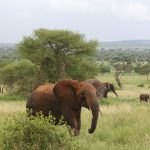
Elephants move through the region in search of food and water. Their movements between woodland, open country, and riverine habitats provide excellent opportunities for wildlife observation and photography.
Buffaloes
African buffaloes may gather in large herds or smaller groups. They are an important prey species for lions and contribute to the western Serengeti’s dynamic predator-prey relationships.
Nile crocodiles and hippopotamuses
The Grumeti River is known for its crocodiles, which inhabit deeper pools along the river. Hippopotamuses also live in suitable stretches of the river, making the waterways interesting places to observe wildlife from a safe distance.
Cheetahs, hyenas, and other plains wildlife
The wider Serengeti supports cheetahs, spotted hyenas, giraffes, topi, gazelles, and many other mammals. Birdwatchers can also look for eagles, vultures, ostriches, secretarybirds, and numerous savannah and woodland species.
The Big Five are present across the greater Serengeti ecosystem, but a sighting of every member, particularly the rhinoceros, should never be assumed during a short visit to Grumeti.
Best Things to Do in Grumeti


Grumeti offers more than the opportunity to watch migrating herds. Depending on where you stay and the rules of the area, visitors can enjoy several memorable safari activities.
1. Go on a guided game drive
Game drives are the main activity for most visitors. Early mornings and late afternoons often provide comfortable temperatures and excellent opportunities to observe active wildlife.
A good guide will interpret animal behaviour, identify tracks, and explain how seasonal changes affect wildlife movements. During migration season, your guide can also help locate herds and assess whether they are approaching a river crossing.
2. Experience the Great Migration
If you visit between May and July, consider staying close to the western corridor rather than choosing accommodation solely for its price or luxury level. A strategically located camp can reduce time spent driving to wildlife areas.
Remember that the migration is a natural event. Your experience will depend on rainfall, grazing conditions, herd movements, and the location of your accommodation.
3. Take a hot-air balloon safari
A balloon safari, where available and permitted, offers an aerial perspective of the Serengeti’s vast landscapes. At sunrise, you may see wildlife moving across the plains before landing for a breakfast experience.
Confirm the launch location, availability, and additional cost with your safari operator before booking, as balloon operations are not offered from every camp or concession.
4. Enjoy a walking safari
Guided walking safaris provide an opportunity to explore smaller details often missed from a vehicle, including animal tracks, insects, plants, and birdlife.
Walking activities are subject to local regulations, the presence of qualified guides and rangers, and the specific concession’s rules. Confirm that your chosen camp offers this experience.
5. Enjoy a sundowner in the wilderness
After an afternoon game drive, some lodges arrange sundowners at approved locations. Watching the sunset over the savannah with the sounds of the African bush nearby can be a memorable part of your safari.
6. Photograph wildlife and landscapes
Grumeti is well suited to wildlife photography, from migrating herds and predators to elephants silhouetted against the sunset. A telephoto lens is useful for distant animals, while a wider lens helps capture landscapes and the scale of the migration.
Always follow your guide’s instructions and maintain a respectful distance from wildlife.
Best Accommodation in Grumeti
Accommodation is an important part of planning a Grumeti safari. The region offers high-end tented camps, exclusive safari lodges, and seasonal camps designed to follow the movement of the Great Migration.
Your ideal choice depends on your travel budget, preferred level of comfort, and the wildlife experience you want. For migration-focused trips, location and seasonal operating dates can matter as much as the lodge itself.

1. Singita Sasakwa Lodge
Luxury safari lodge
Singita Sasakwa is known for its elegant lodge design, spacious private cottages, sweeping Serengeti views, and high-end safari hospitality. It suits travelers seeking an exclusive safari with premium accommodation and personalized service.
Best for: honeymooners, luxury travelers, and private safari experiences.

2. Singita Faru Faru Lodge
Contemporary luxury
Faru Faru offers a contemporary safari atmosphere, open views, stylish interiors, and access to wildlife-rich areas within the reserve. It is an option for visitors who appreciate modern design combined with close connections to nature.
Best for: luxury wildlife photography, couples, and discerning safari travelers.

3. Singita Sabora Tented Camp
Luxury tented safari
Sabora combines the atmosphere of a tented safari with refined facilities and personalized service. Its design emphasizes the surrounding wilderness while offering a comfortable base for game drives.
Best for: travelers who want a sophisticated tented safari rather than a conventional hotel.

4. Grumeti Hills
Comfortable safari lodge
Grumeti Hills offers a lodge-based experience in the wider Grumeti area, with game drives and selected activities such as guided walks and night safaris, subject to the property’s operating arrangements.
Best for: travelers seeking a comfortable safari base and activities beyond conventional game drives.

5. TAASA Migration Camp
Seasonal migration camp
Mobile migration camps are designed to place guests closer to the herds during particular periods of the year. TAASA has operated seasonally in the Grumeti region, so confirm its current location and dates before planning your trip.
Best for: travelers prioritizing migration viewing and a seasonal tented safari.
Accommodation locations, operating seasons, activities, and rates can change. Check directly with each property before confirming a booking. Singita’s lodges are associated with the private Grumeti Reserve, while other properties may operate under different access arrangements.
Is Grumeti suitable for budget safaris?
Grumeti is often associated with luxury and exclusive safari experiences, particularly in private reserve areas. Travelers working with a tighter budget may find it more practical to stay in other parts of the Serengeti and visit the western corridor if their itinerary and park access arrangements make this feasible.
When comparing prices, consider the full package: accommodation, park and reserve fees, game drives, transfers, meals, and flights. A lower nightly rate does not always translate into a lower overall safari cost.
For budget and mid-range travelers, an experienced Tanzania safari operator can compare the cost of staying in Grumeti with alternatives in central Serengeti, taking seasonal wildlife movements into account.
Best Time to Visit Grumeti
The best time to visit Grumeti depends on your interests. Travelers hoping to see the Great Migration generally focus on the May-to-July period, while those interested in resident wildlife, birdlife, and landscapes can consider other months.
| Travel period | Main advantage | What to consider |
|---|---|---|
| May–July | Potential migration concentrations and river crossings | Herd movements and crossing dates vary |
| June–October | Often drier conditions and good general game viewing | This is a popular safari period, and prices may be higher |
| November–December | Seasonal rains and changing landscapes | The herds may be moving toward the southern plains |
| January–February | Green scenery and excellent wider Serengeti wildlife opportunities | The main calving areas are generally farther south |
The dry season often makes wildlife easier to spot around remaining water sources and across shorter grass. During wetter months, greener landscapes and migratory bird activity can add a different dimension to the experience.
For the best migration-focused itinerary, ask your operator to check current herd reports and match your accommodation to the expected location of the animals. A well-planned safari follows the wildlife rather than relying on fixed dates alone.
How to Get to Grumeti
Grumeti can be reached by road or by light aircraft, depending on the accommodation and the part of the western Serengeti you intend to visit.
By air
Flying is often the most convenient option for travelers staying at remote camps. Scheduled or chartered light aircraft services may connect safari hubs with airstrips serving the western Serengeti and surrounding reserves.
Your lodge or safari operator should confirm the most appropriate airstrip, transfer arrangements, baggage limits, and flight schedule before tickets are issued.
By road
A road safari can connect Grumeti with other northern Tanzania destinations, including central Serengeti and the Ngorongoro Conservation Area. However, driving times can be substantial, particularly when the route includes wildlife viewing and stops inside national parks.
If you are traveling from Arusha, discuss the route with your operator before choosing between a road transfer and a fly-in safari. The best option depends on your itinerary, budget, and the location of your camp.
Can Grumeti be combined with the Maasai Mara?
Yes. Grumeti and Kenya’s Maasai Mara National Reserve are part of the wider Serengeti–Mara ecosystem, and a cross-border safari can combine wildlife experiences in both countries.
However, the two destinations are in different countries, so you must account for immigration requirements, border logistics, park fees, and the cost of transfers or flights. They also offer different migration viewing opportunities at different times of the year.
If your main goal is to witness the migration, plan around the expected herd location rather than assuming the same wildlife spectacle will be available in both areas on the same dates.
3-Day Grumeti Safari Itinerary
A three-day stay gives you time to explore the western Serengeti, search for resident wildlife, and look for migrating herds when they are in the area.

Day 1: Arrival in Grumeti
Arrive by road or light aircraft, transfer to your lodge or tented camp, and enjoy an afternoon game drive. Search for elephants, giraffes, antelopes, and predators before returning for dinner.

Day 2: Full-day wildlife safari
Spend the day exploring wildlife-rich areas with a local guide. During migration season, focus on herd movements and potential river-crossing locations. Pack a picnic lunch to maximize time in the field.

Day 3: Morning game drive and departure
Enjoy an early morning game drive before breakfast, then transfer to the airstrip or continue by road to your next destination.
Tour operator’s recommendation: If you are traveling specifically for the Great Migration, consider four nights or more when your budget allows. This provides additional opportunities to locate the herds, although no duration guarantees a river crossing.
Practical Tips for Planning a Grumeti Safari
Before booking your trip, consider these practical points:
- Book early: Popular camps, particularly luxury properties and seasonal migration camps, may have limited availability during peak periods.
- Choose accommodation strategically: Check how far your camp is from the areas you intend to explore and which access rules apply.
- Pack appropriate clothing: Neutral-colored clothing, a light jacket for cool mornings, comfortable shoes, sunscreen, and a hat are useful.
- Bring binoculars: They help you observe distant animals and birds without disturbing them.
- Carry camera equipment: A telephoto lens is useful for wildlife photography, and spare batteries are valuable on long game drives.
- Allow enough time: Avoid packing too many destinations into a short itinerary. Long transfers can reduce the time available for wildlife viewing.
- Confirm all fees: Request a written quotation detailing accommodation, park and reserve fees, transfers, meals, activities, and any domestic flights.
- Travel responsibly: Follow your guide’s instructions, maintain a safe distance from wildlife, and respect conservation rules.
Frequently Asked Questions About Grumeti
1. What is Grumeti famous for?
Grumeti is famous for its section of the Great Wildebeest Migration, potential river crossings, crocodile-inhabited waters, and wildlife-rich landscapes in the western Serengeti ecosystem.
2. What is the best month to visit Grumeti?
June is a popular month to target the western corridor for migration viewing. May and July can also be rewarding, depending on rainfall and the movement of the herds. River crossings are never guaranteed.
3. Is Grumeti part of Serengeti National Park?
The Grumeti River runs through the western corridor of Serengeti National Park, but Grumeti Game Reserve and the private Grumeti Reserve are distinct protected or managed areas with their own access arrangements. It is important to confirm which area your accommodation is located in.
4. Can I see the Big Five in Grumeti?
The wider Serengeti ecosystem supports lions, leopards, elephants, buffaloes, and rhinoceroses. However, sightings of all five animals are not guaranteed, and rhinoceroses are particularly difficult to encounter.
5. How many nights should I spend in Grumeti?
Two to three nights can provide a worthwhile wildlife experience. If your main goal is the Great Migration or a possible river crossing, three to four nights or longer may offer more flexibility.
6. Is Grumeti suitable for a honeymoon safari?
Yes. Its remote setting, luxury lodges, private safari experiences, and opportunities for wildlife photography make it an appealing honeymoon destination. Consider a combination of Grumeti and another Tanzanian destination for a varied itinerary.
7. Is Grumeti better than the northern Serengeti?
Neither is universally better. Grumeti is worth considering for the migration’s western phase and a potentially quieter safari atmosphere. The northern Serengeti is often preferred by travelers targeting Mara River crossings later in the season. The best choice depends on your travel dates and wildlife priorities.
8. Is Grumeti worth visiting outside migration season?
Yes. Resident wildlife, riverine habitats, birdlife, and scenic landscapes make the region appealing outside the main migration period. However, travelers should choose their accommodation and activities based on the season and local conditions.
Plan Your Grumeti Safari in Tanzania
Grumeti is a remarkable destination for travelers who want to explore a less familiar part of the Serengeti ecosystem. From the movement of migrating wildebeest to elephants crossing the plains and crocodiles resting along the river, the region offers a compelling combination of wildlife, wilderness, and adventure.
The key to a successful Grumeti safari is choosing the right travel dates, staying in a suitable location, and allowing enough time to explore. If you are planning a wider Tanzania holiday, consider combining Grumeti with central Serengeti, Ngorongoro Crater, or Tarangire National Park for a more varied wildlife experience.
With careful planning and an experienced local safari operator, Grumeti can become one of the highlights of your East African journey.