Lake Bisina, Uganda: Birdwatching, Shoebills and Fox’s Weaver in Eastern Uganda
Lake Bisina is one of Uganda’s most fascinating freshwater wetlands, offering exceptional birdwatching opportunities, beautiful natural scenery and a glimpse into the traditional livelihoods of communities in eastern Uganda. Located in the Teso region, between Kumi and Soroti, this shallow freshwater lake is an important part of the Lake Kyoga Basin and a destination worth considering for specialist birdwatchers and nature enthusiasts.
Unlike Uganda’s more developed safari destinations, Lake Bisina offers a quieter experience centred on papyrus swamps, wetland birds, fishing communities and relatively undisturbed landscapes. It is particularly significant for visitors hoping to find Fox’s Weaver, a bird endemic to Uganda, as well as the shoebill and other wetland specialists. The lake and its surrounding wetlands are recognised internationally for their ecological importance.
Whether you are planning a dedicated Uganda birding safari or extending a trip through eastern Uganda, Lake Bisina offers a rewarding opportunity to explore a lesser-known side of the country’s biodiversity.
Where Is Lake Bisina Located?
Lake Bisina is situated in eastern Uganda, approximately 15 kilometres north of Kumi town and 20 kilometres east of Soroti, although actual travel distances depend on the route and access point.
The lake lies within the Lake Kyoga Basin and is surrounded by extensive papyrus swamps, seasonally flooded grasslands and other wetland habitats. It is connected to the wider Lake Kyoga wetland system, with its hydrology influenced by seasonal rainfall, floodplains and surrounding waterways. During periods of high water, it can become connected with nearby Lake Opeta through wetland areas.
Its location makes Lake Bisina a useful addition to an eastern Uganda itinerary that includes Soroti, Kumi, Mount Elgon, Sipi Falls or Pian Upe Wildlife Reserve.
Why Visit Lake Bisina?
Lake Bisina is best known for its biodiversity and importance as a wetland habitat rather than for conventional mass tourism.
The main reasons to visit include:
- Searching for Fox’s Weaver, Uganda’s endemic bird species.
- Looking for the shoebill and other wetland birds.
- Exploring papyrus swamps and seasonally flooded grasslands.
- Observing traditional fishing activities and lakeside livelihoods.
- Learning about wetland conservation and freshwater ecosystems.
- Adding a specialist birding destination to an eastern Uganda safari.
The area has limited visitor infrastructure compared with Uganda’s established national parks. Travellers should therefore plan access, guides, transport and any canoe excursions in advance. 1. Birdwatching at Lake Bisina
Birdwatching is the principal attraction for many visitors to Lake Bisina. Its combination of open water, papyrus fringes, shallow wetlands and seasonally flooded grasslands supports a variety of resident and migratory bird species.
The lake is particularly interesting for birders seeking species associated with specialised wetland habitats.
Fox’s Weaver
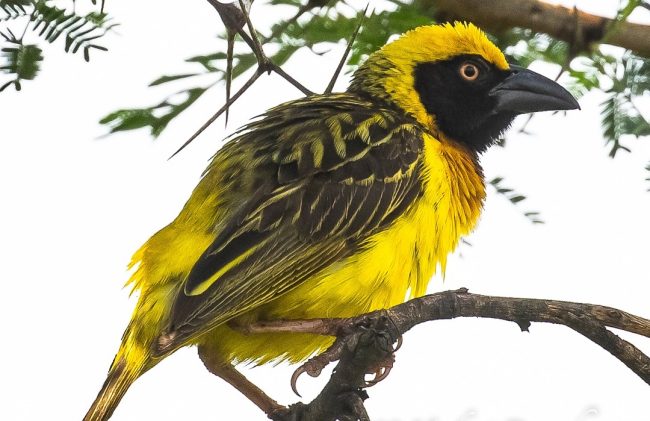
Fox’s Weaver (Ploceus spekeoides) is the principal birding attraction at Lake Bisina. It is endemic to Uganda, meaning that its natural global range is restricted to the country.
The species is associated with seasonally flooded wetlands in eastern Uganda, including the Bisina–Opeta wetland system. Its restricted distribution makes the region particularly important for birdwatchers interested in Uganda’s unique biodiversity.
Finding Fox’s Weaver can require patience and local expertise. The birds’ movements and breeding activity are influenced by wetland conditions, so a knowledgeable guide can help identify suitable locations and improve the chances of a sighting.
Shoebill
The shoebill (Balaeniceps rex) is another important species associated with the Lake Bisina wetland system.
This distinctive bird inhabits suitable wetland environments where it searches for fish and other prey. Its large bill, tall stature and distinctive appearance make it one of Africa’s most sought-after bird species.
Although the shoebill is recorded in the area, sightings are not guaranteed. Visitors should allow sufficient time for birdwatching and work with a guide familiar with the local wetlands.
Travellers interested in increasing their chances of seeing a shoebill can also consider Mabamba Bay near Entebbe or the Nile Delta in Murchison Falls National Park as part of a wider Uganda birding itinerary.
Other Birds to Look For
Depending on habitat, season and water levels, birdwatchers may encounter:
- African jacana
- Goliath heron
- Pied kingfisher
- Malachite kingfisher
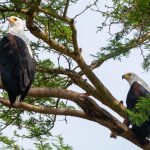
- African fish eagle
- Yellow-billed stork
- African openbill
- Egrets and other herons
- Cormorants and other waterbirds
- Additional species associated with papyrus and flooded grassland
The precise species list varies between locations around the lake and the wider wetland system. Specialist birdwatchers should consult a local guide when preparing a target-species list.
2. Explore the Papyrus Swamps and Wetlands
The papyrus swamps surrounding Lake Bisina are among the most important features of its landscape.
Papyrus and other aquatic vegetation provide shelter and breeding habitat for birds, support aquatic food webs and help maintain the ecological functions of the wetland. Shallow areas also support water lilies and other aquatic plants.
The lake’s wetland vegetation contributes to fish habitat, nutrient cycling and the wider freshwater ecosystem. These features make Lake Bisina valuable not only for tourism but also for conservation and local livelihoods.
Visitors exploring the wetland margins should use established access routes where available and avoid trampling vegetation or disturbing nesting birds.
3. Experience Traditional Fishing Communities
Fishing is an important livelihood for communities around Lake Bisina. The lake also provides water and other resources used by surrounding households.
A visit may offer opportunities to observe local fishing activities, learn about the importance of the lake to the Teso region and understand how wetland resources contribute to household incomes and food security.
Depending on local arrangements, visitors may be able to organise a guided visit to a lakeside settlement or speak with local fishers about their work.
Any community visit should be arranged respectfully, with permission and appropriate payment where local guides or community members provide services.
4. Photography at Lake Bisina
Lake Bisina offers interesting photographic opportunities for birdwatchers, nature photographers and travellers interested in rural landscapes.
The most rewarding subjects include birds along the papyrus margins, reflections on the water, traditional fishing activities and the changing appearance of seasonally flooded grasslands.
For bird photography, a telephoto lens is useful, while binoculars help locate birds before attempting photographs.
Early mornings are often a practical choice because temperatures are generally cooler and bird activity can be rewarding. However, wildlife movements and lighting conditions vary, so flexibility is important.
Photographers should avoid approaching nests too closely or disturbing birds to obtain a photograph.
5. Lake Bisina as a Ramsar Wetland
Lake Bisina is internationally recognised as part of the Lake Bisina Wetland System, designated a Ramsar Site on 15 September 2006.
The designated wetland covers approximately 54,229 hectares and is recognised for its ecological importance, including its freshwater habitats, aquatic vegetation and birdlife. It is also identified as an Important Bird Area.
Its conservation value extends beyond birdwatching. The wetland supports fish populations, provides resources for surrounding communities and helps maintain important ecological processes.
Conservation Challenges
Like many wetlands in Uganda, the Lake Bisina system faces pressures associated with land use and resource demand.
Potential challenges include:
- Conversion of wetland areas for cultivation.
- Grazing and disturbance of sensitive habitats.
- Sedimentation resulting from catchment degradation.
- Pressure on fisheries and other wetland resources.
- Habitat changes affecting birds with restricted distributions.
Protecting the lake requires balancing biodiversity conservation with the needs of local communities who depend on its resources.
Responsible visitors can contribute by hiring local guides, respecting access arrangements, avoiding litter and supporting tourism practices that benefit surrounding communities.
6. Best Time to Visit Lake Bisina
Lake Bisina can be visited throughout the year, but seasonal changes influence bird movements, wetland access and the condition of the surrounding roads.
The rainy seasons can transform the flooded grasslands and create conditions that are favourable for certain wetland species, including Fox’s Weaver. However, access may become more difficult when roads are wet.
Drier periods can make travel easier, although changes in water levels may affect the distribution of birds and the accessibility of particular wetland habitats.
For specialist birdwatching, the best approach is to plan around your target species rather than relying on a single fixed season. Consult a local birding guide before travelling to determine recent sightings and the most suitable access points.
7. How to Get to Lake Bisina
Lake Bisina is accessible by road from towns in eastern Uganda, particularly Kumi and Soroti.
Travellers coming from Kampala or Entebbe can arrange a road transfer to the region, then continue to a suitable lakeside access point with a driver or guide familiar with the local roads.
Because the area has limited tourism infrastructure, it is advisable to arrange transport and guiding before departure. Do not assume that there will be a regular tourist boat service, visitor centre or marked birding trail at the lake.
For those visiting specifically for Fox’s Weaver, local knowledge of access roads, wetland conditions and recent bird activity can be especially valuable.
8. Combine Lake Bisina with Other Eastern Uganda Destinations
Lake Bisina can form part of a broader itinerary through eastern Uganda.
Lake Opeta
Lake Opeta is a neighbouring wetland destination associated with the same wider ecological system. It offers additional opportunities to explore wetland habitats and search for specialist bird species.
Visiting both lakes can be particularly useful for dedicated birdwatchers seeking Fox’s Weaver and other wetland birds. Mount Elgon National Park
Mount Elgon offers a contrasting landscape of forest, mountain slopes, waterfalls and high-altitude hiking. A visit can complement Lake Bisina’s wetland birding with montane habitats and scenic outdoor activities.
Sipi Falls
Sipi Falls is known for its waterfalls, hiking trails, viewpoints and surrounding coffee-growing communities. It is a good addition for travellers seeking landscapes and cultural experiences after birdwatching in eastern Uganda.
Pian Upe Wildlife Reserve
Pian Upe offers a different wildlife experience, with open landscapes and opportunities to explore one of Uganda’s less-visited protected areas. Conditions and wildlife sightings vary, so activities should be planned with an experienced local operator.
9. Suggested Three-Day Lake Bisina Birding Safari
Day 1: Travel to Soroti or Kumi
Travel from Kampala or Entebbe towards eastern Uganda. Settle into your accommodation and meet your local birding guide to discuss target species, access arrangements and the following morning’s activities.
Day 2: Birdwatching at Lake Bisina
Start early and explore suitable areas around Lake Bisina with your guide. Focus on Fox’s Weaver, the shoebill and other wetland species. Depending on local conditions, a canoe excursion may be possible if arranged with a local operator and considered safe.
Return to your accommodation after the birding session.
Day 3: Lake Opeta or onward travel
Depending on your interests and recent sightings, spend the morning exploring Lake Opeta or another nearby birding location before returning towards Kampala or continuing to Mount Elgon and Sipi Falls.
This is a suggested itinerary rather than a fixed tour. Dedicated birdwatchers may benefit from additional nights to allow time for changing weather, access conditions and the movements of target species.
10. Where to Stay Near Lake Bisina
Accommodation options should be researched in Kumi and Soroti, where travellers can arrange a practical base for visiting the lake.
The best choice depends on your budget, transport arrangements and whether you intend to visit Lake Opeta, Mount Elgon, Sipi Falls or Pian Upe.
Since accommodation and specialist guiding options can be limited near the wetland itself, confirm availability before travelling. For dedicated birding trips, prioritise a reliable guide and transport arrangements rather than assuming that lakeside visitor facilities will be available.
Frequently Asked Questions About Lake Bisina
Where is Lake Bisina found?
Lake Bisina is in eastern Uganda, near Kumi and Soroti, within the Lake Kyoga Basin.
What is Lake Bisina famous for?
It is particularly known for its wetland biodiversity, birdwatching opportunities, shoebill habitat and the endemic Fox’s Weaver.
Can I see Fox’s Weaver at Lake Bisina?
Lake Bisina and the surrounding wetland system are important locations for this Uganda-endemic bird. Sightings are not guaranteed, so it is advisable to use a specialist local birding guide.
Is Lake Bisina a national park?
No. Lake Bisina is part of a wetland system designated as a Ramsar Site of international importance. It is not a national park.
Can I visit Lake Bisina on a Uganda safari?
Yes. It can be included in a tailor-made itinerary, especially for birdwatchers travelling through eastern Uganda or combining wetland birding with Mount Elgon, Sipi Falls and other regional attractions.
How many days should I spend at Lake Bisina?
One full day can provide an introduction, but two or more birding sessions are preferable for visitors targeting particular species, especially Fox’s Weaver.
Plan a Lake Bisina Birding Trip with Epic Uganda Vacation
Lake Bisina is an excellent destination for travellers who want to explore Uganda beyond its better-known national parks. Its papyrus swamps, freshwater habitats, endemic birdlife and traditional fishing communities make it particularly valuable for specialist birdwatching and nature-based tourism.
At Epic Uganda Vacation, we organize tailor-made Uganda safaris that can combine birdwatching, wildlife experiences, cultural visits and scenic destinations across the country.
Whether you are hoping to find Fox’s Weaver, search for the shoebill or explore eastern Uganda’s lesser-known landscapes, we can help you plan an itinerary around your travel dates, interests and budget.
Visit https://epicugandavacation.com/ to explore Uganda safari options and enquire about a customized birding trip.