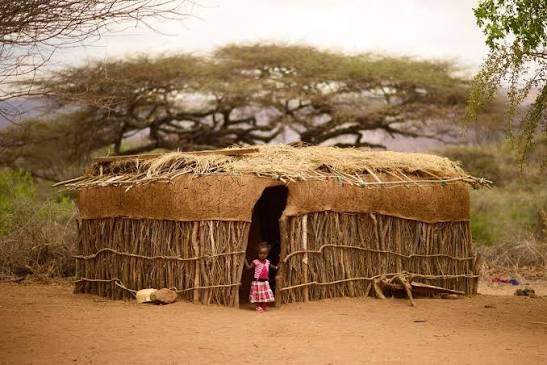
A Visit to a Maasai Boma in Tanzania: Culture, Traditions, Traditional Homes and Authentic Experiences
A visit to a Maasai boma is one of the most interesting cultural experiences to include in a Tanzania holiday. It provides an opportunity to discover the traditional lifestyle of the Maasai people, learn about their customs, explore their distinctive homesteads and understand the importance of cattle, family, community and pastoralism in their culture.
The Maasai are among East Africa’s most recognisable ethnic communities, known for their distinctive red clothing, colourful beadwork, traditional dances and strong connections to livestock and ancestral land. They are predominantly found across northern Tanzania and southern Kenya, particularly around the Great Rift Valley, Serengeti ecosystem, Ngorongoro Conservation Area and Amboseli region.
Unlike a conventional wildlife safari, a Maasai boma visit introduces travellers to the human and cultural heritage of East Africa. Accompanied by a local guide or community representative, visitors can explore traditional houses, learn how homesteads are organised, discover cattle-keeping practices, observe traditional crafts and hear stories about Maasai customs and daily life.
Depending on the community and arrangements, the experience may also include traditional songs and dances, demonstrations of beadwork, introductions to local food and opportunities to interact with Maasai families.
For travellers exploring northern Tanzania, a visit to a Maasai boma can be combined with a Mto wa Mbu village tour, Lake Manyara National Park, Ngorongoro Conservation Area, Tarangire National Park and Serengeti National Park.
At Epic Uganda Vacation, we organise personalised East African cultural experiences, including Maasai community visits, village walks, accommodation, private transport and wildlife safari extensions.
What Is a Maasai Boma?
A Maasai boma is a traditional homestead or residential settlement associated with the Maasai community. It generally consists of several family houses arranged within an enclosed settlement, traditionally protected by a surrounding fence or livestock enclosure.
The boma is an important centre of family and community life. It provides a place where families live, children grow up, livestock is cared for and different household activities take place.
Traditional Maasai bomas are designed around the community’s pastoral lifestyle. Since cattle, goats and sheep are important sources of food, wealth and social identity, homestead layouts traditionally include spaces for keeping and protecting livestock.
The houses are traditionally constructed using locally available natural materials, including wooden poles, branches, mud, grass and cow dung. Women have traditionally played an important role in constructing and maintaining these homes.
A boma may accommodate an extended family, with different houses occupied by individual households.
Visiting a Maasai boma provides a closer understanding of how traditional settlements function and how the community adapts its lifestyle to the surrounding environment.
Who Are the Maasai People?
The Maasai are a Nilotic-speaking pastoralist community living mainly in northern Tanzania and southern Kenya. They speak Maa, while Swahili and other languages are also widely used depending on location and individual circumstances.
Historically, the Maasai have been closely associated with cattle herding and semi-nomadic pastoralism. Their traditional livelihoods depend heavily on livestock, particularly cattle, goats and sheep.
Cattle occupy a central position in many aspects of Maasai culture. They provide milk, meat and other resources, while also representing wealth, social standing and family heritage.
The Maasai are widely recognised for their colourful clothing, intricate beadwork, traditional music, distinctive dances and strong community identity.
Although traditional customs remain important, Maasai communities are not all the same. Many families combine pastoralism with agriculture, education, tourism, trade and other modern economic activities.
A cultural visit should therefore be understood as an opportunity to learn about both traditional heritage and contemporary Maasai life.
Where Can You Visit a Maasai Boma in Tanzania?
Northern Tanzania offers several opportunities for travellers interested in visiting Maasai communities.
The best location depends on your safari itinerary, the type of cultural experience you want and whether you prefer a community visit near a major tourist destination or a more extended cultural excursion.
1. Mto wa Mbu Village
Mto wa Mbu is one of the convenient destinations for cultural tourism in northern Tanzania. Located near Lake Manyara National Park, it is known for its diverse population, agricultural activities and community-based tourism experiences.
The surrounding area provides opportunities to learn about Maasai culture and pastoral traditions through organised community visits.
Depending on the arrangements, visitors may explore traditional Maasai homesteads, learn about cattle keeping, observe beadwork and discover how families organise their daily activities.
A Maasai cultural experience can easily be combined with a guided Mto wa Mbu village walk, a visit to local markets, banana plantations and traditional food experiences.
This is an excellent option for travellers moving between Arusha, Lake Manyara and Ngorongoro.
2. Ngorongoro Conservation Area
The Ngorongoro Conservation Area is one of the most important destinations for travellers interested in Maasai culture and traditional pastoralism.
Maasai communities have historically lived within the wider Ngorongoro landscape, where livestock keeping remains an important livelihood.
A cultural excursion can provide insight into traditional homesteads, livestock management, Maasai clothing, beadwork and community customs.
Visitors should arrange any community experience through authorised guides and follow conservation-area regulations.
Combining a Maasai boma visit with a Ngorongoro Crater safari provides a particularly rewarding experience, bringing together wildlife conservation and cultural heritage.
3. Karatu and the Surrounding Highlands
Karatu is an important town on the Northern Tanzania Safari Circuit, situated between Lake Manyara and the Ngorongoro highlands.
The surrounding region offers opportunities to discover local agricultural communities and Maasai pastoral traditions.
Visitors can arrange cultural excursions through suitable local operators and community representatives.
A Karatu-based cultural experience can be combined with visits to Ngorongoro, Lake Manyara and nearby agricultural areas.
4. Lake Natron and the Rift Valley
Lake Natron is located in northern Tanzania, within a dramatic landscape characterised by volcanic mountains, open plains and alkaline lake environments.
The surrounding region is associated with Maasai pastoral communities, whose traditional livelihoods are connected to livestock and the surrounding natural environment.
A cultural visit can provide insight into community life in this relatively remote part of northern Tanzania.
Lake Natron can also be explored for its spectacular scenery, birdlife and seasonal flamingo populations.
Visitors planning a trip to this region should allow additional travel time because road conditions and distances can make access more challenging.
What to Expect During a Visit to a Maasai Boma
A Maasai boma visit is generally organised as a guided cultural experience. The activities depend on the community, the location and the arrangements made before arrival.
Here are some of the experiences travellers may enjoy.
1. A Traditional Welcome by the Maasai Community
Upon arrival, visitors may be welcomed by Maasai community members or a local cultural representative.
The welcome may include introductions, traditional greetings and explanations about the community and its way of life.
In some organised cultural experiences, visitors may be welcomed through traditional songs and dances.
Your guide will usually introduce the purpose of the visit and explain the activities planned.
This initial interaction provides an opportunity to learn about the community before exploring the homestead.
2. Exploring Traditional Maasai Houses
One of the main highlights of a boma visit is learning about traditional Maasai housing.
The houses are commonly referred to as manyattas and are traditionally constructed using natural materials such as branches, wooden poles, mud, grass and cow dung.
The construction method reflects the community’s ability to use locally available resources.
During a guided visit, a host may explain:
- How traditional houses are constructed.
- The materials used in building.
- How families organise their living spaces.
- The traditional role of women in house construction.
- How houses are adapted to local weather conditions.
- How the homestead is arranged around family and livestock needs.
Some organised visits allow travellers to enter a traditional house and learn about its interior arrangement.
Visitors should always seek permission before entering a home and respect the privacy of residents.
3. Learning About Maasai Cattle-Keeping Traditions
Cattle are central to traditional Maasai pastoralism and have important economic, nutritional and cultural significance.
During a boma visit, travellers can learn about the relationship between the Maasai and their livestock.
Cattle traditionally provide milk, meat, hides and other useful resources. Livestock ownership also plays an important role in family wealth, social relationships and cultural practices.
Depending on the homestead and daily activities, visitors may see cattle, goats and sheep being kept within or near the settlement.
A local guide can explain how herders manage livestock, move animals between grazing areas and obtain water during different seasons.
This experience provides an understanding of pastoralism as a way of life rather than simply an agricultural activity.
4. Discovering Traditional Maasai Clothing
Maasai clothing is one of the community’s most recognisable cultural features.
The traditional shúkà is a colourful cloth commonly worn by Maasai men and women. Red is particularly prominent, although other colours and patterns are also used.
Clothing styles may vary according to age, gender, occasion and individual preference.
During a cultural visit, community members may explain the significance of different garments and how traditional clothing has evolved over time.
Visitors can also learn about ornaments, necklaces, bracelets and other accessories worn during cultural ceremonies and everyday activities.
5. Learning About Maasai Beadwork
Maasai beadwork is an important artistic tradition and an expression of cultural identity.
Women have traditionally played a central role in creating colourful necklaces, bracelets, earrings and other decorative ornaments.
The beads are arranged into different patterns and combinations of colours.
During a boma visit, visitors may have an opportunity to observe beadwork demonstrations and learn about the techniques used to produce different ornaments.
Some community experiences also allow visitors to purchase handmade jewellery directly from local artisans.
Buying authentic crafts can provide an additional source of income for community members while supporting traditional artistic skills.
6. Enjoying Traditional Maasai Songs and Dances
Music and dance are important aspects of Maasai cultural expression.
During organised cultural visits, visitors may experience traditional songs and dances performed by community members.
One of the best-known Maasai dance traditions is the adumu, often referred to as the jumping dance.
It is particularly associated with the age-set traditions of Maasai men, although cultural performances and participation vary between communities.
The performance involves rhythmic movement, singing and distinctive jumping techniques.
Other songs may accompany celebrations, community gatherings and different cultural occasions.
Visitors can learn about the meaning of the performances from their hosts and, where invited, participate respectfully.
7. Understanding Maasai Family and Community Life
The Maasai traditionally place considerable importance on family, extended family relationships and community responsibilities.
A boma provides a setting where different households maintain social relationships and share aspects of daily life.
During a guided cultural visit, visitors may learn about:
- Traditional family structures.
- Responsibilities within the household.
- The importance of livestock.
- Community decision-making.
- Age-set traditions.
- Marriage customs and family relationships.
- The role of elders in passing on knowledge.
Cultural practices vary between communities and continue to evolve, so a local host is the best person to explain how traditions are observed today.
8. Learning About Traditional Food and Milk Preparation
Food is another interesting part of the Maasai cultural experience.
Traditional pastoral diets have historically relied heavily on livestock products, particularly milk and meat.
Depending on the community and the arrangements, visitors may learn about traditional food preparation and the importance of different foods in Maasai households.
Some cultural experiences may include demonstrations of milk preparation or opportunities to learn about traditional cooking methods.
Practices vary between families, and visitors should not assume that every household follows the same diet.
9. Discovering Traditional Knowledge of the Natural Environment
Maasai communities have developed extensive knowledge of the landscapes in which they live.
Their understanding of seasonal grazing, water availability, livestock management and local vegetation has traditionally been important for pastoral livelihoods.
During a cultural visit, local guides may explain how communities respond to seasonal changes and manage their relationship with the surrounding environment.
Some hosts may also introduce visitors to traditional knowledge of useful plants and their historical roles in daily life.
This experience offers insight into the connection between people, livestock and the natural environment.
10. Shopping for Maasai Handicrafts and Souvenirs
Many Maasai cultural visits provide opportunities to purchase locally made products.
These may include:
- Beaded necklaces.
- Colourful bracelets.
- Traditional earrings.
- Handmade ornaments.
- Decorative household items.
- Traditional fabrics.
- Small craft souvenirs.
Purchasing directly from local artisans can support community livelihoods and encourage the continuation of traditional craftsmanship.
Visitors should agree on prices before purchasing and ask questions about the materials and techniques used.
The Cultural Significance of a Maasai Boma
A Maasai boma is more than a collection of traditional houses. It represents an important part of family life, pastoral traditions and community identity.
The Importance of Cattle
Cattle have historically been central to Maasai society.
They provide milk, meat, hides and other resources while also representing wealth and social status.
Livestock ownership is connected to important family and cultural relationships.
The Role of Women
Maasai women have traditionally been responsible for many household activities, including constructing and maintaining homes, caring for children, preparing food and producing beadwork.
Their contribution to family and community life is significant.
The Role of Elders
Elders are important custodians of cultural knowledge and traditional practices.
They help transmit community history, customary values and knowledge to younger generations.
Age-Set Traditions
Maasai society has traditionally organised certain social responsibilities through age-set systems.
These systems help structure relationships, responsibilities and important stages of community life.
Livestock and Land
Pastoralism depends on access to grazing land and water.
Traditional Maasai livelihoods are therefore closely connected to seasonal environmental conditions and the management of livestock resources.
Understanding these relationships makes a boma visit more meaningful because it explains the cultural and economic foundations of traditional Maasai life.
Maasai Boma Visit Combined with Mto wa Mbu Village Tour
One of the most rewarding ways to experience Maasai culture in northern Tanzania is to combine a boma visit with a guided Mto wa Mbu village tour.
Mto wa Mbu is known for its cultural diversity, agriculture and community-based tourism.
A combined excursion provides opportunities to explore different aspects of Tanzanian life within one itinerary.
Activities may include:
- Guided village walks.
- Visiting Maasai homesteads.
- Exploring banana plantations.
- Discovering traditional rice farming.
- Visiting local markets.
- Meeting traditional artisans.
- Enjoying Tanzanian food.
- Learning about beadwork and crafts.
- Cycling through the surrounding countryside.
This combination is particularly suitable for travellers staying in Mto wa Mbu, Karatu or the Lake Manyara area.
It also makes an excellent cultural stop for visitors travelling between Arusha and Ngorongoro.
Combining a Maasai Boma Visit with a Tanzania Wildlife Safari
A Maasai cultural experience can be combined with several wildlife destinations in northern Tanzania.
1. Ngorongoro Conservation Area
Ngorongoro is an excellent destination for combining wildlife viewing with Maasai cultural heritage.
Visitors can explore the famous Ngorongoro Crater, where game drives provide opportunities to see lions, elephants, buffaloes, zebras, hippos and other wildlife.
A community cultural visit can be included before or after the crater excursion, subject to local arrangements and applicable regulations.
2. Lake Manyara National Park
Lake Manyara National Park is located near Mto wa Mbu and offers a contrasting experience to the traditional village visit.
The park features groundwater forests, woodland, open grassland and lake habitats.
Wildlife includes elephants, giraffes, zebras, buffaloes, baboons and numerous bird species.
A combined Maasai cultural experience and Lake Manyara game drive is suitable for visitors with limited time.
3. Tarangire National Park
Tarangire is famous for its elephants, baobab trees and wildlife concentrations around the Tarangire River.
Travellers can combine a cultural visit with a game drive in search of elephants, giraffes, zebras, lions and other wildlife.
4. Serengeti National Park
Serengeti National Park is one of Africa’s most celebrated wildlife destinations.
It is renowned for its extensive plains, large predator populations and the Great Wildebeest Migration.
A Maasai cultural visit can be included as part of a longer Northern Tanzania itinerary connecting Arusha, Lake Manyara, Ngorongoro and Serengeti.
Best Time to Visit a Maasai Boma in Tanzania
A Maasai boma can generally be visited throughout the year, provided the community experience is available and suitable arrangements have been made.
The best period depends on your wider Tanzania travel plans and the seasonal conditions in northern Tanzania.
June to October – Dry Season
This is a popular period for Northern Tanzania safaris. Road conditions are generally favourable in many areas, making it convenient to combine cultural experiences with wildlife excursions.
January to March – Warm Season
These months are suitable for cultural tours and safari extensions, particularly journeys to the southern Serengeti and Ndutu region during the wildebeest calving season.
April to May – Long Rainy Season
The long rains bring greener landscapes, but some rural roads may become challenging. Travellers should allow flexibility when planning community visits and outdoor activities.
November to December – Short Rainy Season
The short rains can refresh the surrounding landscapes and provide attractive conditions for photography. Cultural visits remain possible, although occasional rainfall may affect travel arrangements.
For a cultural experience, the most important consideration is arranging the visit in advance with a reputable local operator or community representative.
How to Get to a Maasai Boma in Tanzania
The most convenient route depends on the location of the community you intend to visit.
By Air
Kilimanjaro International Airport is the main international gateway for travellers visiting northern Tanzania.
After arrival, visitors can arrange a private transfer to Arusha, Mto wa Mbu, Karatu or other destinations where cultural experiences are available.
By Road from Arusha
Arusha is an important starting point for cultural and wildlife excursions in northern Tanzania.
Visitors can travel towards Mto wa Mbu and Lake Manyara by private safari vehicle.
The road journey to Mto wa Mbu is approximately 120 kilometres and commonly takes around two hours, depending on traffic and road conditions.
By Road from Mto wa Mbu
Mto wa Mbu is a convenient base for arranging cultural excursions to nearby Maasai communities.
Visitors can organise a guided experience through local cultural tourism operators, community representatives or their safari company.
Because individual bomas are not necessarily public tourist attractions, travellers should arrange visits in advance rather than arriving unexpectedly at a private homestead.
What to Wear When Visiting a Maasai Boma
Visitors should choose comfortable and respectful clothing suitable for a rural cultural experience.
Recommended items include:
- Comfortable walking shoes.
- Lightweight trousers or long shorts.
- Breathable shirts or blouses.
- A hat or cap.
- Sunglasses.
- Sunscreen.
- A light jacket for cooler mornings.
- A camera or smartphone.
It is advisable to dress modestly and respect local customs.
If you are planning photography, ask permission before taking pictures of residents, children, houses or cultural activities.
Responsible and Respectful Maasai Cultural Tourism
A visit to a Maasai boma should be approached with respect for the community, its traditions and its privacy.
Cultural tourism can create opportunities for local employment and income when visits are organised in partnership with the people who host them.
Visitors can help make these experiences more sustainable by following a few important guidelines.
Respect local customs: Listen to your guide and follow the instructions of your hosts.
Ask before taking photographs: Always request permission before photographing people, homes, livestock or cultural ceremonies.
Support local artisans: Purchase authentic handmade crafts directly from community members where possible.
Respect private spaces: Do not enter houses or livestock enclosures without permission.
Avoid making assumptions: Maasai communities are diverse, and not every family follows identical traditions.
Choose responsible operators: Work with tour operators who organise visits transparently and ensure that host communities benefit.
Protect the environment: Avoid littering and respect grazing areas, water sources and other natural resources.
Responsible cultural tourism helps preserve traditional knowledge while supporting the livelihoods of the people who share their heritage with visitors.
Suggested 3-Day Maasai Cultural Tour and Tanzania Safari
A three-day itinerary provides an opportunity to combine a Maasai boma visit with village experiences and wildlife viewing around Lake Manyara and Ngorongoro.
Day 1: Arrival in Arusha – Transfer to Mto wa Mbu
Upon arrival at Kilimanjaro International Airport, you will be welcomed by your professional driver-guide.
Transfer to Arusha or continue towards Mto wa Mbu, depending on your arrival time and accommodation arrangements.
After checking in at your selected lodge, enjoy some relaxation before exploring the surrounding area.
If time permits, take a short village walk or enjoy views of the Great Rift Valley landscape.
Return to your lodge for dinner and an overnight stay.
Accommodation: Selected lodge in Mto wa Mbu or surrounding area.
Day 2: Maasai Boma Visit – Cultural Experiences and Mto wa Mbu Village Tour
After breakfast, meet your local guide and depart for a Maasai cultural experience.
Upon arrival, meet community members and receive an introduction to the history and traditions of the Maasai.
Explore the traditional homestead and learn about the construction of manyattas, livestock keeping, family life and the importance of cattle.
Discover Maasai clothing and beadwork, and enjoy traditional songs and dances if included in the community programme.
Continue with a guided Mto wa Mbu village excursion, exploring local markets, banana plantations, rice fields and traditional craft workshops.
Enjoy a local lunch before returning to your lodge in the afternoon.
Accommodation: Selected lodge in Mto wa Mbu.
Day 3: Lake Manyara National Park or Ngorongoro Excursion – Departure
After breakfast, depart for a wildlife excursion in Lake Manyara National Park or, with sufficient time and a suitable budget, Ngorongoro Conservation Area.
Enjoy a guided game drive while searching for elephants, giraffes, zebras, buffaloes, monkeys and other wildlife.
After the excursion, return to Mto wa Mbu or continue to your next destination.
End of Tour.
This itinerary can be personalised according to travel dates, accommodation preferences, group size and onward safari arrangements.
How Much Does a Maasai Boma Visit Cost?
The cost of visiting a Maasai boma in Tanzania depends on the community, location, duration and activities included.
Some cultural experiences are organised as short guided visits, while others form part of a wider village tour or multi-day safari.
Factors influencing the price include:
- Community or cultural experience fees.
- Local guide services.
- Private transport.
- Distance from your accommodation.
- Traditional food arrangements.
- Cultural demonstrations and activities.
- Accommodation, where an overnight stay is included.
- Additional excursions to nearby attractions.
Travellers should confirm exactly what is included in the quoted price and whether community fees are paid directly or through the tour operator.
Epic Uganda Vacation can prepare a personalised quotation based on your travel dates, number of participants, preferred accommodation and selected cultural activities.
Frequently Asked Questions About Visiting a Maasai Boma
1. What is a Maasai boma?
A Maasai boma is a traditional homestead or settlement where Maasai families live. It generally consists of several houses arranged within an enclosed compound and may include designated areas for keeping livestock.
2. Where can I visit a Maasai boma in Tanzania?
Popular regions for arranging Maasai cultural experiences include Mto wa Mbu, the Ngorongoro area, Karatu and Lake Natron. The best location depends on your safari route and the community experiences available.
3. What can I expect during a Maasai boma visit?
Visitors may explore traditional houses, learn about cattle keeping, discover Maasai clothing and beadwork, enjoy traditional songs and dances and interact with community members.
4. How long does a Maasai village visit take?
A short cultural visit may take approximately one to two hours, while a more comprehensive experience combining homestead visits, cultural demonstrations, local food and village activities can take half a day or longer. Actual durations depend on the community programme.
5. Can I take photographs during a Maasai boma visit?
Photography may be permitted, but visitors should always ask permission before photographing individuals, children, homes and cultural activities.
6. What is the importance of cattle in Maasai culture?
Cattle have traditionally provided milk, meat and other resources and are important symbols of wealth, family heritage and social identity.
7. Can I enter a traditional Maasai house?
Some organised cultural visits allow visitors to enter a traditional house when invited by the host. Always seek permission and follow the guidance of your local representative.
8. Is a Maasai boma visit suitable for children?
Yes. A guided visit can be an educational experience for families, introducing children to traditional housing, livestock keeping, beadwork, cultural music and different ways of life.
9. Can I combine a Maasai boma visit with a wildlife safari?
Yes. You can combine a cultural experience with Lake Manyara, Ngorongoro, Tarangire and Serengeti National Park as part of a Northern Tanzania safari.
10. Can I visit a Maasai boma from Mto wa Mbu?
Yes. Mto wa Mbu is a convenient base for arranging Maasai cultural excursions through local guides and community tourism providers. Confirm the location and arrangements before your visit.
11. Do Maasai people still live in traditional bomas?
Yes. Some Maasai families continue to live in traditional homesteads, while others have adopted different housing arrangements or combine traditional and modern lifestyles. Living conditions vary between communities.
12. Can I buy Maasai beadwork during the visit?
Yes. Some cultural experiences provide opportunities to purchase handmade necklaces, bracelets and other traditional crafts directly from local artisans.
13. Is a Maasai cultural visit authentic?
The experience depends on how it is organised. Community-led visits that allow residents to explain their own traditions and contemporary lifestyles can provide meaningful cultural learning. Choose a reputable operator and avoid experiences that misrepresent communities or disregard residents’ privacy.
Book a Maasai Boma Cultural Tour with Epic Uganda Vacation
A visit to a Maasai boma provides an unforgettable opportunity to discover the cultural heritage of northern Tanzania. Beyond the traditional wildlife safari, it allows travellers to meet local communities, learn about pastoral traditions, explore traditional homes and understand the important role of livestock, family and beadwork in Maasai society.
Whether you are interested in traditional house construction, cattle keeping, Maasai dances, colourful beadwork or everyday village life, a guided cultural experience offers a deeper understanding of the people and traditions of East Africa.
At Epic Uganda Vacation, we organise personalised Tanzania cultural tours, including Maasai boma visits, Mto wa Mbu village walks, accommodation, private transfers and wildlife safari extensions.
You can combine your visit with Lake Manyara National Park, Ngorongoro Conservation Area, Tarangire National Park and Serengeti National Park. Travellers can also extend their East African holiday to Uganda for mountain gorilla trekking, chimpanzee tracking and other wildlife experiences.
Our cultural tours can be tailored according to your travel dates, group size, accommodation preferences and budget.
Contact Epic Uganda Vacation today to arrange your Maasai Boma Visit in Tanzania and discover the traditions, hospitality and cultural heritage of the Maasai people.