A Visit to the Ngorongoro Highlands, Tanzania: Attractions, Hiking, Maasai Culture and Things to Do
A Visit to the Ngorongoro Highlands: Discover Tanzania’s Volcanic Landscapes and Cultural Heritage
The Ngorongoro Highlands are among the most beautiful and fascinating landscapes in northern Tanzania. Located within the wider Ngorongoro Conservation Area, this remarkable region is characterised by ancient volcanic mountains, forest-covered slopes, open highland grasslands, spectacular craters, waterfalls and traditional Maasai settlements.
While many visitors travel to Ngorongoro primarily to experience the famous Ngorongoro Crater and its remarkable concentration of wildlife, the surrounding highlands offer a different kind of adventure. Here, travellers can enjoy guided nature walks, crater hikes, birdwatching, mountain scenery, cultural encounters and visits to important geological and archaeological attractions.
The highlands are particularly rewarding for visitors who want to explore beyond conventional game drives. You can hike around Olmoti Crater, descend towards the beautiful lake inside Empakaai Crater, explore the forests of the Northern Highlands, admire Mount Lolmalasin and learn about the traditional pastoral lifestyle of the Maasai people.
A visit to the Ngorongoro Highlands can be arranged as part of a northern Tanzania safari, combined with Ngorongoro Crater, Serengeti National Park, Lake Manyara and Tarangire National Park.
This guide explores the region’s geography, attractions, activities, wildlife, cultural experiences, accommodation, access arrangements and practical travel advice.
1. Where Are the Ngorongoro Highlands Located?
The Ngorongoro Highlands are situated in northern Tanzania, within the Ngorongoro Conservation Area. They form part of an extensive volcanic landscape between the Serengeti plains to the northwest and the Great Rift Valley to the east.
The region is characterised by elevated plateaus, volcanic mountains, forested valleys, grasslands and deep crater formations. Its high elevation creates cooler conditions than the surrounding lowland savannahs, while its different habitats support diverse plant and animal species.
The highlands are part of the wider Ngorongoro Conservation Area, a UNESCO World Heritage Site established in 1959 as a multiple-land-use conservation landscape where wildlife conservation coexists with traditional Maasai pastoralism.
The conservation area includes much more than Ngorongoro Crater. Its attractions extend to Empakaai Crater, Olmoti Crater, the Northern Highlands Forest Reserve, Mount Lolmalasin, Olduvai Gorge, Endoro Waterfalls, Olkarien Gorge and other remarkable natural and cultural sites.
How Far Are the Ngorongoro Highlands from Arusha?
Arusha is the main tourism hub for northern Tanzania and a common starting point for visits to the Ngorongoro region.
The journey from Arusha to the Ngorongoro area generally takes several hours by road, depending on the destination, traffic and road conditions. Visitors travelling to the highlands may continue towards the Ngorongoro Conservation Area headquarters, Nainokanoka, Empakaai or other designated locations.
Because the highlands cover a large geographical area, travel times vary considerably. It is advisable to plan your route around the specific attractions you intend to visit rather than treating the highlands as a single stop.
2. What Makes the Ngorongoro Highlands Special?
The Ngorongoro Highlands offer a combination of natural beauty, geological history, wildlife habitats and cultural heritage.
Unlike the open savannah landscapes commonly associated with Tanzania safaris, the highlands feature cooler mountain environments, dense forests, volcanic craters and expansive grasslands.
Some of the region’s most distinctive characteristics include:
- Ancient volcanic formations and spectacular crater landscapes.
- Forested highlands with diverse vegetation.
- Scenic hiking and guided walking opportunities.
- Traditional Maasai pastoralist communities.
- Mountain viewpoints and waterfalls.
- Important bird habitats.
- Archaeological and geological attractions.
- Access to the wider Ngorongoro and Serengeti ecosystems.
The highlands are particularly appealing to travellers who enjoy combining wildlife safaris with outdoor activities and cultural experiences.
3. Top Attractions in the Ngorongoro Highlands
The Ngorongoro Highlands contain several natural attractions that deserve attention when planning a visit. Some are suitable for short guided walks, while others require longer hikes and careful arrangements.
A. Olmoti Crater
Olmoti Crater is one of the most beautiful volcanic attractions in the Ngorongoro Highlands. It is located north of Ngorongoro Crater and is known for its green crater landscape, surrounding highland vegetation and scenic walking routes.
Unlike the wildlife-focused game drives on the Ngorongoro Crater floor, Olmoti offers an opportunity to explore the highlands on foot.
Visitors can enjoy a guided hike from the Nainokanoka area towards the crater rim, where they are rewarded with views of the surrounding landscape. The crater’s interior is characterised by grassland and vegetation, while streams flow through the area towards the Munge River.
One of Olmoti’s most interesting features is the Munge Waterfall. The river flows out of the crater over a series of waterfalls, creating a beautiful natural attraction.
What to expect at Olmoti Crater:
- Guided hiking through highland vegetation.
- Panoramic views from the crater rim.
- Opportunities to observe local birdlife.
- Views of streams and the Munge Waterfall.
- Encounters with the surrounding highland landscape.
The approach to the crater rim involves an uphill walk, while reaching the waterfall requires additional walking on rocky terrain. Visitors should be reasonably fit and wear suitable hiking shoes.
According to the Ngorongoro Lengai Geopark’s official information, the walk to the Olmoti rim from Nainokanoka Ranger Station takes approximately 45 minutes, with a further walk required to reach the waterfall area. A ranger accompanies visitors because Cape buffaloes occur in the area.
B. Empakaai Crater
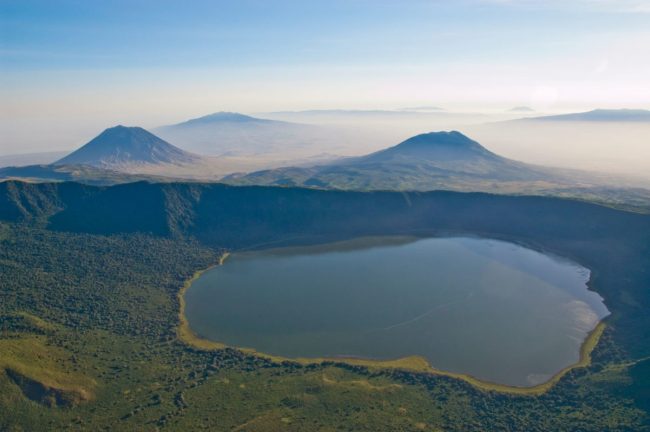
Empakaai Crater is another spectacular volcanic attraction in the Ngorongoro Highlands. It is famous for its deep crater lake, steep forested walls and beautiful natural surroundings.
The crater offers a different experience from the more popular Ngorongoro Crater. Rather than spending the day searching for large mammals from a safari vehicle, visitors can explore the landscape through a guided hike.
The walk descends from the crater rim towards the lake, passing through highland vegetation and forested sections. From the rim, visitors can enjoy magnificent views of the crater and, on clear days, distant volcanic landscapes.
The lake attracts birdlife, including flamingos when environmental conditions are suitable. The surrounding vegetation also provides habitats for several bird species.
Activities at Empakaai Crater include:
- Guided crater-rim walks.
- Hiking towards the crater lake.
- Birdwatching and nature photography.
- Observing highland vegetation.
- Enjoying panoramic views of the surrounding volcanic landscape.
The descent and return climb require a reasonable level of fitness. The trail can become slippery during rainy weather, so proper footwear is essential.
Empakaai is an excellent attraction for visitors interested in hiking, photography and nature exploration.
C. Mount Lolmalasin
Mount Lolmalasin is one of the highest mountains in Tanzania and a prominent feature of the Ngorongoro Highlands. Rising to approximately 3,700 metres above sea level, it offers a challenging mountain adventure for travellers interested in high-altitude hiking.
The mountain is located near the Olmoti and Empakaai volcanic landscapes and provides spectacular views across the surrounding highlands.
A hike on Mount Lolmalasin is more demanding than a short crater walk. It requires good physical preparation, suitable clothing and advance arrangements with authorised guides.
Why visit Mount Lolmalasin?
- Experience one of Tanzania’s highest mountain landscapes.
- Enjoy expansive views of the Ngorongoro Highlands.
- Explore high-altitude vegetation and mountain habitats.
- Photograph volcanic scenery and distant landscapes.
- Experience a less conventional adventure within the Ngorongoro region.
Because of the altitude and changing weather, visitors should allow sufficient time for the hike and follow the advice of their guide.
D. Northern Highlands Forest Reserve
The Northern Highlands Forest Reserve is an important natural attraction within the wider Ngorongoro region. It contains highland forest habitats, indigenous vegetation and a variety of bird species.
The forested landscape provides a striking contrast to the open savannah plains of the Serengeti and the grasslands of the Ngorongoro Crater.
Nature lovers can explore designated trails, observe forest birds and learn about the ecological importance of highland forests.
The forest also plays an important role in maintaining the area’s water systems and supporting biodiversity.
Activities may include:
- Guided forest walks.
- Birdwatching.
- Botanical exploration.
- Nature photography.
- Learning about highland ecosystems.
Visitors should arrange walks through the appropriate conservation authority channels and remain on permitted routes.
E. Endoro Waterfalls
Endoro Waterfalls are another natural attraction associated with the wider Ngorongoro highlands and forest landscape.
The walk to the waterfalls provides an opportunity to explore forest vegetation, enjoy the sounds of flowing water and experience a different side of the conservation area.
The waterfall excursion is suitable for visitors interested in nature walks and photography. Depending on the route and conditions, the walk may involve uneven ground and some uphill sections.
The surrounding forest is also interesting for birdwatching and observing indigenous plants.
F. Endoro Elephant Caves
The Endoro Elephant Caves are natural features associated with the forested highland environment. They are linked to the movement of elephants, which visit mineral-rich areas to obtain minerals from the soil.
The attraction provides an opportunity to learn about elephant behaviour and the relationship between wildlife and the natural environment.
Visitors should explore the area with an authorised guide and maintain a safe distance from wildlife.
G. Mount Makarot (Lemagarut)
Mount Makarot, also referred to as Lemagarut, is among the geographical features identified for walking activities within the Ngorongoro Conservation Area.
The mountain and surrounding landscape provide opportunities for visitors interested in exploring the highlands on foot.
As with other mountain excursions, walking arrangements, access and the availability of guides should be confirmed before travel.
H. Olkarien Gorge
Olkarien Gorge is a striking natural landscape in the wider Ngorongoro Conservation Area. It is particularly interesting for its dramatic rock formations and birdlife.
The gorge is known as an important nesting and breeding area for Rüppell’s vultures. These large scavenging birds use the cliffs for nesting, making the area particularly interesting for birdwatchers.
Visitors can combine the attraction with other highland or northern conservation-area excursions, depending on the itinerary and access arrangements.
I. Nasera Rock
Nasera Rock is a prominent geological feature in the Ngorongoro region. Its unusual rock formations and surrounding open landscapes make it an interesting destination for photography and nature exploration.
The wider area is also associated with archaeological and historical interest.
A visit to Nasera Rock can be incorporated into a longer exploration of the conservation area’s northern landscapes.
The Ngorongoro Conservation Area Authority identifies these locations, together with Olmoti, Empakaai, Mount Lolmalasin and the Northern Highlands Forest Reserve, among its attractions and walking destinations. <Cite refs={[“turn689168search0″,”turn689168search7”]}/>
4. Hiking and Walking Safaris in the Ngorongoro Highlands
Hiking is one of the best ways to appreciate the Ngorongoro Highlands. While game drives provide excellent wildlife viewing, walking allows visitors to experience the landscape more closely.
You can observe changes in vegetation, explore volcanic formations, learn about local plants and enjoy panoramic views that are not always accessible by vehicle.
The Ngorongoro Conservation Area Authority recognises several walking destinations, including:
- Olmoti Crater.
- Empakaai Crater.
- Ngorongoro Crater rim.
- Mount Makarot (Lemagarut).
- Mount Lolmalasin.
- Northern Highlands Forest Reserve.
- Olkarien Gorge.
- Nasera Rock.
- Gol Mountains.
- Endoro Waterfalls and Elephant Caves.
The authority describes short walks as generally taking less than four hours, while longer walks take more than four hours. Multi-day walking experiences are also possible with appropriate planning. Walking activities must be arranged in advance and accompanied by an armed ranger.
What Is the Best Hike in the Ngorongoro Highlands?
The best hike depends on your interests and fitness level.
| Hiking destination | Main attraction | Experience |
|---|---|---|
| Olmoti Crater | Crater rim and Munge Waterfall | Short to moderate guided hike |
| Empakaai Crater | Crater lake and forested slopes | Moderate to demanding walk |
| Mount Lolmalasin | High-altitude mountain scenery | Challenging mountain hike |
| Endoro Waterfalls | Forest scenery and flowing water | Nature walk |
| Northern Highlands Forest Reserve | Indigenous vegetation and birdlife | Guided forest walk |
| Ngorongoro Crater Rim | Panoramic caldera views | Scenic guided walk |
Visitors should not assume that all trails are open every day or that the same fees apply to every route. Confirm the current access requirements and hiking arrangements with the NCAA.
5. Wildlife in the Ngorongoro Highlands
The Ngorongoro Highlands are not simply a mountain destination. They form part of an extensive conservation landscape supporting wildlife in different habitats.
The open grasslands, forests, valleys and volcanic slopes provide food and shelter for various mammals and birds.
Wildlife sightings depend on the specific location, season, vegetation and activity selected.
Mammals
Animals that may be encountered in the wider Ngorongoro region include:
- African elephants.
- Cape buffaloes.
- Zebras.
- Wildebeest.
- Elands.
- Bushbucks.
- Warthogs.
- Hyenas.
- Jackals.
- Various antelope species.
- Monkeys and other small mammals.
The open plains and surrounding conservation landscape are also important for predators, including lions and leopards.
Visitors should understand that a highland hiking excursion is not the same as a crater game drive. Wildlife viewing on a walking route is less predictable, and the experience focuses more on landscapes, vegetation and nature interpretation.
Birdwatching
Birdwatching is an excellent activity in the Ngorongoro Highlands because the region contains several habitats, including forests, grasslands, wetlands and volcanic slopes.
The Ngorongoro Conservation Area Authority reports more than 550 bird species across the conservation area.
Birds of interest include:
- Rüppell’s vultures.
- Crowned cranes.
- Augur buzzards.
- Eagles.
- Turacos.
- Hornbills.
- Sunbirds.
- Weavers.
- Starlings.
- Ostriches in the wider grassland areas.
- Various waterbirds around lakes and wetlands.
The highland forests are particularly rewarding for visitors interested in forest-associated species, while open grasslands and cliffs offer opportunities to observe raptors and other birds.
6. Maasai Cultural Experiences in the Ngorongoro Highlands
A visit to the Ngorongoro Highlands is also an opportunity to learn about the Maasai people, whose traditional pastoral lifestyle is closely connected to the wider conservation landscape.
The Ngorongoro Conservation Area is a multiple-land-use area where wildlife conservation coexists with semi-nomadic Maasai pastoral communities.
Cattle keeping remains an important part of traditional Maasai life, with livestock playing a significant role in household livelihoods, social relationships and cultural identity.
Visit a Maasai Boma
A Maasai boma is a traditional homestead where families live and keep livestock. A guided visit to an approved cultural boma can introduce visitors to traditional housing, livestock keeping, beadwork and aspects of everyday community life.
During a cultural experience, visitors may learn about:
- Traditional Maasai homes.
- Cattle and livestock management.
- Traditional clothing and ornaments.
- Beadwork and craft production.
- Songs and dances.
- Family and community organisation.
- Pastoral traditions and the relationship with the environment.
Cultural visits should be organised through designated community-approved arrangements. Visitors should ask permission before taking photographs and respect the privacy and preferences of local residents.
Learn About Maasai Pastoralism
The Maasai have traditionally depended on livestock, particularly cattle, sheep and goats. Their pastoral practices are adapted to the seasonal conditions of the East African savannah and highland environments.
A cultural guide can explain how livestock movements, water availability and grazing areas influence community life.
This provides an opportunity to understand the relationship between people, wildlife and land management within the Ngorongoro Conservation Area.
Meet Other Indigenous Communities
The wider Ngorongoro region is also associated with the Datoga and Hadzabe communities.
The Datoga are traditionally pastoralists and are known for metalworking and livestock keeping. The Hadzabe are an Indigenous hunter-gatherer community associated particularly with the Lake Eyasi area.
Cultural experiences involving these communities should be arranged respectfully and through appropriate local channels.
7. Geological History of the Ngorongoro Highlands
The Ngorongoro Highlands form part of the wider volcanic landscape of northern Tanzania and the East African Rift region.
Millions of years of volcanic activity and tectonic movement shaped the mountains, craters, valleys and elevated plains found in the area today.
The Ngorongoro Crater is the most famous geological feature, but the highlands contain several other volcanic formations, including Olmoti and Empakaai.
These formations provide an opportunity to understand how volcanic processes have shaped East Africa’s landscape.
Ngorongoro Lengai Geopark
The Ngorongoro Lengai Geopark highlights the geological and natural heritage of the region. It includes significant volcanic features, landscapes and geological sites that help visitors understand the area’s formation.
One particularly interesting experience is the Caldera Route, a one-day geological journey along the crest of the Ngorongoro Crater Highlands.
The route includes the Ngorongoro Crater, Olmoti and Empakaai volcanic landscapes, Irkepus Village, the Embulumbulu depression, Mount Lolmalasin and views towards Oldoinyo Lengai Volcano.
It also highlights geological and botanical features such as Seneto Spring and highland acacia trees.
For travellers interested in geology, this route provides a broader understanding of the volcanic landscape beyond the famous crater.
8. Best Time to Visit the Ngorongoro Highlands
The Ngorongoro Highlands can be visited throughout the year, but the best time depends on the activities you intend to undertake.
Because of the region’s elevation, temperatures are often cooler than in the surrounding lowlands. Rainfall can also affect hiking conditions and road accessibility.
June to October: Dry Season
The dry season is generally a popular time for hiking and exploring the highlands.
Advantages include:
- Generally drier hiking trails.
- More comfortable conditions for outdoor activities.
- Good opportunities for photography.
- Less muddy terrain on many routes.
- Pleasant conditions for exploring the crater landscapes.
Early mornings can be cold, especially around the crater rim, so warm clothing is important.
November to December: Short Rainy Season
The short rains bring fresh vegetation and greener landscapes. The highlands can look particularly beautiful during this period.
Birdwatching may be rewarding, and visitors may encounter seasonal changes in the landscape.
However, showers can affect hiking trails and visibility.
January to February: Relatively Drier Period
January and February can provide good opportunities for highland exploration, depending on local rainfall.
These months are also attractive for travellers combining the Ngorongoro Highlands with the southern Serengeti, where the wildebeest calving season is an important wildlife event.
March to May: Long Rainy Season
The long rains can make some trails muddy and more challenging. Cloud cover and rainfall may also affect mountain views.
Nevertheless, the vegetation becomes lush, waterfalls can be impressive and the highlands provide beautiful photographic scenery.
Travel recommendation: June to October is a good choice for visitors prioritising hiking and generally drier conditions. Travellers interested in green landscapes and fewer crowds may also consider the rainy seasons, provided they are flexible with their plans.
9. How to Get to the Ngorongoro Highlands
Most visitors reach the Ngorongoro Highlands from Arusha, which serves as the main starting point for northern Tanzania safaris.
By Road from Arusha
The road journey from Arusha takes several hours, depending on the attraction being visited.
A typical journey passes through Makuyuni and Mto wa Mbu before continuing towards Karatu and the Ngorongoro Conservation Area.
A private 4×4 safari vehicle is recommended because some routes and highland destinations require suitable ground clearance and careful driving.
By Road from Karatu
Karatu is a convenient base for exploring the Ngorongoro region. Visitors staying in Karatu can arrange day excursions to selected highland attractions, subject to travel times and access arrangements.
By Air
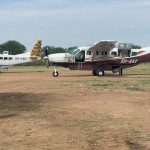
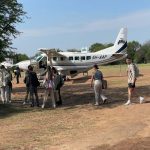
Travellers with limited time can consider domestic or charter flights to airstrips serving northern Tanzania’s safari circuit.
Flights can be useful when combining the Ngorongoro region with Serengeti or other remote destinations. However, onward road transfers and hiking arrangements still need to be organised.
10. Ngorongoro Highlands Entry Fees and Hiking Charges
The Ngorongoro Highlands are part of the wider Ngorongoro Conservation Area, and visitors should understand that charges can differ according to the attraction and activity.
There is no single universal fee that covers every experience in the highlands.
Depending on your itinerary, charges may include:
- Ngorongoro Conservation Area entry fees.
- Short-walk or guided-walk fees.
- Ranger or guide arrangements.
- Crater service fees if visiting Ngorongoro Crater by vehicle.
- Accommodation concession charges where applicable.
- Vehicle-related fees.
- Additional charges for special activities.
General Ngorongoro Conservation Area Entry Fee
The NCAA tariff portal displays the following base entry rates for the general conservation area:
| Visitor category | Adult (16 years and above) | Child (5–15 years) |
|---|---|---|
| Non-East African visitor | USD 60 | USD 20 |
| East African Community citizen | TZS 10,000 | TZS 2,000 |
| Tanzanian citizen | TZS 10,000 | TZS 2,000 |
| Expatriate | USD 30 | USD 10 |
Children below five years are listed as free in the relevant categories.
These are published base figures. Applicable taxes and any changes to the official tariff should be confirmed before travel.
Short-Walk Fees
The NCAA tariff portal lists short-walk charges for the conservation area, including:
| Visitor category | Adult | Child (5–15 years) |
|---|---|---|
| Non-East African visitor | USD 20 | USD 10 |
| East African Community citizen | TZS 10,000 | TZS 5,000 |
| Tanzanian citizen | TZS 5,000 | TZS 2,500 |
| Expatriate | USD 20 | USD 10 |
These are published tariff figures, not a complete quotation for every hike. Confirm whether a particular trail requires additional ranger, guide, transport or other charges.
Does a Ngorongoro Crater Service Fee Apply to Highland Hikes?
The crater service fee is associated with taking a vehicle into Ngorongoro Crater. It should not automatically be added to a hiking-only visit to Olmoti, Empakaai or another highland attraction.
If your itinerary combines a crater game drive with a highland hike, the relevant charges for both activities may apply.
For the latest official rates, visit the Ngorongoro Conservation Area Authority tariff portal.
Important: Ask your tour operator to itemise the fees for your chosen activities. This will help you understand which conservation charges, walking fees and transport costs are included in the safari price.
11. Where to Stay When Visiting the Ngorongoro Highlands
Accommodation options are available around the Ngorongoro Conservation Area, on the crater rim and in nearby Karatu.
The best location depends on which highland attractions you intend to visit.
Luxury Accommodation
Luxury lodges and tented camps are suitable for travellers seeking comfort, excellent service and scenic surroundings.
Options in the wider Ngorongoro region include:
- Ngorongoro Crater Lodge.
- Ngorongoro Serena Safari Lodge.
- Lemala Ngorongoro Tented Camp.
These properties are particularly convenient for visitors combining the highlands with a crater game drive, although the exact suitability depends on the location of the planned hike.
Mid-Range Accommodation
Mid-range lodges provide comfortable rooms, meals and access to the surrounding safari destinations.
Options include:
- Ngorongoro Wildlife Lodge.
- Rhino Lodge.
- Ngorongoro Farm House.
Budget Accommodation
Karatu offers a range of more affordable hotels, guesthouses, lodges and campsites.
It is a convenient accommodation base for visitors exploring the Ngorongoro region and nearby Lake Manyara National Park.
Choosing the Right Accommodation
If your main interest is hiking around Olmoti and Empakaai, discuss the route and starting point with your operator before choosing a lodge. A property that is convenient for a crater game drive may not necessarily be the most practical base for every highland trail.
Always confirm current accommodation availability, rates, meal arrangements and any applicable conservation-related charges.
12. What to Pack for a Ngorongoro Highlands Tour
The highlands have cooler conditions than the surrounding lowlands, particularly in the early morning and evening. Visitors undertaking hikes should pack appropriately.
Recommended items include:
- Warm jacket or fleece.
- Comfortable hiking trousers.
- Waterproof jacket.
- Sturdy hiking boots with good grip.
- Warm socks.
- Sun hat or cap.
- Sunglasses.
- Sunscreen.
- Reusable drinking water bottle.
- Small backpack.
- Camera and spare batteries.
- Binoculars.
- Personal medication.
- Snacks for longer walks, where permitted.
For higher-altitude hikes such as Mount Lolmalasin, appropriate clothing and physical preparation are particularly important.
13. Important Rules for Visiting the Ngorongoro Highlands
The Ngorongoro Highlands form part of a protected conservation landscape. Visitors must follow the rules established by the Ngorongoro Conservation Area Authority.
Important guidelines include:
- Book walking activities in advance: Some hikes require prior arrangements with the conservation authority.
- Walk with an authorised ranger: Walking activities must be accompanied by an armed ranger.
- Follow designated trails: Do not leave authorised routes or enter restricted areas.
- Respect wildlife: Maintain safe distances and never approach, feed or disturb wild animals.
- Avoid littering: Carry rubbish out of the natural environment.
- Respect local communities: Ask permission before photographing Maasai residents and follow local customs.
- Wear suitable clothing: Highland weather can change quickly, so carry warm and waterproof clothing.
- Follow guide instructions: Guides and rangers understand local conditions and wildlife risks.
- Avoid disturbing vegetation: Do not remove plants, flowers, rocks or other natural materials.
- Respect cultural and sacred sites: Some locations have cultural significance to local communities.
The NCAA provides guided nature walks, cultural tours, hiking and other activities through qualified guides and rangers. <Cite refs={[“turn689168search0”]}/>
14. Sample 3-Day Ngorongoro Highlands Tour
A three-day itinerary offers a good introduction to the Ngorongoro Highlands, allowing visitors to explore volcanic attractions, enjoy a guided hike and experience local culture.
Day 1: Arusha to Ngorongoro Highlands – Scenic Journey and Cultural Experience
After breakfast, depart from Arusha and travel towards the Ngorongoro region.
The journey passes through the northern Tanzanian countryside, with opportunities to admire rural settlements, agricultural landscapes and the Great Rift Valley region.
Depending on your route and available time, you may stop in Mto wa Mbu for a cultural village experience before continuing towards the Ngorongoro Highlands.
Arrive at your lodge or camp, check in and spend the remainder of the day relaxing.
Accommodation: Ngorongoro or Karatu lodge.
Meals: Lunch and dinner, depending on the package.
Day 2: Olmoti Crater and Empakaai Crater Exploration
After an early breakfast, meet your guide and ranger for a day exploring the volcanic landscapes of the Ngorongoro Highlands.
Begin with a guided hike around Olmoti Crater, enjoying views of the surrounding grasslands, forested slopes and the Munge River landscape.
Depending on the arrangement, continue towards the waterfall area before proceeding to Empakaai Crater.
At Empakaai, enjoy a guided walk along the crater landscape and take in views of the lake and surrounding forest.
The day’s activities depend on walking conditions, transport logistics and the time required for each hike.
Return to your accommodation in the afternoon or early evening.
Accommodation: Ngorongoro or Karatu lodge.
Meals: Breakfast, lunch and dinner.
Day 3: Maasai Cultural Experience and Return to Arusha
After breakfast, visit an approved Maasai cultural boma to learn about traditional homes, cattle keeping, beadwork and community life.
Your local guide will explain the cultural significance of pastoralism and the relationship between the Maasai communities and the Ngorongoro landscape.
After the visit, begin your return journey to Arusha.
Depending on your departure time, you may include a stop at another attraction along the route.
Meals: Breakfast and lunch, depending on the package.
This itinerary is an example and can be adjusted to include Mount Lolmalasin, Endoro Waterfalls, Olduvai Gorge or a Ngorongoro Crater game drive.
15. Can You Combine the Ngorongoro Highlands with a Ngorongoro Crater Safari?
Yes. Combining the Ngorongoro Highlands with a Ngorongoro Crater game drive is one of the best ways to experience the diversity of the conservation area.
The crater is famous for its wildlife, including lions, buffaloes, elephants, zebras, wildebeest and black rhinoceroses.
The highlands, on the other hand, offer volcanic scenery, hiking, forest walks, waterfalls and cultural experiences.
Combining the two provides a more complete understanding of the region.
A longer itinerary can also include:
- Serengeti National Park: Famous for its large wildlife populations, open plains and wildebeest migration.
- Lake Manyara National Park: Known for its forest habitats, birdlife and tree-climbing lions.
- Tarangire National Park: Famous for elephants and baobab trees.
- Mto wa Mbu: A cultural tourism destination with village walks, local food and traditional farming.
- Olduvai Gorge: An important archaeological location associated with human evolution.
16. Is a Visit to the Ngorongoro Highlands Worth It?
Absolutely. The Ngorongoro Highlands are an excellent destination for travellers who want to experience more than the traditional wildlife safari.
The region offers a combination of outdoor adventure, cultural learning, geological exploration and spectacular scenery.
It is particularly suitable for:
- Travellers interested in hiking and mountain landscapes.
- Nature lovers and birdwatchers.
- Photographers seeking volcanic scenery.
- Visitors interested in Maasai culture.
- Families and small groups seeking guided nature experiences, where suitable trails are selected.
- Travellers combining wildlife safaris with outdoor activities.
- Visitors who have already explored Ngorongoro Crater and want to discover more of the conservation area.
If you have enough time, consider spending at least two or three days exploring selected highland attractions rather than rushing through them in a single excursion.
17. Frequently Asked Questions About the Ngorongoro Highlands
1. Where are the Ngorongoro Highlands located?
The Ngorongoro Highlands are located in northern Tanzania within the wider Ngorongoro Conservation Area, between the Serengeti region and the Great Rift Valley.
2. What can I see in the Ngorongoro Highlands?
Visitors can explore Olmoti Crater, Empakaai Crater, Mount Lolmalasin, the Northern Highlands Forest Reserve, Endoro Waterfalls, Olkarien Gorge and other natural attractions.
3. Can I hike in the Ngorongoro Highlands?
Yes. Guided hiking and walking activities are available at selected locations, including Olmoti Crater, Empakaai Crater and Mount Lolmalasin. Walking arrangements must be made in advance, and an authorised armed ranger is required.
4. How difficult is the Olmoti Crater hike?
The Olmoti hike involves walking uphill towards the crater rim, followed by additional walking if you wish to reach the waterfall area. It is generally suitable for visitors with reasonable fitness, although the terrain can be uneven.
5. Is Empakaai Crater worth visiting?
Yes. Empakaai is known for its scenic crater lake, forested slopes and opportunities for guided hiking. It is particularly attractive to travellers who enjoy nature walks and volcanic landscapes.
6. Can I see wildlife during a Ngorongoro Highlands hike?
Wildlife can be encountered in the wider highlands, but sightings are not guaranteed. The main purpose of many highland hikes is to explore landscapes, vegetation, birdlife and geological features.
7. What is the highest mountain in the Ngorongoro Highlands?
Mount Lolmalasin is one of the highest mountains in Tanzania, rising to approximately 3,700 metres above sea level. It is a challenging hiking destination and requires proper preparation.
8. What is the best time to visit the Ngorongoro Highlands?
June to October is a popular period for hiking because conditions are generally drier. The highlands can also be visited during other months, although rainfall may affect trails and visibility.
9. Can I visit a Maasai village in the Ngorongoro Highlands?
Yes. Visitors can arrange cultural experiences at designated Maasai bomas within the conservation area. These visits provide insight into traditional homes, livestock keeping, beadwork and community life.
10. How many days should I spend in the Ngorongoro Highlands?
Two or three days provide a good introduction to the region. Travellers interested in longer hikes, several crater visits and cultural experiences may prefer a longer stay.
11. Do I need a guide to visit the Ngorongoro Highlands?
Yes, walking activities must be arranged through the appropriate conservation authority channels and accompanied by an authorised armed ranger. A local safari operator can help organise the required arrangements.
12. Can I combine the Ngorongoro Highlands with Serengeti National Park?
Yes. The highlands can be included in a longer northern Tanzania itinerary that also visits Serengeti, Ngorongoro Crater, Lake Manyara and Tarangire.
18. Book Your Ngorongoro Highlands Tour with Epic Uganda Vacation
A visit to the Ngorongoro Highlands offers a remarkable opportunity to discover another side of northern Tanzania. Beyond the famous wildlife-rich crater, this landscape reveals ancient volcanic formations, scenic mountain trails, highland forests, waterfalls and the cultural heritage of the Maasai people.
Whether you are interested in hiking Olmoti Crater, exploring Empakaai, climbing Mount Lolmalasin, birdwatching or visiting a traditional Maasai boma, the highlands offer memorable experiences for nature lovers and adventurous travellers.
Epic Uganda Vacation can help you plan a personalised Tanzania safari combining the Ngorongoro Highlands with other destinations across the Northern Safari Circuit.
Your itinerary can include:
- Ngorongoro Highlands hiking and nature walks.
- Ngorongoro Crater wildlife game drives.
- Maasai cultural experiences.
- Serengeti National Park wildlife safaris.
- Lake Manyara National Park.
- Tarangire National Park.
- Mto wa Mbu village tours.
- Olduvai Gorge archaeological visits.
We can help arrange accommodation, transport, professional guides, authorised hiking arrangements and a safari programme suited to your travel dates and budget.
Explore our 14 Days Kenya-Tanzania Classic Wildlife Photo Safari for inspiration, or contact Epic Uganda Vacation to request a personalised Tanzania safari quotation.
Discover the volcanic beauty, cultural heritage and natural wonders of the Ngorongoro Highlands with a well-planned East African adventure.