How to Get to Akagera National Park, Things to Do and Where to Stay
How to Get to Akagera National Park: A Complete Visitor’s Guide
Akagera National Park is one of Rwanda’s most remarkable wildlife destinations, offering visitors an opportunity to experience an authentic African savannah safari. Located in eastern Rwanda along the border with Tanzania, the park is famous for its rolling grasslands, woodland, lakes, wetlands and diverse wildlife.
Unlike Rwanda’s mountainous gorilla trekking destinations, Akagera provides a completely different safari experience. It is home to the Big Five – lions, leopards, elephants, buffaloes and rhinos – as well as giraffes, zebras, hippos, crocodiles, antelopes and numerous bird species.
Whether you are planning a one-day wildlife excursion from Kigali or a multi-day Rwanda safari, Akagera National Park is an excellent destination for game drives, boat cruises, birdwatching, photography and nature experiences.
This guide explains how to get to Akagera National Park, the available transport options, the best things to do, where to stay, the best time to visit and practical information to help you plan your safari.
1. Where Is Akagera National Park Located?
Akagera National Park is situated in Rwanda’s Eastern Province, along the international border with Tanzania. It is approximately 110 kilometres from Kigali, Rwanda’s capital, and covers about 1,200 square kilometres of protected wilderness.
The park is named after the Akagera River, which flows along its eastern boundary and feeds a network of lakes, papyrus swamps and wetlands. These water systems support a wide range of wildlife and make Akagera one of the most important wetland ecosystems in the region.
Akagera’s landscape consists of:
-
Open savannah grasslands and rolling hills.
-
Woodlands and acacia trees.
-
Papyrus swamps and marshlands.
-
Lakes, including Lake Ihema and Lake Shakani.
-
Riverine vegetation along the Akagera River.
Its location makes it convenient for travellers arriving through Kigali International Airport who want to include a traditional wildlife safari in their Rwanda holiday.
2. How to Get to Akagera National Park
There are several ways to reach Akagera National Park, depending on your budget, travel preferences and available time. The most common option is travelling by road from Kigali, although helicopter transfers are also possible.
Getting to Akagera National Park by Road from Kigali
Driving from Kigali is the easiest and most popular way to reach Akagera National Park. The park is approximately 110 kilometres from the capital, and the journey takes around 2 to 2.5 hours, depending on traffic and road conditions.
Most visitors begin their journey in Kigali or directly from Kigali International Airport.
The usual driving route follows these directions:
-
Depart Kigali and drive towards the eastern part of Rwanda.
-
Continue through Rwamagana town.
-
Proceed towards Kayonza.
-
At Kayonza, follow the road towards Kabarondo.
-
Follow the signposts directing you towards Akagera National Park and the southern entrance.
The southern entrance is the main access point for visitors arriving from Kigali. Self-drive visitors should confirm the current entry arrangements with park management before travelling, as access rules can change.
Which vehicle should you use?
A 4×4 safari vehicle is recommended, particularly when exploring the park’s internal tracks during the rainy season. Although the main road from Kigali is generally accessible by ordinary vehicles, some wildlife-viewing routes inside the park can become challenging after rainfall.
For a comfortable experience, visitors can hire a private 4×4 vehicle with a professional driver-guide through a local Rwanda tour operator.
Getting to Akagera National Park by Air
Travellers who prefer a quicker and more exclusive transfer can arrange a helicopter flight from Kigali to Akagera National Park.
Akagera Aviation offers helicopter services, including private and charter transfers. The flight takes approximately 20–25 minutes, depending on the departure point and landing arrangements.
Flying is particularly suitable for luxury travellers, business visitors and those combining several destinations in Rwanda within a short holiday.
Helicopter transfers should be arranged in advance, with the operator confirming landing arrangements, availability and applicable charges.
Getting to Akagera National Park Using Public Transport
Public transport is possible for budget-conscious travellers, but it is not the most convenient way to explore Akagera.
Visitors can take public transport from Kigali towards Kayonza or Kabarondo and arrange additional local transport towards the park entrance. However, public transport does not provide convenient access to the park’s wildlife-viewing areas, and motorcycles and ordinary taxis cannot substitute for a safari vehicle inside the park.
Since Akagera is a large protected area, visitors need suitable transport to move between different wildlife-viewing locations.
For this reason, booking a guided safari with a reliable tour operator is recommended.
3. Things to Do in Akagera National Park
Akagera offers a variety of activities for wildlife enthusiasts, nature lovers, photographers, families and adventure travellers. From traditional game drives to boat excursions and cultural encounters, visitors can enjoy several experiences during their stay.
3.1 Game Drives in Akagera National Park
Game drives are among the most popular things to do in Akagera National Park. They provide opportunities to explore the park’s savannah plains, woodlands, wetlands and lakes while searching for different wildlife species.
Akagera is particularly famous for the Big Five:
-
Lions: Reintroduced to the park in 2015, lions are among its most exciting predators to encounter.
-
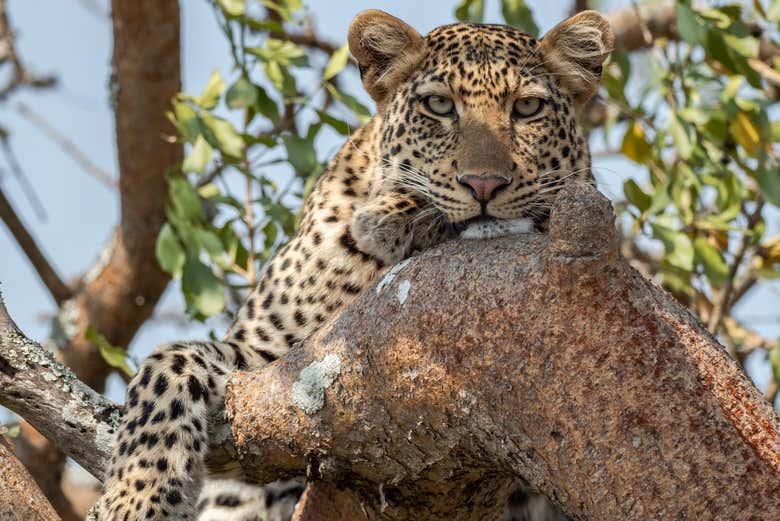
Leopards: These elusive cats inhabit the park’s woodland and savannah environments.
-
Elephants: Large herds can sometimes be spotted moving through the grasslands and woodlands.
-
Buffaloes: Often seen grazing in open grasslands and gathering around water sources.
-
Rhinoceroses: Both black and white rhinos contribute to Akagera’s successful wildlife restoration story.
Other animals commonly encountered include Masai giraffes, zebras, impalas, topis, waterbucks, hippos, crocodiles and various antelope species.
Visitors can explore the park independently using their own suitable vehicles or book guided game drives with experienced guides.
Morning and late-afternoon game drives are particularly rewarding because wildlife is often more active during the cooler hours.
3.2 Boat Cruise on Lake Ihema
A boat cruise on Lake Ihema is another excellent activity to include in your Akagera safari.
Lake Ihema is one of the largest lakes in the park and supports a rich aquatic ecosystem. The boat excursion allows visitors to observe wildlife from the water while enjoying views of the surrounding wetlands and forested shores.
During the cruise, you may encounter:
-
Hippopotamuses resting or swimming in the lake.
-
Nile crocodiles basking along the shores.
-
African fish eagles hunting above the water.
-
African jacanas walking across floating vegetation.
-
Kingfishers and other water-associated bird species.
Boat trips also offer excellent opportunities for wildlife photography, particularly during the morning and late-afternoon excursions.
Scheduled boat excursions are generally available at 7:30 am, 9:00 am, 3:00 pm and 4:30 pm, subject to operational arrangements. Private excursions may also be organised.
3.3 Birdwatching in Akagera National Park
Akagera is an outstanding birdwatching destination, with more than 480 recorded bird species. Its combination of wetlands, lakes, grasslands and woodlands provides habitats for a wide range of resident and migratory birds.
Some notable birds to look out for include:
-
Shoebill stork.
-
Papyrus gonolek.
-
African fish eagle.
-
Grey crowned crane.
-
African jacana.
-
Saddle-billed stork.
-
Red-faced barbet.
-
Various kingfishers and herons.
The wetlands around Lake Ihema and the papyrus swamps are particularly interesting for birdwatchers.
Visitors interested in specialised birding can arrange guided excursions with knowledgeable birding guides who understand the park’s different habitats.
3.4 Night Game Drives
A night game drive provides a different perspective on Akagera’s wildlife. Unlike daytime safaris, night drives focus on animals that become active after sunset.
With the assistance of an experienced guide and a spotlight, visitors may encounter nocturnal species such as bush babies, genets, civets, hyenas and other night-active animals. There is also a possibility of spotting predators moving through the darkness.
Night drives are particularly suitable for visitors staying overnight inside or close to the park. They must be arranged through authorised park or accommodation operators.
3.5 Hot Air Balloon Safari
For a unique wildlife experience, visitors can book a hot air balloon safari over Akagera National Park.
The experience provides aerial views of the park’s extensive savannah plains, lakes, wetlands and wildlife. Early morning flights allow travellers to appreciate the landscape as the sun rises over eastern Rwanda.
A balloon safari is an excellent addition to a luxury Rwanda wildlife holiday, particularly for couples, photographers and travellers looking for something beyond conventional game drives.
Advance reservations are recommended, as flights depend on weather conditions and operational availability.
3.6 Sport Fishing on Lake Shakani
Lake Shakani offers visitors an opportunity to enjoy recreational fishing in a peaceful natural environment.
Fishing provides a relaxing alternative to game drives and allows visitors to spend time along the lake’s shores while enjoying the surrounding scenery.
Visitors should arrange fishing activities through park management and follow the applicable regulations. Fishing equipment and other requirements should be confirmed before arrival.
3.7 Community and Cultural Experiences
A safari in Akagera can also include cultural experiences in the neighbouring communities.
Visitors can learn about traditional cattle keeping, milk production, local banana-beer preparation and honey production through community-led visits.
These experiences provide insight into the livelihoods and traditions of people living around the park. They also contribute to community tourism and conservation through locally shared tourism revenue.
3.8 Behind-the-Scenes Conservation Experiences
Travellers interested in wildlife conservation can arrange a visit to Akagera’s park headquarters to learn about the work involved in protecting the park.
The experience offers insight into wildlife monitoring, anti-poaching efforts, habitat management and the relationship between conservation and neighbouring communities.
It is particularly interesting for educational groups, conservation enthusiasts and travellers who want to understand how Akagera developed into one of Rwanda’s leading wildlife destinations.
4. Where to Stay in Akagera National Park
Akagera offers a range of accommodation options, from luxury safari lodges and comfortable tented camps to affordable campsites. Visitors can choose accommodation inside the park or in nearby towns, depending on their budget and safari itinerary.
Staying inside the park is particularly recommended because it allows you to start early morning game drives and enjoy additional activities such as night drives.
Here are some of the accommodation options to consider.
4.1 Ruzizi Tented Lodge
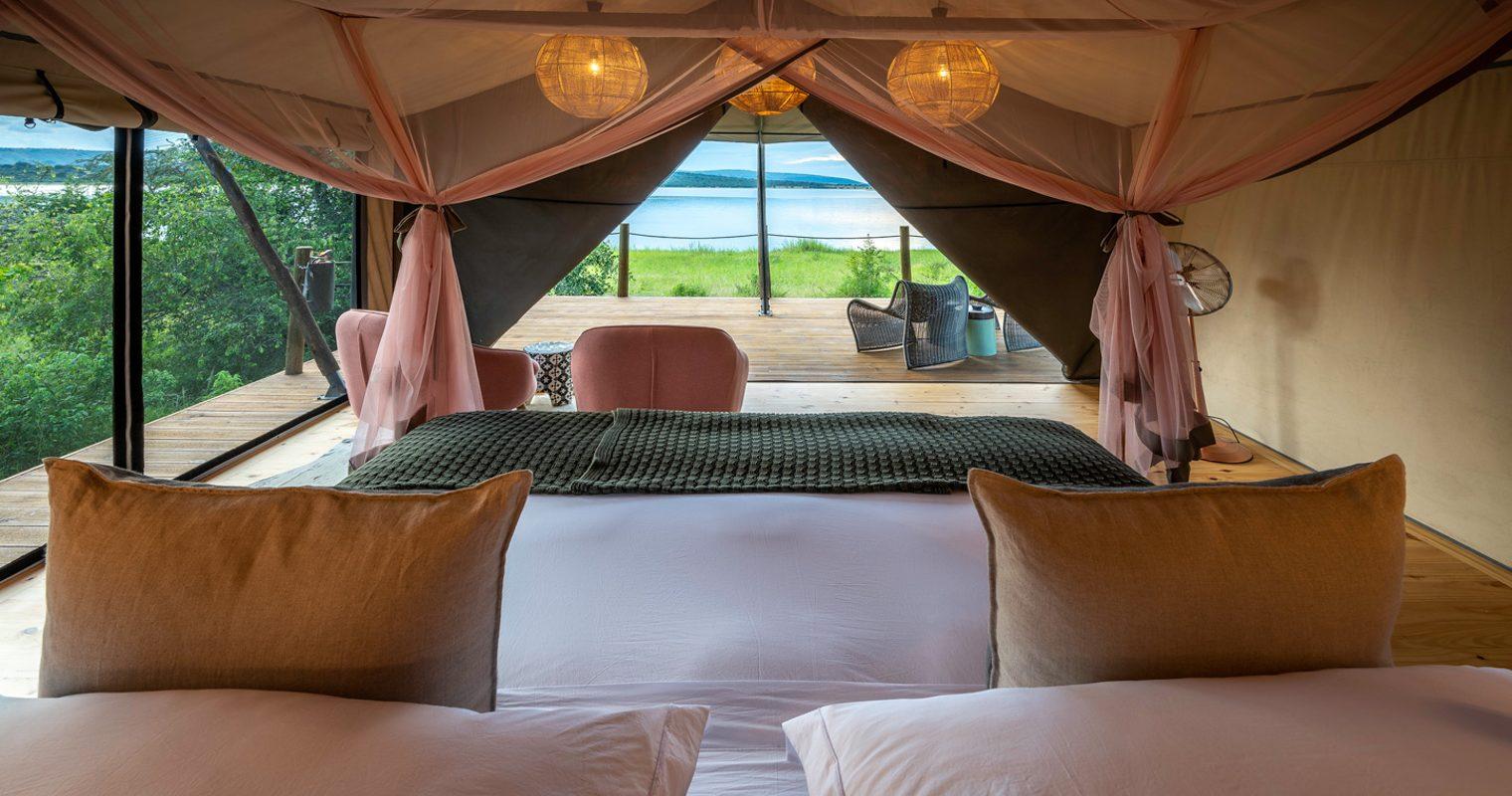
Ruzizi Tented Lodge is an excellent option for visitors looking for an intimate eco-friendly safari experience.
The lodge is situated along the shores of Lake Ihema, surrounded by natural vegetation and beautiful lake views. It features comfortable safari tents connected by wooden walkways and offers an opportunity to enjoy nature without compromising comfort.
Facilities and experiences include:
-
Comfortable en-suite safari tents.
-
Restaurant and dining facilities.
-
Views overlooking Lake Ihema.
-
Access to boat excursions.
-
Guided game drives and night drives.
-
Relaxing outdoor spaces.
It is particularly suitable for couples, honeymooners and travellers seeking a comfortable safari experience.
4.2 Wilderness Magashi Camp
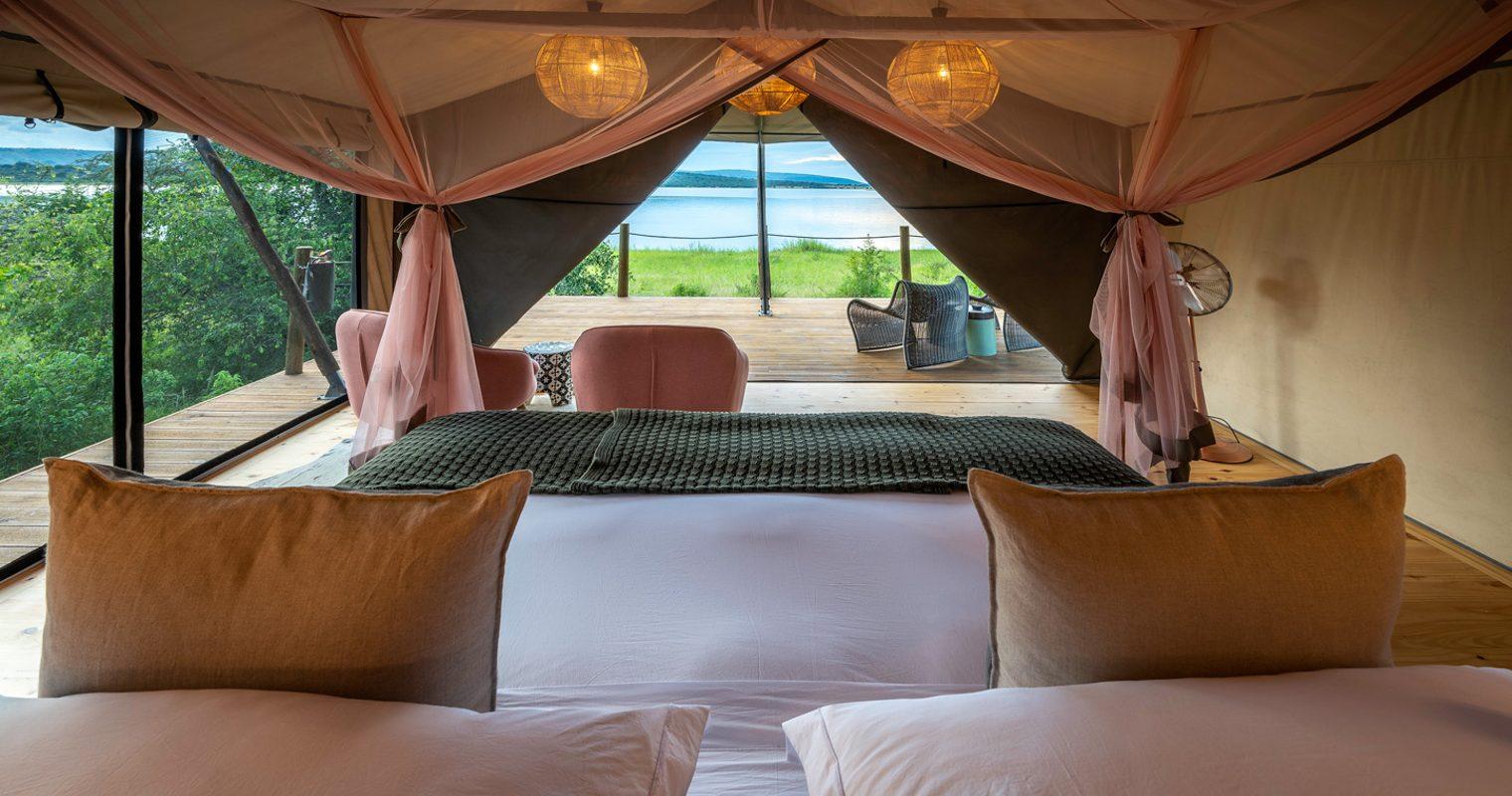
Wilderness Magashi Camp is a luxury safari camp located in the northern part of Akagera National Park, overlooking Lake Rwanyakazinga.
The camp offers an exclusive wilderness experience with excellent opportunities for wildlife viewing, guided game drives and boat activities.
Its location in the park’s northern wilderness makes it suitable for travellers interested in exploring a less-visited section of Akagera.
Magashi is particularly recommended for luxury travellers, honeymooners and visitors seeking an exclusive safari experience.
4.3 Karenge Bush Camp
Karenge Bush Camp is a seasonal-style bush camp situated in the northern plains of Akagera.
The camp offers an immersive wilderness experience, with canvas tents positioned in a scenic natural setting. Its location provides access to wildlife-rich areas and makes it an excellent choice for visitors planning an extended safari.
Karenge is suitable for travellers who appreciate simple but comfortable accommodation and a close connection with nature.
4.4 SALT of Akagera
SALT of Akagera is another accommodation option for visitors seeking a comfortable safari stay.
The property offers a hospitality experience connected to the natural environment and surrounding communities. It is worth considering when comparing lodge options and planning a wildlife holiday in Akagera.
4.5 Akagera National Park Campsites
For budget travellers and camping enthusiasts, Akagera has several designated campsites.
The main campsites include:
-
Muyumba Campsite: Located in the southern part of the park, offering scenic views of the surrounding landscape.
-
Shakani Campsite: Situated near Lake Shakani and suitable for visitors interested in fishing and nature.
-
Mutumba Campsite: Located in the central section of the park.
-
Mihindi Campsite: Found in the northern part of the park, near Lake Mahindi.
Camping allows visitors to enjoy a more adventurous experience while exploring Akagera’s natural environment.
Facilities vary between campsites, so it is advisable to confirm available amenities, camping equipment and reservations before travelling.
5. Best Time to Visit Akagera National Park
Akagera National Park can be visited throughout the year, although wildlife-viewing conditions vary depending on the season.
The park experiences two main dry seasons and two rainy seasons.
Dry Season: June to September
The June-to-September period is generally favourable for wildlife viewing. Vegetation becomes less dense, and animals frequently gather around available water sources.
This makes it easier to spot elephants, buffaloes, giraffes, zebras and other wildlife.
The dry season is particularly suitable for:
-
Game drives.
-
Wildlife photography.
-
Exploring different sections of the park.
-
Family safaris.
Short Dry Season: December to February
December to February is another good period to visit Akagera. The weather is generally favourable for outdoor activities, and visitors can enjoy game drives and boat excursions.
Rainy Seasons: March to May and October to November
During the rainy seasons, parts of Akagera become greener, creating beautiful scenery for photography and birdwatching.
However, some internal tracks can become muddy and challenging to navigate. A 4×4 vehicle is recommended during these months.
The best time for your safari will depend on your interests. For traditional wildlife viewing, the dry months are generally a good choice, while birdwatchers may enjoy the greener seasons.
6. Akagera National Park Entrance Fees and Safari Costs
Before visiting Akagera, it is important to understand the park entrance fees and additional activity charges.
The following are selected rates from the official 2026 Akagera National Park pricing schedule.
Park entrance fees
| Visitor category | 1 day/night | 2 nights | 3 nights |
|---|---|---|---|
| International visitors | $100 | $150 | $200 |
| Foreign residents in Rwanda/EAC | $50 | $75 | $100 |
| Rwandan/EAC citizens | RWF 15,000 | RWF 22,500 | RWF 30,000 |
| Pan-African visitors outside EAC | $50 | $75 | $100 |
These are per-person fees. Residency and nationality categories have specific eligibility requirements, and supporting documentation may be required.
Selected activity fees
| Activity | Adult rate |
|---|---|
| Scheduled morning/day boat trip | $35 |
| Scheduled sunset boat trip | $45 |
| Private boat trip (maximum 11 people) | $200 |
| Night game drive | $40 per person |
| Fishing | $25 per person |
| Half-day guided game drive | $200 per vehicle |
| Full-day guided game drive | $350 per vehicle |
| Behind-the-scenes tour | $25 per person |
| Camping | $25 per person/night |
Prices are in US dollars unless otherwise indicated. These are selected 2026 official rates, not a complete list. Accommodation, transport and some additional charges are separate.
Important payment information: Akagera operates a cashless payment system. Available payment methods include credit cards, online payments, bank transfers and MTN Mobile Money. Confirm the latest rates and payment arrangements before your visit.
Akagera National Park
7. How Many Days Do You Need in Akagera National Park?
The number of days required depends on the activities you want to experience and the time available for your Rwanda holiday.
One-Day Akagera Safari
A one-day safari is suitable for visitors with limited time. You can depart Kigali early in the morning, enjoy a game drive, take a boat cruise on Lake Ihema if timings permit, and return to Kigali in the evening.
However, a day trip offers limited time to explore the park’s different sections.
Two-Day Akagera Safari
A two-day safari is a good option for travellers who want a more relaxed experience.
You can enjoy a morning game drive, explore the southern plains, take a boat excursion and spend the night at one of the park’s lodges or campsites.
The second day can include another game drive and additional wildlife viewing before returning to Kigali.
Three-Day Akagera Safari
A three-day safari is ideal for visitors who want to explore more of the park.
You can discover the southern and northern sections, enjoy guided game drives, take a boat cruise, participate in birdwatching and possibly arrange a night drive.
This option also provides more flexibility for photography and wildlife observation.
8. Suggested 2-Day Akagera National Park Safari Itinerary
Day 1: Kigali to Akagera National Park – Game Drive and Boat Cruise
After breakfast, your driver-guide will pick you up from your hotel in Kigali and begin the journey towards Akagera National Park.
Upon arrival, complete the park entry formalities and proceed for a game drive through the southern section of the park.
Look out for elephants, giraffes, zebras, buffaloes, antelopes and, with some luck, lions and rhinos.
Later, enjoy a boat excursion on Lake Ihema to observe hippos, crocodiles and waterbirds.
After the activities, transfer to your selected lodge for dinner and an overnight stay.
Day 2: Morning Game Drive – Return to Kigali
Wake up early for breakfast before heading out for a morning game drive.
Explore more of Akagera’s savannah landscapes and search for wildlife that may have been missed on the previous day.
After the game drive, begin your return journey to Kigali, arriving in the afternoon.
End of safari.
9. Combining Akagera National Park with Other Rwanda Destinations
One of the advantages of visiting Akagera is that it can easily be combined with other attractions in Rwanda.
Akagera and Volcanoes National Park
Combine a savannah wildlife safari in Akagera with mountain gorilla trekking in Volcanoes National Park.
This combination offers two contrasting experiences: viewing the Big Five in Akagera and trekking through mountain forests to encounter endangered mountain gorillas.
Akagera and Nyungwe Forest National Park
Combine wildlife viewing in Akagera with chimpanzee trekking, birdwatching and the famous canopy walkway in Nyungwe National Park.
This is an excellent option for nature lovers and primate enthusiasts.
Akagera and Lake Kivu
After exploring Akagera, continue towards Lake Kivu for relaxation, boat excursions and scenic lakeside experiences.
Lake Kivu is particularly suitable for travellers looking to combine wildlife adventures with a relaxing holiday.
10. Important Tips for Visiting Akagera National Park
Before setting off on your safari, consider the following travel tips:
-
Book accommodation early: Popular safari lodges can become fully booked, especially during busy travel periods.
-
Use a suitable vehicle: A 4×4 vehicle is recommended for exploring the park, particularly during rainy weather.
-
Start your game drive early: Morning hours provide good opportunities to observe active wildlife.
-
Carry binoculars: These are particularly useful for birdwatching and spotting animals at a distance.
-
Bring appropriate clothing: Pack lightweight clothing, comfortable shoes, a hat and a light jacket for cooler mornings.
-
Follow park regulations: Do not feed animals, leave your vehicle in unauthorised areas or disturb wildlife.
-
Respect wildlife distances: Always follow your guide’s instructions and maintain a safe distance from animals.
-
Confirm activity schedules: Boat cruises, night drives and other activities should be arranged in advance where possible.
-
Carry your travel documents: Keep identification and any relevant residency documentation available.
-
Allow sufficient time: If you want to explore the northern plains, consider staying for at least two nights.
11. Frequently Asked Questions About Akagera National Park
1. How far is Akagera National Park from Kigali?
Akagera National Park is approximately 110 kilometres from Kigali. Driving from the capital takes around 2–2.5 hours, depending on traffic and road conditions.
2. Can I visit Akagera National Park in one day?
Yes. Akagera can be visited on a one-day safari from Kigali. However, an overnight stay is recommended if you want enough time for game drives, birdwatching and a boat cruise on Lake Ihema.
3. Does Akagera National Park have the Big Five?
Yes. Akagera is home to lions, leopards, elephants, buffaloes and both black and white rhinoceroses.
4. Can I see lions in Akagera National Park?
Yes. Lions were reintroduced in 2015, and the park has an established lion population. However, wildlife sightings are never guaranteed.
5. Is Akagera National Park suitable for families?
Yes. Akagera offers family-friendly wildlife experiences, including game drives, boat excursions and comfortable accommodation options. Families should check age requirements for individual activities.
6. Which gate is used to enter Akagera National Park?
The main self-drive entrance is the southern Mutumba Gate. Visitors should confirm current access arrangements with park management before departure.
7. What is Akagera National Park famous for?
Akagera is famous for its Big Five wildlife, beautiful savannah landscapes, Lake Ihema boat safaris, birdwatching and successful wildlife conservation initiatives.
8. Can I combine Akagera with gorilla trekking in Rwanda?
Absolutely. Akagera can be combined with gorilla trekking in Volcanoes National Park to create a memorable Rwanda safari featuring both savannah wildlife and mountain gorillas.
12. Plan Your Akagera National Park Safari with Epic Uganda Vacation
Akagera National Park is an excellent destination for travellers looking to discover Rwanda’s wildlife and natural beauty. From exciting Big Five game drives and boat cruises on Lake Ihema to birdwatching and cultural experiences, the park offers a rewarding African safari.
Whether you have one day or several days to explore, proper planning will help you make the most of your visit.
At Epic Uganda Vacation, we organise customised Rwanda and East African safaris, including Akagera wildlife tours, gorilla trekking, chimpanzee tracking and multi-country safari holidays.
We can arrange private transportation, professional driver-guides, accommodation, park activities and personalised itineraries based on your travel dates and budget.
Are you planning to visit Akagera National Park? Contact Epic Uganda Vacation to organise your Akagera wildlife safari or combine it with gorilla trekking and other exciting destinations in Rwanda.