Lake Rwanyakazinga in Akagera National Park, Rwanda: Wildlife, Things to Do and Where to Stay
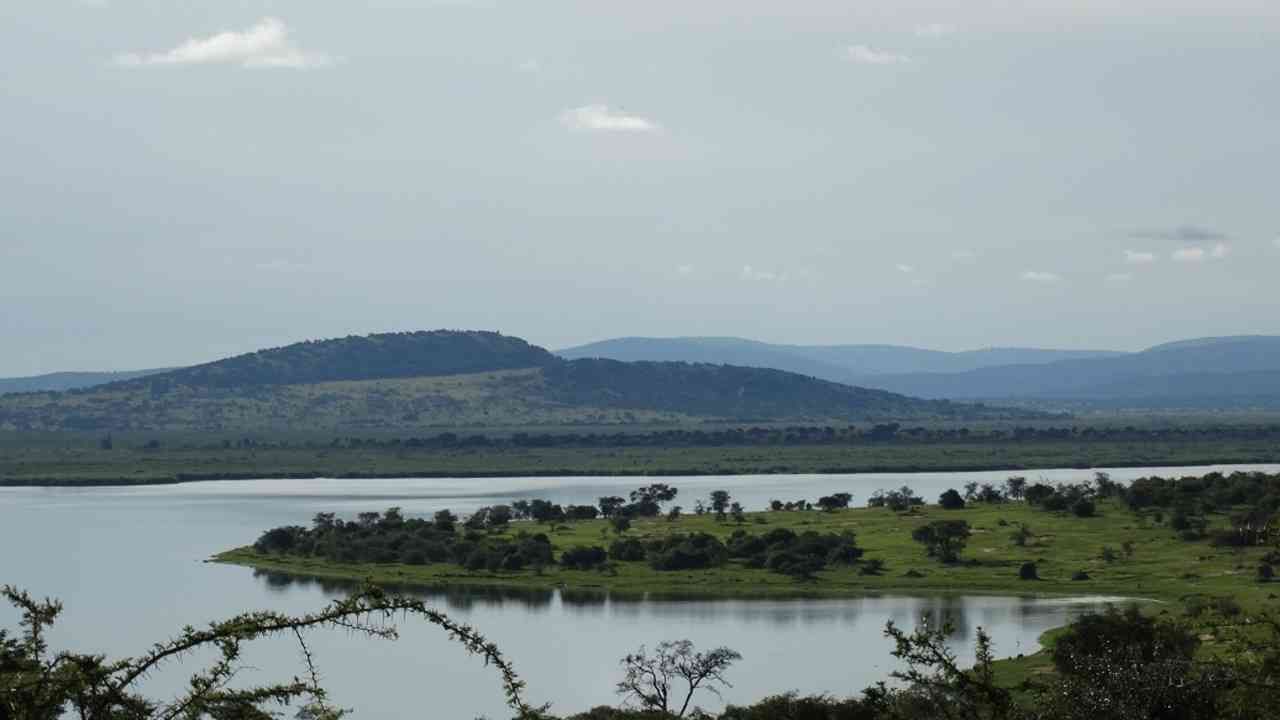
Lake Rwanyakazinga: Discover One of Rwanda’s Beautiful Lakes in Akagera National Park
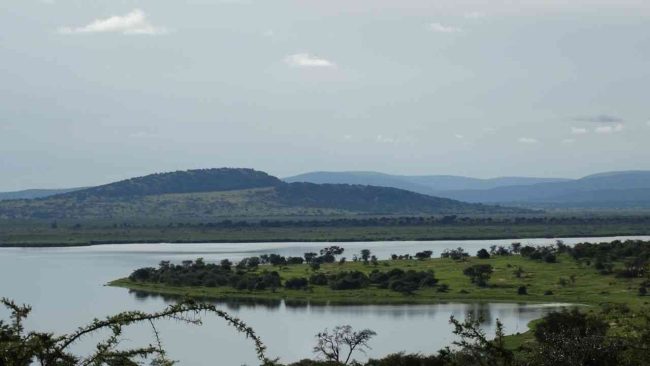
Lake Rwanyakazinga is one of the beautiful natural attractions found in Akagera National Park in eastern Rwanda. Surrounded by savannah landscapes, wetlands and woodland vegetation, the lake forms part of the park’s important aquatic ecosystem, supporting different wildlife species and providing habitats for numerous birds.
Located in the northern section of Akagera National Park, Lake Rwanyakazinga is particularly associated with the remote wilderness experience offered by the park’s northern plains. Its calm waters, scenic surroundings and rich biodiversity make it an interesting destination for nature lovers, wildlife photographers, birdwatchers and safari enthusiasts.
The lake is also an important feature of the Magashi wilderness area, where visitors can enjoy accommodation and safari experiences overlooking the surrounding landscape.
Whether you are planning a wildlife safari, a birdwatching holiday or a relaxing stay in the Rwandan wilderness, Lake Rwanyakazinga is worth including in your Akagera National Park itinerary.
This guide explores the location of Lake Rwanyakazinga, its wildlife, things to do, nearby accommodation, how to get there and the best time to visit.
1. Where Is Lake Rwanyakazinga Located?
Lake Rwanyakazinga is located in the northeastern part of Akagera National Park, in Rwanda’s Eastern Province. It lies within the park’s northern wilderness area, close to the Tanzanian border.
The lake is surrounded by extensive wetlands, open grasslands and woodland habitats that support a variety of wildlife species. Its location makes it an important feature of the northern Akagera ecosystem.
One of the most notable attractions along the lake is Wilderness Magashi Camp, a luxury safari camp overlooking the lake.
Lake Rwanyakazinga is particularly known for:
- Large populations of hippopotamuses.
- Nile crocodiles inhabiting its waters.
- Diverse aquatic and wetland bird species.
- Scenic landscapes and natural wetlands.
- Opportunities for guided boat excursions and wildlife photography.
The lake contributes to the ecological importance of Akagera, one of Rwanda’s significant protected wetland and savannah ecosystems.
2. Wildlife Found Around Lake Rwanyakazinga
Lake Rwanyakazinga supports a rich ecosystem that provides food, water and shelter for different wildlife species.
Hippopotamuses
Hippos are among the most commonly associated animals with Lake Rwanyakazinga. They spend much of their day submerged in the water to protect themselves from the sun and emerge during cooler hours to graze.
Visitors may observe groups of hippos resting in the lake or surfacing near the shoreline.
Nile Crocodiles
The lake also supports Nile crocodiles, which inhabit its waters and occasionally bask along the banks.
These large reptiles are important predators within the aquatic ecosystem. Visitors should maintain a safe distance and observe them only during authorised guided activities.
Sitatunga Antelope
The sitatunga is one of the interesting antelope species associated with Akagera’s wetland habitats.
It is specially adapted to swampy environments, with elongated hooves that help it move through muddy vegetation.
This elusive antelope is difficult to spot because it often hides among papyrus reeds and dense wetland vegetation.
Other Wildlife in the Surrounding Area
The northern section of Akagera supports a variety of savannah animals, including:
- African elephants.
- African buffaloes.
- Masai giraffes.
- Zebras.
- Impalas.
- Waterbucks.
- Topis.
- Elands.
- Lions and leopards.
Although these animals are not all permanent residents of the lake’s immediate shoreline, they can be encountered during game drives around the surrounding northern plains.
3. Birdwatching Around Lake Rwanyakazinga
Lake Rwanyakazinga is an interesting destination for birdwatchers because its wetlands and surrounding vegetation provide suitable habitats for numerous bird species.
The lake and its papyrus-fringed surroundings attract waterbirds, wetland specialists and other species associated with aquatic environments.
Birds that visitors may look out for include:
- Shoebill stork.
- African fish eagle.
- Papyrus gonolek.
- African jacana.
- Malachite kingfisher.
- Grey crowned crane.
- Various herons and egrets.
- Cormorants and other waterbirds.
The shoebill is particularly interesting to birdwatchers because of its distinctive appearance and specialised feeding habits.
For serious birding enthusiasts, guided excursions with knowledgeable local guides provide better opportunities to identify different species and understand their habitats.
Akagera National Park has recorded more than 500 bird species, making it one of Rwanda’s important birdwatching destinations.
4. Things to Do at Lake Rwanyakazinga
There are several ways to experience Lake Rwanyakazinga and its surrounding wilderness. Most activities are arranged through Magashi Camp and its authorised safari operations.
4.1 Boat Safaris on Lake Rwanyakazinga
A boat safari is one of the most memorable experiences available around Lake Rwanyakazinga.
Visitors can explore the lake’s waters while observing hippos, crocodiles and different aquatic bird species.
The excursion also provides opportunities to appreciate the surrounding wetlands, vegetation and scenic landscapes from a different perspective.
Unlike a traditional game drive, a boat safari allows visitors to explore the aquatic environment and observe animals that spend much of their time in the water.
Boat excursions on Lake Rwanyakazinga should be arranged through the relevant northern-sector operator, particularly Magashi Camp. The regularly advertised public boat trips at Akagera operate on Lake Ihema in the southern section, not Lake Rwanyakazinga.
4.2 Game Drives Around the Northern Plains
Game drives around the northern plains provide opportunities to explore the savannah habitats surrounding Lake Rwanyakazinga.
The northern section of Akagera is particularly rewarding for wildlife viewing because of its open grasslands, woodland patches and diverse animal populations.
During guided game drives, visitors may encounter lions, elephants, buffaloes, giraffes, zebras and different antelope species.
The area is also important for leopard conservation, although sightings of these elusive cats are not guaranteed.
4.3 Guided Nature Walks
Guided nature walks provide a closer appreciation of Akagera’s natural environment.
Accompanied by experienced guides, visitors can explore selected areas while learning about the park’s vegetation, birdlife, smaller wildlife and conservation efforts.
Nature walks are particularly interesting for visitors who want to understand the ecological relationship between the lake, wetlands and surrounding savannah.
Walks must take place in authorised areas under approved guiding arrangements.
4.4 Fishing Experiences
Fishing is another experience associated with the Magashi wilderness area.
Visitors can enquire about guided fishing opportunities, including catch-and-release experiences, depending on the applicable park regulations and camp arrangements.
It offers a relaxing alternative to traditional wildlife viewing while enjoying the peaceful surroundings of the lake.
4.5 Wildlife Photography
Lake Rwanyakazinga offers excellent opportunities for nature and wildlife photography.
The combination of open water, papyrus vegetation, wildlife and changing light creates beautiful photographic settings.
Some of the best photographic subjects include:
- Hippos emerging from the water.
- Crocodiles resting along the shoreline.
- Waterbirds hunting and feeding.
- Elephants visiting nearby water sources.
- Sunrise and sunset landscapes.
Visitors should carry cameras with suitable zoom lenses and binoculars to observe animals without approaching them.
5. Where to Stay Around Lake Rwanyakazinga
Wilderness Magashi Camp
The most notable accommodation associated with Lake Rwanyakazinga is Wilderness Magashi Camp.
The luxury safari camp is located in a private concession within Akagera National Park, overlooking Lake Rwanyakazinga.
It offers an exclusive wilderness experience for visitors seeking comfortable accommodation, wildlife viewing and personalised safari activities.
Accommodation highlights include:
- Spacious luxury safari tents.
- Private en-suite facilities.
- Views overlooking Lake Rwanyakazinga.
- Restaurant and dining facilities.
- Swimming pool.
- Lounge and outdoor viewing deck.
- Guided wildlife experiences.
- Boat excursions and birdwatching.
The camp offers a combination of luxury and nature, making it suitable for honeymooners, couples, wildlife photographers and travellers seeking an exclusive Rwanda safari.
Guests can enjoy guided game drives, nature walks, birdwatching and boating experiences, subject to camp arrangements and availability.
Other Accommodation Options in Akagera
Visitors who do not stay at Magashi can consider other accommodation facilities in Akagera, including:
- Karenge Bush Camp: Located in the northern plains and suitable for visitors seeking an immersive wilderness experience.
- Ruzizi Tented Lodge: Overlooking Lake Ihema in the southern section of the park.
- SALT of Akagera: A safari accommodation option connecting visitors with the park’s wildlife and surrounding communities.
These properties are not situated directly on Lake Rwanyakazinga, so visitors should consider travel distances when planning their activities.
6. How to Get to Lake Rwanyakazinga
Lake Rwanyakazinga is located in the northern part of Akagera National Park. Travellers generally reach the park from Kigali before continuing towards the northern wilderness area.
By Road from Kigali
The journey from Kigali to the northern part of Akagera takes longer than travelling to the southern entrance.
Visitors should allow approximately 3–4 hours or more, depending on the destination, road conditions and stops along the way.
The journey passes through Rwanda’s Eastern Province, with routes towards Rwamagana, Kayonza and the northern access areas.
A 4×4 safari vehicle is recommended, particularly during the rainy season.
By Helicopter
Travellers seeking a faster and more exclusive transfer can enquire about helicopter charter services from Kigali.
Helicopter arrangements should be made in advance, with the operator confirming the landing point and transfer arrangements to Magashi Camp.
Important Access Information
Akagera’s official visitor information identifies the southern Mutumba Gate as the self-drive entry point. Do not assume that Lake Rwanyakazinga or Magashi can be accessed through an ordinary public northern entrance.
Visitors planning to stay at Magashi should coordinate their transfer and park access directly with the camp.
7. Best Time to Visit Lake Rwanyakazinga
Lake Rwanyakazinga can be visited throughout the year, although wildlife-viewing conditions vary depending on the season.
June to September – Main Dry Season
This is generally a favourable period for wildlife viewing. Vegetation becomes less dense, and animals are easier to observe around water sources.
December to February – Short Dry Season
These months also offer favourable conditions for game drives, wildlife photography and outdoor activities.
March to May and October to November – Rainy Seasons
The rainy seasons transform the surrounding landscape into a greener environment. This period can be rewarding for birdwatching and scenic photography, although some roads may become muddy.
For the best overall wildlife-viewing experience, consider travelling during the dry seasons.
8. Combining Lake Rwanyakazinga with Other Rwanda Destinations
Lake Rwanyakazinga can be included in a wider Rwanda safari itinerary, particularly for travellers interested in combining wildlife experiences with primate trekking and scenic destinations.
Volcanoes National Park
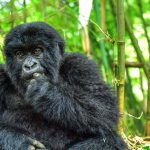
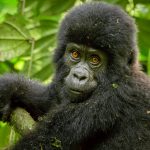
Combine a savannah safari in Akagera with mountain gorilla trekking and golden monkey tracking in Volcanoes National Park.
Nyungwe National Park
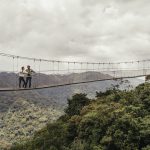
Enjoy chimpanzee trekking, forest birdwatching and canopy walkway experiences in Nyungwe National Park.
Lake Kivu
Relax along the lakeshore, enjoy boat excursions and explore Rwanda’s beautiful lakeside towns.
Kigali
Discover Rwanda’s history, culture, markets and the Kigali Genocide Memorial.
9. Frequently Asked Questions About Lake Rwanyakazinga
1. Where is Lake Rwanyakazinga located?
Lake Rwanyakazinga is located in the northeastern section of Akagera National Park in Rwanda’s Eastern Province.
2. What is Lake Rwanyakazinga famous for?
The lake is known for its hippos, Nile crocodiles, aquatic birdlife, scenic wetlands and its association with Wilderness Magashi Camp.
3. Can visitors take a boat cruise on Lake Rwanyakazinga?
Boat excursions can be arranged through the relevant northern-sector safari operator, particularly Magashi Camp. These should be organised in advance.
4. What animals can I see at Lake Rwanyakazinga?
Visitors may see hippos, crocodiles and different waterbirds around the lake. The surrounding northern plains also support elephants, buffaloes, lions, giraffes, zebras and antelopes.
5. Where can I stay near Lake Rwanyakazinga?
Wilderness Magashi Camp is the main luxury accommodation overlooking Lake Rwanyakazinga.
6. Is Lake Rwanyakazinga suitable for birdwatching?
Yes. The lake’s wetlands and surrounding vegetation provide habitats for numerous waterbirds and other wetland species, making it an interesting destination for birdwatchers.
7. Can I visit Lake Rwanyakazinga on a one-day Akagera safari?
It is possible to explore Akagera on a day safari, but reaching the northern lake area and arranging activities there requires additional time and logistics. An overnight stay is more suitable, particularly at Magashi Camp.
10. Plan Your Rwanda Wildlife Safari with Epic Uganda Vacation
Lake Rwanyakazinga is an excellent destination for travellers looking to explore the quieter and more remote wilderness of Akagera National Park. Its rich aquatic ecosystem, beautiful landscapes, hippos, crocodiles and birdlife create memorable safari experiences.
Whether you are interested in boat excursions, birdwatching, game drives or luxury accommodation overlooking the lake, this destination deserves consideration when planning a Rwanda wildlife safari.
At Epic Uganda Vacation, we organise customised Rwanda and East African safari holidays, including Akagera wildlife safaris, mountain gorilla trekking, chimpanzee tracking and multi-country itineraries.
We can help you combine Lake Rwanyakazinga with other destinations in Rwanda and Uganda according to your travel dates, interests and budget.
Contact Epic Uganda Vacation to plan your Rwanda safari and discover the wildlife and natural beauty of Akagera National Park.