Lake Mutanda Uganda: A Complete Guide to Activities, Islands and Volcano Views
Lake Mutanda Uganda is one of the most beautiful destinations in southwestern Uganda, offering spectacular scenery, peaceful waters, and views of the Virunga Mountains. Located in Kisoro District near Mgahinga Gorilla National Park and Bwindi Impenetrable National Park, this freshwater lake is an excellent destination for travellers seeking relaxation, outdoor adventures, cultural experiences, and nature photography.
Surrounded by green hills, terraced farmland, and volcanic peaks, Lake Mutanda provides a tranquil escape from busy towns and cities. Visitors can explore the lake by traditional dugout canoe, discover its islands, enjoy birdwatching, take guided community walks, and admire the magnificent scenery of the Virunga volcanoes.
Whether you are planning a gorilla trekking safari, a mountain hiking adventure, or a relaxing holiday in southwestern Uganda, Lake Mutanda is a worthwhile addition to your itinerary.
Where Is Lake Mutanda Located?
Lake Mutanda is located in Kisoro District in southwestern Uganda, close to the borders with Rwanda and the Democratic Republic of the Congo. It lies approximately 15–20 kilometres from Kisoro town, depending on the route and destination along the lakeshore.
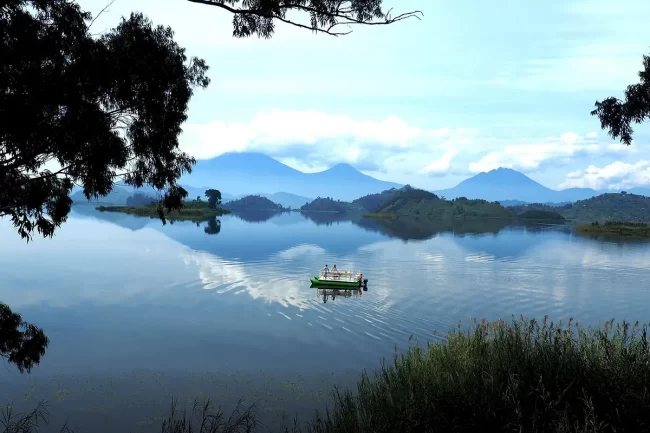
The lake sits within the scenic highlands of the Albertine Rift, with the Virunga Mountains forming a dramatic backdrop. On clear days, visitors can enjoy views of several volcanic peaks, including Mount Muhabura, Mount Gahinga, and Mount Sabyinyo.
Lake Mutanda is also conveniently located for travellers visiting Mgahinga Gorilla National Park and Bwindi Impenetrable National Park. This makes it an attractive stop before or after gorilla trekking, golden monkey tracking, and mountain hiking.
Unlike the busy wildlife-viewing areas found in some national parks, Lake Mutanda offers a quieter experience centred on scenery, water-based activities, local culture, and relaxation.
What Makes Lake Mutanda Special?
Lake Mutanda stands out because of its combination of freshwater scenery, scattered islands, surrounding hills, and volcanic views. Its peaceful atmosphere makes it suitable for travellers who want to experience another side of Uganda beyond traditional wildlife safaris.
The lake also has an important place in the lives of surrounding communities, supporting local livelihoods and offering opportunities for community-based tourism.
Some of the highlights of visiting Lake Mutanda include:
- Spectacular views of the Virunga Mountains.
- Traditional dugout canoe excursions.
- Visits to selected islands on the lake.
- Birdwatching and nature photography.
- Guided walks through surrounding villages.
- Opportunities to learn about local culture and livelihoods.
- Access to gorilla trekking and volcanic hiking destinations nearby.
For photographers, the combination of water, islands, misty hills, and mountain scenery makes Lake Mutanda an especially rewarding destination.
Best Things to Do at Lake Mutanda
1. Take a Traditional Dugout Canoe Trip
A canoe excursion is one of the most memorable activities at Lake Mutanda. Visitors can travel across the water in traditional dugout canoes while enjoying views of the surrounding hills, islands, and volcanic landscape.
Guided excursions can provide insight into the lake’s environment and the ways local communities use its waters. Depending on the arrangement, visitors may stop at selected islands or explore quieter sections of the shoreline.
Early mornings and late afternoons can be particularly attractive for photography, when the changing light creates beautiful reflections across the lake.
Always use an experienced local guide, follow the operator’s safety instructions, and wear an appropriate flotation device where provided or required.
2. Explore the Islands of Lake Mutanda
Lake Mutanda contains several small islands that contribute to its distinctive scenery. Exploring selected islands by canoe or boat offers a different perspective of the lake and the surrounding countryside.
Some guided island excursions also introduce visitors to local history and community traditions. The specific islands visited and the activities available depend on local access arrangements.
Visitors should respect private land, local customs, and any cultural sites encountered during their excursion.
3. Enjoy Birdwatching at Lake Mutanda
Lake Mutanda and its surrounding wetlands, hills, and cultivated landscapes provide opportunities for birdwatching.
Visitors may encounter water-associated birds, forest-edge species, and other birds adapted to the highland environment. The range of habitats around the lake makes it worthwhile for bird enthusiasts to explore with a knowledgeable local guide.
Bring binoculars and a camera with a suitable zoom lens if bird photography is one of your interests. Early morning walks and quiet canoe trips can offer rewarding opportunities to observe birds without disturbing them.
4. Take a Guided Nature Walk
The countryside surrounding Lake Mutanda is ideal for guided walks. Trails and village routes may pass through cultivated hillsides, small settlements, and areas overlooking the water.
Walking with a local guide provides opportunities to learn about farming, plants, local livelihoods, and the relationship between communities and the surrounding environment.
Some excursions combine a short canoe journey with a walk along the shoreline or into nearby hills. Routes and walking durations vary, so choose an excursion that matches your fitness level and interests.
5. Experience Local Culture and Community Tourism
Lake Mutanda is surrounded by communities whose livelihoods are closely connected to agriculture, fishing, and the local landscape.
Community-based tourism experiences can introduce visitors to traditional practices, handicrafts, local food, and everyday life in Kisoro District.
Depending on the provider, activities may include village walks, visits to local craft makers, coffee experiences, or cultural demonstrations.
Choose community-led experiences that respect local traditions, obtain consent before photographing people, and contribute fairly to the people providing the service.
6. Relax and Enjoy the Scenery
Not every activity at Lake Mutanda needs to be physically demanding. The lake is an excellent place to slow down after a long gorilla trek or a challenging mountain hike.
Spend time relaxing at a lakeside lodge, watching the light change across the volcanoes, reading by the water, or enjoying a peaceful afternoon surrounded by nature.
For couples, photographers, and travellers seeking a quiet retreat, the combination of scenic accommodation and mountain views makes Lake Mutanda an appealing destination.
7. Enjoy Photography Around the Lake
Lake Mutanda offers excellent opportunities for landscape photography. The islands, reflections, green hills, and Virunga volcanoes create varied compositions throughout the day.
Early mornings may bring mist over the water, while late afternoons can provide warm light across the hills. Weather conditions determine visibility, so allow enough time to enjoy the landscape rather than relying on a single photography session.
A waterproof bag is useful when travelling by canoe, particularly if you are carrying a camera or other electronic equipment.
Lake Mutanda and the Virunga Mountains
One of the greatest attractions of Lake Mutanda is its proximity to the Virunga Mountains, a chain of volcanic peaks extending across Uganda, Rwanda, and the Democratic Republic of the Congo.
The surrounding landscape is dominated by striking mountains, including:
Mount Muhabura: A prominent volcanic peak rising to approximately 4,127 metres above sea level. It is a popular choice for experienced hikers seeking a challenging climb.
Mount Gahinga: A volcanic mountain associated with bamboo forest habitats and the wider Mgahinga conservation landscape.
Mount Sabyinyo: A rugged Virunga volcano whose slopes meet the borders of Uganda, Rwanda, and the Democratic Republic of the Congo.
The mountains provide a dramatic backdrop for canoeing, photography, and lakeside relaxation. Visibility depends on weather conditions, and clouds may obscure the peaks at certain times.
Travellers interested in mountain adventures can explore our guides to Mount Muhabura
Lake Mutanda and Gorilla Trekking
Lake Mutanda is an excellent destination to combine with gorilla trekking in southwestern Uganda.
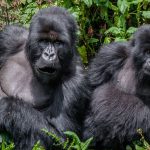
The lake lies within reach of two important conservation areas: Mgahinga Gorilla National Park and Bwindi Impenetrable National Park. Both are renowned for protecting endangered mountain gorillas.
Gorilla Trekking in Mgahinga Gorilla National Park
Mgahinga Gorilla National Park is part of the Virunga conservation landscape and offers guided mountain gorilla trekking. The park also provides opportunities for golden monkey tracking and volcanic hiking.
Visitors can arrange a gorilla trekking experience through the appropriate authorities and spend additional time relaxing at Lake Mutanda.
Learn more about Mgahinga Gorilla National Park.
Gorilla Trekking in Bwindi Impenetrable National Park
Bwindi Impenetrable National Park is another major mountain gorilla destination in southwestern Uganda. Travellers visiting the southern sectors of Bwindi may find Lake Mutanda a convenient addition to their itinerary, depending on accommodation and road arrangements.
Gorilla trekking requires a separate permit, and the experience involves hiking through forest terrain with trained park guides.
Read our guide to gorilla trekking in Uganda.
Golden Monkey Tracking
Golden monkeys inhabit the bamboo forests of the Virunga region. Mgahinga Gorilla National Park offers guided golden monkey tracking, which can complement a stay at Lake Mutanda.
As with gorilla trekking, advance planning is recommended because permits and activity availability can vary.
Best Time to Visit Lake Mutanda
Lake Mutanda can be visited throughout the year, but relatively dry periods generally provide favourable conditions for outdoor activities, road travel, and mountain views.
June to September: This is generally one of the preferred periods for visiting southwestern Uganda. Drier conditions can make nature walks and travel between destinations easier, although rainfall is still possible.
December to February: These months can also offer favourable conditions for canoeing, sightseeing, and combining the lake with gorilla trekking or hiking.
March to May: This is typically a wetter period, when muddy trails and reduced visibility may affect some activities.
October to November: Rainfall can also make outdoor excursions more challenging, although the landscape is often lush and green.
The climate around Lake Mutanda is influenced by its elevation. Mornings and evenings can be cool, particularly when clouds or mist cover the surrounding hills.
Pack a light waterproof jacket, comfortable walking shoes, warm clothing for the evening, and sun protection regardless of the season.
How to Get to Lake Mutanda
Lake Mutanda is accessible from Kisoro town in southwestern Uganda. Visitors can travel by road from other parts of Uganda or arrange a domestic flight to a suitable nearby airstrip, followed by a road transfer where available.
From Kampala or Entebbe
Travelling by road from Kampala or Entebbe involves a long journey through southwestern Uganda. The exact duration depends on your starting point, traffic, road conditions, and stops along the way.
For travellers with limited time, a domestic flight towards the Kisoro area may be an option when services are operating and suitable schedules are available.
From Kisoro Town
Kisoro is the nearest major town and a practical base for reaching Lake Mutanda. From town, visitors can arrange a private vehicle or a transfer through their accommodation.
Travel time varies according to the lakeside destination and road conditions.
From Mgahinga Gorilla National Park
Lake Mutanda can be combined with activities in Mgahinga Gorilla National Park. The journey depends on your accommodation, the park entrance you are using, and the day’s itinerary.
If you plan to trek gorillas in the morning, arrange your transport and accommodation carefully to avoid unnecessary travel after the activity.
Where to Stay at Lake Mutanda
Accommodation around Lake Mutanda ranges from community-based eco-tourism facilities to lakeside lodges offering views of the water and surrounding volcanoes.
When selecting accommodation, consider your budget, preferred comfort level, transport requirements, and planned activities.
Look for properties that offer convenient access to canoe trips, guided walks, or transfers to Mgahinga and Bwindi. If you intend to take part in an early-morning activity, confirm the distance to the meeting point and whether transport is included.
You can also explore accommodation through the Mutanda Eco Community or learn about activities offered by Mutanda lake resort. Confirm current availability, services, and prices directly with the property before booking.
Responsible Tourism and Conservation at Lake Mutanda
Lake Mutanda’s scenic landscape and surrounding wetlands are valuable natural resources. Responsible tourism can help support local livelihoods while encouraging protection of the lake and its environment.
Visitors can contribute by choosing local guides, using community-based tourism services, avoiding litter, and respecting the lake’s wildlife and vegetation.
During canoe excursions, follow your guide’s instructions and avoid disturbing birds or other animals. Do not leave plastic waste or other rubbish along the shoreline.
Community tourism is also an opportunity to learn about local life respectfully. Ask permission before taking photographs of residents, and support local businesses when purchasing crafts or participating in cultural activities.
By travelling responsibly, visitors can help ensure that Lake Mutanda remains an attractive destination for future generations.
Sample One-Day Lake Mutanda Itinerary
A day at Lake Mutanda can combine water-based activities, scenic walks, and time to relax.
Morning: Begin with a guided dugout canoe excursion across the lake. Enjoy the scenery, observe birdlife, and visit selected islands where access is permitted.
Late morning: Return to shore for breakfast or refreshments before taking a guided walk through the surrounding countryside.
Afternoon: Enjoy lunch at your accommodation, relax by the lake, or arrange a community-based cultural experience.
Late afternoon: Spend time photographing the lake and the Virunga volcanoes as the light changes.
Travellers combining Lake Mutanda with gorilla trekking should allow additional time for travel and recovery rather than trying to fit every activity into a single day.
Plan Your Lake Mutanda Uganda Safari
Lake Mutanda is a wonderful destination for travellers seeking scenic landscapes, peaceful canoe excursions, cultural encounters, and mountain views in southwestern Uganda. Its location near Mgahinga Gorilla National Park and Bwindi Impenetrable National Park makes it especially suitable for combining relaxation with gorilla trekking, golden monkey tracking, and volcanic hiking.
Whether you are planning a short lakeside retreat or a longer Uganda safari, Lake Mutanda offers an opportunity to experience the natural beauty and community life of the country’s southwestern highlands.
Epic Uganda Vacation can help you plan a Lake Mutanda experience as part of a customised Uganda safari, including suitable accommodation, transport, gorilla trekking, and other regional activities.
Contact our team through the Epic Uganda Vacation enquiry page to plan your visit to Lake Mutanda.
Frequently Asked Questions About Lake Mutanda
Where is Lake Mutanda located?
Lake Mutanda is located in Kisoro District in southwestern Uganda, near Mgahinga Gorilla National Park and Bwindi Impenetrable National Park.
What is Lake Mutanda famous for?
Lake Mutanda is known for its scenic islands, traditional canoe excursions, birdwatching, surrounding green hills, and views of the Virunga Mountains.
What activities can I do at Lake Mutanda?
Popular activities include dugout canoe trips, island visits, birdwatching, photography, guided nature walks, community visits, and relaxing at lakeside accommodation.
Can I combine Lake Mutanda with gorilla trekking?
Yes. Lake Mutanda can be combined with gorilla trekking in Mgahinga Gorilla National Park or suitable sectors of Bwindi Impenetrable National Park. The best itinerary depends on your accommodation, permits, and transport arrangements.
When is the best time to visit Lake Mutanda?
June to September and December to February are generally preferred for outdoor activities, although the lake can be visited year-round. Rainfall and mountain visibility vary.
How long should I spend at Lake Mutanda?
One day is sufficient for a canoe trip, sightseeing, and a short walk. An overnight stay is ideal for travellers who want to relax and enjoy the scenery or combine the lake with gorilla trekking.
Is swimming possible at Lake Mutanda?
Swimming opportunities may be offered by some lakeside accommodation providers. Conditions and safety arrangements vary, so confirm locally before entering the water and follow the advice of your host.
Where can I stay near Lake Mutanda?
There are lakeside lodges and community-based accommodation options in the area. Confirm current facilities, availability, prices, and transport arrangements directly with your preferred property.