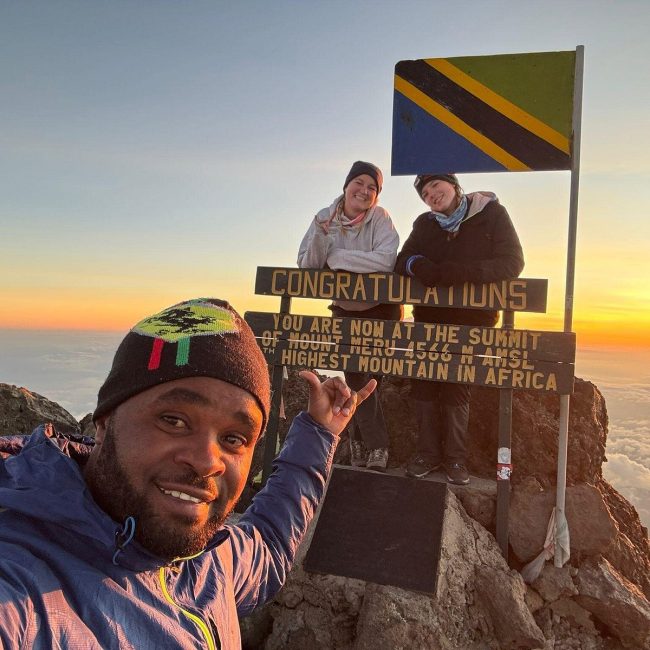
Mount Meru Tanzania: Hiking, Climbing, Itinerary and Travel Guide
Mount Meru is one of Tanzania’s most spectacular mountain destinations, offering challenging high-altitude trekking, dramatic volcanic scenery and opportunities to encounter wildlife along the lower slopes. Rising to approximately 4,566 metres above sea level, Mount Meru is Tanzania’s second-highest mountain after Mount Kilimanjaro and a rewarding destination for adventure travellers visiting northern Tanzania.
Located within Arusha National Park, Mount Meru features forested slopes, giant heather, alpine vegetation, a dramatic crater rim and sweeping views across the surrounding landscape. On clear mornings, hikers reaching Socialist Peak may enjoy spectacular views of Mount Kilimanjaro rising above the clouds.
Although Mount Meru is lower than Kilimanjaro, its summit climb should not be underestimated. The route includes steep sections, high-altitude terrain and a demanding summit attempt that usually begins before sunrise.
For travellers seeking a memorable mountain adventure, a four-day Mount Meru climb combines physical challenge, natural beauty and a deeper appreciation of Tanzania’s volcanic landscapes.
At Epic Uganda Vacation, we can help you plan a tailor-made East African adventure that includes Mount Meru, wildlife safaris and other destinations in northern Tanzania.
Where Is Mount Meru?
Mount Meru is located in northern Tanzania, within Arusha National Park, approximately 30–40 kilometres from Arusha city, depending on the starting point and route.
Its location makes it convenient for travellers staying in Arusha before or after a safari. The mountain can also be incorporated into itineraries featuring Tarangire National Park, Ngorongoro Conservation Area and Serengeti National Park.
Mount Meru is an impressive stratovolcano shaped by volcanic activity and a major collapse of its eastern flank. The resulting horseshoe-shaped crater and steep inner walls give the mountain its distinctive appearance.
The surrounding park protects a variety of habitats, from open grasslands and montane forest to moorland and higher-altitude vegetation. This diversity makes Mount Meru more than a mountain-climbing destination: the approach can also provide opportunities to observe wildlife and explore the natural environment.
Mount Meru at a Glance
- Location: Arusha National Park, northern Tanzania
- Highest point: Socialist Peak, approximately 4,566 metres
- Mountain type: Stratovolcano
- Recommended climb duration: Four days
- Main trekking route: Momella Route
- Overnight accommodation: Miriakamba Hut and Saddle Hut
- Difficulty: Challenging
- Main activities: Mountain trekking, wildlife observation, photography and nature exploration
- Nearest major town: Arusha
- Best suited to: Fit travellers, mountain hikers and adventure enthusiasts
Why Climb Mount Meru?
Mount Meru is an excellent destination for travellers seeking a challenging mountain trek without committing to the longer expedition usually required for Kilimanjaro.
Here are some of the main reasons to consider climbing Mount Meru.
1. Reach Socialist Peak
The main objective of the climb is Socialist Peak, Mount Meru’s highest point at approximately 4,566 metres above sea level.
Reaching the summit requires determination, appropriate preparation and careful pacing. The final ascent takes place in darkness or before sunrise, depending on the itinerary and guide’s instructions.
From the upper mountain, hikers can experience dramatic views across the crater and surrounding landscapes. When weather conditions are favourable, Mount Kilimanjaro may be visible in the distance.
Summit success is never guaranteed, as altitude, weather, fitness and trail conditions all influence the outcome.
2. Experience Tanzania’s Volcanic Landscapes
Mount Meru is a fascinating destination for travellers interested in geology and natural scenery.
Its horseshoe-shaped crater, steep internal walls and volcanic formations reveal the powerful geological processes that shaped northern Tanzania.
During the ascent, the landscape changes from lower forest and woodland to heath, moorland and alpine terrain. These transitions create a varied trekking experience and offer excellent opportunities for photography.
3. Enjoy Wildlife Along the Lower Slopes
Mount Meru lies within Arusha National Park, where wildlife inhabits the lower slopes and surrounding habitats.
Depending on the route and conditions, hikers may encounter giraffes, buffaloes, warthogs, bushbuck and several primate species. Black-and-white colobus monkeys may be seen in forested areas.
Because wildlife is present along parts of the mountain approach, park-authorised ranger arrangements are an important part of the trekking experience. Visitors must follow all ranger and guide instructions.
Wildlife sightings are possible but never guaranteed.
4. Enjoy Views of Mount Kilimanjaro
One of Mount Meru’s attractions is the possibility of seeing Mount Kilimanjaro from the upper slopes or summit.
The view is particularly impressive when the weather is clear and clouds sit below the peaks. Sunrise can provide excellent photographic conditions, although visibility depends on the weather.
If you are planning to climb Kilimanjaro as well, Mount Meru can be considered as an additional trekking experience. It may provide some prior exposure to altitude, but it does not replace a proper acclimatisation plan for Kilimanjaro.
5. Explore Arusha National Park
Mount Meru can be combined with other activities in Arusha National Park, subject to your itinerary and park arrangements.
These include game drives, birdwatching, guided walking safaris and canoeing on Small Momella Lake where available.
If you have additional days, you can explore the park’s forests, lakes and volcanic scenery before or after your mountain trek.
The Best Time to Climb Mount Meru
Mount Meru can be climbed throughout the year, but weather conditions strongly influence comfort, visibility and trail safety.
June to October: These months generally offer relatively dry conditions and are popular for trekking. Trails may be less muddy, and clearer skies can improve mountain views.
January to February: This period can also offer favourable trekking conditions, although weather remains variable at higher elevations.
March to May: The long-rain period can bring wetter trails, reduced visibility and more challenging hiking conditions. Check current conditions before committing to your dates.
November to December: Short rains may affect some trails and views, but conditions vary from year to year.
No season guarantees clear skies. Temperatures can drop sharply at higher elevations, and rain, wind or cloud can occur even during relatively dry periods.
Choose your travel dates based on your priorities, and confirm current conditions with your mountain operator and park authorities.
Four-Day Mount Meru Climbing Itinerary
A four-day Mount Meru itinerary is generally recommended because it provides more time for acclimatisation than a compressed climb. The standard route follows the Momella Route, with overnight stops at designated mountain huts.
Day 1: Momella Gate to Miriakamba Hut
Your Mount Meru adventure begins with a transfer to Momella Gate in Arusha National Park. After completing the necessary park formalities and meeting your trekking team, begin the ascent towards Miriakamba Hut.
The route passes through lower mountain habitats and montane forest, with opportunities to observe the surrounding landscape and learn about the area’s ecology.
Depending on the selected walking route and conditions, you may pass through open grassland and forested areas where wildlife can sometimes be seen. Your ranger and guide will determine the appropriate route and pace.
The walk gradually takes you into the mountain environment, where temperatures may be cooler than in Arusha.
Upon reaching Miriakamba Hut, settle in, enjoy dinner and rest for the next day’s ascent.
Overnight: Miriakamba Hut.
Day 2: Miriakamba Hut to Saddle Hut
After breakfast, continue climbing towards Saddle Hut. This section gains altitude and includes steeper terrain as the trail passes through changing vegetation zones.
The forest gradually gives way to higher-altitude vegetation, including heath and moorland. As you climb, views of the surrounding landscape may open up when the weather is clear.
The slower pace is important because you are gaining elevation. Drink water regularly, eat enough and tell your guide if you develop symptoms such as a headache, nausea or dizziness.
After arriving at Saddle Hut, rest and prepare for the summit attempt. Depending on your condition, the itinerary and the guide’s advice, an optional acclimatisation walk towards Little Meru may be possible.
Return to the hut for dinner and an early night before the summit ascent.
Overnight: Saddle Hut.
Day 3: Summit Socialist Peak and Descend to Miriakamba Hut
Summit day begins very early, usually around midnight or in the early hours of the morning, according to the trekking plan and conditions.
With your guide and ranger, begin the demanding ascent towards Socialist Peak. The trail becomes more challenging as you approach the upper crater rim, with steep sections and exposed terrain.
Maintain a steady pace and follow your guide’s instructions. Cold temperatures, darkness and altitude make appropriate clothing, a headlamp and careful footing essential.
If conditions allow and you are fit to continue, reach Socialist Peak at approximately 4,566 metres above sea level. Take time to appreciate the volcanic scenery and, when visibility permits, views towards Mount Kilimanjaro.
After the summit visit, descend carefully. The return journey is long and can be tiring, so allow sufficient time for rest and hydration.
Continue down to Miriakamba Hut for a meal and overnight stay.
Overnight: Miriakamba Hut.
Important: Summit success depends on weather, altitude, fitness and the guide’s safety assessment. If conditions become unsafe or symptoms of altitude illness develop, the ascent should be stopped.
Day 4: Descend to Momella Gate and Return to Arusha
After breakfast, begin the final descent towards Momella Gate.
The descent provides another opportunity to appreciate the lower mountain habitats and surrounding scenery. Follow your guide’s instructions, particularly on slippery or uneven sections.
After reaching the exit point and completing the required formalities, meet your driver for the transfer back to Arusha.
You can continue to your hotel for a rest or arrange an onward journey as part of a longer northern Tanzania safari.
End of the four-day Mount Meru climbing adventure.
How Difficult Is Mount Meru?
Mount Meru is a challenging high-altitude trek. Although it is lower than Mount Kilimanjaro, the steep ascent and demanding summit ridge mean that it should not be treated as an easy hike.
The main challenges include:
- Long walking days and substantial elevation gain.
- A strenuous summit attempt beginning before sunrise.
- High altitude and reduced oxygen availability.
- Cold temperatures, wind and possible rain.
- Uneven, rocky or slippery trail sections.
- A long descent after reaching the summit.
You do not necessarily need advanced mountaineering experience for the standard guided route, but you should have good cardiovascular fitness, be comfortable walking uphill for several hours and prepare for a demanding summit day.
Training can include hill walks, stair climbing, longer hikes and regular aerobic exercise in the weeks before departure.
Do not ignore altitude-related symptoms. Tell your guide immediately if you feel unwell. Severe symptoms require urgent medical attention and may mean abandoning the summit attempt.
What to Pack for Mount Meru Climbing
Proper clothing and equipment are essential for a safe and comfortable mountain trek.
Recommended items include:
- Broken-in hiking boots with good grip.
- Waterproof jacket and trousers.
- Warm insulating jacket.
- Thermal base layers.
- Hiking trousers and moisture-wicking shirts.
- Warm hat, gloves and several pairs of hiking socks.
- Headlamp with spare batteries.
- Daypack and waterproof pack cover.
- Trekking poles.
- Sunglasses and sunscreen.
- Water bottles or a hydration system.
- Snacks and energy-rich food.
- Personal medication and basic first-aid supplies.
- Sleeping bag if required by your operator.
- Camera or binoculars.
Confirm what is supplied at the mountain huts and by your trekking operator. Do not assume that all bedding, equipment or meals are included in every package.
Accommodation on Mount Meru
During the standard four-day trek, hikers generally stay at Miriakamba Hut and Saddle Hut.
These are mountain accommodation facilities rather than luxury lodges. Conditions are basic, and facilities may be shared. Nights can be cold, especially at Saddle Hut, so appropriate sleeping arrangements and warm clothing are important.
Before or after the trek, you can stay in Arusha or the surrounding area. Accommodation ranges from budget guesthouses to mid-range lodges and luxury hotels.
If you are combining Mount Meru with a wildlife safari, your operator can arrange accommodation to suit your budget and travel schedule.
Can You Combine Mount Meru with Mount Kilimanjaro?
Yes. Mount Meru is often included in itineraries for travellers who also want to climb Mount Kilimanjaro.
Climbing Meru first may provide useful experience with mountain walking, camping or hut-based accommodation, early starts and some altitude exposure.
However, Mount Meru does not guarantee successful acclimatisation for Kilimanjaro. Kilimanjaro has a higher summit, different route profiles and its own altitude-related risks. You should still select a suitable Kilimanjaro itinerary with adequate acclimatisation time.
If both mountains are part of your plan, allow enough time between climbs for recovery and discuss the schedule with your operator.
What Else Can You Do Around Mount Meru?
If you have additional time in northern Tanzania, consider combining the climb with these activities:
- Arusha National Park game drive: Explore the park’s forests, open grasslands and wildlife habitats.
- Momella Lakes: Observe waterbirds and enjoy the surrounding scenery.
- Sipi-style coffee experiences? For Mount Meru, choose a local coffee-farm visit around Arusha instead, where available.
- Tarangire National Park: Search for elephants and other wildlife in a landscape known for baobabs.
- Ngorongoro Conservation Area: Explore spectacular crater scenery and diverse wildlife.
- Serengeti National Park: Spend additional days on a savannah safari, with opportunities to follow seasonal wildlife movements.
The best combination depends on the number of days you have, your budget and whether your priority is mountain trekking or wildlife viewing.
Responsible and Safe Trekking on Mount Meru
Mount Meru is part of a protected national park, and responsible tourism helps conserve its wildlife, vegetation and volcanic landscapes.
Follow these guidelines during your climb:
- Use authorised trekking and ranger arrangements.
- Stay on designated trails.
- Follow all safety instructions from your guide and ranger.
- Carry out rubbish and avoid disturbing plants or wildlife.
- Maintain a safe distance from animals.
- Drink enough water and report symptoms of altitude illness promptly.
- Respect other hikers and the mountain environment.
Weather and trail conditions can change rapidly. Your guide may alter the itinerary or stop the summit attempt when necessary. Safety should always take priority over reaching the peak.
Book Your Mount Meru Climbing Adventure with Epic Uganda Vacation
Mount Meru offers an exciting combination of mountain trekking, volcanic scenery, forest habitats and high-altitude adventure. Its four-day climbing itinerary is ideal for travellers who want to experience Tanzania’s mountain landscapes while allowing time for a more gradual ascent.
Whether you want to climb Mount Meru on its own or combine it with Mount Kilimanjaro and a northern Tanzania wildlife safari, careful planning will help you make the most of your time.
Contact Epic Uganda Vacation to discuss your travel dates, preferred accommodation, fitness level and other destinations you would like to include. We can help you plan a tailor-made East African adventure according to your interests and budget.
Thinking of an East Africa trip? Look no further.
Frequently Asked Questions About Mount Meru
1. How high is Mount Meru?
Mount Meru rises to approximately 4,566 metres above sea level. Its highest point is known as Socialist Peak.
2. How many days does it take to climb Mount Meru?
Four days is the recommended duration for the standard climb. Shorter itineraries may be offered, but a four-day plan provides more time for acclimatisation and recovery.
3. Is Mount Meru harder than Kilimanjaro?
The two mountains present different challenges. Mount Meru is lower, but its steep sections and exposed summit ridge make it demanding. Kilimanjaro is higher and generally requires a longer itinerary. Difficulty depends on the route, weather, fitness and altitude response.
4. Can beginners climb Mount Meru?
Beginners with good fitness may be able to complete the climb, but it is not a casual hiking trip. Training beforehand, following an appropriate itinerary and listening to your guide are important.
5. Do I need a guide to climb Mount Meru?
Mount Meru trekking is subject to park regulations and ranger arrangements. Confirm the current requirements with Tanzania National Parks or an authorised trekking operator before booking.
6. Can I see Mount Kilimanjaro from Mount Meru?
Yes, Mount Kilimanjaro may be visible from the upper slopes or summit on clear days. Cloud cover and weather conditions can prevent views.
7. What is the best month to climb Mount Meru?
The relatively drier periods, especially June to October and January to February, are often preferred. However, mountain weather can change at any time, and current conditions should be checked before departure.
8. Is Mount Meru part of Arusha National Park?
Yes. Mount Meru is the main mountain feature of Arusha National Park, which also protects forest, grassland, lakes and diverse wildlife habitats.