Ngurdoto Crater, Tanzania: Wildlife, Scenic Views and Things to Do
Ngurdoto Crater is one of the most beautiful natural attractions in Arusha National Park, northern Tanzania. Often described as a small version of the Ngorongoro Crater, this ancient volcanic caldera features steep forested walls, lush grasslands, swampy crater floors and rich wildlife. Its dramatic landscape makes it an excellent destination for travellers seeking scenic views, wildlife photography and nature experiences away from the busier safari circuits.
Located near Arusha and at the foothills of Mount Meru, Ngurdoto Crater is a popular highlight on northern Tanzania safari itineraries. Although visitors generally cannot descend into the crater by vehicle, designated viewpoints provide excellent opportunities to admire its landscape and observe wildlife from above.
For travellers planning a Tanzania safari, combining Ngurdoto Crater with the Momella Lakes and the forested slopes of Mount Meru offers a rewarding introduction to the diverse scenery and wildlife of Arusha National Park.
Where Is Ngurdoto Crater Located?
Ngurdoto Crater is located within Arusha National Park in northeastern Tanzania, approximately 25–30 kilometres east of Arusha city, depending on the route and starting point.
The crater lies within a protected landscape dominated by Mount Meru, montane forest, open grasslands and several alkaline lakes. Its convenient location makes it suitable for a day trip from Arusha or as part of a longer northern Tanzania safari that includes Tarangire National Park, Lake Manyara National Park, the Ngorongoro Conservation Area and Serengeti National Park.
Unlike the expansive savannahs of the Serengeti, Ngurdoto offers a combination of volcanic scenery, dense vegetation and open marshland. These contrasting habitats support a variety of wildlife and bird species.
What Makes Ngurdoto Crater Special?
Ngurdoto Crater is a volcanic caldera formed by ancient geological activity. Over time, its crater floor developed into a mosaic of grassland, marshes and wetland habitats surrounded by steep, forest-covered slopes.
One of its defining features is the contrast between the dense green vegetation along the crater walls and the open grasslands and swamps below. From the designated viewpoints, visitors can appreciate the crater’s shape and the natural habitats that have developed inside it.
Ngurdoto is particularly appealing to travellers who enjoy nature, photography and quieter wildlife experiences. Rather than focusing exclusively on large herds of animals, a visit combines landscape viewing, forest exploration and opportunities to observe wildlife in its natural environment.
Wildlife in Ngurdoto Crater
The crater floor and surrounding forest support several species of mammals and birds. Wildlife sightings vary according to the season, vegetation and time of day.
Buffaloes
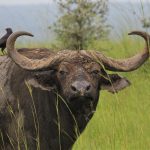
African buffaloes are among the notable mammals found in Ngurdoto Crater. They may be seen grazing in the open grasslands or gathering around the marshy areas of the crater floor.
Observing buffaloes from a designated viewpoint can offer an interesting perspective on their behaviour and their use of wetland habitats.
Warthogs
Warthogs can sometimes be spotted feeding in open grassy areas. Their distinctive appearance and active behaviour make them interesting subjects for wildlife photography.
Monkeys and Other Forest Wildlife
The forests surrounding the crater form part of a wider habitat for primates, including blue monkeys and black-and-white colobus monkeys in suitable areas of Arusha National Park. Visitors may also encounter other small mammals while exploring the park.
Other Wildlife
Depending on conditions and the particular area visited, wildlife in the wider park includes giraffes, zebras, bushbucks and other antelope species. Sightings inside the crater itself are not guaranteed, and some animals are easier to observe in other parts of Arusha National Park.
Ngurdoto is not primarily a destination for spotting the Big Five. Travellers seeking lions, elephants and large concentrations of plains wildlife may wish to combine their visit with other northern Tanzania national parks.
Birdwatching at Ngurdoto Crater
Ngurdoto Crater and its surrounding forests are also attractive to birdwatchers. The combination of forest, grassland and wetland habitats creates opportunities to observe different bird species during a single visit.
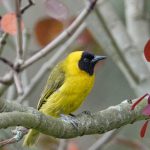
Depending on the season and location, birdlife in Arusha National Park may include turacos, hornbills, weavers, sunbirds, eagles and various waterbirds.
The marshy crater floor is particularly interesting for observing birds associated with wetlands and open grassland. Forested sections of the park provide opportunities to search for species that prefer wooded habitats.
For keen birdwatchers, an experienced local guide can help identify calls, locate birds in dense vegetation and explain the ecological importance of the park’s different habitats.
The best approach is to allow enough time for slow observation rather than treating the crater solely as a quick photographic stop.
Things to Do at Ngurdoto Crater
1. Visit the Crater Viewpoints
One of the main activities is visiting designated viewpoints overlooking the crater. These locations offer panoramic views of the crater floor, its surrounding forest and the volcanic landscape.
Bring binoculars to help you observe wildlife in the distance. A camera with a zoom lens can also be useful, particularly when photographing animals across the open grassland.
2. Enjoy Wildlife Viewing
Wildlife viewing is an important part of a visit to Ngurdoto Crater. From approved viewing areas, visitors may spot buffaloes and other animals using the crater’s grasslands and wetlands.
An experienced guide can help explain animal behaviour and identify wildlife that might otherwise be difficult to see.
3. Explore Arusha National Park
Ngurdoto Crater is only one of the attractions within Arusha National Park. A visit can be combined with a game drive through the park’s varied habitats, offering opportunities to see giraffes, zebras, buffaloes, monkeys and other wildlife.
This variety makes Arusha National Park particularly suitable for travellers who want to experience wildlife and scenery without committing to a long safari.
4. Visit the Momella Lakes
The Momella Lakes are another highlight of Arusha National Park. These shallow alkaline lakes attract waterbirds, including flamingos when conditions are favourable.
The lakes vary in colour and appearance because of their mineral content, algae and other environmental factors. Their scenic surroundings make them a rewarding addition to a Ngurdoto Crater excursion.
5. Enjoy Nature and Landscape Photography
Ngurdoto offers excellent opportunities for landscape photography, especially when the crater walls, forest canopy and grasslands are illuminated by changing daylight.
Birdwatchers and wildlife photographers may also enjoy capturing animals against the crater’s natural backdrop. Clear mornings can provide good visibility, although cloud and mist may occasionally add atmosphere to the landscape.
6. Combine Your Visit with Mount Meru
Mount Meru rises above the surrounding landscape and provides a dramatic backdrop to Arusha National Park. Visitors can admire the mountain during a park excursion or plan a separate Mount Meru hiking adventure.
Climbing Mount Meru requires additional planning, time and the appropriate park arrangements. It is not necessary to undertake the climb to enjoy the views of the mountain from the Ngurdoto area.
Best Time to Visit Ngurdoto Crater
Ngurdoto Crater can be visited throughout the year, although weather conditions influence visibility, road conditions and wildlife viewing.
June to October: Dry season
The dry season is generally a good time to explore Arusha National Park. Trails and roads may be easier to navigate, and relatively clear weather can provide excellent views of the crater and Mount Meru.
January to February: Generally drier period
These months can offer good opportunities for landscape photography and wildlife viewing, although local conditions vary.
March to May: Long rainy season
Rainfall can make some park roads muddy and may reduce visibility. However, the landscape becomes greener, and the season can be rewarding for birdwatchers and photographers who appreciate lush scenery.
November to December: Short rainy season
Short rains may bring fresh vegetation and attractive photographic conditions. Showers are variable, so visitors should remain flexible with their plans.
For the clearest crater views, a morning visit is often a sensible choice. However, visibility depends on the weather on the day.
How to Get to Ngurdoto Crater
The crater is accessed through Arusha National Park, which is reachable by road from Arusha city. The drive generally takes around 45 minutes to an hour or more, depending on the park gate, traffic and road conditions.
Travellers arriving at Kilimanjaro International Airport can arrange a road transfer to Arusha before visiting the park. The airport is located outside Arusha, so transfer time depends on traffic and the chosen route.
Most visitors explore Ngurdoto Crater as part of a guided day trip using a safari vehicle. A guide can help coordinate the route, identify suitable viewing locations and combine the crater with other attractions within the park.
Park entry fees, vehicle charges, guide arrangements and any applicable activity fees should be confirmed before travelling, as tariffs and regulations can change.
Can You Go Inside Ngurdoto Crater?
Access to the crater floor is restricted, and ordinary visitors generally admire the crater from designated viewpoints rather than driving down into it.
These viewpoints allow visitors to appreciate the crater’s landscape while respecting wildlife protection measures and park regulations. Always follow instructions from your guide and park authorities regarding permitted routes and viewing areas.
This is an important distinction for travellers comparing Ngurdoto Crater with Ngorongoro Crater, where authorised vehicles can descend to the crater floor for game drives.
Ngurdoto Crater vs Ngorongoro Crater
Both Ngurdoto and Ngorongoro are volcanic calderas in northern Tanzania, but they offer different safari experiences.
| Feature | Ngurdoto Crater | Ngorongoro Crater |
|---|---|---|
| Location | Arusha National Park | Ngorongoro Conservation Area |
| Main experience | Scenic viewpoints, forest and nature | Crater-floor wildlife safaris |
| Wildlife viewing | Often from designated viewpoints | Game drives on the crater floor |
| Landscape | Forested slopes, grassland and marsh | Broad crater floor with grassland, woodland and wetlands |
| Typical visit | Part of an Arusha National Park excursion | Usually a dedicated safari excursion |
| Best suited for | Nature lovers, photographers and shorter safari trips | Travellers seeking concentrated wildlife viewing |
Ngurdoto is an excellent option for a shorter excursion near Arusha. Ngorongoro is generally the stronger choice for travellers prioritising a full day of wildlife viewing in a dramatic caldera landscape.
The two attractions can complement each other in a longer Tanzania safari itinerary.
Where to Stay When Visiting Ngurdoto Crater
Arusha offers a wide range of accommodation, including budget guesthouses, mid-range hotels and luxury lodges. Staying in or near Arusha makes it convenient to explore Ngurdoto Crater and other attractions within Arusha National Park.
Travellers seeking a nature-focused stay can also consider lodges and camps in the wider Mount Meru area, subject to their location, availability and access arrangements.
For a longer northern Tanzania safari, Arusha is a convenient starting point before continuing to Tarangire, Lake Manyara, Ngorongoro and Serengeti.
The best accommodation depends on your budget, travel dates, preferred comfort level and whether you want a simple day trip or a multi-day safari.
Suggested Ngurdoto Crater Day Trip
A guided day trip can combine the crater with other highlights of Arusha National Park.
Morning: Depart Arusha and enter Arusha National Park. Explore the park by safari vehicle and visit designated Ngurdoto Crater viewpoints.
Late morning: Continue with wildlife viewing and enjoy the park’s forested landscapes.
Afternoon: Visit the Momella Lakes, where conditions and the day’s route permit, before returning to Arusha.
This is a flexible example rather than a fixed schedule. The final route depends on park regulations, road conditions, the time available and the attractions included in your booking.
Frequently Asked Questions About Ngurdoto Crater
1. Where is Ngurdoto Crater located?
Ngurdoto Crater is located inside Arusha National Park in northern Tanzania, near Arusha city and Mount Meru.
2. Is Ngurdoto Crater worth visiting?
Yes. It is particularly worthwhile for travellers who enjoy volcanic scenery, forest landscapes, birdwatching and wildlife viewing. It is also convenient for visitors with limited time in Arusha.
3. Can you see wildlife at Ngurdoto Crater?
Yes. Buffaloes and other wildlife may be observed in the crater and surrounding park habitats. Sightings vary, and wildlife is not guaranteed.
4. Can visitors drive into Ngurdoto Crater?
Ordinary visitors generally view the crater from designated viewpoints. Access to the crater floor is restricted, so visitors should follow park regulations and their guide’s instructions.
5. How long should I spend at Ngurdoto Crater?
The crater can be visited as part of a half-day or full-day Arusha National Park excursion. A full day allows more time to explore other park attractions, including the Momella Lakes.
6. What is the best time to visit Ngurdoto Crater?
June to October is generally favourable for drier conditions and clear views. January and February can also be good, while the rainy seasons offer greener scenery and rewarding birdwatching opportunities.
7. Is Ngurdoto Crater the same as Ngorongoro Crater?
No. Both are volcanic calderas in Tanzania, but Ngurdoto is within Arusha National Park and is mainly viewed from designated viewpoints. Ngorongoro offers authorised vehicle access to its crater floor for wildlife safaris.
8. Can I visit Ngurdoto Crater in one day from Arusha?
Yes. A day trip from Arusha is a practical way to explore the crater and other attractions within Arusha National Park.
Plan Your Visit to Ngurdoto Crater with Epic Uganda Vacation
Ngurdoto Crater is a rewarding addition to a northern Tanzania itinerary, especially for travellers who want to experience the region’s volcanic landscapes, wildlife and birdlife beyond the more famous safari destinations.
At Epic Uganda Vacation, we help travellers plan personalised East African journeys that combine wildlife safaris, scenic landscapes, cultural experiences and nature excursions across the region.
Whether you are planning a short visit to Arusha National Park or a longer adventure combining Mount Meru, Tarangire, Ngorongoro and Serengeti, we can help you develop an itinerary suited to your interests, schedule and budget.
Contact Epic Uganda Vacation to start planning your Tanzania safari.