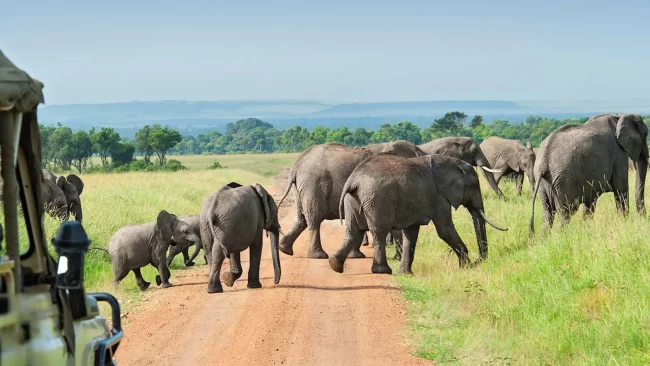
Nyerere National Park Safari: Wildlife, Boat Safaris and Things to Do
Nyerere National Park is one of Tanzania’s most remarkable safari destinations, offering vast wilderness, impressive wildlife and unforgettable boat safaris along the Rufiji River. Located in southern Tanzania, the park is known for its expansive woodlands, open plains, seasonal floodplains and network of rivers and lakes that support an extraordinary variety of wildlife.
Formerly part of the famous Selous Game Reserve, Nyerere National Park was established in 2019 and named after Julius Nyerere, Tanzania’s founding president. Its large protected landscapes and diverse habitats make it an appealing destination for travellers seeking a more remote safari experience away from the busiest areas of northern Tanzania.
Unlike a traditional safari focused exclusively on driving through the savannah, a Nyerere National Park safari can combine game drives, boat excursions, guided walking safaris and birdwatching. Visitors may encounter elephants, giraffes, buffaloes, hippos, crocodiles, lions and endangered African wild dogs.
Whether you are planning a short wildlife getaway or a longer southern Tanzania safari, Nyerere National Park offers an opportunity to explore a different side of Africa.
Where Is Nyerere National Park?
Nyerere National Park is located in southern Tanzania and forms part of the wider Selous ecosystem. The Rufiji River and its associated channels, wetlands and lakes are among the defining features of the park.
The destination is accessible by road or by scheduled and charter flights, depending on the airstrip and lodge. Travellers often fly from Dar es Salaam to an airstrip serving their camp, making a fly-in safari a convenient option for those with limited time.
Road travel is also possible, but journey times depend on the starting point, gate, road conditions and season. A four-wheel-drive vehicle is recommended for many overland itineraries, especially when travelling during wet conditions.
Nyerere can be visited as a standalone destination or combined with other southern Tanzania attractions, including Ruaha National Park and the coastal areas around Dar es Salaam.
Why Visit Nyerere National Park?
Nyerere stands out because of the variety of ways visitors can experience its wilderness.
- Boat safaris: Explore sections of the Rufiji River and observe hippos, crocodiles and waterbirds.
- Game drives: Search for elephants, lions, giraffes, buffaloes and antelopes.
- African wild dogs: Visit an important stronghold for this endangered predator.
- Walking safaris: Discover tracks, plants and wildlife signs with an authorised guide or ranger.
- Birdwatching: Explore riverbanks, wetlands, woodlands and open habitats.
- Remote wilderness: Experience a large protected landscape with opportunities for quieter wildlife encounters.
The combination of land and water activities is one of the park’s greatest attractions. You can spend the morning searching for wildlife in a safari vehicle and enjoy a different perspective from a boat later in the day.
Best Things to Do in Nyerere National Park
1. Take a Boat Safari on the Rufiji River
A boat safari on the Rufiji River is one of the signature experiences of Nyerere National Park. The river system supports abundant aquatic wildlife and attracts many animals that come to drink or feed near the water.
During a guided excursion, you may see hippos resting in the river, Nile crocodiles along the banks and waterbirds fishing in shallow channels. Elephants and other mammals may also appear near the shoreline, depending on the season and their movements.
Boat safaris are particularly rewarding for photographers and birdwatchers because the river offers opportunities to observe wildlife from a different angle. The changing light, sandbanks, palm-lined channels and surrounding wilderness create a distinctive southern Tanzania safari atmosphere.
Morning trips can offer cooler conditions and active birdlife, while afternoon excursions may provide attractive sunset scenery. Exact departure times and routes depend on your lodge, river conditions and the operator’s arrangements.
For many travellers, a boat safari is the highlight of a visit to Nyerere National Park.
2. Enjoy a Wildlife Game Drive
Game drives are essential for exploring the park’s extensive plains, woodlands and riverine habitats.
Accompanied by an experienced safari guide, you will travel through selected areas in search of mammals and predators. Elephants may be seen moving through woodland or approaching water, while giraffes browse among trees and buffaloes gather in open areas.
Other wildlife may include zebras, impalas, waterbuck, greater kudu, sable antelope and Lichtenstein’s hartebeest. Lions and leopards inhabit the park, but sightings depend on luck, animal movements and the amount of time spent exploring.
The park is also recognised for African wild dogs. These endangered predators are one of the major attractions for travellers interested in unusual and conservation-significant wildlife, although sightings are never guaranteed.
Early-morning and late-afternoon drives often provide favourable light and comfortable temperatures. Spending at least two nights in the park gives you more opportunities to explore different habitats and improve your chances of encountering a wider variety of animals.
3. Look for African Wild Dogs
Nyerere National Park is an important destination for travellers hoping to see African wild dogs, also known as African painted dogs.
These highly social predators live in packs and are known for their coordinated hunting behaviour, distinctive coat patterns and remarkable endurance. They require extensive natural habitats, making large protected areas such as Nyerere particularly important for their conservation.
Wild dogs move over substantial distances, so sightings are unpredictable. Your guide may search suitable habitats and recent wildlife activity, but there is no guarantee of encountering a pack.
If African wild dogs are a priority, tell your safari operator before booking. This helps the team allocate sufficient time for game drives and select a suitable itinerary.
Seeing these endangered animals in their natural environment can be one of the most memorable experiences of a southern Tanzania safari.
4. Go on a Guided Walking Safari
A guided walking safari offers a more intimate way to explore Nyerere’s wilderness.
Rather than travelling entirely by vehicle, you walk with an authorised guide or ranger who helps you interpret animal tracks, identify plants and understand how different species use the landscape.
You may learn to recognise footprints, feeding signs, dung and other evidence of animal activity. You can also appreciate smaller details, such as insects, bird calls and vegetation patterns that are often overlooked during game drives.
Walking safaris must follow park regulations and be arranged with the appropriate authorised personnel. Routes and availability depend on local conditions, safety assessments and the operator.
This activity is especially appealing to experienced safari travellers, photographers and visitors who want a deeper understanding of the African bush.
5. Explore the Rufiji River Lakes and Wetlands
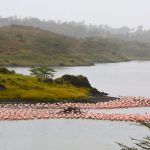
Beyond the main river channels, the wider Rufiji system includes lakes, wetlands, sandbanks and floodplains that create diverse habitats for wildlife.
These environments attract hippos, crocodiles and numerous waterbirds. Depending on water levels and the season, they may also draw elephants, buffaloes and other mammals to the water’s edge.
Exploring these habitats by boat or on a game drive reveals a side of Tanzania that differs from the open grasslands associated with the Serengeti.
The river and its surrounding ecosystems are also important for the seasonal movement of wildlife. Rainfall and changing water levels influence where animals feed, drink and congregate throughout the year.
Your guide can help you understand these seasonal changes and choose suitable activities during your visit.
6. Enjoy Birdwatching in Nyerere National Park
Nyerere National Park is an excellent destination for birdwatching, with more than 430 bird species recorded in the wider park environment.
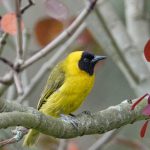
The Rufiji River and associated wetlands support fish eagles, kingfishers, bee-eaters, herons, storks and other water-associated birds. Woodlands and open grasslands provide opportunities to observe additional species.
Birdwatching can be combined with game drives and boat safaris, allowing visitors to explore several habitats during the same trip.
Bring binoculars and, if you are a keen birder, a regional field guide or bird identification app. A knowledgeable guide can help distinguish similar species and explain their behaviour.
For photographers, the river offers opportunities to capture birds fishing, flying over the water or perched along the shoreline.
Nyerere is particularly appealing to travellers who want to combine large-mammal viewing with a wider interest in East African biodiversity.
7. Visit Scenic Viewpoints and the Rufiji River Landscapes
Nyerere is not only about wildlife. Its scenery is a major part of the experience.
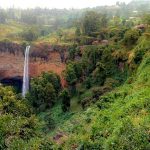
The park includes broad floodplains, woodland, palm-lined riverbanks and water channels that change appearance throughout the year. Some areas are open and sunlit, while others are characterised by thick vegetation and winding waterways.
A guided excursion can include scenic stops where permitted, giving you time to photograph the landscape and appreciate the scale of the wilderness.
The scenery changes with the seasons. During wetter months, vegetation becomes greener and water spreads across parts of the landscape. During the dry season, wildlife may concentrate around dependable water sources.
These contrasts make Nyerere rewarding for landscape photographers and travellers who enjoy observing the relationship between wildlife, water and vegetation.
8. Experience a Bush Meal or Sundowner
Some camps and safari operators arrange bush meals or sundowner experiences as part of their safari programmes.
A bush breakfast or picnic lunch can provide a memorable break between activities, while an evening sundowner offers an opportunity to enjoy the landscape as the sun sets.
These experiences are subject to the camp’s arrangements, designated safe locations and park regulations. They should never involve approaching wildlife or leaving a vehicle without authorisation.
Ask your operator whether meals in the bush or a suitable riverside setting can be included in your package.
Wildlife in Nyerere National Park
Nyerere National Park supports a diverse range of mammals, birds and other wildlife across its riverine habitats, grasslands and woodlands.
Some of the species visitors may encounter include:
| Wildlife | Where you may see them |
|---|---|
| African elephants | Woodlands, plains and areas near water |
| Lions | Suitable grassland and woodland habitats |
| Leopards | Woodland and riverine habitats; sightings are less predictable |
| African wild dogs | Extensive habitats across the park |
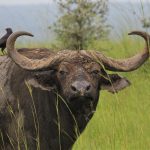
| Buffaloes | Grasslands, woodland and water sources |
| Giraffes | Woodland edges and open areas |
| Zebras | Grasslands and open habitats |
| Hippos | River channels and lakes |
| Nile crocodiles | Rivers, lakes and suitable waterways |
| Impalas and other antelopes | Open grasslands and woodland |
| Waterbirds and raptors | Riverbanks, wetlands and lakes |
Wildlife sightings vary by season, habitat, time of day and animal movements. A safari should be planned around the overall experience rather than a guarantee of seeing a particular species.
Best Time to Visit Nyerere National Park
Nyerere National Park can be visited throughout the year, but the best time depends on your interests, preferred activities and tolerance for wet-weather travel.
June to October: The Dry Season
The dry season is generally one of the most popular periods for wildlife safaris. Vegetation becomes less dense in many areas, and animals may be easier to locate around water sources.
These months can be particularly rewarding for game drives and wildlife photography. Boat safari opportunities depend on water levels and operational conditions.
Book accommodation and flights early if you plan to travel during busy periods.
November to February: Green Landscapes and Birdlife
The landscape can become greener following seasonal rains, creating attractive conditions for photography and birdwatching.
Wildlife remains present, but sightings can be influenced by vegetation growth and the distribution of water. Some roads may become more challenging after rainfall.
This period can suit travellers who appreciate lush scenery and are comfortable with some flexibility in their safari plans.
March to May: The Long Rains
The long-rain period can bring heavy rainfall, muddy roads and difficult access to some parts of the park. Certain activities or routes may be restricted depending on conditions.
Some lodges and camps may have seasonal operating schedules, so confirm availability before booking.
The park can look exceptionally green during this period, but travellers should plan carefully and discuss road access, flights and activity arrangements with their operator.
Our recommendation: For a first visit focused on game drives and a boat safari, consider the drier months from June to October. Always confirm current conditions with your lodge or safari operator before travelling.
How Many Days Do You Need in Nyerere National Park?
The ideal length of stay depends on how much of the park you want to explore.
Two days and one night: A short visit may allow a game drive and one additional activity, but travel time can limit the experience.
Three days and two nights: A good option for combining game drives with a boat safari and enjoying several wildlife-viewing opportunities.
Four days and three nights: Provides more time to explore different areas, add a guided walk where available and enjoy a more relaxed pace.
Five days or longer: Suitable for travellers seeking a slower safari, specialist photography, birdwatching or a wider southern Tanzania itinerary.
If you are travelling by road from Dar es Salaam, allow sufficient time for transfers. A fly-in safari can maximise time in the park, although flight schedules, luggage restrictions and additional costs need to be considered.
Where to Stay in Nyerere National Park
Accommodation ranges from comfortable safari camps to luxury lodges and tented camps near the Rufiji River and other suitable wildlife areas.
Budget and Mid-Range Accommodation
Travellers looking for value can consider simpler lodges or tented camps that provide comfortable rooms or tents, meals and access to organised game drives.
When comparing properties, check the location, included activities, transfer arrangements and whether boat safaris cost extra.
Luxury Safari Camps
Luxury camps may offer spacious tents, private decks, river or woodland views, personalised service and activities arranged around your interests.
Some properties focus on fly-in safaris, while others are accessible by road. The right option depends on your budget, preferred level of comfort and chosen activities.
Choosing the Right Location
The location of your accommodation matters because Nyerere is a large park. Staying in a suitable area can reduce time spent transferring between activities and make it easier to enjoy early-morning game drives or boat excursions.
Before confirming a booking, ask which park areas the camp visits, which activities are included and whether any seasonal restrictions apply.
How to Get to Nyerere National Park
There are two main ways to reach Nyerere National Park.
By Air
Scheduled or charter flights from Dar es Salaam and other safari hubs may serve airstrips such as Mtemere and other landing areas used by camps in the park region.
Flying is often the most convenient choice for travellers with limited time. Your accommodation or safari operator should arrange transfers from the relevant airstrip.
Flight schedules, luggage limits and airstrip access depend on the airline, season and camp location.
By Road
Road transfers are possible from Dar es Salaam and other parts of Tanzania. Journey times vary considerably depending on the route, road conditions and entry point.
A suitable four-wheel-drive vehicle is recommended for many safari transfers. During the rains, road access may be more difficult, so confirm the current conditions before departure.
If your itinerary combines Nyerere with Ruaha National Park, discuss the best combination of road and air transfers with your safari operator.
Can You Combine Nyerere National Park with Other Tanzania Destinations?
Yes. Nyerere can be combined with several destinations, depending on your travel dates, budget and preferred safari style.
Nyerere and Ruaha National Park
This is an excellent combination for travellers interested in southern Tanzania’s wildlife and relatively remote safari landscapes. Both parks offer opportunities for game drives and varied wildlife encounters, although the habitats and animal distributions differ.
Nyerere and Zanzibar
After several days of wildlife viewing, you can continue to Zanzibar for beaches, historic Stone Town and Indian Ocean scenery. Flight connections and schedules should be checked when building the itinerary.
Nyerere and Dar es Salaam
Dar es Salaam can serve as a starting or ending point for a southern Tanzania safari. It is particularly useful for travellers arranging flights, road transfers or onward coastal travel.
Nyerere and Tanzania’s Northern Circuit
It is possible to combine Nyerere with destinations such as Serengeti National Park, Ngorongoro Conservation Area and Tarangire National Park. However, these regions are geographically far apart, so flights or a longer itinerary may be necessary.
For travellers with limited time, focusing on either the northern circuit or the southern circuit may provide a more relaxed experience.
What to Pack for a Nyerere National Park Safari
Pack for warm weather, outdoor activities and possible changes in conditions.
Recommended items include:
- Lightweight, neutral-coloured safari clothing.
- A light jacket for early mornings and boat excursions.
- Comfortable walking shoes.
- A wide-brimmed hat and sunglasses.
- Sunscreen and insect repellent.
- Binoculars for wildlife and birdwatching.
- A camera with suitable lenses.
- A reusable water bottle.
- Personal medication and basic toiletries.
- A small daypack.
- A waterproof layer during rainy periods.
For walking safaris, follow the specific equipment advice provided by your camp or guide.
Responsible Tourism in Nyerere National Park
Nyerere National Park protects important habitats for elephants, African wild dogs, large predators and numerous other species. Responsible tourism helps support conservation and local livelihoods.
Visitors should follow park regulations, remain at a safe distance from wildlife, avoid feeding animals and never leave a vehicle or approach animals on foot unless directed by an authorised guide.
During boat safaris, wear the provided life jacket and follow the boat operator’s safety instructions. Respect birdlife and other animals by avoiding excessive noise or actions that disturb them.
Where possible, choose reputable operators and accommodation providers that follow conservation guidelines and contribute positively to surrounding communities.
Plan Your Nyerere National Park Safari with Epic Uganda Vacation
Nyerere National Park offers a distinctive southern Tanzania safari experience, combining vast wilderness, impressive wildlife and the memorable scenery of the Rufiji River.
From boat safaris and game drives to birdwatching and guided walks, there are many ways to explore this remarkable destination. A well-planned itinerary gives you time to enjoy the wildlife without rushing between activities.
Epic Uganda Vacation can help you plan a tailor-made East African safari that includes Nyerere National Park and other destinations in Tanzania, subject to your travel dates and arrangements.
Tell us your preferred travel period, number of travellers, accommodation level and activities of interest. We can help you plan an itinerary suited to your safari goals.
Thinking of an East Africa trip? Look no further.
Frequently Asked Questions About Nyerere National Park
1. What is Nyerere National Park famous for?
Nyerere National Park is known for its vast wilderness, Rufiji River boat safaris, elephants, hippos, crocodiles, African wild dogs, birdlife and guided walking safaris.
2. Is Nyerere National Park the same as Selous Game Reserve?
Nyerere National Park was established in 2019 from a large part of the former Selous Game Reserve. The wider Selous ecosystem includes protected areas beyond the national park, so the names do not refer to exactly the same administrative area today.
3. How many days should I spend in Nyerere National Park?
Three days and two nights is a useful starting point for combining game drives and a boat safari. Four or more days provide additional time for exploration and a more relaxed pace.
4. Can I see the Big Five in Nyerere National Park?
Nyerere supports several iconic large mammals, including elephants, buffaloes, lions and leopards. However, seeing every member of the Big Five is not guaranteed, and the park is not the most reliable destination for travellers whose main priority is seeing rhinos.
5. Are boat safaris available in Nyerere National Park?
Yes. Boat safaris are one of the park’s signature activities, particularly along suitable sections of the Rufiji River and associated waterways. Availability depends on water conditions, camp arrangements and park regulations.
6. When is the best time to see wildlife in Nyerere National Park?
The dry season, generally from June to October, is a popular time for game viewing because animals may be easier to locate around water sources. Wildlife sightings vary throughout the year.
7. Is Nyerere National Park suitable for a luxury safari?
Yes. The park has luxury camps and lodges, including properties accessible by air. A fly-in safari with private or small-group activities can be arranged according to your budget and preferences.
8. Can I visit Nyerere National Park from Zanzibar?
Yes, subject to available flight connections and schedules. A fly-in safari can be combined with a Zanzibar beach holiday, but flight timings and the number of nights in the park should be planned carefully.