Arusha National Park: Best Things to Do, Wildlife and Safari Guide
Arusha National Park is one of Tanzania’s most rewarding destinations for travellers seeking beautiful landscapes, wildlife encounters and outdoor adventures close to Arusha town. Located in northern Tanzania, the park combines lush montane forests, open grasslands, volcanic craters, freshwater and alkaline lakes, and the spectacular slopes of Mount Meru.
Although it is smaller than famous safari destinations such as Serengeti National Park and Tarangire National Park, Arusha National Park offers a different kind of safari experience. Visitors can enjoy traditional game drives, guided walking safaris, canoeing on Momella Lakes, birdwatching and multi-day mountain trekking.
The park is also a convenient addition to a northern Tanzania safari, particularly for travellers arriving at Kilimanjaro International Airport or spending a night in Arusha before continuing to other destinations.
Whether you have half a day, a full day or several days to explore, here are the best things to do in Arusha National Park and how to plan your visit.
Where Is Arusha National Park?
Arusha National Park is located in northern Tanzania, near Arusha city and at the foot of Mount Meru. It is accessible by road from Arusha and can be visited as a day trip or incorporated into a longer Tanzania safari.
The park’s main attractions include Mount Meru, Ngurdoto Crater, the Momella Lakes and the surrounding montane forests. These varied habitats support a wide range of mammals and birds within a relatively compact area.
The park is especially attractive to travellers who want to combine wildlife viewing with outdoor activities rather than spending the entire safari in a vehicle.
10 Best Things to Do in Arusha National Park
1. Enjoy a Game Drive in Arusha National Park
A game drive is one of the best ways to explore Arusha National Park and discover its varied wildlife habitats. The park has a network of roads and tracks that lead through forest edges, open grasslands, wetlands and areas surrounding the Momella Lakes.
During your drive, you may encounter giraffes feeding on trees, zebras grazing in open areas, buffalo resting in the grass and warthogs moving across the plains. Waterbuck and bushbuck may also be seen around suitable habitats.
The forest sections offer opportunities to look for monkeys and other woodland species, while the lakes attract waterbirds and other wildlife.
Arusha National Park is not primarily known for large predator sightings in the same way as the Serengeti. Lions are generally absent from the park, and sightings of leopards and other elusive predators are less predictable than sightings of herbivores.
For photographers, the park’s landscapes are an important part of the experience. Wildlife can be photographed against the backdrop of Mount Meru, crater scenery and the green slopes surrounding the lakes.
Best for: First-time safari visitors, wildlife photography and travellers with limited time in Arusha.
2. Visit the Momella Lakes
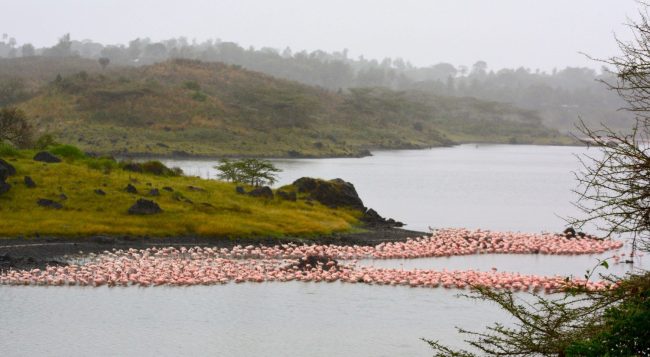
The Momella Lakes are among the most distinctive attractions in Arusha National Park. This group of lakes varies in colour and appearance because of differences in water chemistry, minerals and algae.
Depending on the season and conditions, visitors may see flamingos gathering along the shores, alongside pelicans, ducks and other waterbirds. The surrounding grasslands can also provide opportunities to spot giraffes, waterbuck and other mammals.
The lakes are particularly appealing to birdwatchers and photographers. Their contrasting colours, open horizons and views of the surrounding mountains create a peaceful setting for wildlife observation.
A drive around the lakes can be combined with a game drive through other parts of the park. If you are interested in spending more time on the water, ask about arranging a guided canoe safari on Small Momella Lake.
Best for: Birdwatching, photography, scenic drives and relaxed wildlife viewing.
3. Go on a Guided Walking Safari
One of the most distinctive things to do in Arusha National Park is to explore the landscape on foot with an authorised armed park ranger.
Unlike a conventional game drive, a walking safari allows you to pay closer attention to animal tracks, plants, insects, bird calls and smaller details that can be missed from a vehicle.
Depending on the approved route and conditions, your walk may pass through forest, woodland, open areas or scenic viewpoints. You may encounter giraffes, buffalo, monkeys and other wildlife, although sightings are never guaranteed.
Walking safaris also provide an opportunity to learn about the park’s ecology and the relationship between its different habitats.
For safety, visitors must follow park regulations and remain with their authorised ranger. Walking routes, duration and availability should be confirmed when arranging the excursion.
Best for: Active travellers, nature lovers, photographers and visitors seeking a more immersive safari.
4. Take a Canoe Safari on Small Momella Lake
A canoe safari offers a different perspective on Arusha National Park. Rather than observing the landscape from a vehicle, visitors paddle across Small Momella Lake with an arranged guide and suitable safety equipment.
From the water, you can appreciate the lakeside scenery and watch birds in their natural habitat. Depending on conditions and animal movements, wildlife such as waterbuck, giraffes near the shore and hippos in the surrounding water environment may be visible from a safe distance.
Canoeing is generally a peaceful activity, making it a good complement to a game drive or walking safari. It is also a useful option for travellers who want to include a water-based experience in a northern Tanzania itinerary.
Canoeing must be arranged in advance, and availability can depend on operational conditions. Follow the guide’s instructions and maintain a safe distance from wildlife.
Best for: Birdwatchers, couples, photographers and travellers looking for a quieter safari activity.
5. Climb Mount Meru
Mount Meru is one of the main attractions of Arusha National Park and a rewarding destination for hikers and mountaineers. Rising to approximately 4,566 metres above sea level, it is Tanzania’s second-highest mountain.
A Mount Meru climb takes you through several vegetation zones, beginning with lower woodland and montane forest before reaching higher-altitude heath and alpine landscapes.
Along the route, hikers may encounter wildlife such as buffalo, giraffes and monkeys, particularly on the lower slopes. The mountain also offers impressive views across northern Tanzania, and clear conditions may reveal Mount Kilimanjaro in the distance.
A summit expedition usually takes three to four days, depending on the itinerary and arrangements. The climb requires good fitness, appropriate equipment and the necessary park guiding and ranger arrangements.
Mount Meru can also serve as a preparation climb for travellers planning to climb Kilimanjaro, although the two mountains have different routes, conditions and physical demands.
Best for: Experienced hikers, adventurous travellers and visitors seeking a multi-day mountain expedition.
6. Explore Ngurdoto Crater
Ngurdoto Crater is a striking volcanic feature within Arusha National Park. Its steep, forested walls surround a marshy crater floor that provides habitat for wildlife, including buffalo and warthogs.
Often compared with a smaller version of the Ngorongoro landscape, Ngurdoto offers a different perspective on Tanzania’s volcanic geography.
Visitors generally appreciate the crater from designated viewpoints and approved areas around its rim. The surrounding forest and vegetation create an attractive setting for photography and nature observation.
Include Ngurdoto Crater in your game drive itinerary to appreciate the geological features that make Arusha National Park different from other northern Tanzania safari destinations.
Best for: Scenic viewpoints, geology enthusiasts, wildlife photography and nature lovers.
7. Go Birdwatching in Arusha National Park
Arusha National Park is a rewarding destination for birdwatching because of its mixture of montane forest, woodland, grassland, wetlands and lakes.
The Momella Lakes attract waterbirds, including flamingos when conditions are suitable. The forests provide opportunities to look for turacos, hornbills, sunbirds and other woodland species, while open habitats support a different range of birds.
Birdwatching can be combined with game drives, walking safaris and stops at scenic viewpoints. A knowledgeable local guide can help identify species by their calls, behaviour and field markings.
The variety of habitats makes the park suitable for both casual birdwatchers and travellers with a more specialised interest in East African birdlife.
For the best experience, bring binoculars, a field guide or bird identification app, and a camera with a suitable lens. Early mornings are often productive for bird activity, although sightings vary with weather and season.
Best for: Birdwatchers, wildlife photographers and nature enthusiasts.
8. Look for Black-and-White Colobus Monkeys
Arusha National Park is well known for opportunities to see black-and-white colobus monkeys in its forested habitats.
These striking primates have long black-and-white coats and bushy tails. They are often seen moving through the canopy, feeding on leaves or resting in the trees.
Blue monkeys and olive baboons are also among the primates visitors may encounter in suitable areas.
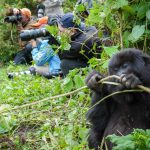
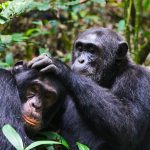
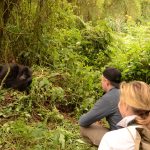
Unlike chimpanzee trekking in Uganda or gorilla trekking in Uganda and Rwanda, primate viewing in Arusha National Park is generally part of a broader wildlife and nature experience rather than a dedicated permit-based trek focused on one habituated group.
Move quietly through forest areas and follow your guide’s instructions to avoid disturbing the animals.
Best for: Primate enthusiasts, families and photographers interested in forest wildlife.
9. Enjoy Photography and Scenic Viewpoints
Arusha National Park offers excellent opportunities for landscape and wildlife photography. Its scenery includes volcanic features, green forest, open grassland, lakes and mountain views.
The Momella Lakes are particularly attractive for photographing waterbirds and reflections, while Ngurdoto Crater provides opportunities for wide landscape images. Mount Meru dominates much of the park’s scenery, and Mount Kilimanjaro may be visible under favourable weather conditions.
Wildlife photographers can focus on giraffes, zebras, buffalo, monkeys and birdlife.
For better results, consider visiting early in the morning when the light is softer and animal activity may be higher. Carry a telephoto lens for wildlife and a wider lens for landscapes.
Weather can change quickly around the mountain, so protect your camera equipment against dust and rain.
Best for: Landscape photographers, wildlife photographers and travellers who enjoy scenic destinations.
10. Combine Arusha National Park with a Northern Tanzania Safari
Arusha National Park works particularly well as part of a wider northern Tanzania itinerary. Its proximity to Arusha makes it a convenient first or last safari destination, depending on your arrival and departure arrangements.
You can combine it with Tarangire National Park for elephants and baobab landscapes, Lake Manyara National Park for forest and lakeside scenery, the Ngorongoro Conservation Area for crater wildlife, or Serengeti National Park for its extensive plains and seasonal wildebeest migration.
Travellers with more time can add a Mount Meru climb or spend an additional day exploring the area around the park.
A well-planned itinerary allows you to experience different landscapes and wildlife habitats instead of visiting several destinations that offer similar activities.
Best Time to Visit Arusha National Park
Arusha National Park can be visited throughout the year, but the best time depends on your interests.
June to October: The relatively dry conditions can make game viewing and walking more comfortable. Trails may be less muddy, although rain is still possible, particularly at higher elevations.
November to December: Short rains can bring greener scenery and changing bird activity. Weather conditions vary, so flexible planning is useful.
January to February: This period can offer pleasant safari conditions, green landscapes and opportunities for photography, although rain and cloud cover are possible.
March to May: The long-rain period can bring wet, muddy trails and more challenging conditions for walking or mountain trekking. Some travellers nevertheless enjoy the lush scenery and quieter atmosphere.
For Mount Meru climbing, check the forecast, trail conditions and current park guidance before departure. Mountain weather can change rapidly in any season.
How Many Days Do You Need in Arusha National Park?
The time required depends on the activities you want to experience.
- Half a day: A short visit focusing on selected scenic areas and wildlife viewing, subject to driving time and park arrangements.
- One full day: A game drive combined with selected viewpoints, forest areas or other available activities.
- Two days: More time for game drives, birdwatching, a guided walk or a canoeing experience if arranged.
- Three to four days: A typical timeframe for a Mount Meru climbing expedition, subject to the chosen itinerary.
If your main interest is a standard wildlife safari, one day may be enough to appreciate the park’s highlights. If you want to climb Mount Meru, plan a separate multi-day itinerary rather than trying to combine the summit expedition with a single-day visit.
What Wildlife Can You See in Arusha National Park?
Arusha National Park supports a variety of wildlife, although sightings depend on habitat, season and animal movements.
Visitors may see:
- Giraffes
- African buffaloes
- Zebras
- Warthogs
- Waterbuck
- Bushbuck
- Blue monkeys
- Black-and-white colobus monkeys
- Olive baboons
- Hippos in suitable aquatic habitats
- A variety of resident and migratory birds
Elephants and leopards are present but can be difficult to find. The park is not the best choice if your sole objective is to see lions or maximise sightings of the traditional Big Five.
Instead, its main strengths are its scenery, forest wildlife, primates, birdlife, walking opportunities and Mount Meru.
Where to Stay When Visiting Arusha National Park
Travellers can choose accommodation in Arusha city, around Usa River or near the park, depending on their budget and itinerary.
Accommodation options range from simple guesthouses and mid-range lodges to luxury properties. Staying in or near Arusha is convenient for a day trip, while accommodation closer to the park can reduce driving time and provide a quieter setting.
For travellers climbing Mount Meru, the itinerary generally includes designated mountain huts or other approved arrangements along the trekking route.
When selecting accommodation, consider the location of the park gate, transport requirements, meal arrangements and whether you are combining the park with other northern Tanzania destinations.
Is Arusha National Park Worth Visiting?
Yes, Arusha National Park is worth visiting if you want a safari experience that combines wildlife with varied landscapes and outdoor activities.
It is particularly suitable for travellers who:
- Have limited time in Arusha.
- Enjoy birdwatching and primate viewing.
- Want to experience a guided walking safari.
- Are interested in canoeing on Momella Lakes.
- Want to climb Mount Meru.
- Prefer to combine wildlife viewing with scenic photography.
- Are beginning or ending a longer northern Tanzania safari.
However, if your main priority is witnessing large lion prides, searching for the Big Five or spending several days following the Great Migration, you should include destinations such as Serengeti National Park and the Ngorongoro Conservation Area in your itinerary.
Plan Your Arusha National Park Safari with Epic Uganda Vacation
Arusha National Park offers a rewarding introduction to northern Tanzania, from the peaceful Momella Lakes and forest wildlife to the dramatic landscapes of Ngurdoto Crater and Mount Meru.
Whether you want a one-day safari, a birdwatching excursion, a guided walking experience or a multi-day Mount Meru climb, your itinerary should match your interests, available time and preferred level of adventure.
Epic Uganda Vacation can help you plan a tailor-made East African safari that combines Tanzania’s northern circuit with other destinations in the region, subject to your travel requirements and arrangements.
Contact Epic Uganda Vacation to discuss your travel dates, accommodation preferences and preferred activities.
Thinking of an East Africa trip? Look no further.
Frequently Asked Questions About Arusha National Park
Is Arusha National Park good for a safari?
Yes. It offers game drives, guided walking safaris, birdwatching, canoeing and mountain trekking. It is especially attractive for travellers who enjoy scenery and outdoor activities alongside wildlife viewing.
Can you see Mount Kilimanjaro from Arusha National Park?
Mount Kilimanjaro may be visible from parts of the park when the weather is clear. Visibility is not guaranteed because cloud cover can obscure the mountain.
Is Arusha National Park suitable for a day trip?
Yes. Its proximity to Arusha makes it suitable for a day trip. The activities you can fit into one day depend on driving time, park arrangements and your chosen experiences.
Can you walk among wildlife in Arusha National Park?
Visitors can participate in guided walking safaris on approved routes with an authorised armed ranger. The route and wildlife encounters depend on park regulations and conditions.
Can you go canoeing in Arusha National Park?
Canoe safaris may be arranged on Small Momella Lake. Confirm availability, operating arrangements and safety requirements before your visit.
How high is Mount Meru?
Mount Meru rises to approximately 4,566 metres above sea level. The multi-day climb requires good fitness, suitable equipment and advance arrangements.
Is Arusha National Park better than Serengeti National Park?
They offer different experiences. Arusha National Park is ideal for a shorter visit featuring scenery, forest wildlife, walking and canoeing. Serengeti National Park is more suitable for travellers seeking extensive savannah game viewing and the Great Migration.
What should I pack for Arusha National Park?
Bring comfortable walking shoes, lightweight clothing, sun protection, a hat, binoculars, a camera and a light rain jacket. If you plan to climb Mount Meru, you will need additional cold-weather clothing and appropriate mountain equipment.