Democratic Republic of the Congo Travel Guide: Things to Do, Safety and Travel Advice
The Democratic Republic of the Congo (DRC) is a vast Central African country known for its tropical rainforests, remarkable wildlife, powerful rivers, volcanic landscapes and diverse cultural traditions. For adventurous travellers, the country offers experiences ranging from exploring the Congo Basin to learning about its rich cultural heritage and discovering its extraordinary biodiversity.
However, planning a trip to the DRC requires careful research. Security conditions vary considerably by region, and some well-known attractions in eastern Congo are affected by armed conflict, travel restrictions and changing park operations. Before choosing destinations, travellers should understand the current risks and confirm whether the activities they want to experience are operating.
This guide to the Democratic Republic of the Congo explains its major attractions, wildlife experiences, travel preparations, health considerations and essential safety advice.
Important safety notice: As of October 2026, the UK Foreign, Commonwealth & Development Office advises against all travel to North Kivu and South Kivu, including Goma and Bukavu, as well as several other provinces. The US Centers for Disease Control and Prevention has also issued an avoid-all-travel notice for North Kivu and Ituri because of the current Bundibugyo virus disease outbreak. Virunga National Park‘s official tourism website states that mountain gorilla trekking and Mount Nyiragongo hikes are closed until further notice. Check the latest official guidance before planning any journey.
1. Why Visit the Democratic Republic of the Congo?
The DRC is one of Africa’s most geographically diverse countries. Its landscapes include dense equatorial rainforest, wetlands, savannah, mountain ranges, lakes and volcanic regions.
The country is particularly significant for wildlife conservation. Its forests support numerous primate species, forest elephants and an extraordinary variety of birds. It is also home to important conservation areas protecting mountain gorillas and eastern lowland gorillas.
Beyond wildlife, the DRC has vibrant music, art, food traditions and cultural diversity. Kinshasa, the capital, is a major centre for Congolese music and contemporary urban culture.
Nevertheless, the country is enormous, and conditions in one province should not be used to judge conditions in another. Travel planning must be based on the precise destination, current security information and available transport.
2. Best Things to Do in the Democratic Republic of the Congo
The DRC offers a wide range of potential travel experiences. Availability and accessibility must be checked before booking, especially for destinations in the east.
Visit Virunga National Park
Virunga National Park, established in 1925, is one of Africa’s oldest national parks and a UNESCO World Heritage Site. It is renowned for its exceptional biodiversity, mountain gorillas, forest habitats, volcanic landscapes and extensive conservation work.
Historically, visitors have travelled to Virunga for mountain gorilla trekking, guided nature experiences and visits to selected park facilities.
However, Virunga should not currently be promoted as an accessible gorilla trekking destination without direct confirmation. The park’s official tourism website lists gorilla treks and Mount Nyiragongo hikes as closed until further notice. North Kivu, where the park is located, is also subject to serious security warnings.
Check the official website for updates and consult your government’s travel advice before considering travel.
Discover Eastern Lowland Gorillas at Kahuzi-Biega National Park
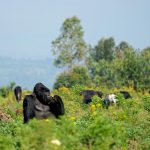
Kahuzi-Biega National Park is famous for protecting eastern lowland gorillas, also known as Grauer’s gorillas. These gorillas are different from the mountain gorillas found in Uganda, Rwanda and Virunga.
The park’s tropical forests and montane landscapes make it important for conservation and biodiversity. Under suitable conditions, gorilla trekking has been one of its principal visitor experiences.
However, Kahuzi-Biega is located in eastern DRC, in South Kivu Province. Current travel advisories warn against travel to this province. Do not assume that gorilla trekking, road transfers or park access are available simply because older tourism websites describe them.
Explore the Congo Basin Rainforest
The Congo Basin contains one of the world’s largest tropical rainforest systems. Within the DRC, this ecosystem supports forest elephants, bonobos, chimpanzees and many other species.
For travellers interested in ecology, conservation and tropical forest landscapes, the region is of outstanding natural importance. Potential activities in any particular reserve depend on local access, permits, accommodation and security conditions.
Choose only destinations that have been assessed as appropriate for travel at the time of your visit.
Experience Kinshasa’s Music and Culture
Kinshasa offers an introduction to the country’s urban culture, music, food and creative industries. Congolese rumba has influenced music throughout Africa and beyond, and the city is known for its lively arts scene.
Depending on current conditions and local advice, possible cultural interests include:
- Learning about Congolese music and dance.
- Exploring local food traditions.
- Visiting cultural institutions and art spaces.
- Discovering the city’s contemporary creative scene.
- Learning about the history and diversity of Congolese communities.
Arrange transport and excursions with reputable local professionals. Avoid assuming that every neighbourhood or road is suitable for visitors, and check the latest advice for Kinshasa before travelling.
Discover the Country’s Rivers, Lakes and Landscapes
The DRC has an extensive river system and several important lakes. The Congo River is central to the country’s geography, transport and history. Lake Kivu, shared with Rwanda, is known for its striking scenery and lakeside settlements.
However, attractive landscapes do not automatically mean that an area is safe or accessible. Lake Kivu’s Congolese shoreline includes areas affected by the security situation in North Kivu and South Kivu. Check the exact location and travel advice before planning a lakeside visit.
Enjoy Birdwatching
The DRC’s forests, wetlands and other habitats support a rich diversity of birdlife. Specialist birdwatchers may be interested in forest species, wetland birds and birds associated with the country’s different ecological zones.
A birding itinerary should be designed around a specific region, the species of interest, access to protected areas and the latest security conditions. Do not travel into a restricted area solely because it is known for rare birds.
3. Is the Democratic Republic of the Congo Safe for Tourists?
There is no single safety assessment that applies equally to the entire DRC. Conditions differ between provinces and can change quickly.
Eastern provinces have experienced armed conflict, displacement, attacks and significant disruption to transport and public services. Current UK advice warns against all travel to North Kivu, South Kivu, Ituri, Haut-Uélé, Maniema, Tanganyika and Haut-Lomami, among other specified areas and locations. The US CDC also advises avoiding travel to North Kivu and Ituri because of the current disease outbreak.
These warnings are especially important for anyone considering Virunga National Park, Goma, Bukavu or Kahuzi-Biega National Park.
Kinshasa and other parts of the country have different risk profiles, but travellers still need to assess local crime, demonstrations, road conditions, healthcare access and official restrictions.
Before departure:
- Read your government’s current travel advisory for the exact provinces you intend to visit.
- Check whether your travel insurance remains valid under the advice issued for your destination.
- Confirm flights, border crossings, roads and accommodation directly with reliable providers.
- Monitor official security and public-health announcements.
- Postpone or change your itinerary if the relevant authorities advise against travel.
A registered tour operator can help with logistics and local information, but no operator can guarantee personal safety or override official travel restrictions.
4. Essential Personal Safety Tips
If you are travelling in an area that current official advice considers appropriate for your trip, take sensible precautions.
Use Reliable Local Transport
Arrange airport transfers and road travel through reputable providers. Confirm the driver, vehicle and route before setting out. Avoid travelling at night where possible, and check road conditions before long journeys.
Do not assume that a road or border crossing remains open because it was available in the past. In areas affected by conflict, transport routes can close or become unsafe at short notice.
Protect Your Belongings
Keep valuables out of sight and avoid displaying expensive jewellery, cameras or large amounts of cash unnecessarily. Use secure accommodation and keep digital and paper copies of important documents separately from the originals.
If confronted by a robber, prioritise your personal safety rather than resisting over possessions.
Be Careful in Public Places
Ask a reliable local contact about neighbourhood conditions, demonstrations and areas to avoid. Follow instructions from legitimate authorities and accommodation staff when conditions change.
Women travelling alone should assess local conditions carefully and arrange trusted transport and accommodation. Safety advice should be based on the destination and circumstances rather than assuming that one rule fits every traveller.
Keep Communication Available
Share your itinerary and contact details with a trusted person. Carry a charged phone, backup power and emergency contacts. If travelling outside major centres, confirm how you will communicate if mobile coverage is limited.
5. Health and Medical Preparation
Health preparation is an important part of planning travel to the DRC. Disease risks and access to medical care vary by region, and some areas may have limited facilities for visitors.
Check Current Disease Alerts
The DRC has experienced outbreaks of diseases including Ebola and cholera. As of October 2026, the US CDC has published an alert concerning Bundibugyo virus disease in the DRC, including guidance advising against travel to North Kivu and Ituri.
Outbreak information changes over time. Check official health notices shortly before departure and follow any screening, vaccination or other requirements issued by the relevant authorities.
Arrange Travel Health Advice
Consult a qualified travel-health professional well before departure. Discuss recommended vaccinations, malaria prevention, food and water precautions and any health conditions that may affect your journey.
Yellow fever vaccination is recommended for many travellers to the DRC, and proof of vaccination is generally required for arriving travellers aged nine months and older. Requirements can change, so confirm the current entry rules with the relevant authorities.
Choose Appropriate Travel Insurance
Check that your insurance covers your planned activities and destinations. Pay particular attention to exclusions related to government travel advisories, armed conflict, outbreaks and medical evacuation.
A standard policy may not cover travel undertaken against official advice. Do not rely on an insurance card alone; know how to contact the insurer and obtain emergency assistance.
Take Food and Water Precautions
Use safe drinking water, wash your hands regularly and choose food that has been prepared and stored safely. Ask your healthcare professional about appropriate precautions against mosquito-borne illnesses, including malaria.
Carry necessary prescription medicines and a list of your medical information. Confirm in advance where suitable medical care would be available along your intended route.
6. Volcanoes and Environmental Hazards
The DRC contains active volcanic areas, including Mount Nyiragongo and Mount Nyamuragira in the Virunga region.
Nyiragongo’s May 2021 eruption caused deaths, damaged infrastructure and displaced residents around Goma. The event illustrates why volcanic hazards require monitoring and why access decisions should be left to relevant authorities.
Before visiting a volcanic area, check current geological information, official restrictions, weather conditions and evacuation arrangements. Do not attempt to hike a volcano when access is closed or when authorities consider conditions unsafe.
Other environmental considerations include heavy rain, difficult road conditions, river hazards and limited emergency services in remote areas.
7. Documents and Entry Requirements
Travellers should check the DRC’s current immigration requirements before departure. Depending on nationality and travel arrangements, requirements may include:
- A passport valid for the required period.
- An appropriate visa or entry authorisation.
- Proof of yellow fever vaccination where required.
- Evidence of onward travel or accommodation, if requested.
- Travel insurance and emergency contact information.
Do not rely on old visa guidance or assume that entry requirements are identical for all nationalities. Confirm the current rules through the relevant Congolese embassy, consulate or official immigration authority.
If crossing from a neighbouring country, verify the status of the specific border crossing and any additional requirements. A border that is geographically close may not be a safe or practical route.
8. Choosing a Congo Tour Operator
A responsible tour operator should provide accurate information rather than simply reassure clients that a destination is safe.
Before paying a deposit, ask the operator:
- Is the proposed destination currently accessible to foreign visitors?
- What do the latest official travel advisories say?
- Are permits, park activities and accommodation confirmed as operating?
- What happens if the park closes or the security situation deteriorates?
- What insurance, cancellation and refund terms apply?
- What emergency communications and evacuation arrangements are available?
For destinations affected by active conflict or official travel warnings, the appropriate choice may be to postpone the trip or select an alternative destination.
At Epic Uganda Vacation, travel information should be reviewed against current official guidance before any Congo itinerary is offered. Past access, previous bookings or the presence of local guides should never be presented as proof that travel is safe today.
9. Alternatives for Travellers Interested in Great Apes
Travellers whose main goal is to see great apes in the wild may wish to investigate alternatives outside eastern DRC.
Uganda: Mountain Gorillas and Chimpanzees
Uganda offers mountain gorilla trekking in Bwindi Impenetrable National Park and Mgahinga Gorilla National Park, subject to current park operations and permit availability. Chimpanzee tracking is available at designated sites, including Kibale National Park, subject to permits and current conditions.
Travellers can also consider savannah wildlife safaris, birdwatching and cultural experiences when planning a wider Uganda itinerary.
Rwanda: Mountain Gorilla Trekking
Rwanda’s Volcanoes National Park is a recognised destination for mountain gorilla trekking. Permits and travel arrangements should be confirmed with the relevant authorities and operators.
These alternatives offer different experiences from the Congo’s lowland gorilla habitats and rainforest landscapes. Choose according to your wildlife interests, budget, travel dates and current travel advice.
Frequently Asked Questions About Travel to the DRC
Is the Democratic Republic of the Congo safe to visit?
Safety depends on the specific province and current conditions. Some regions face severe security risks and official travel warnings. Check current government advice before making any travel plans.
Can tourists visit Virunga National Park?
Virunga’s official tourism website currently states that mountain gorilla trekking and Mount Nyiragongo hikes are closed until further notice. North Kivu is also subject to serious travel warnings. Check the park’s official notices and current government advice before considering a visit.
Can I see mountain gorillas in Congo?
Mountain gorillas live in Virunga National Park, but the park’s official tourism website lists gorilla trekking as closed until further notice. Travellers should not assume that permits or visits are available.
Can I trek eastern lowland gorillas in Kahuzi-Biega National Park?
Kahuzi-Biega is known for eastern lowland gorillas, but it is in South Kivu, where official travel advisories warn against travel. Do not plan a trek without reassessing current security advice and confirmed park access.
What vaccinations do I need for the DRC?
Requirements depend on your itinerary and current public-health guidance. Yellow fever vaccination is recommended for many travellers, and proof is generally required for arriving travellers aged nine months and older. Seek professional travel-health advice and check official entry requirements before departure.
Should I book a Congo safari in advance?
Research the destination first and verify that the planned activities are operating and that travel is consistent with current official advice. Avoid non-refundable bookings when access, safety or park operations remain uncertain.
Final Thoughts: Plan Your DRC Trip Responsibly
The Democratic Republic of the Congo has extraordinary wildlife, rainforest ecosystems, cultural traditions and landscapes. Its conservation areas are internationally important, and its cultural heritage deserves thoughtful exploration.
However, the country’s attractions should not be promoted without an honest assessment of security, health risks and access. Conditions in eastern DRC remain particularly serious, and several famous attractions are affected by official travel warnings or closures.
Before choosing a Congo safari, check current travel advice, confirm the operating status of every planned activity and make sure your insurance and emergency arrangements match your itinerary. If your primary goal is gorilla trekking, Uganda or Rwanda may offer a more practical alternative, depending on current conditions.
Responsible travel begins with accurate information, realistic planning and a willingness to change plans when safety requires it.