Overview.
Uganda is one of Africa’s rewarding destinations for birdwatching. The country hosts more than 1,100 recorded bird species and a remarkable variety of habitats. From tropical forests and wetlands to savannahs, lake shores and mountains, each landscape offers a different collection of birds. Uganda Wildlife Authority describes the country as a birdwatching destination. With more than 1,100 recorded bird species, Uganda represents about half of Africa’s bird species.
Bird watching in Uganda can be enjoyed as a specialised safari or added to a normal wildlife trip. You don’t necessarily need to be an expert birder. With a good guide, binoculars and patience, even a first-time visitor can learn to recognise birds by their appearance, calls, behaviour and habitat. For serious birders, however, Uganda offers a chance to search for rare forest species, wetland birds and Albertine Rift endemics.
How to book a birdwatching safari from a company?
The simplest way to organise a birdwatching safari is to contact a licensed Ugandan tour company, such as Epic Uganda Vacations. When inquiring, provide the company with your preferred travel dates, number of travellers, places you would like to visit, and the type of birding experience you want. You can also explain whether you are interested in a particular bird such as the shoebill, or whether your goal is to see as many different species as possible.
The company will normally prepare an itinerary based on your interests and the amount of time available. A short birding trip might focus on Entebbe, Mabamba wetland and nearby forests. While a longer safari can include destinations such as Murchison Falls, Kibale, Queen Elizabeth, Bwindi and Semuliki.
Before confirming your trip, ask what is included in the quotation. Depending on the company and package, the cost may cover transportation, accommodation, meals, park entrance fees, birding guides and selected activities. Uganda Tourism Board maintains a register of licensed tourism operators, so checking that your chosen company is properly licensed is an important part of planning.
How the company books and organises the safari.
After you approve the itinerary and make the required payment or deposit, the tour company begins arranging the individual services that make up your birding trip. This may involve booking accommodation, arranging a safari vehicle and a driver-guide. An organising specialist birding guides, and securing access or permits where they are required.
For activities inside national parks and wildlife areas, the operator works with the relevant authorities. He follows the applicable entry and activity procedures. UWA manages Uganda’s protected wildlife areas, while tourism businesses operate within the country’s regulated tourism system.
A good birding company should also consider the best locations and times of the day for the species you hope to see. Birdwatching is not simply about driving into the park and waiting for birds to appear. Experienced guides know habitats, bird calls, feeding areas, and seasonal movements, and these details can make a major difference in the experience.
Where is bird watching done in Uganda?
There are many places to go birdwatching in Uganda, but some destinations stand out because of their habitats and bird diversity.
Murchison Falls National Park
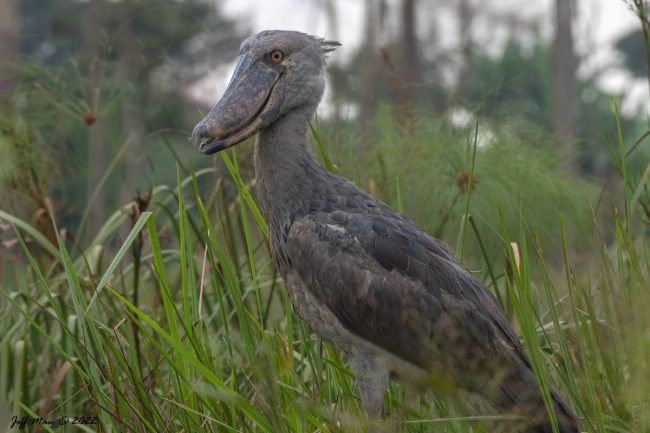
Murchison Falls National Park is one of the country’s important birding destinations and offers opportunities to see a broad range of savannah, woodland, wetland and riverine species. The shoebill is among the birds that attract specialist birders to the area.
Bwindi Impenetrable National Park
Bwindi Impenetrable National Park is particularly important for people interested in Albertine Rift birds. The forest provides habitat for species that are difficult to find elsewhere, making birding here an excellent addition to a gorilla safari.
Mgahinga Gorilla National Park
Mgahinga Gorilla National Park also provides opportunities to search for Albertine Rift species in a spectacular mountainous setting. The national park has a montane vegetation type that offers shelter to several birds.
Semuliki National Park
Semuliki National Park is another special destination. Its location and forest ecosystem give birders access to Guinea-Congo Forest species, some of which are difficult to encounter elsewhere in East Africa. UWA identifies Semuliki as a particularly important location for these regional species.
Kibale National Park
Kibale Forest National Park is best known for chimpanzee tracking and its remarkable primate diversity, but the forest and surrounding habitats also provide excellent birding opportunities.
Queen Elizabeth National Park
Queen Elizabeth National Park combines woodland, open savannah, wetlands and the Kazinga Channel. This creates a mixture of habitats where visitors can encounter numerous bird species alongside wildlife.
For travellers arriving from Entebbe, birding can begin almost immediately. Mabamba Wetland is one of the best-known wetland birding locations near Entebbe and is particularly associated with searches for the shoebill. Other birding opportunities around the Entebbe and Kampala area can be combined into a short introductory birding excursion.
How birdwatching is done.
A typical birdwatching day starts early because many birds are most active during the cooler morning hours. Your guide picks you up from the lodge, and the group travels to the selected birding site.
Once at the location, the guide chooses suitable roads, trails, wetlands, or forest sections. Birding may involve walking quietly through vegetation, driving slowly along the game track, stopping near water, or simply waiting in an area where birds are active.
Binoculars are among the most important pieces of equipment. A spotting scope can be particularly helpful for birds that are far away, while a field guide or bird identification application can help with identification. Birding is also strongly based on sound. A skilled guide may hear a bird before anyone sees it and then lead the group towards its location.
Patience is essential. A bird may appear for only a few seconds before disappearing into thick vegetation. The guide may therefore identify it from its call, flight pattern, shape, or movement before eventually locating it visually. Visitors can record their sightings in a notebook or birding checklist or photograph birds when conditions allow.
Best time for birdwatching in Uganda.
Birdwatching is possible throughout the year because Uganda has many resident species. However, weather can affect road and trail conditions. Uganda Wildlife Authority identifies late May through September as a generally favourable period, when rainfall is lower, and food availability can support bird activity.
Ultimately, the best time depends on the kind of birding you want to experience. Uganda’s resident species make year-round birding possible, while seasonal conditions can add different opportunities to the experience.