Uganda, often referred to as the “Pearl of Africa,” is renowned for its stunning landscapes, rich biodiversity, and unique wildlife experiences. Among these is the once-in-a-lifetime adventure of gorilla trekking, which attracts thousands of visitors each year. This unique activity allows adventurers to observe the majestic mountain gorillas in their natural habitat. This article provides an in-depth look at Uganda gorilla trekking, covering everything from the history and significance of gorilla conservation to practical tips for planning your trek.
The Significance of Gorilla Trekking in Uganda
Conservation Efforts
Gorilla trekking serves not only as an exhilarating experience but also plays a significant role in conservation efforts. The mountain gorilla is listed as a critically endangered species, with an estimated population of about 1,063 individuals left in the world, primarily residing in the mountains of Uganda, Rwanda, and the Democratic Republic of the Congo.
Uganda’s commitment to preserving these magnificent animals has led to the establishment of various wildlife reserves and national parks, notably Bwindi Impenetrable National Park and Mgahinga Gorilla National Park. These parks are recognized as UNESCO World Heritage sites, underscoring their ecological importance and the ongoing efforts to promote biodiversity.
The revenue generated from gorilla trekking permits directly funds conservation initiatives, anti-poaching efforts, and community development projects. By participating in gorilla trekking, visitors contribute to the protection of the species while supporting local economies.
Cultural Interaction
In addition to conservation, gorilla trekking fosters cultural interactions between visitors and local communities. Many local residents depend on tourism for their livelihoods; trekking-guides often come from surrounding communities, sharing knowledge and stories about their culture and traditions. This interaction enriches the trekking experience and promotes sustainable tourism.
Understanding the Gorilla Trekking Experience
Pre-Trek Preparation
Before embarking on your adventure, there are several important steps to consider in your preparation for a gorilla trekking experience.
The first step is to secure a gorilla trekking permit, which is essential for participating in the trek. As of 2025, permits for gorilla trekking in Uganda cost approximately $800 per person. It is advisable to book well in advance, especially during peak seasons, as permits are limited.
While no specific fitness level is required, being in decent physical shape enhances the experience. Gorillas are typically found at varying distances and altitudes, so regular cardiovascular exercise, such as hiking or walking, can prove beneficial.
Proper gear is crucial for a successful trek. Essential items include sturdy hiking boots, long clothing for protection against thorns and insects, a rain jacket, gloves, and a small backpack for water and snacks. Binoculars and a camera are also recommended for capturing the memories.
The Trekking Process
On the day of the trek, participants typically begin with an early morning briefing provided by park rangers. This allows trekkers to understand the expectations, safety guidelines, and insights into gorilla behavior. Each group is led by an experienced guide, who has extensive knowledge about the gorillas and the surrounding environment.
The actual trekking varies depending on the location of the gorilla family, weather, and trail conditions. Expect a rigorous hike through dense vegetation, steep hills, or muddy paths. Trekking can last anywhere from one to six hours, although the thrill of finally encountering the gorillas makes every step worthwhile.
The Encounter
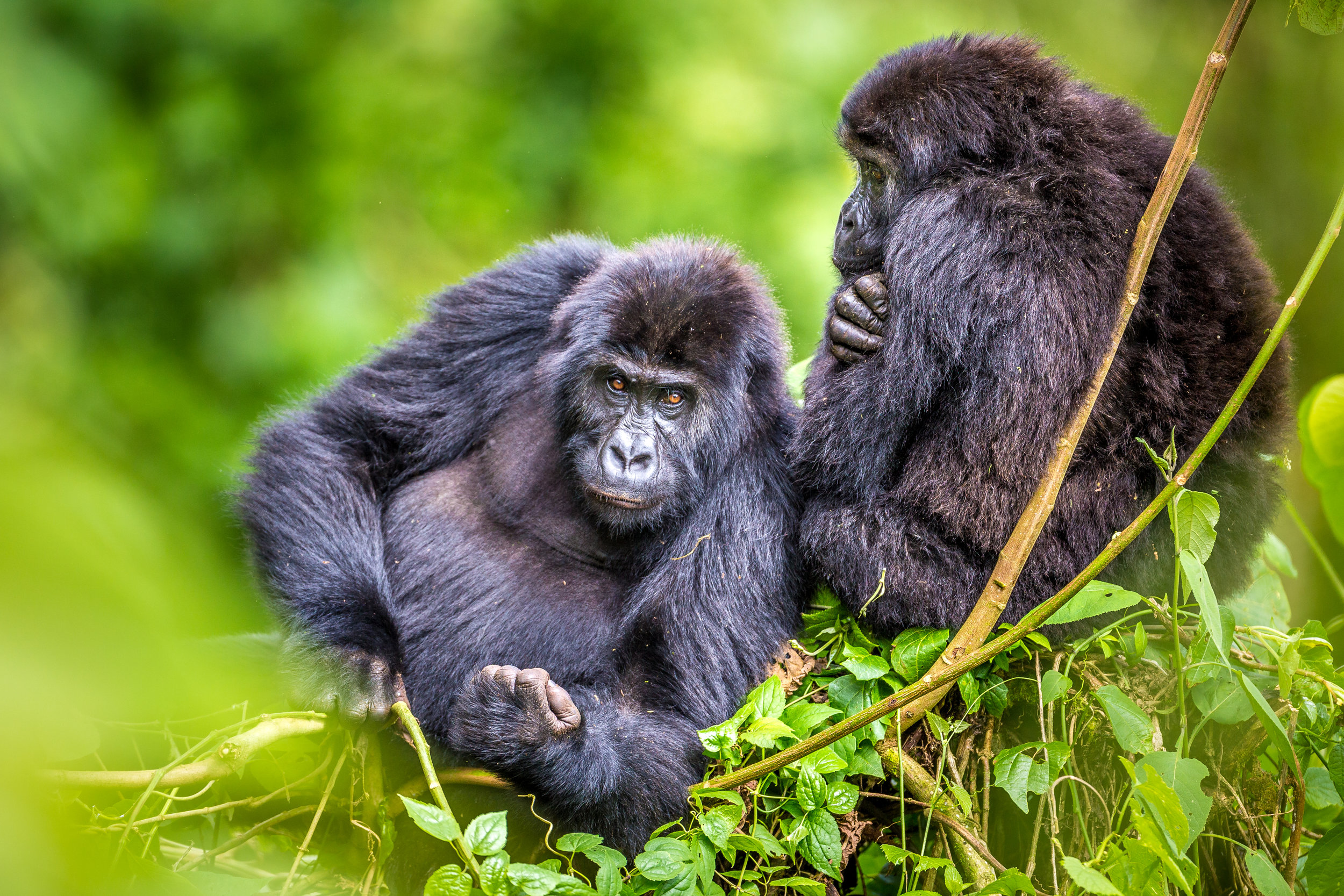
Once you reach the gorilla family, trekkers are allowed to spend up to one hour observing these magnificent creatures. Visitors often describe this moment as life-changing. Watching these gentle giants interact, groom each other, and play offers a deeper understanding of their social structures and behaviors.
Guides emphasize maintaining a respectful distance from the gorillas to minimize stress on the animals, as well as observing strict protocols to ensure the safety of both visitors and gorillas. Remember, gorillas share about 98% of their DNA with humans, which creates an uncanny sense of connection and responsibility.
Ideal Time for Gorilla Trekking in Uganda
The best time for gorilla trekking in Uganda is during the dry seasons, generally from June to September and December to February. During these months, trails are drier, making trekking easier and more enjoyable. However, some travelers may opt for the rainy seasons (March to May and October to November) for a more serene experience, as there are fewer tourists. While the trails can be challenging due to mud and slippery conditions, the lush greenery and rich birdlife can make it an equally rewarding experience.
Budgeting for Your Gorilla Trekking Adventure
Planning a gorilla trekking trip involves considering various costs, including:
Permits: $800 per person.
Accommodation: Lodging options can range from budget hostels at $25 per night to luxury lodges exceeding $800.
Transport: Expect to budget around $150 to $350 per day for transportation, depending on the distance and type of vehicle.
Food: Meals typically range from $10 to $30 per day.
In total, a reasonable budget for a short gorilla trekking adventure may start from around $1,500 and can go much higher based on personal preferences.
Safety and Health Considerations
While gorilla trekking is generally safe, certain precautions should be taken:
Ensure you are in good health before trekking, as rangers may refuse entry to participants showing signs of illness. It’s advisable to have travel insurance that covers wildlife activities. Consult your healthcare provider regarding necessary vaccinations, such as yellow fever or rabies. Follow the guidelines provided by your guides to protect both your health and that of the gorillas. This includes maintaining a safe distance, not feeding the gorillas, and avoiding any sudden movements.
The Role of Local Communities in Gorilla Trekking
Gorilla trekking significantly impacts local communities, offering economic opportunities through employment and tourism revenues. Many locals work as guides, porters, and in hospitality services, contributing to the economy.
Community projects funded by trekking permits help improve living conditions and promote sustainable practices. Visitors often have opportunities to engage with local culture through village visits, handicraft markets, and cultural performances. This interaction fosters a sense of shared responsibility in conserving wildlife and landscapes.
Final Thoughts
Gorilla trekking in Uganda is more than just a thrilling adventure. It is a compelling opportunity to connect with nature, support conservation efforts, and engage with local cultures. The raw beauty of Uganda’s landscapes, combined with the awe-inspiring presence of the mountain gorillas, creates an experience that resonates deeply within the souls of travelers.
As you embark on this remarkable journey, remember that each step taken not only brings you closer to these magnificent creatures but also contributes to their survival and the well-being of local communities. As a traveler, you become a part of the conservation story. A story that intertwines adventure, responsibility, and the shared hope for a future where both nature and communities can thrive. So, pack your bags and prepare for an adventure that will enrich your life and leave an indelible mark on your heart. Uganda’s mountain gorillas await, eager to share their world with you.