Toro-Semliki Wildlife Reserve, Uganda: Complete Safari, Wildlife and Birdwatching Guide
Introduction: Discover Toro-Semliki Wildlife Reserve
Toro-Semliki Wildlife Reserve is one of western Uganda’s rewarding destinations for travellers seeking wildlife, birdwatching and off-the-beaten-path safari experiences. Located in the Albertine Rift Valley, the reserve features open savannah, acacia-combretum woodland, Borassus palm stands, riverine forests and wetlands towards Lake Albert.
Established as a game reserve in 1926, Toro-Semliki covers approximately 542 square kilometres. Its varied habitats support elephants, buffaloes, Uganda kobs, waterbucks, warthogs, primates and a rich diversity of birds. The wider area is particularly attractive to birdwatchers hoping to see the rare shoebill in suitable wetlands along Lake Albert.
Unlike Uganda’s more frequently visited safari destinations, Toro-Semliki offers a quieter setting where travellers can explore wildlife habitats, enjoy guided nature walks and discover the landscapes and communities of the Semliki Valley.
For visitors planning a western Uganda safari, the reserve can be combined with Lake Albert, Semuliki National Park, Kibale National Park or other destinations, depending on the available time and preferred activities.
EPIC UGANDA VACATION LTD can help you plan a tailor-made itinerary that brings together wildlife viewing, birding, cultural encounters and scenic exploration in this fascinating part of Uganda.
Where Is Toro-Semliki Wildlife Reserve Located?
Toro-Semliki Wildlife Reserve lies in western Uganda, within the Ntoroko and Kabarole districts. It sits on the floor of the Albertine Rift Valley, between the Rwenzori Mountains, the Kijura escarpment and Lake Albert.
The reserve is located northwest of Fort Portal and is accessible by road through the wider Semliki Valley. Its landscapes range from open grasslands and woodland to riverine forest and marshy areas near the lake.
The surrounding region is also home to communities with different cultural and economic traditions, including fishing communities around Ntoroko and pastoralist communities in the wider Semliki Flats.
Quick Facts About Toro-Semliki Wildlife Reserve
- Country: Uganda
- Region: Western Uganda, Albertine Rift Valley
- Size: Approximately 542 square kilometres
- Established: 1926
- Main habitats: Savannah, woodland, palm stands, riverine forest and wetlands
- Top activities: Game drives, birdwatching, guided nature walks, primate walks and community tourism
- Nearby attractions: Lake Albert, Semuliki National Park and Fort Portal
- Best suited for: Wildlife enthusiasts, birders, nature lovers, photographers and travellers seeking less-crowded safari experiences
Top Things to Do in Toro-Semliki Wildlife Reserve
1. Enjoy a Wildlife Game Drive
Game drives are one of the main activities in Toro-Semliki Wildlife Reserve. The reserve has tracks through savannah and woodland habitats where visitors can search for wildlife in a relatively quiet setting.
Animals recorded in the reserve include elephants, buffaloes, Uganda kobs, waterbucks, warthogs, bushbucks and giant forest hogs. Hippos are also associated with suitable water habitats in the region.
The reserve is particularly interesting because its elephant population includes animals associated with both savannah and forest environments. Wildlife sightings depend on the season, weather, animal movements and the areas accessible during your visit.
A guided game drive can be arranged for different times of day, subject to the reserve’s current operating arrangements. Morning and late-afternoon outings can offer opportunities to observe animal behaviour and photograph the landscape in changing light.
Safari tip: Bring binoculars and a camera with a zoom lens. Some wildlife may be seen at a distance, and patient observation is often more rewarding than rushing between sightings.
2. Go Shoebill Birdwatching on Lake Albert
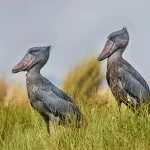
One of the most distinctive experiences associated with Toro-Semliki is the opportunity to search for the shoebill, an unusual and highly sought-after bird found in suitable wetland habitats.
The shoebill is recognised by its enormous, shoe-shaped bill and its tendency to remain motionless while waiting for prey. Its behaviour and colouring can make it surprisingly difficult to locate in marsh vegetation.
Birding excursions on Lake Albert, often arranged from the Ntoroko area, may offer opportunities to search for the shoebill alongside other wetland species. The exact departure point, boat availability and route should be confirmed before travel.
Other birds of interest in the wider area include the African pygmy goose, blue-breasted bee-eater, blue-cheeked bee-eater and blue-headed coucal. Within the reserve, birders can also look for species such as the Abyssinian ground hornbill and red-necked falcon.
Shoebill sightings are never guaranteed. A local guide familiar with the wetlands can improve your chances of finding birds while helping minimise disturbance to their habitat.
3. Explore the Reserve on a Guided Nature Walk
A guided nature walk provides a closer look at the reserve’s different habitats and smaller wildlife. Depending on the selected route and conditions, a walk may pass through savannah woodland, riverine vegetation and areas rich in birdlife.
Walking allows visitors to notice details that may be missed from a vehicle, including animal tracks, insects, plants, bird calls and changes in vegetation.
For safety, nature walks should be conducted according to the reserve’s rules and with an authorised guide where required. The route, duration and wildlife encountered vary with local conditions.
Wear comfortable walking shoes, carry drinking water and protect yourself from the sun. A lightweight rain jacket is also useful, especially during wetter months.
4. Take a Primate Walk
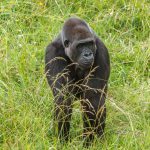
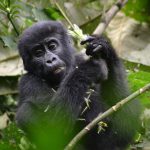
Toro-Semliki Wildlife Reserve is home to several primate species, including olive baboons, vervet monkeys, red-tailed monkeys and black-and-white colobus monkeys. Chimpanzees are also present in parts of the reserve’s riverine forest.
A guided primate walk can provide an opportunity to learn about primate behaviour, forest ecology and the relationship between wildlife and its habitat.
Chimpanzee sightings are not guaranteed, and a primate walk in Toro-Semliki should not automatically be treated as equivalent to a formal chimpanzee-tracking experience in Kibale National Park. Confirm the activity’s format, guide arrangements and likelihood of sightings before booking.
For travellers particularly interested in chimpanzees, combining Toro-Semliki with Kibale National Park may provide a more comprehensive primate-focused itinerary.
5. Hike to Nyaburogo Gorge
Nyaburogo Gorge is a notable walking and birdwatching attraction in the reserve. The route is described as approximately seven kilometres and passes through a variety of habitats, including savannah, woodland and forested areas.
The changing vegetation makes the walk interesting for birders and nature enthusiasts. Depending on conditions, visitors may look for species such as arrow-marked babblers, tropical boubous and black-headed bushshrikes, alongside primates and other wildlife.
The walk can be rewarding for travellers who want to experience the reserve beyond game drives. However, the terrain and timing should be assessed with the local guide, particularly after rain.
Ask about the expected duration, trail conditions, footwear requirements and current access arrangements before setting out.
6. Discover Local Culture Through Community Tourism
The communities surrounding Toro-Semliki contribute to the area’s cultural identity and conservation story. A community visit can offer an opportunity to learn about local traditions, livelihoods, crafts and the relationship between people and wildlife.
The Karugutu Community Conservation Association has been associated with cultural performances involving traditional music, dance and drama, as well as locally made crafts.
Availability should be confirmed in advance. When a community experience is arranged, visitors should follow local guidance, ask permission before taking photographs and support community activities respectfully.
Community tourism can add a valuable human dimension to a safari, helping travellers understand that protected landscapes are connected to the lives and livelihoods of people who live nearby.
7. Enjoy the Scenery of the Albertine Rift
Toro-Semliki’s location gives it a distinctive landscape. The reserve sits between the Rwenzori Mountains, the Kijura escarpment and Lake Albert, with views that can be especially impressive when the weather is clear.
Open grasslands, palm stands, river valleys and wooded areas create a varied backdrop for landscape photography. The contrast between the relatively low-lying reserve and the surrounding escarpments is a key part of its appeal.
Allow time to enjoy the scenery rather than treating the reserve only as a place to look for large mammals. Its landscapes and habitats are among the reasons the area appeals to nature lovers and specialist photographers.
Wildlife in Toro-Semliki Wildlife Reserve
Toro-Semliki is an important habitat for a variety of mammals and birds. The mix of savannah, woodland, riverine forest and wetlands supports different species across the reserve and neighbouring landscapes.
Mammals to Look For
Wildlife recorded in the reserve includes:
- Elephants
- African buffaloes
- Uganda kobs
- Waterbucks
- Warthogs
- Bushbucks
- Giant forest hogs
- Hippos in suitable aquatic habitats
- Olive baboons
- Vervet monkeys
- Red-tailed monkeys
- Black-and-white colobus monkeys
- Chimpanzees in parts of the riverine forest
Leopards and other elusive species may occur in the wider area, but sightings are unpredictable. The reserve is not best approached as a destination where every visitor will see every species.
Birdlife in Toro-Semliki
Toro-Semliki is an appealing destination for birdwatchers because of its varied habitats and position within the Albertine Rift region. Uganda Wildlife Authority information describes approximately 400 bird species in the reserve.
Birds of interest include:
- Shoebill, in suitable wetlands near Lake Albert
- Abyssinian ground hornbill
- Red-necked falcon
- Black-billed barbet
- African pygmy goose
- Blue-breasted bee-eater
- Blue-cheeked bee-eater
- Blue-headed coucal
The exact birds encountered depend on habitat, season, weather and the amount of time spent in the field. Serious birders may wish to allow extra days for a more thorough exploration of the reserve and neighbouring wetlands.
Toro-Semliki Wildlife Reserve vs Semuliki National Park
Toro-Semliki Wildlife Reserve and Semuliki National Park are separate protected areas in the same broader region. Their similar names can cause confusion, but they offer different experiences.
| Feature | Toro-Semliki Wildlife Reserve | Semuliki National Park |
|---|---|---|
| Main landscape | Savannah, woodland, palm stands and riverine forest | Lowland tropical rainforest |
| Wildlife focus | Savannah mammals, primates and birdlife | Forest birds, primates and rainforest biodiversity |
| Key experiences | Game drives, nature walks, primate walks and Lake Albert birding excursions | Forest walks, birdwatching and Sempaya Hot Springs |
| Best suited for | Travellers seeking a quieter wildlife and wetland experience | Travellers interested in rainforest ecology and forest birding |
The two destinations can complement one another in a longer western Uganda itinerary. If your priority is savannah wildlife and a possible shoebill excursion, consider Toro-Semliki. If you are more interested in rainforest habitats and the Sempaya Hot Springs, Semuliki National Park may be the better fit.
You can also read EPIC UGANDA VACATION’s guide to the Semuliki Valley.
Best Time to Visit Toro-Semliki Wildlife Reserve
Toro-Semliki can be visited throughout the year, but weather and road conditions influence the experience.
The drier periods around December to February and June to August are often convenient for wildlife viewing and travel. February and early March can be particularly dry in the wider area, although temperatures may be high. Rainier periods can bring greener scenery but may make some tracks and walking routes more challenging.
Best Time for Wildlife Viewing
Drier conditions may make some wildlife easier to observe around open areas and water sources. However, animal movements vary, and sightings depend on the guide, route and conditions on the day.
Best Time for Birdwatching
Birding can be rewarding at different times of year because the reserve supports many resident species. The best period depends on your target birds and whether you want to focus on the reserve’s savannah and woodland species or the wetlands around Lake Albert.
Uganda Wildlife Authority notes that late May through September can be favourable for birdwatching nationally, while weather conditions should be considered when planning walks and road transfers.
Best Time for Photography
Clearer conditions may offer broad views of the Rift Valley landscape, while greener periods can create attractive scenery. Early morning and late afternoon are often useful times for landscape and wildlife photography, depending on the activity schedule.
Our recommendation: Choose your travel dates around your main interests and the wider route. Ask EPIC UGANDA VACATION to confirm local conditions and activity availability before finalising your itinerary.
How to Get to Toro-Semliki Wildlife Reserve
Toro-Semliki is generally reached by road from Fort Portal or as part of a longer western Uganda safari.
By Road from Kampala or Entebbe
Travelling from Kampala or Entebbe involves a road journey into western Uganda, usually through the Fort Portal area. The total journey time depends on the starting point, traffic, road conditions and stops.
Because some routes within the reserve and surrounding region are unpaved, a suitable safari vehicle is advisable, particularly during rainy periods.
From Fort Portal
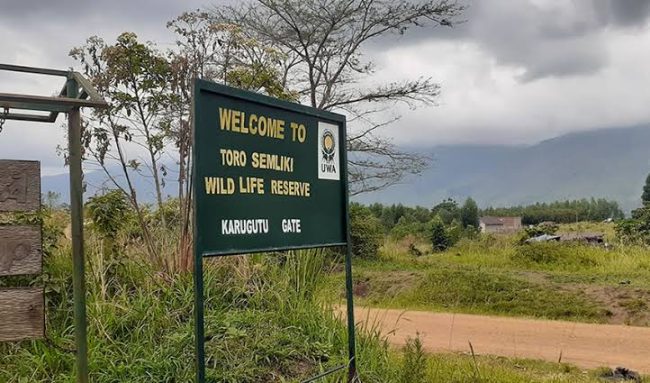
Fort Portal is a useful base for exploring western Uganda. From there, travellers can continue towards the reserve through the Karugutu area. Confirm the route and current road conditions before departure, as local access and journey times may vary.
As Part of a Uganda Safari
Many travellers find it practical to visit Toro-Semliki as part of a broader itinerary that includes destinations such as Kibale National Park, Semuliki National Park or Murchison Falls National Park.
The best route depends on your starting point, accommodation, desired activities and total trip length. A well-planned itinerary should allow enough time for road transfers rather than squeezing several distant destinations into a single day.
Where to Stay Near Toro-Semliki Wildlife Reserve
Accommodation options in and around Toro-Semliki range from simple facilities to more comfortable safari lodges. Availability and operating arrangements can change, so confirm your preferred accommodation before travelling.
Depending on your budget and route, options may include:
- Semliki Safari Lodge: A higher-end tented safari accommodation option associated with the reserve.
- Ntoroko Game Lodge: An option for travellers wanting to stay near Lake Albert.
- Uganda Wildlife Authority bandas or camping facilities: Budget-oriented options may be available in designated locations, subject to current operations and advance booking.
- Accommodation around Fort Portal: A possible base for travellers visiting several destinations in western Uganda, although this may involve longer transfers to the reserve.
When choosing accommodation, consider proximity to your planned activities, meal arrangements, transport access and whether you need an early start for birdwatching or a guided walk.
EPIC UGANDA VACATION can help match accommodation to your preferred comfort level and itinerary, subject to availability.
Suggested 3-Day Toro-Semliki Wildlife Safari
This sample itinerary is designed for travellers who want to experience the reserve’s wildlife, birdlife and Lake Albert scenery. Exact activities should be confirmed in advance, especially boat excursions and guided walks.
Day 1: Travel to Toro-Semliki Wildlife Reserve
Depart from Kampala, Entebbe or another agreed starting point and travel towards western Uganda. Enjoy the changing landscapes as you approach the Albertine Rift.
Arrive at your accommodation, settle in and discuss the next day’s activities with your guide. If time and conditions allow, enjoy a short nature experience or relax at the lodge.
Overnight: Accommodation near Toro-Semliki.
Day 2: Game Drive and Guided Nature Walk
Start the day with a guided game drive through accessible savannah and woodland tracks. Search for elephants, buffaloes, Uganda kobs, waterbucks and other wildlife.
After a break, enjoy a guided nature walk or a birding excursion, depending on your interests and the activities available. Your guide can help identify bird species and explain the reserve’s different habitats.
Overnight: Accommodation near Toro-Semliki.
Day 3: Lake Albert Birding or Nyaburogo Gorge
Choose an early-morning shoebill-focused birding excursion on Lake Albert, subject to confirmation of boat availability and local conditions. Alternatively, take a guided walk towards Nyaburogo Gorge to explore the reserve’s woodland and riverine habitats.
After the activity, continue to your next destination or return according to your travel arrangements.
End of safari: Continue to Fort Portal, Kibale, Semuliki National Park or another planned stop, depending on your itinerary.
Note: This is a sample itinerary, not a guarantee that every activity will operate on every date. The final programme should be based on confirmed access, guides, transport, accommodation and current conditions.
What to Pack for Toro-Semliki Wildlife Reserve
The reserve can be hot, and conditions vary between open savannah, woodland and wetland habitats. Pack for both wildlife viewing and outdoor activities.
Recommended items include:
- Lightweight, breathable clothing.
- Neutral-coloured clothing for wildlife viewing.
- Comfortable walking shoes or hiking boots.
- A hat, sunglasses and sunscreen.
- Insect repellent.
- Binoculars for birdwatching.
- A camera with a zoom lens.
- A reusable water bottle.
- A light rain jacket.
- Personal medication and basic travel essentials.
- Waterproof protection for electronic equipment during boat trips.
For guided walks, ask your operator about footwear, trail conditions, drinking water and the expected duration. Follow your guide’s instructions around wildlife and water.
Responsible Tourism and Conservation
Toro-Semliki’s wildlife habitats and surrounding communities are important parts of the wider Albertine Rift ecosystem. Responsible travel can help support conservation and provide benefits to local people.
Visitors can contribute by:
- Following the instructions of authorised guides and reserve staff.
- Keeping a respectful distance from wildlife.
- Avoiding loud noise or behaviour that disturbs animals.
- Taking all rubbish away and avoiding single-use plastics where possible.
- Asking permission before photographing local residents.
- Supporting locally operated cultural experiences and craft sellers.
- Respecting community customs and designated access areas.
- Confirming boat safety arrangements before any Lake Albert excursion.
A thoughtful visit allows travellers to enjoy the reserve while respecting its wildlife, landscapes and communities.
Why Visit Toro-Semliki Wildlife Reserve with EPIC UGANDA VACATION?
Toro-Semliki offers a different perspective on Uganda’s wildlife. Rather than focusing only on the country’s most famous parks, visitors can explore savannah habitats, search for the shoebill, enjoy guided walks and discover the quieter landscapes of the Albertine Rift.
EPIC UGANDA VACATION LTD can help you plan a tailor-made safari that fits your interests, travel dates and budget.
Your itinerary can be designed around:
- Wildlife game drives.
- Birdwatching and shoebill-focused excursions.
- Guided nature and primate walks.
- Nyaburogo Gorge hikes.
- Community cultural experiences.
- Lake Albert scenery.
- Connections to other western Uganda destinations.
If you are planning a longer Uganda trip, explore our Uganda safari options and 15 Days Best of Uganda Vacation.
You can also read our Uganda birding and wildlife safari trip report for more inspiration about exploring Uganda’s diverse habitats.
Frequently Asked Questions About Toro-Semliki Wildlife Reserve
1. Where is Toro-Semliki Wildlife Reserve located?
Toro-Semliki Wildlife Reserve is in western Uganda, within Ntoroko and Kabarole districts. It lies in the Albertine Rift Valley near Lake Albert and northwest of Fort Portal.
2. What is Toro-Semliki Wildlife Reserve famous for?
The reserve is known for its savannah and woodland habitats, elephants, antelopes, primates, birdwatching and access to shoebill-focused excursions on Lake Albert.
3. Can I see the shoebill in Toro-Semliki Wildlife Reserve?
A guided excursion to suitable wetlands around Lake Albert may offer an opportunity to see the shoebill. Sightings are not guaranteed, and the exact departure point and boat arrangements should be confirmed before travel.
4. What animals live in Toro-Semliki Wildlife Reserve?
Animals recorded in the reserve include elephants, buffaloes, Uganda kobs, waterbucks, warthogs, bushbucks, giant forest hogs and several primate species. The animals seen during a visit depend on their movements and the habitats explored.
5. Is Toro-Semliki good for birdwatching?
Yes. Its combination of savannah, woodland, riverine forest and nearby wetlands makes it an interesting destination for birdwatchers. The wider area is especially notable for shoebill searches on Lake Albert.
6. Can I see chimpanzees in Toro-Semliki?
Chimpanzees occur in parts of the reserve’s riverine forest, and guided primate walks may offer an opportunity to search for them. Sightings are not guaranteed. Travellers seeking a dedicated chimpanzee-tracking experience should also consider Kibale National Park.
7. What is the difference between Toro-Semliki Wildlife Reserve and Semuliki National Park?
Toro-Semliki Wildlife Reserve is primarily a savannah and woodland destination with game drives, primate walks and access to Lake Albert birding. Semuliki National Park is best known for lowland tropical rainforest, forest birding and Sempaya Hot Springs. They are separate protected areas.
8. How many days do I need in Toro-Semliki?
Two days can provide time for selected activities, while three days offer more flexibility for game drives, birdwatching, walking and a Lake Albert excursion. Travel time and your main interests should determine the final length of your visit.
9. When is the best time to visit Toro-Semliki Wildlife Reserve?
The drier periods around December to February and June to August are often convenient for wildlife viewing and travel. However, the best time depends on weather, road conditions and your specific birding or wildlife interests.
10. Is Toro-Semliki Wildlife Reserve the same as Lake Albert?
No. Toro-Semliki Wildlife Reserve is a protected area in western Uganda, while Lake Albert is a large lake on the Uganda–Democratic Republic of the Congo border. The reserve extends towards the lake, and excursions on Lake Albert may be included in a wider visit.
11. Can I visit Toro-Semliki on a private Uganda safari?
Yes. Toro-Semliki can be incorporated into a private itinerary, subject to travel time, accommodation availability and confirmation of activities. A private safari can make it easier to combine the reserve with other destinations in western Uganda.
Plan Your Toro-Semliki Wildlife Reserve Safari
Discover a quieter side of Uganda with a visit to Toro-Semliki Wildlife Reserve. From savannah game drives and guided walks to birdwatching near Lake Albert, the region offers a rewarding combination of wildlife, landscapes and cultural experiences.
Whether you are planning a specialist birding trip or a longer Uganda safari, EPIC UGANDA VACATION LTD can help you build an itinerary around your interests and available time.
Start planning your trip today.
Visit: www.epicugandavacation.com
Contact our team: EPIC UGANDA VACATION