Lake Albert, Uganda: Complete Travel Guide to Wildlife, Shoebill Birding and Scenic Safaris
Introduction: Discover Lake Albert in Uganda
Lake Albert is one of Uganda’s remarkable natural attractions, offering a combination of scenic landscapes, rich birdlife, traditional fishing communities and access to some of the country’s less-visited wildlife destinations. Located in the western branch of the East African Rift Valley, the lake forms part of the border between Uganda and the Democratic Republic of the Congo.
For travellers looking beyond Uganda’s most familiar safari destinations, Lake Albert offers an opportunity to explore a quieter side of the country. Its wetlands attract a variety of waterbirds, including the sought-after shoebill, while its surrounding landscapes feature open plains, river valleys, escarpments and views towards the mountains of the Albertine Rift.
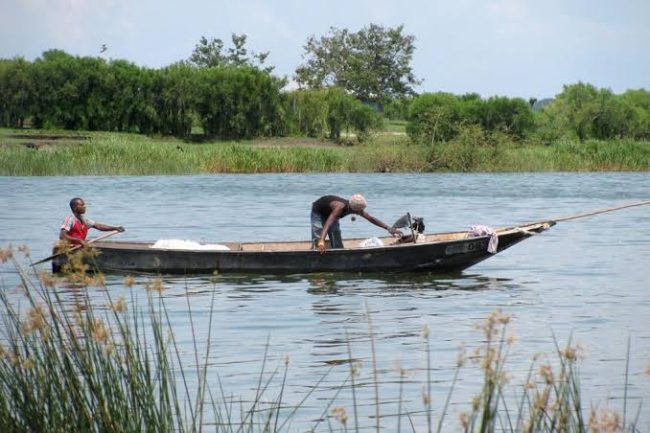
Lake Albert is also an important source of livelihood for local fishing communities. Visiting the area with a knowledgeable local guide allows travellers to appreciate both its natural beauty and the people whose lives are closely connected to the lake.
At EPIC UGANDA VACATION LTD, we can help travellers incorporate Lake Albert into a tailor-made Uganda safari, combining birdwatching and lakeside scenery with wildlife viewing in nearby protected areas.
Where Is Lake Albert Located?
Lake Albert lies in western Uganda along the border with the Democratic Republic of the Congo. It is part of the Albertine Rift, a region known for its dramatic landscapes, wetlands, forests and exceptional biodiversity.
The lake receives water from rivers including the Victoria Nile and the Semliki River. Its northern end is associated with the Nile delta near Murchison Falls National Park, while the southern shores and surrounding plains provide access to the Ntoroko area and Toro-Semliki Wildlife Reserve.
Lake Albert is an important geographical and ecological feature of western Uganda. Its wetlands and surrounding habitats support wildlife, birdlife, fisheries and local communities.
Key facts about Lake Albert
- Location: Western Uganda, on the border with the Democratic Republic of the Congo.
- Geographical region: Albertine Rift Valley.
- Nearby destinations: Murchison Falls National Park, Toro-Semliki Wildlife Reserve and the wider Semliki Valley.
- Main visitor interests: Shoebill birdwatching, wetland birding, scenery, fishing-community experiences and wildlife excursions.
- Popular access areas: The Ntoroko area in the south and the Lake Albert delta area near Murchison Falls in the north.
Lake Albert is large, and visitor experiences differ by location. When planning a trip, it is important to identify the particular lakeshore, wetland or wildlife area you want to explore.
Top Things to Do at Lake Albert, Uganda
1. Search for the Shoebill
One of the biggest attractions for birdwatchers visiting Lake Albert is the opportunity to search for the shoebill, an unusual wetland bird recognised by its large, distinctive bill and prehistoric appearance.
Shoebills inhabit suitable swamp and marsh habitats, where they often remain still while searching for fish and other aquatic prey. Their behaviour and natural camouflage can make them difficult to spot, which adds to the excitement of a guided birding excursion.
A boat trip through suitable wetlands around the lake may provide opportunities to look for shoebills and other waterbirds. The exact route depends on the departure point, water conditions, local guidance and the areas accessible on the day.
Important: A shoebill sighting cannot be guaranteed. Wildlife moves freely through its habitat, so patience, a knowledgeable birding guide and appropriate timing are important.
2. Enjoy a Guided Birdwatching Excursion
Lake Albert and its associated wetlands are worth considering for travellers interested in Uganda’s birdlife. Depending on the habitat and location visited, birders may encounter herons, kingfishers, bee-eaters, pelicans and other wetland or lakeshore species.
The shoebill is often the headline attraction, but the wider birding experience can be equally rewarding. Quietly exploring the wetlands provides opportunities to observe feeding behaviour, listen to bird calls and photograph species in their natural environment.
For a more productive excursion, consider the following:
- Travel with a local guide familiar with the wetland and its birdlife.
- Carry binoculars and a camera with a suitable zoom lens.
- Wear neutral-coloured clothing and avoid sudden movements around wildlife.
- Allow enough time for slow observation rather than rushing between locations.
- Follow your guide’s instructions to minimise disturbance to birds and other animals.
Lake Albert can be included in a wider Uganda birding itinerary for visitors who want to explore beyond the country’s better-known birdwatching sites.
3. Explore the Lakeshore and Its Scenic Landscapes
Lake Albert offers broad views across open water towards the opposite shore in the Democratic Republic of the Congo. The surrounding Albertine Rift landscape adds another dimension to the experience, with escarpments, open plains, wetlands and river valleys creating a distinctive setting.
Photography enthusiasts can capture changing light across the lake, local boats, lakeshore settlements and the contrast between water and the surrounding landscape.
Early mornings and late afternoons can be particularly appealing for landscape photography, although the best conditions depend on weather and visibility.
Rather than treating the lake only as a stop between national parks, allow time to appreciate its atmosphere and the relationship between the water, wildlife and surrounding communities.
4. Experience Local Fishing Communities
Fishing plays an important role in livelihoods around Lake Albert. Visiting a lakeside settlement with an appropriate local guide can help travellers understand the lake’s importance to food, employment, trade and everyday life.
Depending on arrangements and local availability, a community visit may include observing fishing activities, learning about traditional methods, viewing boats and nets, and speaking with local residents.
Responsible visitors should always ask permission before photographing people, fishing equipment or private activities. Purchasing locally made products or using locally provided services can also help tourism contribute to the surrounding communities.
Lake Albert is a working lake as well as a wildlife destination. Respectful community engagement helps make the visit more meaningful.
5. Combine Lake Albert with Toro-Semliki Wildlife Reserve
Toro-Semliki Wildlife Reserve is one of the most useful nearby destinations for travellers interested in combining Lake Albert birdwatching with a traditional wildlife experience.
The reserve protects a mixture of savannah, woodland, riverine forest and wetland habitats. Wildlife recorded in the area includes elephants, buffaloes, Uganda kobs, waterbucks, warthogs and several primate species.
Visitors may enjoy guided game drives, nature walks, birdwatching and other activities available through the reserve. Shoebill-focused boat excursions may also be arranged in suitable wetland areas around Lake Albert, depending on the departure point and current conditions.
Wildlife sightings vary, and the reserve offers a different experience from Uganda’s busiest safari parks. It is particularly attractive to travellers who appreciate quieter landscapes, specialist birding and less-crowded wildlife excursions.
6. Visit the Semliki Valley
The wider Semliki Valley adds forest scenery, birdwatching and cultural experiences to a trip around Lake Albert.
Travellers can explore nearby destinations such as Semuliki National Park, which is known for its lowland tropical rainforest and Sempaya Hot Springs. This is a separate protected area from Toro-Semliki Wildlife Reserve, so activities and access arrangements differ.
A carefully planned itinerary can combine the lake’s wetlands with forest walks, birding and other attractions in western Uganda.
For visitors with extra time, the Semliki Valley is an excellent way to experience the diversity of habitats found within the Albertine Rift.
7. Include Lake Albert on a Murchison Falls Safari
Lake Albert is also connected geographically and ecologically to the wider Murchison Falls area. At the northern end of the lake, the Victoria Nile enters the lake through the delta, creating important wetland habitat.
A safari in Murchison Falls National Park can include game drives, a boat cruise on the Nile and a visit to the dramatic Murchison Falls. Depending on your interests and available time, a separate excursion towards suitable Lake Albert delta wetlands may add a specialist birdwatching experience.
Do not assume that every Murchison Falls boat cruise includes the Lake Albert delta or a shoebill excursion. These are different experiences and should be confirmed when planning your safari.
Read more about Murchison Falls National Park and explore the 3 Days Murchison Falls Wildlife Safari offered by EPIC UGANDA VACATION.
Wildlife Around Lake Albert
Lake Albert’s ecological importance extends beyond the lake itself. Its shoreline, wetlands, river mouths and nearby protected areas support a variety of birds, mammals, reptiles and aquatic species.
Depending on where you visit, the surrounding region may offer opportunities to observe:
- Shoebills: Highly sought-after wetland birds found in suitable marsh habitats.
- Hippos: Associated with suitable water bodies and river environments.
- Nile crocodiles: Present in parts of the lake and connected waterways.
- Waterbirds: Including herons, pelicans and other species associated with wetlands and lakeshores.
- Savannah wildlife: Animals such as elephants, buffaloes and antelopes can be encountered in nearby protected areas, including Toro-Semliki Wildlife Reserve.
Not every species occurs at every location, and sightings are never guaranteed. A well-planned itinerary should match your expectations to the habitats and activities available at the particular part of Lake Albert you intend to visit.
Best Time to Visit Lake Albert
Lake Albert can be visited throughout much of the year, but weather, road conditions, water levels and your main interests can influence the best time for your trip.
Uganda generally experiences drier periods around December to February and June to August, although local conditions vary. These periods can be convenient for road travel and outdoor activities. Rainier months can bring greener landscapes and interesting birding conditions, but some access roads and trails may become more challenging.
Choosing when to travel
For birdwatching: The best timing depends on the target species, wetland conditions and seasonal bird movements. Ask a local birding specialist about current conditions before booking a dedicated shoebill excursion.
For wildlife viewing: Drier periods can make travel and some wildlife-viewing activities more convenient, but sightings depend on location and animal movements.
For landscape photography: Both dry and rainy periods have advantages. Clear skies can offer broad views, while greener landscapes and dramatic cloud formations may appeal to photographers during wetter periods.
For combining several destinations: Choose travel dates that work for the entire safari, including road transfers, park activities and any specialist birding excursions.
Rather than relying on a single “perfect” month, EPIC UGANDA VACATION can help you choose dates based on your route, birding priorities, accommodation preferences and available time.
How to Get to Lake Albert
The best route to Lake Albert depends on the part of the lake you wish to visit.
From Kampala or Entebbe
Travellers arriving through Entebbe International Airport can travel by road towards western or northwestern Uganda. The route and journey time depend on the chosen access point, road conditions and stops along the way.
For the southern part of Lake Albert, Ntoroko and the Toro-Semliki area may be suitable bases. For birding associated with the northern delta, an itinerary linked to Murchison Falls National Park may be more appropriate.
From Murchison Falls National Park
Visitors exploring Murchison Falls may be able to include a separate Lake Albert delta excursion, depending on the planned route and the activities available. Confirm the exact departure point and travel time before booking, as not all lake-related activities start from the same location.
With a Private Uganda Safari Guide
A private safari with a driver-guide is a convenient option for travellers who want to combine Lake Albert with other western Uganda destinations. It allows the route to be adapted around birding, photography, wildlife viewing and community experiences.
EPIC UGANDA VACATION can help coordinate transport, accommodation and guided activities according to your preferred travel style.
Where to Stay Near Lake Albert
Accommodation options vary depending on which part of Lake Albert you visit and whether your main interest is birdwatching, wildlife viewing or a wider Uganda safari.
Possible bases include the Ntoroko area and accommodation associated with Toro-Semliki Wildlife Reserve. Travellers visiting the northern part of the lake may prefer accommodation arranged as part of a Murchison Falls itinerary.
When choosing where to stay, consider:
- Distance from your planned birding or boat excursion.
- Road access and expected transfer times.
- Whether early-morning departures are needed.
- Meals, drinking water and other facilities.
- Your preferred comfort level and budget.
- Whether the accommodation can help arrange a local guide or boat trip.
Availability and facilities can vary, particularly in more remote areas. Confirm accommodation and activities before travelling rather than assuming that services will be available on arrival.
Suggested 3-Day Lake Albert and Western Uganda Itinerary
This sample itinerary combines Lake Albert birdwatching with wildlife and scenery in the surrounding region. The final route should be adjusted to your arrival point, road conditions, accommodation availability and the exact location of your planned excursion.
Day 1: Travel to the Lake Albert Region
Depart from your starting point in Uganda and travel towards the selected Lake Albert access area. Enjoy the changing landscapes of western Uganda and arrive at your accommodation.
Depending on your arrival time, you may take a short lakeshore visit or enjoy the surrounding scenery before dinner.
Overnight: Accommodation near your selected Lake Albert access point.
Day 2: Shoebill Birding and Lake Albert Exploration
Begin early with a pre-arranged guided boat excursion or wetland birding trip in suitable habitat. Search for the shoebill and observe other waterbirds while learning about the lake’s ecology.
Later, enjoy a lakeshore visit or a locally guided community experience, subject to availability and local arrangements.
Overnight: Lake Albert region.
Day 3: Toro-Semliki Wildlife Reserve or Continue Your Safari
Depending on your interests and the route, spend the morning exploring Toro-Semliki Wildlife Reserve through an available guided activity, such as a game drive, nature walk or birding excursion.
Alternatively, continue towards Murchison Falls National Park or another destination on your Uganda itinerary. Allow enough time for transfers and confirm whether the proposed activities fit comfortably into the day.
End of itinerary: Continue to your next destination or return according to your travel arrangements.
What to Pack for a Lake Albert Trip
Pack according to the season and activities planned. For birdwatching and lakeshore exploration, useful items include:
- Binoculars for identifying distant birds.
- A camera with a suitable zoom lens, if you enjoy photography.
- Lightweight, breathable clothing in neutral colours.
- Comfortable walking shoes.
- A hat, sunglasses and sunscreen.
- Insect repellent.
- A light rain jacket.
- Reusable drinking water bottle.
- Personal medication and basic travel essentials.
- Waterproof protection for cameras, phones and other electronics during boat trips.
For boat excursions, follow your operator’s safety guidance and use any required safety equipment. If you are visiting remote areas, confirm what facilities and supplies will be available before departure.
Responsible Tourism at Lake Albert
Lake Albert supports wildlife, fisheries and communities whose livelihoods depend on the lake. Responsible tourism helps protect these resources while creating opportunities for visitors to learn about the region.
Travellers can help by following these principles:
- Respect wildlife: Keep an appropriate distance from birds and other animals, and avoid disturbing feeding or nesting behaviour.
- Choose local expertise: Use reputable local guides and activity providers who understand the area.
- Ask before taking photographs: Obtain permission before photographing residents, homes, fishing activities or private property.
- Reduce waste: Carry rubbish back with you and avoid leaving plastic or other waste near the water.
- Respect fishing activities: Follow guidance around boats, nets, landing sites and working areas.
- Follow safety instructions: Use suitable operators for boat trips and follow local advice about water conditions.
- Support conservation: Choose tourism experiences that respect protected areas and contribute positively to surrounding communities.
Lake Albert is both a natural attraction and an important source of livelihood. Visitors who travel thoughtfully can help ensure that its wildlife and communities continue to benefit from the lake.
Why Visit Lake Albert with EPIC UGANDA VACATION?
Planning a successful Lake Albert trip requires more than choosing a destination on a map. The lake covers a large area, and birding opportunities, road access, accommodation and activity departure points vary from one location to another.
EPIC UGANDA VACATION LTD helps travellers plan tailor-made Uganda safaris based on their interests, available time and preferred travel style.
We can help you plan a trip that combines:
- Shoebill-focused birdwatching in suitable wetlands.
- Scenic exploration of the Lake Albert shoreline.
- Wildlife activities in Toro-Semliki Wildlife Reserve.
- A safari in Murchison Falls National Park.
- Additional destinations in western Uganda, subject to your itinerary.
Whether you are a keen birder, wildlife photographer, nature enthusiast or traveller looking to explore Uganda beyond its best-known parks, we can help you develop a practical itinerary.
Explore our Uganda safari options or contact EPIC UGANDA VACATION to discuss your travel plans.
Frequently Asked Questions About Lake Albert, Uganda
1. Where is Lake Albert located?
Lake Albert is in western Uganda, along the border with the Democratic Republic of the Congo. It lies within the Albertine Rift Valley and is connected to the wider Nile river system.
2. What is Lake Albert famous for?
Lake Albert is known for its scenic Rift Valley setting, fisheries, wetland birdlife and opportunities to search for the shoebill. It is also close to wildlife destinations such as Toro-Semliki Wildlife Reserve and Murchison Falls National Park.
3. Can I see the shoebill at Lake Albert?
A guided excursion in suitable wetlands around Lake Albert may offer an opportunity to see the shoebill. However, sightings are not guaranteed because the bird is wild and may be difficult to locate.
4. What is the best place to see shoebills around Lake Albert?
The best departure point depends on the wetland habitat, current conditions and the operator’s arrangements. The Lake Albert wetlands near the Ntoroko area and the northern delta region may be relevant to different itineraries. Confirm the exact location of your excursion before booking.
5. How many days should I spend at Lake Albert?
One or two days may be sufficient for a focused visit, depending on travel time and the activities you want to include. A three-day itinerary gives you more flexibility to combine birdwatching with nearby wildlife experiences.
6. Can Lake Albert be combined with Murchison Falls National Park?
Yes. Lake Albert and Murchison Falls National Park can be combined in a wider northwestern Uganda itinerary. The most suitable route depends on whether you want to visit the northern lake delta, the southern lakeshore or both.
7. Is Lake Albert suitable for birdwatching?
Yes. The lake and its associated wetlands offer birdwatching opportunities, including a chance to search for the shoebill and other waterbirds. A local guide can help identify suitable habitats and plan the excursion.
8. When is the best time to visit Lake Albert?
Drier periods, often around December to February and June to August, can be convenient for road travel and outdoor activities. However, the ideal timing depends on your birding goals, local weather, road conditions and the other destinations on your itinerary.
9. Is Lake Albert the same as Lake Victoria?
No. Lake Albert and Lake Victoria are separate lakes in East Africa. Lake Albert lies in western Uganda along the border with the Democratic Republic of the Congo, while Lake Victoria is shared by Uganda, Kenya and Tanzania.
10. Can EPIC UGANDA VACATION organise a Lake Albert tour?
EPIC UGANDA VACATION can help plan a tailor-made Uganda itinerary that includes Lake Albert, subject to route feasibility and confirmation of guides, transport, accommodation and activities. Contact the team with your travel dates, group size and main interests.
Plan Your Lake Albert Uganda Tour
Lake Albert offers a rewarding alternative for travellers who want to discover Uganda’s wetlands, search for the remarkable shoebill, experience local fishing communities and explore the landscapes of the Albertine Rift.
Combined with Toro-Semliki Wildlife Reserve or Murchison Falls National Park, the lake can become an enriching part of a broader Uganda wildlife and birdwatching safari.
Ready to explore Lake Albert? Contact EPIC UGANDA VACATION LTD to plan a personalised itinerary that matches your interests, schedule and budget.
Visit: www.epicugandavacation.com
Enquire about your trip: Contact EPIC UGANDA VACATION