
A Visit to Mpanga Central Forest Reserve: Bird Watching, Forest Walks and Nature Experiences in Uganda
Just a short drive from Kampala, Mpanga Central Forest Reserve offers a refreshing opportunity to experience Uganda’s tropical forest environment without travelling far from the capital. Located in Mpigi District along the Kampala–Masaka highway, this beautiful forest is a rewarding destination for birdwatchers, nature lovers, photographers and travellers interested in Uganda’s biodiversity.
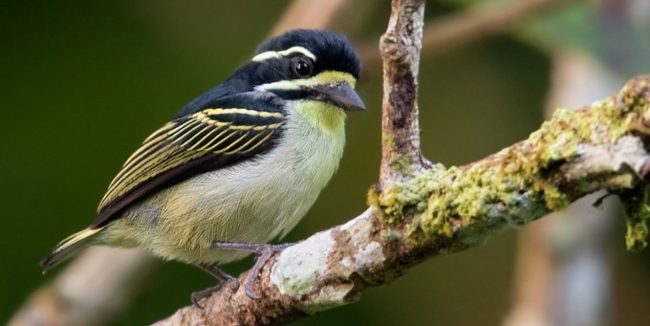
Mpanga is particularly appealing to visitors who enjoy exploring forests on foot. Its shaded trails pass beneath tall indigenous trees, through habitats inhabited by colourful forest birds, monkeys, butterflies and other small wildlife. Birdwatching is one of the highlights, with species such as the Ross’s turaco, grey parrot, hornbills, weavers, cuckoos and owls associated with the reserve.
Whether you are planning a half-day excursion from Kampala, a full-day nature experience or a stop on a wider Uganda itinerary, Mpanga Central Forest Reserve provides an accessible introduction to the country’s forest ecosystems.
1. Where is Mpanga Central Forest Reserve?
Mpanga Central Forest Reserve is found in Mpigi District, in Central Uganda, approximately 37 kilometres south-west of Kampala along the Kampala–Masaka highway. The forest is managed by the National Forestry Authority (NFA), which provides facilities and ecotourism activities for visitors.
The access road branches off the main highway and leads to the forest’s ecotourism centre. The short journey makes Mpanga a convenient destination for visitors staying in Kampala or Entebbe who want to experience a natural forest without undertaking a long road transfer.
2. What makes Mpanga Forest special?
Mpanga is a remnant of natural tropical forest surrounded by a changing rural and agricultural landscape. Despite its relatively accessible location, it supports a variety of forest habitats and wildlife.
The reserve is notable for:
-
Indigenous trees, including Celtis, Ficus and mahogany species.
-
Large trees with impressive buttress roots.
-
Forest birds, including turacos, parrots, hornbills and owls.
-
Red-tailed monkeys and other primates.
-
Butterflies and moths.
-
Walking trails suitable for guided nature walks and birdwatching.
The forest is also important for conservation, environmental education and scientific interest. Protecting natural forest patches such as Mpanga helps maintain habitats for wildlife and supports the ecological functions of the wider landscape.
3. Bird watching in Mpanga Central Forest Reserve
Birdwatching is one of the main reasons to visit Mpanga Central Forest Reserve. Its forest vegetation provides feeding, nesting and sheltering habitats for a range of bird species. The experience is especially rewarding for visitors who enjoy listening for bird calls, observing movement in the canopy and identifying birds in their natural surroundings.
Unlike open savannah birding, where many species may be visible from a distance, forest birdwatching often requires patience. Birds can be heard before they are seen, and a good pair of binoculars is useful for observing species high in the trees.
Birds to look out for
The National Forestry Authority’s Mpanga ecotourism information highlights several groups and species associated with the forest, including Ross’s turaco, grey parrots, weaverbirds, owls, hornbills and cuckoos.
Some of the notable birds to look for include:
Ross’s turaco
A particularly attractive forest bird, Ross’s turaco is known for its striking plumage and prominent crest. It is an exciting species to look for while walking beneath the forest canopy.
Grey parrot
The African grey parrot is famous for its intelligence, vocal ability and grey plumage. Seeing one in a natural forest setting can be a memorable experience. As with all forest birds, sightings depend on the season, location and movement of the birds.
Hornbills
Hornbills are distinctive birds recognised by their large bills and characteristic flight. Their calls can help birdwatchers locate them in the forest.
Weaverbirds
Weavers are known for their intricate nest-building behaviour. Watching them move through vegetation and interact around nesting sites adds another dimension to a birding walk.
Owls
Owls are more difficult to observe during daylight because many species are nocturnal or crepuscular. Visitors may hear calls or learn about their presence from an experienced guide.
Cuckoos
Cuckoos are another interesting group to listen for in forest habitats. Their calls can help experienced birdwatchers identify their presence even when they remain hidden among the leaves.
Birdwatching tips for Mpanga Forest
For a more rewarding birding experience:
-
Arrive early in the morning when forest birds are generally more active.
-
Carry binoculars for observing birds in the canopy.
-
Bring a bird field guide or a bird-identification application.
-
Wear comfortable walking shoes suitable for forest trails.
-
Move quietly and avoid unnecessary noise.
-
Allow time to listen for bird calls rather than concentrating only on visible birds.
-
Consider walking with a local birding guide who knows the forest and its species.
Mpanga is suitable for both beginner and experienced birdwatchers. Beginners can enjoy learning common forest bird calls, while more experienced birders can focus on identifying species and observing their behaviour.
4. Forest walks and nature trails
Walking through Mpanga Forest is an opportunity to experience the atmosphere of a natural tropical forest. The canopy provides shade, the air is cooler beneath the trees, and the sounds of birds and insects create a peaceful environment away from busy roads and urban activity.
The forest has walking trails that allow visitors to explore different sections. The National Forestry Authority identifies forest walks as one of the main activities at the Mpanga ecotourism site.
During a guided walk, visitors can learn about:
-
Indigenous tree species and their ecological importance.
-
Large buttress roots that help support tall forest trees.
-
Medicinal and traditional uses of selected plants, where appropriate and locally documented.
-
Forest regeneration and conservation.
-
Bird habitats and animal behaviour.
-
Butterflies, insects and other smaller forest organisms.
A guided walk is particularly useful for visitors who want to understand the forest rather than simply follow a trail.
5. Wildlife in Mpanga Forest
Although Mpanga is not a conventional big-game safari destination, it supports interesting forest wildlife.
Red-tailed monkeys
Red-tailed monkeys are among the primates associated with Mpanga Forest. They are agile animals that move through the branches in search of fruit, seeds and other food.
Visitors may encounter them during a forest walk, particularly around areas where they are accustomed to human activity.
Other primates
The reserve is also associated with other forest primates. Sightings are never guaranteed, and visitors should avoid feeding or approaching the animals.
Bush babies
Bush babies are nocturnal primates known for their large eyes, powerful jumping ability and distinctive calls. A night forest walk, where available and arranged with the forest authorities, may provide an opportunity to look for these animals.
Butterflies and moths
Mpanga is also interesting for butterfly enthusiasts. Its vegetation and forest environment support a variety of butterflies and moths, making the reserve worthwhile for nature photographers and visitors interested in insects.
6. Other things to do at Mpanga Central Forest Reserve
Beyond birdwatching, a visit can include several activities that make the forest experience more varied.
Butterfly watching
Look for butterflies along forest paths, in clearings and around flowering vegetation. Their colours and patterns make them attractive subjects for photography.
Tree identification
Discover indigenous forest trees, including Celtis, Ficus and mahogany species. Some trees have large buttress roots that create impressive natural formations.
Nature photography
Mpanga provides opportunities to photograph birds, monkeys, butterflies, fungi, forest plants and unusual tree structures. A camera with a suitable zoom lens is useful for wildlife photography.
Night forest walks
Where available, guided night walks offer a different perspective on the forest. Visitors may hear nocturnal wildlife and look for bush babies and other animals that are difficult to observe during daylight.
Barkcloth-making experience
The Mpanga ecotourism leaflet also identifies barkcloth making as an activity associated with the site. This traditional craft is an important part of Buganda’s cultural heritage. Visitors should confirm whether a demonstration or community experience is available on their intended visit date.
7. Best time to visit Mpanga Forest for birdwatching
Mpanga Central Forest Reserve can be visited throughout the year. However, the experience may vary depending on rainfall, trail conditions and bird activity.
The drier periods, generally around June to August and December to February, are often convenient for walking because trails are less likely to be muddy.
The wetter months can also be rewarding for birdwatching. Forest vegetation is lush, and seasonal changes may influence bird activity and breeding behaviour.
For the best chance of seeing birds, plan to arrive early in the morning. A morning visit also allows enough time to explore the forest before the warmer hours of the day.
8. How to get to Mpanga Central Forest Reserve
Mpanga is accessible by road from Kampala and Entebbe.
From Kampala: Travel south-west along the Kampala–Masaka highway towards Mpigi. The forest access road branches off the highway and leads to the ecotourism centre. The reserve is approximately 37 km from Kampala, although actual driving time depends on traffic and road conditions.
From Entebbe: Travel towards Kampala and connect to the Kampala–Masaka highway. The journey time depends on traffic, especially around Kampala.
Visitors can travel in a private vehicle, hire a driver-guide or arrange a guided excursion through a Uganda tour operator.
For birdwatchers, travelling with a guide who understands forest birding can make the visit more productive.
9. Where to stay when visiting Mpanga Forest
Mpanga can comfortably be visited as a day trip from Kampala or Entebbe. Visitors who prefer to spend more time in the forest can enquire about the basic accommodation and camping facilities managed through the National Forestry Authority.
The NFA’s Mpanga information describes simple rooms, a dormitory and a camping area. Facilities are basic, so visitors should confirm current availability, prices, meals and booking arrangements before travelling.
Alternatively, travellers can stay in Kampala or Entebbe and visit Mpanga as part of a wider Central Uganda excursion.
10. Combining Mpanga Forest with other attractions
A visit to Mpanga can be combined with nearby cultural and natural attractions, making it a useful addition to a Central Uganda itinerary.
Mpambire royal drum makers
Mpambire is known for traditional drum making. Visitors interested in Buganda culture can learn about the craft, the materials used and the cultural significance of drums in traditional ceremonies.
Uganda Equator at Kayabwe
The Equator crossing at Kayabwe is a popular stop along the Kampala–Masaka highway. It offers visitors an opportunity to take photographs, explore local craft shops and learn about the geographical significance of the Equator.
Other Central Uganda experiences
Depending on the route and available time, a Mpanga excursion can be incorporated into a broader journey towards Lake Mburo National Park, the western Uganda safari circuit or cultural destinations in Buganda.
11. Responsible tourism in Mpanga Forest
Mpanga is a natural habitat, not a zoo. Visitors should respect the forest and its wildlife throughout their visit.
-
Do not feed monkeys or other wild animals.
-
Avoid littering and carry all rubbish out of the forest.
-
Keep noise to a minimum, particularly during birdwatching.
-
Do not remove plants, flowers, insects or other natural materials.
-
Stay on designated trails and follow the guide’s instructions.
-
Avoid disturbing nests, roosting sites and other wildlife habitats.
-
Support authorised guides and community-based cultural experiences.
Responsible tourism helps protect the forest while creating opportunities for local communities and conservation initiatives.
12. Is Mpanga Forest worth visiting?
Yes. Mpanga Central Forest Reserve is worth visiting if you want a nature experience close to Kampala. It is especially suitable for birdwatchers, photographers, families, students, nature enthusiasts and travellers with limited time in Central Uganda.
It is not a destination for seeing large savannah mammals such as elephants, lions or giraffes. Instead, its appeal lies in forest birds, primates, butterflies, indigenous trees and the tranquillity of walking beneath a tropical forest canopy.
For travellers interested in Uganda’s biodiversity beyond the country’s famous national parks, Mpanga offers a rewarding experience.
Frequently asked questions about Mpanga Central Forest Reserve
1. Where is Mpanga Central Forest Reserve located?
Mpanga Central Forest Reserve is in Mpigi District, Central Uganda, approximately 37 kilometres from Kampala along the Kampala–Masaka highway.
2. Is Mpanga Forest good for birdwatching?
Yes. The forest supports several forest bird species, including Ross’s turaco, grey parrots, hornbills, weavers, owls and cuckoos. An early morning guided walk is a good way to explore its birdlife.
3. What other wildlife can visitors see?
Visitors may encounter red-tailed monkeys and other primates, as well as butterflies, moths and other forest creatures. Bush babies may be looked for during authorised night walks.
4. Can I visit Mpanga Forest in one day?
Yes. Its proximity to Kampala makes it suitable for a half-day or full-day excursion. Birdwatchers may prefer to spend several hours exploring the forest.
5. Does Mpanga Forest have accommodation?
Basic accommodation and camping facilities have been described by the National Forestry Authority. Confirm their current availability and charges before travelling.
6. What should I carry for birdwatching?
Carry binoculars, a camera, a bird field guide, drinking water, insect repellent, a rain jacket and comfortable walking shoes.
7. Do I need a guide to visit Mpanga Forest?
A guide is recommended, especially for birdwatching and identifying forest wildlife. Confirm the availability of an authorised guide when arranging your visit.
8. What is the best time of day for birdwatching?
Early morning is generally recommended because many birds are more active and vocal during the cooler hours.
Plan a visit to Mpanga Central Forest Reserve with Epic Uganda Vacation
A visit to Mpanga Forest is an excellent way to add birdwatching and nature exploration to your Uganda holiday. Whether you are a dedicated birder, a photographer or simply looking for a peaceful escape from Kampala, our team at Epic Uganda Vacation can help organise a guided forest excursion.
We can also incorporate Mpanga into a wider Uganda itinerary featuring cultural experiences, wildlife safaris, national parks and birding destinations.
Thinking of an East Africa trip? Look no further. Contact Epic Uganda Vacation to plan your experience.
Related posts:
 Lake Edward Uganda: Wildlife, Location, Attractions & Travel Guide
 Lake Munyanyange Uganda: Flamingos, Location & Travel Guide
 Lake Katwe Uganda – Explore the Famous Salty Crater Lake and Salt Mines
 Lake Bunyampaka Uganda – Hidden Salt Crater Lake in Queen Elizabeth National Park
 Lake Nakuwa Uganda: Birding, Shoebill & Wetland Guide