Semuliki Hot Springs, Uganda: A Complete Guide to Sempaya Hot Springs, History, Culture and Travel Experiences
Semuliki Hot Springs, popularly known as the Sempaya Hot Springs, are among the most remarkable natural attractions in Uganda. Located inside Semuliki National Park in western Uganda, these extraordinary geothermal features attract visitors with their boiling water, rising steam, fascinating cultural traditions and unusual geological formations.
The hot springs are among the most distinctive attractions in the Albertine Rift Valley, a region renowned for its exceptional biodiversity, dramatic landscapes and geological activity. Unlike conventional hot springs where visitors relax in naturally heated pools, Sempaya presents a spectacular display of boiling water emerging from beneath the Earth’s surface.
The attraction consists of two principal geothermal features traditionally known as the Male Hot Spring, called Bintente (also written as Bitente), and the Female Hot Spring, known as Nyasimbi or Nyansimbi. Both have distinctive physical characteristics and cultural significance among communities living around the national park.
Beyond their geological importance, the hot springs are associated with traditional stories, ancestral beliefs and the cultural heritage of the local communities, particularly the Bamaga people.
For travellers exploring Uganda, a visit to Semuliki Hot Springs offers an opportunity to experience something different from conventional wildlife safaris. Visitors can walk through tropical rainforest, observe boiling geothermal water, learn about local traditions, enjoy birdwatching and discover the remarkable natural environment of Semuliki National Park.
This comprehensive guide explores everything you need to know about visiting Semuliki Hot Springs, including their location, formation, cultural significance, the differences between the male and female springs, activities, accessibility, accommodation and how to include them in a Uganda safari.
Where Are Semuliki Hot Springs Located?
Semuliki Hot Springs are located at Sempaya, within Semuliki National Park in Bundibugyo District, western Uganda.
The park lies along the northern foothills of the Rwenzori Mountains, close to the border between Uganda and the Democratic Republic of Congo. It occupies part of the western branch of the East African Rift Valley, commonly known as the Albertine Rift.
The hot springs are situated in the eastern section of the national park, surrounded by tropical lowland rainforest, swampy vegetation and impressive natural scenery.
The attraction is approximately 52 kilometres from Fort Portal by road, although the journey time depends on road conditions and the route taken.
Semuliki National Park is approximately 220 square kilometres in size and is particularly important for conserving Central African rainforest ecosystems within Uganda.
Its location makes the hot springs an excellent attraction for travellers exploring Fort Portal, Bundibugyo, the Rwenzori Mountains and western Uganda.
What Are Semuliki Hot Springs?
Semuliki Hot Springs are geothermal features where naturally heated groundwater emerges from underground fractures and geological formations.
The water is heated beneath the Earth’s surface before rising through natural openings and emerging as boiling pools, bubbling water and steam.
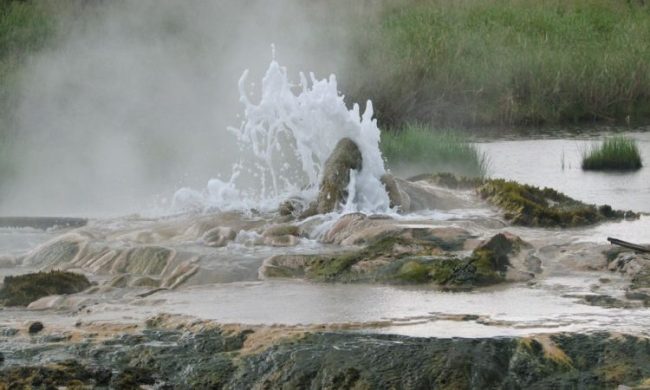
The most remarkable feature is the Female Hot Spring, Nyasimbi, where boiling water can erupt several metres into the air, creating an impressive natural spectacle.
Unlike ordinary freshwater springs, the water at Sempaya can reach temperatures around or above 100°C at certain outlets. This makes the springs scientifically interesting but extremely dangerous to approach or touch.
The hot springs demonstrate the geological forces operating beneath the Albertine Rift Valley, where ancient tectonic processes have shaped the landscape over millions of years.
Visitors exploring the attraction can observe these geothermal activities while learning from park guides about the geological processes responsible for their formation.
The Two Main Semuliki Hot Springs
Sempaya Hot Springs are traditionally divided into two principal attractions: the Male Hot Spring and the Female Hot Spring.
Although they are located within the same geothermal area, they differ in appearance, water movement, surrounding vegetation and cultural associations.
1. The Male Hot Spring – Bintente
The Male Hot Spring, locally known as Bintente or Bitente, is one of the two principal geothermal features at Sempaya.
It is characterised by a broad, steaming pool surrounded by swampy vegetation and tropical rainforest.
The pool measures approximately 12 metres in diameter, making it considerably wider than the main boiling outlet at the Female Hot Spring.
Unlike Nyasimbi, which is famous for its dramatic bubbling geyser, Bintente is recognised for its relatively broad water surface and continuous steam.
The surrounding environment creates an interesting contrast between the warm geothermal water and the green vegetation of the tropical forest.
Visitors can observe the steaming pool from designated viewing areas and learn about its geological and cultural importance.
Why is it called the Male Hot Spring?
The name comes from traditional local interpretations that associate the two springs with male and female identities.
These identities are part of the cultural heritage and traditional stories associated with the geothermal site.
The Male Hot Spring is therefore not simply a geological feature; it also forms part of the cultural landscape of the communities surrounding Semuliki National Park.
2. The Female Hot Spring – Nyasimbi
The Female Hot Spring, known as Nyasimbi or Nyansimbi, is the most dramatic and frequently photographed geothermal attraction at Sempaya.
Its name is commonly interpreted as referring to female ancestors.
Nyasimbi is characterised by a powerful boiling outlet that produces bubbling water and steam, sometimes sending hot water several metres into the air.
The temperature of the water at the outlet can reach approximately 100–103°C or higher under certain measurements.
The spring is particularly fascinating because of the continuous movement of boiling water, the steam rising above the surrounding vegetation and the mineral deposits formed around the geothermal outlet.
One of the most interesting visitor experiences is watching local guides demonstrate how eggs or other suitable food items can be cooked using the natural heat of the spring.
The demonstration illustrates the remarkable temperature of the geothermal water and provides a practical way to understand the natural energy beneath the Earth’s surface.
Visitors should never attempt to touch the water or approach the boiling outlet independently.
Why is Nyasimbi considered special?
Nyasimbi combines geological activity, cultural significance and natural beauty.
Its boiling water demonstrates the geothermal energy beneath the Albertine Rift, while its traditional associations provide insight into the beliefs and history of the local communities.
For photographers and nature enthusiasts, the rising steam and surrounding rainforest create a particularly memorable scene.
How Were Semuliki Hot Springs Formed?
The formation of Semuliki Hot Springs is closely connected to the geological history of the Albertine Rift Valley.
The Albertine Rift is part of the western branch of the East African Rift System, a region characterised by tectonic movements, geological fractures, deep valleys and other features associated with the gradual separation of the African tectonic plates.
These geological processes have created pathways through which groundwater can move deep beneath the Earth’s surface.
The formation of the Sempaya Hot Springs can be understood through several stages.
1. Rainwater enters the ground
Rainwater and other groundwater sources infiltrate the soil and enter underground fractures in the surrounding rocks.
2. Water moves deeper underground
As the groundwater moves through geological fractures, it reaches deeper and warmer areas beneath the surface.
3. Underground heating occurs
The water becomes heated through geothermal energy associated with the geological environment beneath the Albertine Rift.
4. Heated water rises towards the surface
Pressure and natural geological pathways allow the heated water to move upwards through fractures and openings in the underlying rocks.
5. Water emerges as hot springs
When the heated groundwater reaches the surface, it produces boiling pools, steam and geyser-like activity.
This natural process creates the distinctive features visitors observe at Sempaya.
Why Is the Water So Hot?
The exceptional temperatures are associated with geothermal heating beneath the Earth’s surface.
The Albertine Rift has a complex geological structure characterised by faults and fractures that allow water to circulate through deeper geological environments.
As the water becomes heated, it rises through these natural pathways.
At the Female Hot Spring, the temperature can reach or exceed the normal boiling point of water at sea level.
This is why visitors can observe bubbling water and steam rising continuously from the geothermal outlet.
The springs are also scientifically interesting because of their dissolved minerals, gases and heat-tolerant microorganisms that inhabit some geothermal environments.
Cultural Significance of Semuliki Hot Springs
Semuliki Hot Springs are not only important geological attractions; they also have deep cultural significance among communities living around the national park.
The springs are traditionally associated with ancestral beliefs, local spirituality and stories explaining the origins of the male and female geothermal features.
Among the local Bamaga community, the springs have historically been regarded as culturally significant places.
The traditional narratives surrounding the springs are passed down through generations, providing an important connection between the local population and the natural environment.
The Legend Behind the Female Hot Spring
One of the traditional stories associated with the springs describes a group of women who went into the forest to collect firewood.
According to local oral accounts, they encountered a mysterious hairy man dressed in bark cloth and carrying a spear, accompanied by a dog.
The mysterious figure was reportedly moving around the area where the Female Hot Spring is now located.
The story forms part of the traditional explanations surrounding the origins and spiritual identity of the springs.
Such narratives illustrate how local communities have historically interpreted unusual natural phenomena through cultural beliefs and oral traditions.
Visitors should appreciate these stories as part of the cultural heritage of the area rather than treating them as scientifically established explanations of geothermal formation.
The Male and Female Identity
The names Bintente and Nyasimbi reflect traditional interpretations of the two springs.
The Male Hot Spring and Female Hot Spring are associated with different cultural identities and stories, making the site particularly interesting to visitors interested in anthropology and traditional African heritage.
Local guides can help visitors understand the cultural narratives and their importance to communities living around Semuliki National Park.
Things to Do at Semuliki Hot Springs
Although the hot springs are the main attraction, visiting Sempaya provides opportunities for several other activities.
Travellers can combine the geothermal experience with rainforest exploration, birdwatching, wildlife observation and cultural encounters.
1. Explore the Male and Female Hot Springs
The main activity is exploring the two geothermal attractions.
Visitors walk along designated forest trails accompanied by park guides, who explain the differences between Bintente and Nyasimbi.
The walk provides an opportunity to observe the geothermal features, surrounding vegetation and natural processes responsible for the formation of the springs.
The Male Spring is particularly interesting because of its broad steaming pool, while the Female Spring attracts attention because of its bubbling water and powerful steam emissions.
2. Watch the Egg-Boiling Demonstration
One of the most memorable activities at Sempaya is watching eggs being cooked using the naturally boiling water.
The demonstration helps visitors appreciate just how hot the geothermal water can become.
Eggs are placed in a suitable container or prepared according to the local guide’s demonstration, using designated areas around the spring.
After several minutes, the eggs can be removed and served as part of this unusual natural experience.
Depending on the arrangement, visitors may also encounter demonstrations involving plantains or other food items.
This activity should only be undertaken by authorised guides using designated locations. The boiling water is dangerous and should never be handled independently.
3. Guided Nature Walks Through the Rainforest
The journey to the hot springs offers an opportunity to explore Semuliki’s tropical lowland rainforest.
Visitors walk through a forest environment characterised by tall trees, dense vegetation, palms, vines and a humid tropical atmosphere.
The guided walks introduce visitors to the park’s ecological diversity and the importance of rainforest conservation.
Along the trails, you may encounter monkeys, butterflies, birds and other forest wildlife.
The walks are also an excellent opportunity for nature photography.
4. Birdwatching Around Sempaya
Semuliki National Park is one of Uganda’s most rewarding birdwatching destinations, particularly for birders interested in Central African forest species.
The park’s location within the Albertine Rift and its connection to the Congo Basin forest ecosystem support an impressive diversity of birdlife.
Visitors exploring the Sempaya area may look out for species such as:
-
Great Blue Turaco.
-
Ross’s Turaco.
-
White-crested Hornbill.
-
Red-billed Dwarf Hornbill.
-
Black Dwarf Hornbill.
-
Yellow-throated Cuckoo.
-
Piping Hornbill.
-
Blue-billed Malimbe.
-
Red-rumped Tinkerbird.
-
Yellow-throated Nicator.
Bird sightings depend on the season, weather conditions and the location of individual species.
For serious birdwatchers, a specialised birding excursion along the longer forest trails can provide a more rewarding experience.
5. Photography and Nature Observation
Sempaya is an excellent destination for nature photographers.
The combination of boiling water, rising steam, mineral formations and tropical vegetation creates distinctive photographic opportunities.
You can capture:
-
The bubbling Female Hot Spring.
-
The broad Male Hot Spring.
-
Steam rising above the forest.
-
Tropical rainforest vegetation.
-
Birds and butterflies.
-
Forest trails and surrounding landscapes.
A camera with good low-light performance is useful because some sections of the forest receive limited direct sunlight.
Always photograph from designated viewing areas and avoid positioning yourself too close to the geothermal outlets.
6. Discover Local Cultural Heritage
A visit to Semuliki can also include opportunities to learn about the communities living around the national park.
The Bamba and Bakonzo communities have longstanding cultural connections to the region.
Visitors can learn about traditional livelihoods, forest resources, cultural beliefs, local food and the relationship between communities and the surrounding environment.
Where available, organised community encounters and cultural performances can provide additional insight into the area’s heritage.
7. Explore the Semuliki Forest
Beyond the hot springs, the national park offers several nature trails through its lowland tropical rainforest.
These walks allow visitors to explore different sections of the forest and discover the ecological diversity that makes Semuliki unique.
The forest is particularly important because it contains plant and animal communities associated with the Congo Basin, making it different from many other protected areas in East Africa.
For visitors interested in ecology, botany, birdwatching and nature photography, exploring the forest is an excellent addition to the hot springs experience.
Other Attractions Near Semuliki Hot Springs
One of the advantages of visiting Semuliki Hot Springs is that they are located within a wider tourism destination offering several natural and cultural attractions.
Travellers can extend their stay to explore the rainforest, wildlife reserves, rivers, waterfalls and surrounding communities.
1. Semuliki National Park
Semuliki National Park is the main destination for visitors exploring the hot springs.
The park protects approximately 220 square kilometres of tropical lowland rainforest and is considered one of Uganda’s most important biodiversity conservation areas.
Its ecosystem is closely connected to the extensive Ituri Forest of the Democratic Republic of Congo.
Unlike Uganda’s savannah-dominated national parks, Semuliki has a distinctly Central African rainforest character.
Other activities in the park include:
-
Guided forest nature walks.
-
Birdwatching.
-
Wildlife observation.
-
Primate watching.
-
Cultural experiences.
-
Night forest walks, subject to park arrangements.
2. Mungiro Falls
Mungiro Falls is another interesting natural attraction associated with the Sempaya area.
The waterfall offers a contrasting experience to the geothermal hot springs, with flowing freshwater surrounded by tropical vegetation.
Visitors interested in nature walks and photography can consider including the waterfall in their exploration of the area, subject to current trail access and guide arrangements.
3. Semuliki River
The Semuliki River is an important waterway flowing along the western side of the national park.
It originates from the Rwenzori region and eventually drains into Lake Albert.
The river is characterised by broad channels, muddy banks, riverine vegetation and surrounding wetlands.
It also provides habitat for aquatic wildlife, including hippopotamuses and crocodiles.
Visitors can explore designated viewpoints and guided walking routes to appreciate the river’s ecological importance.
4. Toro-Semuliki Wildlife Reserve
The Toro-Semuliki Wildlife Reserve is another important conservation area located east of Semuliki National Park.
It protects a mixture of savannah grassland, woodland, wetlands and riverine vegetation.
The reserve offers a different wildlife experience from the dense rainforest of Semuliki.
Activities include:
-
Game drives.
-
Chimpanzee tracking.
-
Birdwatching.
-
Nature walks.
-
Wildlife observation.
-
Cultural encounters.
Visitors can look out for animals such as Uganda kob, buffaloes, elephants, waterbucks and warthogs, although sightings vary.
5. Rwenzori Mountains National Park
The Rwenzori Mountains National Park is one of Uganda’s most spectacular mountain destinations.
Known as the Mountains of the Moon, the Rwenzori range is famous for its dramatic peaks, glaciers, alpine vegetation and challenging hiking routes.
Visitors can arrange guided mountain hikes, shorter nature walks and longer mountaineering expeditions.
Combining Semuliki Hot Springs with the Rwenzori Mountains provides an interesting contrast between lowland tropical rainforest and high-altitude mountain ecosystems.
6. Fort Portal City
Fort Portal is an important tourism centre in western Uganda and a convenient starting point for exploring Semuliki National Park.
The town is known for its beautiful surroundings, pleasant climate, crater lakes, cultural heritage and access to several tourism attractions.
Visitors can explore:
-
Amabere Ga Nyina Mwiru.
-
Tooro Kingdom Palace.
-
Fort Portal town.
-
Crater lakes.
-
Local markets.
-
Cultural sites and community experiences.
Fort Portal also offers a wider selection of accommodation and restaurants for travellers visiting Semuliki.
7. Lake Albert
Lake Albert is another attraction that can be incorporated into a longer western Uganda itinerary.
The lake lies within the Albertine Rift and supports fishing communities, wetlands and important aquatic ecosystems.
Visitors can explore selected lakeside areas, enjoy scenic views and learn about local fishing activities.
Combining Lake Albert with Semuliki provides a broader understanding of the region’s geography and natural heritage.
Best Time to Visit Semuliki Hot Springs
Semuliki Hot Springs can be visited throughout the year. However, weather conditions influence the comfort of forest walks, road accessibility and opportunities for birdwatching.
Semuliki experiences a tropical climate, with relatively high temperatures and rainfall throughout much of the year.
There are generally two relatively drier periods and two wetter periods.
June to August: Main Drier Period
June, July and August are generally favourable months for exploring Semuliki National Park.
During this period:
-
Rainfall is often lower.
-
Forest trails may be easier to navigate.
-
Road conditions are generally more manageable.
-
Visitors can combine the hot springs with other outdoor activities.
This is a good period for travellers planning a wider western Uganda safari.
December to February: Shorter Drier Period
December, January and February are another favourable period for visiting the hot springs.
Visitors can enjoy forest walks, birdwatching and wildlife excursions, although occasional rainfall remains possible.
March to May: Wetter Period
March, April and May generally experience increased rainfall.
During these months:
-
Forest trails can become muddy.
-
Some sections of the park may become waterlogged.
-
Rainforest vegetation becomes particularly lush.
-
Birdwatching remains rewarding.
Visitors should carry waterproof clothing and suitable walking shoes.
September to November: Another Wet Period
September, October and November can also experience considerable rainfall.
Although weather conditions may be less predictable, the hot springs remain an interesting attraction.
What is the best time of day to visit?
Morning visits are generally recommended. Starting early allows visitors to explore the springs before the heat of the day and leaves time for additional activities in the national park.
How to Get to Semuliki Hot Springs
Travelling to Semuliki Hot Springs is possible by road from Kampala, Entebbe, Fort Portal and other destinations in western Uganda.
The most convenient access point for most visitors is Fort Portal.
1. From Kampala or Entebbe
Visitors travelling from Kampala or Entebbe generally follow the western Uganda route through towns such as Mubende, Kyenjojo and Fort Portal.
From Fort Portal, the journey continues towards Bundibugyo along the Fort Portal–Bundibugyo road, with access to Sempaya and the national park.
The entire road journey from Kampala can take approximately 6–8 hours or longer, depending on traffic, road conditions and stopovers.
2. From Fort Portal
Fort Portal is approximately 52 kilometres from the Sempaya area by road.
The route follows the Fort Portal–Bundibugyo road towards the national park.
The drive offers beautiful scenery, including mountain slopes, forested landscapes and views of the western Rift Valley.
Visitors should allow additional time for the journey because sections of the road are winding and descend through mountainous terrain.
3. From Bundibugyo
Travellers staying in Bundibugyo can also access Sempaya by road.
The town provides an alternative starting point for exploring the northern and western parts of the region.
4. From Queen Elizabeth National Park
Visitors travelling from Queen Elizabeth National Park can combine their wildlife safari with a visit to Semuliki.
The journey generally passes through the Fort Portal region before proceeding towards the park.
Travel time depends on the departure location within Queen Elizabeth National Park and the selected route.
What Type of Vehicle Is Recommended?
A 4×4 safari vehicle is recommended, particularly for visitors exploring multiple destinations in western Uganda.
It provides additional comfort and flexibility when travelling along winding roads and accessing remote tourism attractions.
Epic Uganda Vacation can arrange private transportation, an experienced driver-guide and customised safari itineraries.
Accommodation Near Semuliki Hot Springs
Visitors planning to explore Sempaya Hot Springs can choose from accommodation options within or around Semuliki National Park, Bundibugyo and Fort Portal.
The best choice depends on your budget, preferred comfort level and overall safari itinerary.
1. Semuliki Safari Lodge
Semuliki Safari Lodge is a luxury accommodation option for visitors exploring the region.
The lodge provides a comfortable safari environment surrounded by the natural landscapes of western Uganda.
It is suitable for travellers seeking an exclusive nature experience combined with wildlife exploration and guided activities.
2. UWA Bumaga Camp
Bumaga Camp is an accommodation and camping option associated with Uganda Wildlife Authority near the Sempaya area.
It provides a convenient option for travellers who prefer a simpler stay close to the national park.
Facilities and availability should be confirmed directly with the park authorities before travelling.
3. Accommodation in Fort Portal
Fort Portal offers a wider range of hotels, lodges and guesthouses.
It is a convenient base for travellers who want to combine Semuliki Hot Springs with other attractions around the Rwenzori region.
Visitors can choose from budget, midrange and luxury accommodation depending on their preferences.
4. Accommodation in Bundibugyo
Bundibugyo also has basic accommodation options for visitors exploring the surrounding region.
This may be suitable for travellers who want to stay closer to the park rather than returning to Fort Portal.
Accommodation recommendation: If you are planning a longer Semuliki safari, consider spending at least one night near the park or in Fort Portal. This allows sufficient time for the hot springs, forest walks and birdwatching.
How Much Time Do You Need to Visit Semuliki Hot Springs?
The time required depends on whether you intend to visit only the hot springs or explore additional attractions within the national park.
One to Two Hours
This is generally sufficient for a basic guided visit to the main hot springs, depending on the route and time spent at each spring.
Half a Day
A half-day excursion allows you to explore the hot springs at a relaxed pace, participate in the egg-boiling demonstration and enjoy some forest observation.
Full Day
A full day is recommended if you want to combine the springs with birdwatching, nature walks and other activities around the park.
Two Days or More
Travellers interested in deeper exploration can spend two or more days discovering the national park, nearby wildlife reserve and surrounding communities.
Suggested Uganda Safari Itinerary Featuring Semuliki Hot Springs
Semuliki Hot Springs can be incorporated into a longer Uganda safari featuring wildlife, primates, cultural experiences and scenic destinations.
Here is an example of a six-day western Uganda safari.
Day 1: Entebbe – Kibale National Park
Depart Entebbe and travel towards Kibale National Park. Enjoy the beautiful countryside along the way and arrive at your lodge for relaxation.
Day 2: Chimpanzee Tracking in Kibale – Fort Portal
Participate in a guided chimpanzee tracking experience in Kibale Forest. In the afternoon, explore selected attractions around Fort Portal or enjoy a relaxing evening at your lodge.
Day 3: Fort Portal – Semuliki National Park
Travel to Semuliki National Park and explore the Sempaya Hot Springs.
Visit the Male and Female Hot Springs, learn about their geological and cultural significance and enjoy the egg-boiling demonstration.
Return to your accommodation for relaxation.
Day 4: Semuliki Forest Exploration – Toro-Semuliki Wildlife Reserve
Enjoy a guided forest walk and birdwatching excursion in Semuliki.
Depending on your interests and operational arrangements, continue to Toro-Semuliki Wildlife Reserve for wildlife viewing and additional nature experiences.
Day 5: Semuliki – Queen Elizabeth National Park
Travel towards Queen Elizabeth National Park.
Depending on the route and timing, enjoy an afternoon game drive in the park.
Day 6: Queen Elizabeth National Park – Entebbe
Enjoy a morning wildlife activity or a boat cruise along the Kazinga Channel before beginning your return journey.
This itinerary can be adjusted to include Bwindi gorilla trekking, Lake Mburo, the Rwenzori Mountains or Lake Bunyonyi.
What to Pack for a Visit to Semuliki Hot Springs
Proper preparation makes your visit more comfortable, especially when exploring tropical rainforest trails.
Consider packing the following:
-
Comfortable walking shoes: Choose closed shoes with good grip for forest trails.
-
Lightweight clothing: Wear comfortable clothing suitable for warm and humid conditions.
-
Rain jacket: Rain showers can occur even during relatively dry periods.
-
Insect repellent: Useful for reducing exposure to mosquitoes and other biting insects.
-
Drinking water: Carry sufficient clean drinking water.
-
Camera: Useful for photographing the springs and rainforest scenery.
-
Binoculars: Particularly useful for birdwatching.
-
Sunscreen: Helpful when walking through open areas.
-
Small backpack: Convenient for carrying personal belongings.
-
Personal medication: Carry any medication you may need during the excursion.
If you are visiting during the rainy season, waterproof footwear can be particularly useful.
Safety Guidelines When Visiting Semuliki Hot Springs
Although the hot springs are fascinating natural attractions, they can be dangerous because of their extremely high temperatures.
Visitors should follow all safety instructions issued by Uganda Wildlife Authority guides.
Important precautions include:
-
Never touch the boiling water.
-
Do not enter the geothermal pools.
-
Stay behind designated safety barriers.
-
Avoid approaching the boiling outlets.
-
Do not attempt to cook food independently in the springs.
-
Follow your guide throughout the excursion.
-
Avoid throwing rubbish into the pools or surrounding vegetation.
-
Keep children under close supervision.
-
Do not drink water directly from the springs.
-
Wear suitable footwear on forest trails.
The water can cause severe burns within seconds. Even the steam and splashing water near the boiling outlets can be hazardous.
The springs should be treated as natural geothermal features to observe, not recreational swimming or bathing pools.
Conservation and Responsible Tourism at Semuliki Hot Springs
Semuliki National Park is an important conservation area that protects tropical rainforest ecosystems, wildlife and natural geological features.
Tourism contributes to conservation by creating economic opportunities and increasing awareness of the importance of protecting natural environments.
Visitors can support responsible tourism through simple actions:
-
Use authorised park guides.
-
Follow established walking trails.
-
Avoid disturbing wildlife.
-
Respect local cultural traditions.
-
Avoid littering.
-
Support local businesses.
-
Respect community photography guidelines.
-
Avoid damaging vegetation or geothermal formations.
Protecting the springs and surrounding forest ensures that future generations can continue enjoying this remarkable natural attraction.
Frequently Asked Questions About Semuliki Hot Springs
1. Where are Semuliki Hot Springs located?
Semuliki Hot Springs are located at Sempaya inside Semuliki National Park, Bundibugyo District, western Uganda.
2. What are the hot springs in Semuliki called?
The two main springs are the Male Hot Spring, known as Bintente or Bitente, and the Female Hot Spring, known as Nyasimbi or Nyansimbi.
3. Why are Semuliki Hot Springs famous?
They are famous for their boiling geothermal water, rising steam, cultural significance and unusual geological formations.
4. How hot is the water at Sempaya Hot Springs?
Temperatures at the geothermal outlets can reach approximately 100–103°C or higher, depending on the outlet and measurement conditions.
5. Can you swim in Semuliki Hot Springs?
No. The water is dangerously hot and is not suitable for swimming or bathing.
6. Can visitors cook eggs in Semuliki Hot Springs?
Yes. Visitors can watch authorised guides demonstrate how eggs are cooked using the naturally boiling geothermal water.
7. How long does it take to visit the hot springs?
A basic visit may take approximately one to two hours, depending on the walking route, time spent at the springs and guide arrangements.
8. How far are Semuliki Hot Springs from Fort Portal?
The Sempaya area is approximately 52 kilometres from Fort Portal by road.
9. How far are Semuliki Hot Springs from Kampala?
The springs are approximately 300–350 kilometres from Kampala by road, depending on the route and starting point.
10. What is the best time to visit Semuliki Hot Springs?
June to August and December to February are generally favourable periods because rainfall tends to be lower.
11. Are Semuliki Hot Springs inside a national park?
Yes. They are located within Semuliki National Park and are accessed through the park’s tourism arrangements.
12. Are there animals around Semuliki Hot Springs?
The surrounding forest supports monkeys, birds, butterflies and other wildlife. Sightings depend on the time of day and environmental conditions.
13. Can I combine Semuliki Hot Springs with chimpanzee tracking?
Yes. Visitors can combine the hot springs with chimpanzee tracking in Kibale National Park or Toro-Semuliki Wildlife Reserve, subject to permit and activity arrangements.
14. Are there accommodation facilities near Semuliki Hot Springs?
Yes. Options include Bumaga Camp near the park, Semuliki Safari Lodge and accommodation facilities in Fort Portal and Bundibugyo.
15. Do I need a guide to visit Semuliki Hot Springs?
Visitors should follow Uganda Wildlife Authority’s access arrangements and use authorised guides for the hot springs excursion.
Conclusion: Discover the Natural Wonder of Semuliki Hot Springs with Epic Uganda Vacation
Semuliki Hot Springs are among Uganda’s most fascinating natural attractions, combining extraordinary geothermal activity, tropical rainforest scenery and cultural heritage.
The Male Hot Spring, Bintente, and the Female Hot Spring, Nyasimbi, provide visitors with two distinctive experiences. While Bintente is characterised by its broad steaming pool, Nyasimbi attracts attention with its boiling water and dramatic steam emissions.
Beyond the springs, visitors can discover Semuliki National Park’s remarkable biodiversity, explore forest trails, enjoy birdwatching, learn about local traditions and visit nearby attractions such as Toro-Semuliki Wildlife Reserve and the Rwenzori Mountains.
For travellers interested in discovering Uganda beyond its conventional wildlife destinations, Semuliki offers a memorable opportunity to explore the country’s geological and cultural heritage.
Plan your Semuliki Hot Springs excursion with Epic Uganda Vacation.
At Epic Uganda Vacation, we organise customised Uganda safaris featuring natural attractions, wildlife experiences, primate tracking, birdwatching and cultural encounters.
Whether you want a short excursion to Sempaya Hot Springs or a longer western Uganda safari combining Semuliki, Kibale, Queen Elizabeth National Park and Bwindi, we can help organise your journey.
Contact Epic Uganda Vacation to start planning your next adventure in Uganda.