Chagga Cultural Tour in Tanzania: Discover Kilimanjaro’s Traditions, History, Food and Village Life
Introduction: Experience the Culture of the Chagga People
A Chagga cultural tour is one of the most rewarding experiences for travellers visiting Moshi and the slopes of Mount Kilimanjaro in northern Tanzania. Beyond climbing Africa’s highest mountain and exploring Tanzania’s famous wildlife destinations, visitors can discover the traditions, agricultural heritage, history and everyday life of the Chagga people, one of the principal communities associated with the Kilimanjaro region.
The Chagga, also known as Wachagga, have developed a distinctive way of life shaped by the fertile volcanic soils, mountain streams and favourable growing conditions of Kilimanjaro’s lower slopes. Their traditional homesteads are surrounded by banana plants, coffee trees, vegetables and other useful crops. For generations, families have cultivated these productive gardens while maintaining local customs, food traditions and community relationships.
During a Chagga cultural tour organised by Epic Uganda Vacation, you can visit a traditional village, walk through banana and coffee plantations, learn how local coffee is prepared, explore historic underground caves, taste traditional dishes and interact with community members.
Whether you are spending a few days in Moshi, preparing to climb Mount Kilimanjaro or combining Tanzania with a wildlife safari, this cultural experience offers a deeper understanding of the people and heritage of the mountain.
Where Can You Experience Chagga Culture?
Chagga communities live across the fertile slopes of Mount Kilimanjaro, particularly around Moshi and surrounding rural areas. Cultural experiences are available in several villages and localities, including:
- Materuni: Known for coffee experiences, village walks and the nearby Materuni Waterfall.
- Marangu: Offers opportunities to explore Chagga history, traditional homes and underground caves.
- Kidia: A village area where visitors can experience traditional homestead activities and local farming.
- Uru: Known for its coffee-growing communities and traditional agricultural landscapes.
- Kibosho: An area associated with Chagga coffee farming and cultural tourism.
- Old Moshi: A historic settlement area where visitors can learn about local history and community heritage.
The exact village visited depends on the activities included in your tour, the season and the local community partners available.
Highlights of a Chagga Cultural Tour
A Chagga cultural experience can include several activities, depending on the village and the time available.
1. Visit a Traditional Chagga Village
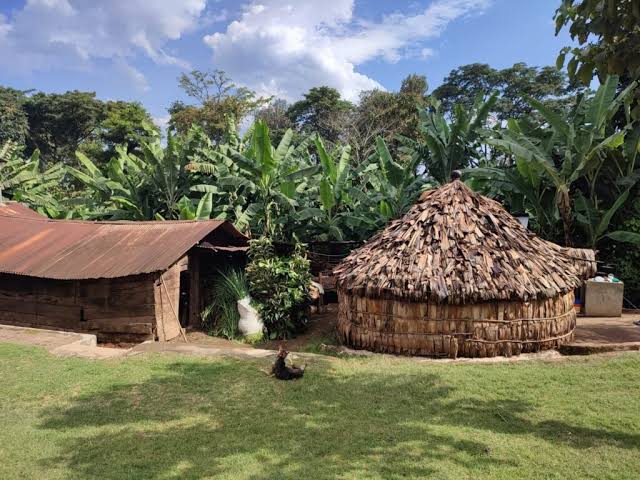
A village visit introduces you to the traditional lifestyle of the Chagga people. Accompanied by a local guide, you walk through village paths, cultivated gardens and family homesteads while learning about local customs and the relationship between the community and Mount Kilimanjaro.
You may visit traditional houses, see how household spaces were arranged and learn about the use of local materials in construction. Your guide can also explain how families historically stored food, cared for livestock and organised their daily activities.
A village visit is an opportunity to interact respectfully with local residents and understand how traditional practices continue alongside modern lifestyles.
2. Explore the Chagga Underground Caves
The Chagga underground caves are among the most interesting historical attractions associated with the region. Some caves and underground tunnels were constructed and used as shelters during periods of conflict, including historical hostilities involving neighbouring Maasai communities.
The underground spaces provided places where families and livestock could seek protection. Depending on the site, visitors may see narrow passages, chambers and sections that illustrate how these underground structures were used.
A guided cave visit explains the historical circumstances surrounding their construction and the ingenuity involved in creating underground shelters.
Important: Cave conditions differ from one location to another. Some passages are narrow, uneven or poorly lit. Follow the local guide’s instructions, wear closed walking shoes and check whether a particular cave is suitable for children or travellers with limited mobility.
3. Experience Traditional Chagga Coffee Making
Coffee is an important part of the agricultural and economic life of many Chagga communities. The fertile slopes of Kilimanjaro support Arabica coffee cultivation, often alongside bananas and other crops.
A traditional coffee tour introduces visitors to the journey from coffee cherry to the finished cup. Depending on the farm and demonstration, activities may include:
- Walking through coffee gardens.
- Learning how coffee plants are cultivated.
- Seeing how ripe coffee cherries are harvested.
- Understanding the processing and drying stages.
- Roasting coffee beans using traditional methods.
- Grinding the roasted beans.
- Preparing and tasting freshly brewed local coffee.
Some community experiences invite visitors to participate in the roasting, grinding and brewing process rather than simply watching.
Coffee-making demonstrations are particularly popular in Materuni and other coffee-growing villages around Moshi. They provide an opportunity to learn about the work of local farmers while supporting community-based tourism.
4. Discover Banana Farming and Traditional Banana Beer
Bananas are central to Chagga agriculture, food and cultural traditions. The plants are grown in family gardens and provide food, beverages and other useful materials.
During a banana farming experience, a local guide may explain the different varieties grown in the area, how banana plants are maintained and how farmers combine banana cultivation with coffee, vegetables and other crops.
You may also learn about the preparation of mbege, a traditional banana-based alcoholic beverage associated with Chagga social and ceremonial occasions.
Depending on the host community, visitors may observe or participate in selected preparation stages, including the processing and fermentation of ingredients.
The experience offers insight into the importance of bananas beyond everyday meals, including their role in hospitality, celebrations and community gatherings. Tasting alcoholic beverages is optional, and non-alcoholic alternatives should be requested where available.
5. Learn About the Traditional Chagga Farming System
One of the most fascinating aspects of Chagga heritage is the traditional home garden agricultural system known as kihamba.
A traditional Chagga home garden is not simply a banana plantation or coffee farm. It is a carefully organised agricultural landscape where different plants and trees grow together in layers.
A typical garden may include:
- Tall trees that provide shade, timber, fruit, fodder and other useful products.
- Banana plants that provide food and create shade.
- Coffee shrubs growing beneath the banana canopy.
- Vegetables, beans and other crops cultivated closer to the ground.
- Livestock whose manure can contribute to soil fertility.
This multilayered system makes productive use of limited land while supporting household food supplies and income.
The Food and Agriculture Organization (FAO) recognises the Shimbwe Juu Kihamba agricultural heritage system as an example of the traditional Chagga approach to sustainable mountain farming. The system also incorporates traditional irrigation methods that distribute water from mountain streams to cultivated gardens.
A guided walk through these gardens helps visitors understand how generations of Chagga farmers have adapted agriculture to the mountain environment.
6. Discover Traditional Chagga Irrigation Canals
Water management has played an important role in the development of Chagga agriculture. Traditional irrigation channels, locally associated with the mfereji system, carry water from streams and mountain sources towards cultivated gardens.
These channels reflect generations of local knowledge, cooperation and community management. They helped farmers grow crops in areas where rainfall alone could not always meet agricultural needs.
During a guided village walk, you may encounter sections of traditional irrigation channels and learn how communities maintained and shared water resources.
The irrigation system is particularly interesting because it demonstrates how the Chagga developed practical solutions for farming on the slopes of a high mountain.
7. Taste Traditional Chagga Food
Food is an important part of any cultural experience. A Chagga village visit may include a traditional lunch or food-tasting session prepared using locally available ingredients.
Popular dishes and foods you may encounter include:
- Machalari: A traditional banana and meat stew.
- Mtori: A banana-based soup commonly prepared with meat.
- Ndizi: Bananas prepared in different ways, including boiled or cooked in stews.
- Mchicha: A leafy vegetable dish.
- Ugali: A firm maize-based staple served with sauces or vegetables.
- Pilau: A spiced rice dish enjoyed in many parts of Tanzania.
- Chapati: A flatbread often served with other dishes.
Recipes and preparation methods vary between households. Your host may explain the ingredients, cooking techniques and importance of particular dishes in local family life.
If you have dietary requirements, inform your tour operator before the visit so the host can advise what can be prepared.
8. Enjoy Traditional Chagga Music and Dance
Music, dance and storytelling form part of the cultural heritage of communities around Kilimanjaro. Some organised cultural visits include performances featuring traditional songs, dancing and drumming.
These performances may be arranged for visitors by local cultural groups or community hosts. They offer an opportunity to learn about how music and dance contribute to celebrations, social gatherings and the transmission of cultural knowledge.
Where possible, visitors can interact with performers and learn simple dance movements. Performances should be arranged through local groups that benefit directly from cultural tourism.
9. Visit Local Markets and Craft Workshops
A Chagga cultural tour can also include a visit to a village market or local craft workshop.
Markets provide an opportunity to see the fresh produce grown in the region, including bananas, vegetables, fruits and coffee products. Depending on the location, you may also find locally made crafts, household items and souvenirs.
Some community experiences introduce visitors to local artisans and traditional skills. You can purchase locally produced items as a way of supporting small businesses and community livelihoods.
Sample One-Day Chagga Cultural Tour Itinerary from Moshi
The following is a suggested full-day programme. The actual order and activities can be adjusted according to the village selected, local arrangements and your interests.
Morning: Departure from Moshi and Village Visit
After breakfast, your driver-guide collects you from your hotel in Moshi. You travel towards the fertile lower slopes of Mount Kilimanjaro, passing rural settlements, cultivated fields and scenic mountain landscapes.
On arrival at the selected village, you meet your local cultural guide and receive an introduction to the day’s activities.
You begin with a guided walk through a traditional Chagga homestead. Learn about family life, traditional houses, farming practices and the history of the community.
Continue to a banana and coffee garden, where your guide explains how crops are cultivated and how different plants are integrated into the traditional kihamba system.
Mid-Morning: Coffee-Making Experience
Visit a local coffee farm and participate in a traditional coffee demonstration.
Learn how coffee cherries are harvested and processed, then observe or take part in roasting, grinding and brewing. Enjoy a freshly prepared cup while listening to the farmer explain the importance of coffee production to local households.
Afternoon: Chagga History and Traditional Lunch
After the coffee experience, continue with a visit to a historic Chagga cave or traditional house, depending on the selected village.
Your local guide explains the history of the underground shelters, traditional building methods and the community’s relationship with the mountain.
Enjoy a locally prepared lunch featuring traditional dishes. If arranged in advance, you may also learn about the preparation of mbege and other banana-based products.
After lunch, take time for photographs, interact with your hosts and visit a local craft outlet if available.
Late Afternoon: Return to Moshi
After completing the cultural activities, meet your driver for the return journey to Moshi.
You arrive at your hotel later in the afternoon, having gained a better understanding of Chagga traditions, agriculture, food and history.
Short Chagga Cultural Tour: Half-Day Experience
Travellers with limited time can arrange a shorter cultural experience lasting approximately three hours, depending on the activities selected.
A half-day programme may include:
- Introduction to Chagga history and village life.
- Visit to a traditional house or cultural exhibition.
- Coffee-making demonstration and tasting.
- Banana farming and traditional food explanations.
- A short village walk or cultural performance, where available.
Some organised experiences also offer guided walks to traditional irrigation channels or nearby river valleys. These activities may involve uneven paths and should be selected according to your fitness and available time.
Combine a Chagga Cultural Tour with Materuni Waterfall
One of the most attractive ways to explore the Kilimanjaro foothills is to combine a Chagga cultural experience with a visit to Materuni Waterfall.
Materuni is a village on the slopes of Mount Kilimanjaro, known for its coffee-growing landscape and scenic waterfall. The experience can combine a guided walk through cultivated farmland, a coffee demonstration and a visit to the waterfall.
Depending on your chosen programme, the day may include:
- A guided village walk.
- Coffee farming and preparation.
- A hike through the surrounding landscape.
- A visit to Materuni Waterfall.
- A traditional local lunch.
- Opportunities to interact with community hosts.
The waterfall hike involves walking on natural trails, which can become slippery during wet weather. Comfortable shoes and a reasonable level of mobility are recommended.
Best Time for a Chagga Cultural Tour
A Chagga cultural tour can generally be organised throughout the year. Unlike wildlife activities that may depend heavily on animal movements, village visits, coffee demonstrations and cultural experiences are not restricted to a particular safari season.
However, weather conditions can affect walking trails, road access and outdoor activities.
June to October: These months are generally part of the drier season in northern Tanzania. They are suitable for village walks, coffee experiences and combining cultural activities with a Mount Kilimanjaro climb.
January to February: Another relatively favourable period for outdoor activities, although weather conditions can vary.
March to May: The long rainy season can bring heavier rainfall. Trails may become muddy and slippery, but village visits and indoor cultural activities may still be possible.
November to December: Short rains may occur. Travellers should be prepared for occasional showers, particularly when combining the cultural experience with waterfall hikes.
For visitors combining a Chagga cultural tour with a Kilimanjaro climb or northern Tanzania safari, the itinerary can be planned around the wider travel schedule.
How to Get to the Chagga Villages
Most Chagga cultural tours are organised from Moshi, the main town near Mount Kilimanjaro.
From Moshi: Travellers can arrange private transport to villages such as Materuni, Marangu, Uru and other cultural tourism locations. Driving time depends on the selected village and road conditions.
From Kilimanjaro International Airport: Visitors can transfer to Moshi and continue to their selected village on the same day, depending on arrival time and the tour arrangements.
From Arusha: A cultural tour can be organised as a day excursion, although the longer road transfer should be considered when planning the schedule.
Private transport is useful because it allows visitors to combine village experiences with other attractions and return to their accommodation comfortably.
What to Wear and Bring
For a comfortable Chagga cultural experience, consider bringing:
- Comfortable walking shoes or hiking shoes.
- Lightweight clothing suitable for warm conditions.
- A light jacket or raincoat.
- A hat and sunscreen.
- Drinking water.
- A camera or smartphone.
- Some Tanzanian shillings for personal purchases and tips.
- A small daypack.
- Any personal medication you may need.
If your programme includes a cave visit or waterfall hike, closed shoes with good grip are particularly important.
Responsible Cultural Tourism
A cultural tour should benefit both visitors and the communities hosting them. When visiting Chagga villages, observe local customs and follow the guidance of your community guide.
Consider these responsible travel practices:
- Ask permission before photographing residents, homes or private activities.
- Respect household privacy and community traditions.
- Purchase crafts and local products directly from artisans where possible.
- Follow your guide’s instructions when visiting farms, caves and irrigation channels.
- Avoid leaving litter in villages or natural areas.
- Choose experiences that involve local guides and community hosts.
- Be respectful when discussing cultural history and traditional practices.
Community-based tourism provides opportunities for local households, guides, farmers and artisans to earn income while sharing their heritage.
Where to Stay for a Chagga Cultural Tour
Moshi is a convenient base for exploring Chagga villages and other attractions around Mount Kilimanjaro. Accommodation options range from simple guesthouses to comfortable hotels and upscale lodges.
Travellers can choose accommodation according to their budget, preferred facilities and wider Tanzania itinerary.
Budget accommodation: Guesthouses and smaller hotels in and around Moshi are suitable for travellers looking for affordable places to stay.
Mid-range accommodation: Mid-range hotels offer a balance of comfort, location and facilities, making them convenient for cultural excursions and Kilimanjaro activities.
Luxury accommodation: Higher-end lodges and boutique properties around Moshi and the Kilimanjaro foothills provide more spacious rooms, dining facilities and mountain views where conditions allow.
Epic Uganda Vacation can help arrange accommodation as part of a wider Tanzania holiday, subject to availability and the travel dates.
Other Attractions to Combine with a Chagga Cultural Tour
A Chagga cultural experience can be combined with several attractions around Moshi and Mount Kilimanjaro.
Mount Kilimanjaro National Park: Explore the mountain’s ecological zones, enjoy nature activities or undertake a guided summit climb.
Materuni Waterfall: Enjoy a scenic hike through cultivated landscapes to one of the region’s well-known waterfalls.
Chemka Hot Springs: Visit the natural swimming area near Rundugai for relaxation after your cultural excursion. The water is generally warm rather than a conventional hot geothermal spring.
Moshi Town: Explore local markets, restaurants, shops and the everyday atmosphere of this important Kilimanjaro-region town.
Lake Chala: Discover a scenic volcanic crater lake near the Tanzania–Kenya border.
Arusha National Park: Add a wildlife experience to your northern Tanzania holiday, with opportunities for game drives, walking safaris in designated areas and canoeing where available.
Suggested 3-Day Moshi and Chagga Cultural Experience
Travellers with additional time can combine Chagga culture with nature and mountain activities.
Day 1: Arrival in Moshi
Arrive at Kilimanjaro International Airport and transfer to your hotel in Moshi. Depending on your arrival time, enjoy a relaxed introduction to the town and prepare for the following day’s activities.
Day 2: Chagga Cultural Tour and Materuni Waterfall
After breakfast, travel to a Chagga village for a guided cultural experience. Learn about traditional farming, coffee production, banana cultivation and local food. Depending on the programme, visit a historic cave or traditional homestead.
Continue to Materuni Waterfall for a guided walk and time to enjoy the natural surroundings. Return to Moshi in the late afternoon.
Day 3: Moshi Exploration and Departure
After breakfast, enjoy free time in Moshi or arrange an additional local excursion before transferring to the airport or continuing with your Tanzania safari.
Chagga Cultural Tour Prices
The cost of a Chagga cultural tour depends on the selected village, duration, transport arrangements, number of travellers and activities included.
A short village visit may cost less than a full-day programme combining coffee making, traditional lunch, cave exploration and a waterfall hike.
Your quotation from Epic Uganda Vacation can be tailored to include:
- Private transport from Moshi, Arusha or Kilimanjaro International Airport.
- Services of a local Chagga cultural guide.
- Village and homestead visits.
- Coffee-making demonstrations.
- Traditional food experiences.
- Cave entrance or guided visit fees, where applicable.
- Materuni Waterfall excursion, if requested.
- Drinking water and other agreed refreshments.
Prices should be confirmed according to your travel date and the final programme. Optional activities, meals, entrance fees and transport arrangements should be clearly listed in the quotation.
Frequently Asked Questions About Chagga Cultural Tours
1. Who are the Chagga people?
The Chagga, also known as Wachagga, are an ethnic community traditionally associated with the fertile slopes of Mount Kilimanjaro in northern Tanzania. They are known for their agricultural heritage, coffee and banana cultivation, traditional irrigation systems and distinctive cultural practices.
2. Where can I experience Chagga culture?
You can experience Chagga culture in villages around Moshi and Mount Kilimanjaro, including Materuni, Marangu, Uru, Kibosho and other surrounding communities. The activities available vary by village.
3. How long does a Chagga cultural tour take?
A short cultural visit may take approximately two to three hours. A more comprehensive programme combining village visits, coffee making, traditional food and historical attractions can take half a day or a full day.
4. Can I visit the Chagga caves?
Yes. Guided visits to selected Chagga caves are available in parts of the Kilimanjaro region, particularly around Marangu and other cultural tourism locations. Cave conditions and access arrangements vary, so visits should be organised with a local guide.
5. What is traditional Chagga food?
Chagga cuisine includes banana-based dishes, meat stews, vegetables and other locally produced foods. Examples include machalari and mtori. The exact dishes served depend on the household or cultural centre hosting the experience.
6. Can I learn how Chagga coffee is made?
Yes. Some village and coffee-farm experiences allow visitors to participate in roasting, grinding and brewing coffee while learning about local cultivation and processing methods.
7. Can I combine a Chagga cultural tour with Mount Kilimanjaro climbing?
Yes. The tour is an excellent cultural addition before or after a Kilimanjaro climb. It provides insight into the communities living around the mountain and can be arranged as a separate excursion from Moshi.
8. Is the Chagga cultural tour suitable for children?
Many village visits and coffee demonstrations are suitable for families. However, cave visits and waterfall hikes may involve narrow passages, steep paths or uneven terrain. Confirm the activities and age suitability before booking.
9. What should I buy during a Chagga cultural tour?
Visitors may purchase locally produced coffee, crafts, souvenirs and other village products. Buying directly from local producers can help support community livelihoods.
10. Can I book a private Chagga cultural tour?
Yes. A private experience can be arranged around your preferred travel date, interests and available time. You can choose a short village visit or a full-day programme with additional activities.
Book a Chagga Cultural Tour with Epic Uganda Vacation
Discover the cultural heritage of Mount Kilimanjaro with a guided Chagga cultural tour arranged by Epic Uganda Vacation. From traditional village visits and coffee-making demonstrations to banana farming, historic caves and local cuisine, this experience offers a memorable introduction to life on the mountain’s fertile slopes.
Whether you are visiting Moshi for a short holiday, preparing to climb Mount Kilimanjaro or combining Tanzania with a wildlife safari in Serengeti, Ngorongoro or Tarangire, we can help include a cultural experience in your itinerary.
Contact Epic Uganda Vacation to request a personalised Chagga cultural tour quotation.