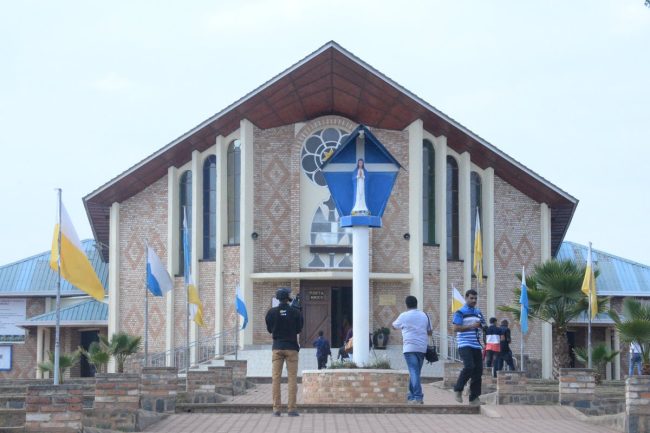
A Kibeho pilgrimage tour is a spiritual journey to one of Rwanda’s most important Catholic pilgrimage destinations. Located in Nyaruguru District in the Southern Province of Rwanda, Kibeho is known for the reported Marian apparitions that began in 1981 and for the Sanctuary of Our Lady of Kibeho, also known as Our Lady of Sorrows. The site attracts pilgrims seeking prayer, reflection, reconciliation and a deeper connection with their Catholic faith.
Kibeho is particularly significant because the Catholic Church formally recognised the apparitions associated with three visionaries in 2001. Today, pilgrims from Rwanda, across Africa and around the world travel to Kibeho to pray, attend Mass, reflect and experience one of the most important Marian pilgrimage sites in Africa.
Whether you are planning a Catholic pilgrimage to Rwanda, travelling alone, with your parish, or as part of a larger religious group, this guide explains what to expect, when to go, how to reach Kibeho and how to prepare for the journey.
What Is Kibeho Known For?
Kibeho became internationally known following reports of Marian apparitions at a secondary school in the area beginning on 28 November 1981. The first reported apparition was experienced by Alphonsine Mumureke, a student at Kibeho. According to the Church’s investigation, two other students, Nathalie Mukamazimpaka and Marie Claire Mukangango, also experienced apparitions that were later recognised by the Catholic Church.
The Virgin Mary was reported to have identified herself as “Nyina wa Jambo,” meaning “Mother of the Word.” The messages associated with Kibeho strongly emphasised prayer, conversion, repentance and sincere Christian living. The importance of Kibeho therefore goes beyond simply visiting a historical religious site. For many pilgrims, the journey is an opportunity to pray, reflect on their lives and renew their faith.
The History of the Kibeho Apparitions
The first reported apparition occurred on 28 November 1981. Alphonsine was reportedly serving other students when she experienced the first encounter. The events continued, and other students later reported similar experiences. Nathalie Mukamazimpaka began reporting apparitions in January 1982, while Marie Claire Mukangango began experiencing them in March of the same year. Because of the growing attention surrounding Kibeho, church authorities established investigations into the reported apparitions. Public devotion associated with the apparitions was authorised in 1988, although this was not yet a definitive declaration that the apparitions themselves were authentic.
After years of investigation, the Bishop of Gikongoro issued the definitive declaration on 29 June 2001. The declaration recognised the apparitions involving the three principal visionaries: Alphonsine Mumureke, Nathalie Mukamazimpaka and Marie Claire Mukangango. This recognition is one of the reasons Our Lady of Kibeho pilgrimage tours have become increasingly important for Catholic visitors from Rwanda, neighbouring African countries and further abroad.
Why Visit Kibeho as a Pilgrim?
A pilgrimage is different from an ordinary sightseeing trip. Although Kibeho has historical and cultural importance, the central purpose of visiting is spiritual. Pilgrims commonly visit Kibeho to:
- Attend Holy Mass
- Pray the Rosary
- Pray the Seven Sorrows Rosary
- Spend time in personal prayer
- Seek reconciliation and confession
- Reflect on the messages associated with the apparitions
- Visit important religious sites around the sanctuary
- Pray for family members and loved ones
- Give thanks for answered prayers
- Seek spiritual renewal
- Experience an important Catholic pilgrimage destination in Africa
The Seven Sorrows devotion has a particularly strong connection with Kibeho. Prayer and Marian devotion remain central parts of the pilgrimage experience. For many visitors, the most valuable part of the journey is not simply seeing the sanctuary but having time to slow down, pray and reflect.
When Is the Best Time for a Kibeho Pilgrimage?
Kibeho can be visited throughout the year, but some dates are particularly important for pilgrims.
November 28 – Anniversary of the First Apparition
November 28 is one of the most significant dates on the Kibeho pilgrimage calendar because it marks the anniversary of the first reported apparition in 1981. Pilgrims gather for prayer and special religious celebrations, making this an important time for visitors who want to experience Kibeho during a major annual pilgrimage. Because large numbers of people may travel to Kibeho around important celebrations, accommodation and transport should be arranged well in advance.
August 15 – Feast of the Assumption
August 15, the Solemnity of the Assumption of Mary, is another major pilgrimage date. The date has a particular historical connection with Kibeho because public devotion associated with the apparitions was authorised on 15 August 1988. The annual celebration attracts large numbers of pilgrims and creates a powerful atmosphere of prayer and communal worship. If your goal is to experience Kibeho during a major pilgrimage celebration, August 15 or November 28 can be particularly meaningful. However, these periods can also be busy, so advance planning is essential.
How to Get to Kibeho From Kigali
Kibeho is located in southern Rwanda, approximately 149 kilometres by road from Kigali. The journey can take around two to three hours depending on traffic, road conditions, weather, stops and the exact route. For international pilgrims, Kigali is normally the most convenient starting point because Kigali International Airport is Rwanda’s main international gateway.
A private vehicle is often the most convenient option for pilgrimage groups. It provides flexibility with departure times, prayer stops, luggage and visits to other destinations. Public transportation is also possible, although it generally involves travelling towards Huye or another southern Rwanda transport hub before continuing to Kibeho. This can require additional transfers and more planning. For elderly pilgrims, families and parish groups, private transportation can make the journey considerably more comfortable.
How Many Days Do You Need?
The length of your Kibeho pilgrimage tour depends on your purpose and where you are travelling from.
One-Day Kibeho Pilgrimage
A one-day trip can work well for travellers already staying in Kigali. You can leave Kigali early in the morning, travel to Kibeho, spend several hours at the sanctuary and return to Kigali later in the day. This option is suitable if your priority is visiting the sanctuary, attending Mass and spending time in prayer.
Two-Day Kibeho Pilgrimage
A two-day journey provides a more relaxed experience. You can travel from Kigali to Kibeho, spend time at the sanctuary and remain overnight before continuing your journey or returning to Kigali the following day. This option gives you more time for personal prayer and reduces the pressure of completing the entire journey in one day.
Longer Rwanda Religious Tour
Kibeho can also be incorporated into a wider Rwanda Catholic pilgrimage tour. Depending on your interests, a longer itinerary can include Kigali, churches and other religious sites, cultural attractions and important historical locations. This approach is particularly suitable for international parish groups or visitors travelling to Rwanda for several days.
What to Expect at the Sanctuary
The Sanctuary of Our Lady of Kibeho is a place of active religious devotion rather than simply a historical monument. Pilgrims can participate in Mass, prayer and other Catholic devotions. The sanctuary provides an environment for quiet personal reflection and communal worship. During major pilgrimage celebrations, the atmosphere becomes much busier. Pilgrims may arrive several days before important feast days, while special celebrations can include prayer, Rosary devotions, Mass and other religious activities. Schedules can change depending on the religious calendar and special celebrations. Before travelling, it is therefore advisable to confirm current Mass times, pilgrimage arrangements, accommodation and any special programme for your chosen date.
What Should You Pack for a Kibeho Pilgrimage?
Packing for Kibeho is relatively simple, but comfort and respect are important. Consider bringing:
- Comfortable walking shoes
- Modest clothing suitable for a Catholic shrine
- A light jacket or sweater
- A Rosary
- Bible or prayer book
- Personal medications
- Reusable drinking water bottle
- Sunscreen and a hat
- Small backpack
- Phone and power bank
- Rain protection during wet weather
- Passport and required travel documents for international visitors
If travelling during a major pilgrimage celebration, pack light and practical. Large crowds can make movement more difficult, and you may spend significant periods outdoors. Comfortable shoes are particularly useful because pilgrims may spend considerable time walking or standing during religious activities.
Important Etiquette for Pilgrims
Kibeho is a sacred religious site, so visitors should behave respectfully. Dress modestly, especially when attending Mass or entering religious buildings. Keep noise to a minimum during prayer and religious ceremonies. Photography should never interfere with worship or the privacy of other pilgrims.
If you are travelling with children, explain beforehand that Kibeho is primarily a place of prayer and pilgrimage rather than an ordinary tourist attraction. Visitors should also respect local customs and follow instructions provided by church authorities and sanctuary staff. It is worth learning about Rwanda’s history before your visit. Kibeho’s religious story is deeply connected to the country’s wider history, and understanding that context can make the pilgrimage more meaningful.
Is Kibeho Worth Visiting?
For Catholics and travellers interested in religious heritage, Kibeho offers a distinctive pilgrimage experience in Rwanda. Its importance comes from the combination of its Marian history, Church recognition, continuing devotional life and connection with Rwanda’s wider history. A successful Kibeho pilgrimage should therefore not be measured only by the number of places visited. The most meaningful experience may come from allowing enough time for prayer, silence, reflection and participation in Mass.
For international visitors, Kibeho can also provide an opportunity to experience Rwanda beyond its famous wildlife and mountain destinations. The pilgrimage introduces visitors to an important aspect of Rwanda’s spiritual and cultural identity.
Planning a Kibeho Pilgrimage Tour
Good preparation can make your pilgrimage more comfortable and meaningful. Start by deciding whether you want a short day trip or a longer religious journey. If travelling around a major feast day, arrange transportation and accommodation as early as possible.
Consider your group’s needs as well. Elderly pilgrims may require more frequent breaks and shorter walking distances. Families travelling with children may prefer a slower itinerary with additional rest time. International pilgrims should also ensure that their passports, visas and other travel documents are in order before travelling to Rwanda. If you are travelling as a parish or church group, it can be helpful to prepare a simple spiritual programme before departure. This could include daily prayers, Scripture readings, the Rosary, Mass and periods of quiet reflection.
Final Thoughts
A Kibeho pilgrimage tour is an opportunity to experience one of Rwanda’s most significant Catholic spiritual destinations. From the first reported apparition on 28 November 1981 to the Catholic Church’s formal recognition in 2001, Kibeho has developed into an important destination for pilgrims seeking prayer and spiritual renewal.
Whether you visit for a single day from Kigali or build Kibeho into a longer Rwanda pilgrimage tour, preparation is important. Choose your travel dates carefully, arrange transportation and accommodation in advance, especially around August 15 and November 28, and approach the sanctuary with the respect expected of a sacred place. Most importantly, come prepared not simply to see Kibeho, but to experience it as a place of prayer, reflection, repentance and faith.