Lake Chala Tanzania: Facts, Things to Do, Attractions and Complete Tour Guide
Introduction: Discover Lake Chala, Tanzania’s Beautiful Crater Lake
Lake Chala is one of the most fascinating natural attractions on the eastern side of Mount Kilimanjaro in northern Tanzania. Located near the Tanzania–Kenya border, this beautiful freshwater crater lake is surrounded by steep volcanic walls, woodland, open savannah and spectacular natural scenery. Its peaceful atmosphere and changing water colours make it an attractive destination for travellers seeking an alternative to the busier safari destinations in northern Tanzania.
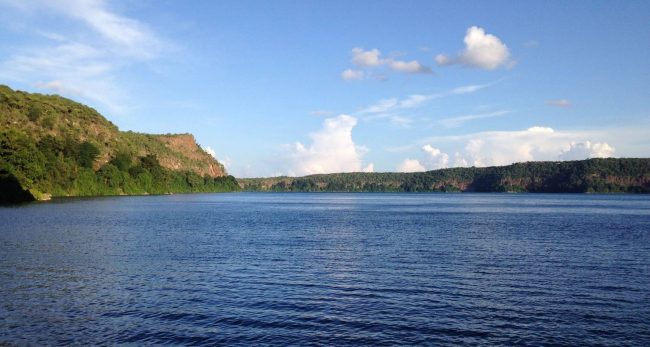
Unlike the large lakes of the Great Rift Valley, Lake Chala occupies an ancient volcanic caldera. It is supplied mainly by underground water originating from rainfall on the forested slopes of Mount Kilimanjaro. Depending on the weather, sunlight and viewing conditions, the lake can appear deep blue, turquoise or green.
A Lake Chala tour with Epic Uganda Vacation offers an opportunity to explore the landscape, enjoy panoramic crater viewpoints, discover local nature and experience the quieter side of the Kilimanjaro region. Visitors can include guided nature walks, birdwatching, photography and other activities permitted and available at the time of their visit.
Whether you are staying in Moshi, climbing Mount Kilimanjaro or exploring Tanzania’s northern safari circuit, Lake Chala is a rewarding excursion to add to your itinerary.
Where Is Lake Chala Located?
Lake Chala is situated on the southeastern foothills of Mount Kilimanjaro, close to the international boundary between Tanzania and Kenya. The lake is shared geographically by the two countries, with the international border passing through its waters.
On the Tanzanian side, it is located in the Rombo District of the Kilimanjaro Region. It lies approximately 55 kilometres east of Moshi, although the actual distance and driving time depend on the starting point and selected access route.
The surrounding landscape combines volcanic terrain, dry woodland, savannah vegetation and the steep slopes of the crater. The lake’s relatively secluded location makes it an appealing destination for visitors interested in nature, photography and outdoor exploration.
Nearby destinations include:
- Moshi Town
- Mount Kilimanjaro
- Marangu
- Rombo
- Holili
- Lake Jipe
- Mkomazi National Park
- Materuni Waterfall
Lake Chala Facts: What Makes This Lake Special?
Lake Chala is more than a scenic lake. Its volcanic origin, underground water supply and unusual ecological characteristics make it scientifically and environmentally significant.
Here are some important facts about Lake Chala:
| Feature | Information |
|---|---|
| Name | Lake Chala or Lake Challa |
| Location | Tanzania–Kenya border |
| Region on Tanzanian side | Kilimanjaro Region |
| District | Rombo District |
| Lake type | Volcanic crater lake |
| Geological age | More than 250,000 years |
| Surface area | Approximately 4.2 square kilometres |
| Water depth | Approximately 90–95 metres, with recorded variation |
| Elevation | Approximately 880 metres above sea level |
| Water source | Rainfall, crater-wall runoff and underground inflows |
| Nearby mountain | Mount Kilimanjaro |
| Main attractions | Crater scenery, nature walks, birdwatching and photography |
1. Lake Chala Is an Ancient Volcanic Crater Lake
Lake Chala occupies a steep-sided volcanic crater formed during the geological history of the Mount Kilimanjaro volcanic complex. Scientific research indicates that the lake basin is more than 250,000 years old.
The crater developed through volcanic activity on the eastern side of Kilimanjaro. Over time, water accumulated inside the basin, creating the freshwater lake visitors see today.
The steep crater walls give Lake Chala its distinctive appearance and create a dramatic landscape that contrasts with the surrounding plains.
2. The Lake Is Shared by Tanzania and Kenya
One of Lake Chala’s interesting geographical features is its position on the Tanzania–Kenya border. The international boundary passes through the lake, meaning it is associated with both countries.
Visitors approaching from the Tanzanian side normally travel from Moshi through the Kilimanjaro Region towards Rombo and the Holili area.
A visit to Lake Chala does not automatically involve crossing into Kenya. Travellers should remain on their authorised route and carry appropriate travel documents if they intend to cross the international border.
3. Lake Chala Is Fed Mainly by Underground Water
Unlike many lakes that receive water from visible rivers and streams, Lake Chala has no major permanent surface river flowing into it.
Its water balance is maintained through rainfall, runoff from the crater slopes and substantial underground inflows. Research indicates that much of this underground water originates from precipitation on the forested and higher slopes of Mount Kilimanjaro.
This connection with the mountain helps explain why Lake Chala remains a freshwater lake despite its relatively dry surroundings.
4. Lake Chala Is Remarkably Deep
Scientific studies have recorded depths of approximately 90–95 metres, with measurements varying over time and between studies.
The lake’s considerable depth, steep underwater slopes and permanently stratified water column make it an important subject for scientific research.
Researchers have collected and studied its sediments to understand historical changes in East African rainfall, climate and environmental conditions over thousands of years.
5. The Lake Changes Colour
One of Lake Chala’s most attractive features is its changing water colour. Depending on sunlight, weather, water conditions and viewing angle, the lake may appear deep blue, turquoise or green.
The crater walls and surrounding vegetation create a striking contrast with the water, making the lake particularly attractive to photographers.
Early morning and late afternoon can provide beautiful natural lighting, although visibility depends on the weather.
6. Lake Chala Has an Important Endemic Fish Species
Lake Chala is home to the Lake Chala tilapia, scientifically known as Oreochromis hunteri. This fish is native to the lake and is of particular ecological importance because of its restricted natural distribution.
The species has faced conservation concerns, including pressure associated with introduced fish species and changes in its habitat.
Its presence makes Lake Chala an important freshwater ecosystem beyond its value as a tourist attraction.
Things to Do at Lake Chala, Tanzania
Lake Chala is particularly suitable for visitors interested in quiet nature experiences, photography and outdoor activities. The activities available depend on local operating arrangements, weather, safety conditions and conservation requirements.
1. Enjoy Spectacular Crater Viewpoints
One of the best things to do at Lake Chala is admire the scenery from the crater rim.
From suitable viewpoints, visitors can look down towards the lake and appreciate its steep volcanic walls, forested slopes and surrounding landscape.
The elevated viewpoints provide excellent opportunities for photography, especially when sunlight illuminates the water.
You can also enjoy the peaceful atmosphere and observe the contrast between the green crater vegetation and the drier landscape outside the basin.
2. Take a Guided Nature Walk
Nature walking is a rewarding way to explore the surroundings of Lake Chala.
A guided walk may take you along sections of the crater rim or through the surrounding woodland and savannah vegetation. Depending on the selected trail, you may encounter different plants, insects, birds and signs of wildlife.
A local guide can explain the area’s natural environment, geological history and ecological importance.
Some trails involve steep or uneven ground, particularly where routes descend towards the lake. Travellers should choose walks according to their fitness and follow the guide’s instructions.
3. Go Birdwatching
Lake Chala and its surrounding vegetation provide habitats for a variety of birds. The combination of water, woodland, open grassland and rocky crater walls attracts different bird species.
Birdwatchers may look for:
- African fish eagle
- Verreaux’s eagle
- Augur buzzard
- Kingfishers
- Herons
- Sunbirds
- Weavers
- Other woodland and savannah birds
The exact species observed depends on the season, weather and time spent exploring.
Bring binoculars and a camera with a suitable zoom lens if birdwatching is one of your main interests.
4. Enjoy Photography
Lake Chala is an excellent destination for landscape and nature photography.
The combination of a deep crater lake, steep volcanic walls, natural vegetation and changing water colours creates many opportunities for memorable photographs.
Popular photographic subjects include:
- Panoramic views from the crater rim.
- The lake’s blue and turquoise water.
- Volcanic crater walls.
- Birds of prey.
- Woodland and savannah landscapes.
- Natural light reflecting on the water.
- Views across the Tanzania–Kenya border region.
For the best photographic conditions, consider visiting in the morning or late afternoon when the light is softer.
5. Enjoy a Picnic in the Natural Surroundings
Travellers can arrange a relaxed picnic at designated areas where facilities and local rules permit.
A picnic provides an opportunity to enjoy the scenery, take photographs and spend time in the peaceful surroundings of the lake.
Visitors should carry drinking water, dispose of waste responsibly and avoid leaving food or litter in natural areas.
6. Explore the Lake by Canoe or Kayak Where Available
Canoeing and kayaking may be offered through local arrangements when conditions and equipment permit.
Exploring the lake from the water can provide a different perspective of the steep crater walls and surrounding vegetation.
However, water activities should never be assumed to operate throughout the year. Confirm availability, safety equipment, weather conditions and any restrictions with the local operator before including them in your tour.
7. Discover the Local Landscape and Communities
A visit to Lake Chala can also provide an opportunity to appreciate the communities and agricultural landscapes around Rombo and the eastern slopes of Kilimanjaro.
Depending on your itinerary, your guide can introduce you to local settlements, farming activities and the relationship between communities and the surrounding natural environment.
You can combine the excursion with a Chagga cultural experience or a visit to another attraction in the Kilimanjaro region.
8. Enjoy a Relaxing Day Away from Busy Safari Routes
Lake Chala is an excellent destination for travellers who want a quieter experience between more demanding activities.
After climbing Mount Kilimanjaro or completing several days of game drives, a visit to the lake offers a chance to slow down, enjoy nature and appreciate a different side of Tanzania.
It is particularly suitable for couples, photographers, nature lovers and visitors who enjoy less crowded outdoor destinations.
Can You Swim in Lake Chala?
Although some tourism descriptions list swimming among possible Lake Chala activities, visitors should not assume that swimming is safe or permitted.
The lake is very deep, has steep underwater slopes and is part of a natural habitat where crocodile presence has been reported. Conditions and safety arrangements may also change.
For these reasons, swimming should only be considered if the responsible local authority or operator explicitly confirms that it is permitted and safe at the time of your visit. Do not enter the water independently or assume that the availability of a lake-access trail means swimming is allowed.
Visitors can enjoy the lake’s beauty from designated viewpoints and other authorised areas without entering the water.
Wildlife and Nature Around Lake Chala
Lake Chala supports a variety of habitats, including aquatic environments, crater forests, woodland and open savannah.
These habitats provide food and shelter for different bird species, reptiles, insects and mammals.
Birds
Birdlife is one of the attractions for nature enthusiasts. Depending on the season, visitors may encounter fish eagles, other raptors, kingfishers and numerous smaller woodland and savannah birds.
Mammals
Wildlife reported in the broader Lake Chala landscape includes monkeys, baboons and small antelopes. Larger mammals may also occur in the wider surrounding ecosystem, but sightings at the lake should never be guaranteed.
Reptiles
The wider lake environment has reports of crocodiles and other reptiles. Visitors should keep a safe distance from the water and follow local guidance.
Plants and Vegetation
The landscape around Lake Chala includes dry woodland, grasses, shrubs and denser vegetation within parts of the crater. The changing vegetation creates habitats for birds, insects and other wildlife.
Best Time to Visit Lake Chala
Lake Chala can be visited throughout the year, but weather conditions influence the quality of outdoor activities and the condition of walking trails.
June to October: Dry Season
The June–October period is generally favourable for outdoor excursions in northern Tanzania. Visitors can often enjoy more manageable walking conditions, although occasional weather changes are possible.
This is a good period to combine Lake Chala with Mount Kilimanjaro activities and northern Tanzania safaris.
January to February: Another Favourable Period
January and February are generally useful months for outdoor excursions around Moshi and Kilimanjaro. The weather can be warm, making early morning walks and photography particularly appealing.
March to May: Long Rainy Season
The long rains can make some trails muddy and slippery. The surrounding vegetation may appear greener, but rain and cloud cover can affect visibility and outdoor activities.
Visitors planning a crater walk should check trail conditions before departure.
November to December: Short Rainy Season
The short rains may bring occasional showers. Some days remain suitable for sightseeing, but travellers should be prepared for changing weather.
Recommendation: For a combination of comfortable walking conditions and a wider northern Tanzania holiday, consider the drier months, while remaining flexible because local weather can vary.
How to Get to Lake Chala
Lake Chala can be reached by road from Moshi, Arusha and Kilimanjaro International Airport.
From Moshi
Moshi is one of the most convenient starting points for a Lake Chala excursion. The journey is approximately 55 kilometres, depending on the route and starting location.
The drive takes you eastwards towards the Rombo area and the Tanzanian side of the lake. Actual travel time depends on road conditions, traffic and the final access point.
From Arusha
Visitors staying in Arusha can arrange a private excursion to Lake Chala. The road journey is longer than from Moshi, so an early departure is recommended if planning a day trip.
From Kilimanjaro International Airport
Travellers arriving at Kilimanjaro International Airport can arrange a transfer towards Lake Chala or first stay in Moshi before undertaking the excursion.
From Kenya
Lake Chala is close to the Kenya–Tanzania border and can also be approached from the Kenyan side near Taveta. Visitors crossing the international border must use authorised crossing points and meet the relevant immigration requirements.
Suggested One-Day Lake Chala Tour from Moshi
Destination: Lake Chala, Kilimanjaro Region, Tanzania
Starting point: Moshi Town
Duration: Full day
Tour type: Private guided nature excursion
Main activities: Scenic drive, crater viewpoints, nature walk, birdwatching and photography.
Morning: Departure from Moshi
After breakfast, your driver-guide collects you from your hotel in Moshi. Travel towards the eastern slopes of Mount Kilimanjaro, passing rural settlements, agricultural landscapes and scenic countryside.
Continue towards Rombo and the Lake Chala area. On arrival, receive a short introduction to the lake, its volcanic formation and its ecological importance.
Mid-Morning: Explore Lake Chala Viewpoints
Proceed to suitable viewpoints overlooking the crater lake.
Enjoy panoramic views of the water, crater walls and surrounding vegetation. Your guide explains how the lake formed and how underground water from the Kilimanjaro region contributes to its water supply.
Spend time taking photographs and enjoying the scenery.
Late Morning: Guided Nature Walk and Birdwatching
Depending on trail conditions, enjoy a guided walk around an authorised section of the crater rim or surrounding landscape.
Look out for birds and other wildlife while learning about the area’s natural environment.
Travellers who prefer a less demanding experience can spend additional time at the viewpoints.
Afternoon: Lunch and Relaxation
Enjoy a packed lunch or meal at an available local facility, depending on the arrangements made for your tour.
Spend time relaxing and taking in the scenery before preparing for the return journey.
Late Afternoon: Return to Moshi
After completing the excursion, meet your driver for the return transfer to Moshi.
Arrive at your hotel later in the afternoon, with the rest of the evening free for relaxation.
The schedule is a suggested programme. Actual timing depends on road conditions, local access arrangements, weather and the activities available on the day.
Combine Lake Chala with Other Kilimanjaro Attractions
A Lake Chala excursion can be combined with other destinations around Mount Kilimanjaro, depending on the time available.
Lake Chala and Chagga Cultural Tour
Combine the lake excursion with a cultural experience in a Chagga village. Learn about traditional farming, banana cultivation, coffee production, local food and the history of communities living on the mountain’s slopes.
Lake Chala and Marangu Village
Marangu is associated with Chagga cultural heritage and is also an important starting area for the Marangu Route on Mount Kilimanjaro.
Visitors can explore local cultural attractions and learn about the history of the area.
Lake Chala and Materuni Waterfall
Materuni is known for its waterfall, village walks and coffee experiences. It can be combined with a wider Kilimanjaro-region holiday, although visiting both Materuni and Lake Chala in one day may create a long programme because they are in different areas.
A two-day arrangement may be more comfortable.
Lake Chala and Mkomazi National Park
For travellers interested in wildlife, Mkomazi National Park can be included in a wider northern Tanzania itinerary.
The park offers opportunities to explore dry-country habitats and wildlife through organised safari activities. A combination with Lake Chala is best planned as part of a multi-day trip rather than a rushed excursion.
Lake Chala and Mount Kilimanjaro Climbing
Lake Chala can be included before or after a Mount Kilimanjaro climb. It is a particularly appealing option for travellers who want to explore the mountain region beyond the summit trails.
What to Pack for a Lake Chala Tour
For a comfortable excursion, consider carrying:
- Comfortable walking shoes with good grip.
- Lightweight clothing suitable for warm weather.
- A light jacket or raincoat.
- Hat and sunscreen.
- Sunglasses.
- Drinking water.
- Camera or smartphone.
- Binoculars for birdwatching.
- Small daypack.
- Personal medication.
- Some cash for personal purchases and tips.
If your programme includes a longer walk, wear suitable footwear and follow your guide’s advice.
Lake Chala Tour Prices: What Is Included?
The cost of a Lake Chala tour depends on the number of travellers, starting location, transport arrangements, duration and activities included.
A private day excursion from Moshi may include:
- Hotel pickup and drop-off.
- Private safari vehicle or suitable transfer vehicle.
- Professional driver-guide.
- Local guiding services, where arranged.
- Applicable site or activity charges.
- Drinking water.
- Lunch, if included in the selected package.
Optional activities, special equipment, meals and additional excursions should be confirmed in the quotation.
Epic Uganda Vacation can prepare a personalised quotation based on your travel date, group size and preferred activities. Current prices and access arrangements should be confirmed before booking.
Responsible Tourism at Lake Chala
Lake Chala is an ecologically important natural environment. Visitors should help protect the lake and its surrounding habitats.
Responsible travel practices include:
- Do not leave rubbish around the crater or lake.
- Avoid disturbing birds and other wildlife.
- Follow designated trails and local access instructions.
- Do not enter the water unless swimming is explicitly authorised and confirmed safe.
- Avoid feeding wild animals.
- Respect local communities and private property.
- Use local guides and services where possible.
- Follow all safety instructions during nature walks and water-based activities.
Protecting Lake Chala helps maintain its natural beauty and ecological value for future generations.
Frequently Asked Questions About Lake Chala
1. Where is Lake Chala located?
Lake Chala is a volcanic crater lake on the southeastern side of Mount Kilimanjaro, along the Tanzania–Kenya border. Its Tanzanian side is in Rombo District, Kilimanjaro Region.
2. How far is Lake Chala from Moshi?
Lake Chala is approximately 55 kilometres from Moshi, depending on the route and starting point. Driving time varies with road conditions and access arrangements.
3. How was Lake Chala formed?
Lake Chala occupies an ancient volcanic crater or caldera formed through volcanic activity associated with the Kilimanjaro volcanic complex. The basin gradually filled with freshwater.
4. How deep is Lake Chala?
Scientific studies have recorded depths of approximately 90–95 metres, although measurements vary over time. It is a notably deep crater lake.
5. Is Lake Chala in Tanzania or Kenya?
Lake Chala lies on the international boundary between Tanzania and Kenya. The lake is shared by both countries.
6. What are the best things to do at Lake Chala?
Popular activities include crater viewpoint visits, guided nature walks, birdwatching, photography and relaxing in the natural surroundings. Canoeing or kayaking may be possible where local operators confirm availability.
7. Is swimming allowed at Lake Chala?
Visitors should not assume swimming is permitted or safe. The lake is deep, and crocodile presence has been reported. Only consider entering the water if the responsible local authority or operator explicitly confirms that it is permitted and safe at the time of your visit.
8. Can I visit Lake Chala as a day trip from Moshi?
Yes. A full-day excursion from Moshi is a convenient way to explore the lake, enjoy its viewpoints and undertake a guided nature walk.
9. Is Lake Chala suitable for families?
Families can enjoy the viewpoints, photography and suitable guided walks. However, steep crater paths and proximity to deep water require careful supervision of children. Select activities according to the ages and abilities of your group.
10. Can I combine Lake Chala with a Mount Kilimanjaro safari?
Yes. Lake Chala can be added to a Mount Kilimanjaro holiday, Chagga cultural tour or wider northern Tanzania safari itinerary.
Book a Lake Chala Tour with Epic Uganda Vacation
Discover one of the most beautiful natural attractions on the eastern side of Mount Kilimanjaro with a guided Lake Chala tour organised by Epic Uganda Vacation.
Explore the ancient volcanic crater, admire the changing colours of the water, enjoy scenic viewpoints and discover the surrounding natural environment. Whether you are staying in Moshi, preparing for a Mount Kilimanjaro climb or exploring Tanzania’s northern safari circuit, Lake Chala offers a memorable nature experience.
We can help arrange private transport, local guiding services and additional excursions according to your travel schedule.
Contact Epic Uganda Vacation to plan your Lake Chala day trip or include the lake in a personalised Tanzania holiday.