Best Time to Book a Serengeti Wildebeest Calving Season Safari
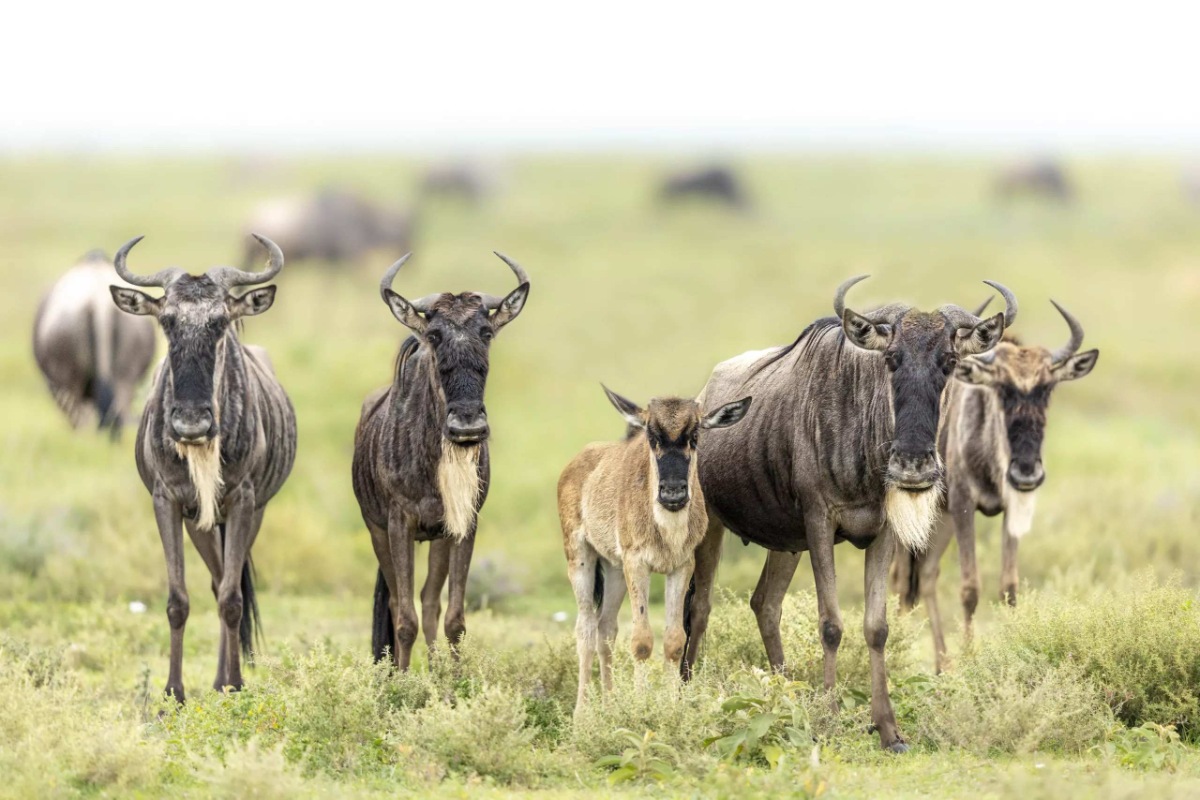
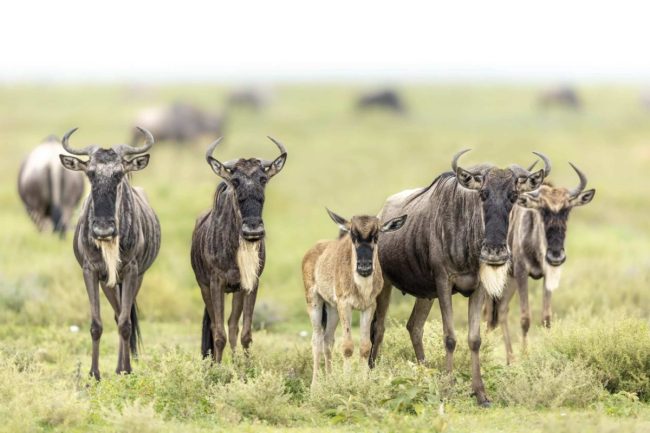
The Serengeti wildebeest calving season is one of the most exciting wildlife experiences in Africa. Every year, hundreds of thousands of wildebeest gather on the southern plains of Tanzania’s Serengeti ecosystem to give birth, attracting large numbers of predators, including lions, cheetahs, hyenas and leopards. It is a remarkable opportunity to witness newborn animals taking their first steps, enormous herds grazing across open grasslands and the dramatic interactions between predators and prey.
If you are planning to experience this natural spectacle, knowing the best time to book a Serengeti calving season safari is essential. February is generally the peak month for wildebeest births, although the calving season extends from January into March. The best accommodation, particularly seasonal tented camps in the Ndutu area, can become fully booked well in advance.
This guide explains when to book, the best months to visit, where to stay and how to plan a memorable calving season safari in Tanzania.
When Is the Serengeti Wildebeest Calving Season?
The Serengeti wildebeest calving season generally takes place between January and March, with the highest concentration of births usually occurring in February.
During this period, the Great Migration herds gather on the short-grass plains of the southern Serengeti and the neighbouring Ndutu area within the Ngorongoro Conservation Area. These plains provide nutrient-rich grazing that supports pregnant wildebeest and their newborn calves.
An estimated 400,000 to 500,000 wildebeest calves may be born during the wider calving period, with births concentrated within a few weeks. This abundance of young animals attracts predators, creating excellent opportunities for wildlife viewing and photography.
The exact timing varies depending on rainfall, grass availability and seasonal conditions. Therefore, visitors should treat the calving season dates as a general guide rather than a fixed annual schedule.
What Is the Best Time to Book a Calving Season Safari?
The best time to book a Serengeti calving season safari is approximately six to twelve months before your intended travel dates.
February is particularly popular because it is generally the peak period for wildebeest births and predator activity. Accommodation options in the Ndutu area are limited compared with the wider Serengeti, and the most desirable seasonal camps can sell out early.
For travellers planning to visit during the peak calving period, booking nine to twelve months ahead is a sensible approach. If you are travelling in January or March, six to nine months ahead may provide more flexibility, although early reservations are still recommended.
Recommended Booking Timeline
| Travel period | Recommended booking time | Main experience |
|---|---|---|
| January | 6–9 months ahead | Early calving activity and arriving migration herds |
| February | 9–12 months ahead | Peak wildebeest births and predator activity |
| March | 6–9 months ahead | Continued calving and changing herd movements |
These are planning recommendations rather than fixed deadlines. Popular camps, private safari vehicles and specialist photography arrangements may require even earlier reservations.
Which Month Is Best for a Serengeti Calving Season Safari?
Although January, February and March all offer opportunities to experience the calving season, each month has slightly different wildlife highlights.
January: The Beginning of the Calving Season
January is an excellent time to visit the southern Serengeti and Ndutu plains as large wildebeest herds gather in preparation for calving. Some births may already be taking place, particularly towards the end of the month.
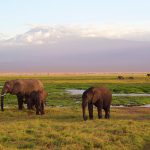
The landscape is often green following the seasonal rains, creating beautiful scenery for wildlife photography. Visitors can also encounter zebras, gazelles, elephants, giraffes and various resident predators.
January is suitable for travellers who want to experience the build-up to the peak calving period and potentially enjoy more flexibility than during February’s busiest weeks.
February: Peak Wildebeest Calving Season
February is generally considered the best month for witnessing the Serengeti wildebeest calving season.
Large numbers of wildebeest give birth across the southern plains, particularly around Ndutu. Newborn calves can often be seen standing and walking shortly after birth, while their mothers remain close to protect them.
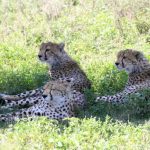
The concentration of vulnerable young animals attracts lions, cheetahs, spotted hyenas and other predators. This creates excellent opportunities to observe natural predator-prey interactions.
February is particularly rewarding for wildlife photographers, nature enthusiasts and travellers interested in the Great Migration.
Because of its popularity, February is also the month when early accommodation reservations are especially important.
March: Continued Calving and Herd Movement
March offers further opportunities to see wildebeest calves and large herds across the southern Serengeti ecosystem.
The calving activity may continue into the month, although the herds gradually begin responding to changing weather and grazing conditions. Rainfall can increase, and some areas may experience heavier showers.
Travellers visiting in March can enjoy green landscapes, birdwatching and excellent general wildlife viewing. It is also worth considering if your travel dates are flexible and you want to avoid the busiest February weeks.
Where Is the Best Place to Stay During the Calving Season?
The Ndutu area and southern Serengeti plains are the main locations to consider when planning a calving season safari.
Staying close to the migration herds reduces unnecessary driving time and allows you to begin wildlife viewing early in the morning, when predators are often active.
Some of the accommodation options to consider include:
Ndutu Safari Lodge
Ndutu Safari Lodge is located in the Ndutu area, close to the seasonal grazing grounds used by the migrating wildebeest. Its location makes it a useful base for exploring the southern plains during the calving season.
Lemala Ndutu Camp
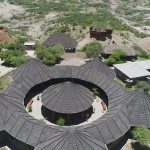
Lemala Ndutu is a seasonal tented camp positioned to offer access to the migration areas. Its mobile camp approach allows guests to stay close to the seasonal wildlife movements.
Lake Masek Tented Lodge
Lake Masek Tented Lodge is another accommodation option in the Ndutu region. It provides access to the southern Serengeti ecosystem and surrounding wildlife-viewing areas.
Seasonal Mobile Tented Camps
Several seasonal camps operate around the southern Serengeti and Ndutu plains during the migration period. These camps are particularly useful because their locations are selected to provide access to the areas where the herds are gathering.
When booking, confirm the camp’s exact location and operating dates. A property described as being in the Serengeti may be several hours from the main calving grounds.
Why Should You Book Your Calving Season Safari Early?
Booking early offers several advantages, especially if you have specific travel dates or accommodation preferences.
1. Secure Accommodation Near the Migration Herds
The number of suitable accommodation facilities in the Ndutu area is limited. Booking early gives you a better opportunity to secure a tented camp or lodge close to the main wildlife-viewing areas.
2. Access Your Preferred Accommodation Category
Whether you prefer a comfortable mid-range tented camp or a luxury safari property, early reservations provide more opportunities to select accommodation that matches your budget and expectations.
3. Plan a Better Safari Route
The Great Migration moves throughout the Serengeti ecosystem. Booking early allows your safari operator to plan a route that includes the southern Serengeti, Ndutu, Ngorongoro Conservation Area and other wildlife destinations where appropriate.
4. Organise Flights and Safari Transfers
Travellers flying into Tanzania through Kilimanjaro International Airport or connecting through Arusha need to arrange airport transfers and onward transport to the safari areas.
For some itineraries, scheduled or charter flights to nearby airstrips may reduce driving time. Early planning makes it easier to organise these arrangements.
5. Avoid Last-Minute Booking Limitations
Waiting until the last few weeks can leave you with fewer accommodation choices, less flexibility in safari arrangements and potentially higher prices for the remaining available options.
What Can You Expect During the Calving Season?
The calving season offers much more than seeing newborn wildebeest. It is an opportunity to experience one of Africa’s most remarkable wildlife ecosystems.
Newborn wildebeest calves: Witness young wildebeest taking their first steps and learning to follow their mothers across the plains.
Predator sightings: Lions, cheetahs, leopards, spotted hyenas and jackals are among the predators that hunt in the migration areas.
Large wildlife herds: Observe thousands of wildebeest and zebras gathering across the open grasslands.
Wildlife photography: The open plains, green landscapes, newborn animals and predator activity provide excellent photographic opportunities.
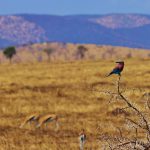
Birdwatching: The southern Serengeti ecosystem also supports numerous resident and migratory bird species during the green season.
Although predator encounters are common during this period, sightings of actual hunts are never guaranteed. Wildlife behaviour is unpredictable, and patience is an important part of a successful safari.
How Long Should You Spend on a Calving Season Safari?
A safari of four to six days is a useful starting point for exploring the southern Serengeti and Ndutu area.
A longer itinerary of seven to ten days allows you to combine the calving season with other Northern Tanzania attractions.
Possible additions include:
- Ngorongoro Crater: Explore one of Africa’s most famous wildlife destinations, known for its diverse animal populations and spectacular crater scenery.
- Central Serengeti: Search for resident lions, leopards, cheetahs, elephants and other wildlife.
- Lake Manyara National Park: Enjoy forest habitats, birdwatching and diverse wildlife.
- Tarangire National Park: Discover large elephant herds, baobab landscapes and seasonal wildlife concentrations.
A well-planned itinerary should allocate enough time to the Ndutu and southern Serengeti areas rather than spending most of the safari travelling between destinations.
What Is the Best Way to Reach the Serengeti Calving Areas?
Most international visitors arrive through Kilimanjaro International Airport near Arusha.
From Arusha, travellers can reach the southern Serengeti and Ndutu area by road through the Ngorongoro Conservation Area. Depending on the route, road conditions and wildlife stops, the journey can take several hours.
Alternatively, you may arrange a domestic flight to a suitable airstrip serving the southern Serengeti or Ndutu area, subject to flight schedules and seasonal operations.
Your safari operator can recommend the most suitable transport arrangement based on your budget, travel dates and accommodation location.
What Should You Pack for a Calving Season Safari?
The January-to-March period is part of Tanzania’s green season, so visitors should prepare for warm days, cooler mornings and occasional rain.
Recommended items include:
- Lightweight, neutral-coloured safari clothing.
- A waterproof jacket or raincoat.
- Comfortable walking shoes.
- A warm sweater for early morning game drives.
- Sunscreen, sunglasses and a wide-brimmed hat.
- Insect repellent.
- Binoculars for wildlife and birdwatching.
- A camera with suitable wildlife photography equipment.
- Personal medication and essential travel documents.
It is also advisable to carry a small day bag for game drives.
Frequently Asked Questions About Booking a Calving Season Safari
When should I book a Serengeti calving season safari?
Ideally, book six to twelve months before travelling. For February, when calving activity is generally at its peak, reserving nine to twelve months ahead is recommended, particularly for popular camps around Ndutu.
What is the best month to see wildebeest giving birth?
February is generally the best month to witness concentrated wildebeest births in the southern Serengeti and Ndutu area. However, calving can begin in January and continue into March.
Can I see the Great Migration in January?
Yes. Large herds gather in the southern Serengeti and surrounding Ndutu plains during January. The exact location and concentration of the herds depend on seasonal rainfall and grazing conditions.
Is February too crowded for a Serengeti safari?
February is a popular month, especially around Ndutu. However, choosing a suitable camp and travelling with an experienced guide can help you plan your wildlife-viewing activities effectively.
Is the calving season better than the Mara River crossings?
The two experiences are different. Calving season offers opportunities to see newborn wildebeest and increased predator activity in the southern Serengeti. The Mara River crossing season, generally between July and October in the northern Serengeti, offers opportunities to witness wildebeest crossing crocodile-filled rivers. Neither experience is guaranteed on specific dates.
Can I combine the calving season with a Ngorongoro Crater safari?
Yes. The Ngorongoro Conservation Area is close to the southern Serengeti and Ndutu region. Combining both destinations is a popular way to experience different wildlife habitats during one Tanzania safari.
Is the calving season suitable for first-time safari travellers?
Yes. It is an excellent option for first-time visitors interested in the Great Migration, big cats, large wildlife herds and wildlife photography. A private safari with an experienced guide can make the experience more informative and flexible.
Book Your Serengeti Calving Season Safari with Epic Uganda Vacation
The Serengeti wildebeest calving season is an unforgettable wildlife experience, offering opportunities to witness newborn calves, large migrating herds and some of Africa’s most fascinating predator activity.
For the best experience, plan your safari around January, February or March, with February being the main month to target for concentrated calving activity. More importantly, reserve your accommodation and safari arrangements well in advance, particularly if you want to stay in the Ndutu area.
At Epic Uganda Vacation, we can help you organise a personalised Tanzania safari combining the Serengeti calving season with Ngorongoro Crater and other Northern Tanzania destinations.
Contact our safari team to discuss your preferred travel dates, accommodation category and itinerary.