Nyanza King’s Palace Museum, Rwanda: History, Royal Traditions and Cultural Experiences
The King’s Palace Museum in Nyanza is one of Rwanda’s most important cultural heritage attractions, offering visitors an opportunity to explore the history of the Rwandan monarchy and discover traditions that shaped the country’s identity. Located in Rwanda’s Southern Province, Nyanza was once the seat of the royal court and remains an important destination for travellers interested in history, architecture and cultural tourism.
For visitors exploring Rwanda beyond its famous mountain gorillas, the King’s Palace Museum provides a meaningful cultural experience. The site combines a reconstructed traditional royal residence, a modern palace associated with King Mutara III Rudahigwa, and the celebrated Inyambo long-horned cattle.
Whether you are planning a cultural holiday, a Rwanda safari or a cross-border journey combining Rwanda and Uganda, Nyanza is worth considering as part of your itinerary with Epic Uganda Vacation.
Where Is the King’s Palace Museum in Rwanda?
The King’s Palace Museum is located in Nyanza District, in Rwanda’s Southern Province. The town lies south of Kigali and is accessible by road, making it a suitable stop on a cultural journey through southern Rwanda.
Nyanza’s historical importance comes from its role as the country’s royal capital. In 1899, King Yuhi V Musinga established a permanent royal residence there, and Nyanza remained the royal capital until Rwanda became a republic in 1962.
Today, the town offers visitors an opportunity to learn about Rwanda’s royal heritage while exploring the surrounding countryside and nearby cultural attractions.
History of the Nyanza Royal Palace
For generations, Rwanda was governed by a monarchy headed by a king, known in Kinyarwanda as the mwami. The royal court played a central role in political authority, cultural life and traditional ceremonies.
Before the royal court settled permanently in Nyanza, it moved between different locations. Establishing a permanent capital in Nyanza marked an important development in the history of the Rwandan kingdom.
The palace complex now preserves aspects of this royal past, allowing visitors to learn about the lives of the kings, the organisation of the royal household and the changing circumstances of Rwanda during the colonial period.
One of the most significant figures associated with the site is King Mutara III Rudahigwa, who reigned from 1931 to 1959. His former residence is now part of the museum experience, providing insight into the monarchy during a period of considerable social and political change.
The monarchy ended when Rwanda became a republic in 1962. The King’s Palace Museum continues to preserve and interpret this history for present and future generations.
What to See at the King’s Palace Museum
1. The Traditional Rwandan Royal Palace
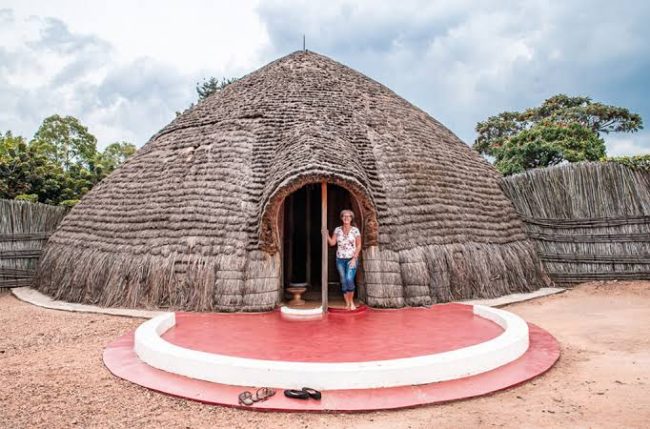
One of the museum’s main attractions is the reconstructed traditional royal residence. Its distinctive beehive-shaped roof and traditional construction methods demonstrate the architectural knowledge and craftsmanship used in Rwanda’s royal household.
The structure provides insight into how the royal court was organised and how traditional buildings were designed using locally available materials.
During a guided visit, travellers can learn about the different spaces within the royal residence and their roles in royal life. The palace also helps visitors understand the importance of traditional architecture in Rwanda’s cultural heritage.
2. The Modern Palace of King Mutara III Rudahigwa
The museum also features the modern palace associated with King Mutara III Rudahigwa and Queen Rosalie Gicanda.
Built during the early 1930s, this residence reflects changes in architectural style and the influence of the colonial period. Its rooms and exhibitions provide a contrast with the traditional royal residence nearby.
Visitors can explore aspects of royal domestic life and learn about Rwanda’s history from the fifteenth to the twentieth century, including the evolution of the monarchy and the transition to a republic.
The contrast between the traditional palace and the modern residence makes the museum particularly interesting for visitors who want to understand how Rwanda’s royal institutions changed over time.
3. The Inyambo Long-Horned Cattle
<AsyncImageGroup query={[“Inyambo long horned cattle King’s Palace Museum Nyanza Rwanda”,”Inyambo cattle traditional handlers Rwanda royal cultural heritage”]} aspectRatio=”5:4″ layout=”bento” numPerQuery={1}/>
The Inyambo cattle are among the most distinctive attractions at the King’s Palace Museum.
These elegant long-horned cattle have an important place in Rwanda’s royal heritage. Historically associated with the royal court, they were prized for their appearance and role in ceremonial traditions.
Their keepers traditionally developed a close relationship with the animals, using songs and poetic recitations during their care and training. These practices reflect the cultural significance of cattle in Rwanda, where livestock has long been associated with prestige, wealth and social traditions.
Observing the Inyambo cattle gives visitors a chance to appreciate a living cultural tradition rather than simply viewing historical objects in a museum.
The cattle are a highlight for travellers interested in African pastoral cultures, traditional livestock keeping and cultural photography. Visitors should follow the museum’s guidance about photography and interaction with the animals.
4. Royal History and Cultural Exhibitions
The museum’s exhibitions explore Rwanda’s royal history, including the development of the kingdom, the lives of its rulers and the changing role of the monarchy.
A guided visit helps bring these stories to life, explaining how royal ceremonies, traditional beliefs, social organisation and political authority were connected.
For travellers who have already visited Rwanda’s national parks, this cultural experience adds historical context to a safari. It also provides an opportunity to learn about Rwanda through its heritage sites and traditions.
5. Mwima Mausoleum
The nearby Mwima Mausoleum is another important historical site associated with Rwanda’s royal family. It is the burial place of King Mutara III Rudahigwa, Queen Rosalie Gicanda and King Kigeli V Ndahindurwa.
The mausoleum adds another dimension to a visit to Nyanza, connecting the history of the palace with the lives and legacies of Rwanda’s former rulers.
Visitors should approach this site respectfully and follow any access and photography instructions provided locally.
Things to Do at the King’s Palace Museum
A visit to Nyanza can include several activities:
- Take a guided tour of the traditional royal residence.
- Learn about King Mutara III Rudahigwa and the history of the monarchy.
- Discover the architecture and organisation of the royal household.
- Observe the Inyambo long-horned cattle and learn about their cultural significance.
- Explore the museum’s historical exhibitions.
- Visit the nearby Mwima Mausoleum, where access arrangements permit.
- Photograph the palace architecture and surrounding landscapes where permitted.
- Combine the museum with other cultural attractions in southern Rwanda.
Allow approximately two to four hours for a relaxed visit, depending on the tour arrangements and the sites you wish to explore.
Other Attractions to Combine with Nyanza
Ethnographic Museum in Huye
The Ethnographic Museum in Huye is an excellent addition to a cultural itinerary. Its collections introduce visitors to Rwanda’s traditional material culture, including aspects of daily life, craftsmanship, architecture and social history.
Combining the Ethnographic Museum with the King’s Palace Museum gives travellers a broader understanding of Rwanda’s heritage.
Rwesero Art Museum
Rwesero is another cultural attraction in Nyanza. The building was originally intended as a palace for King Mutara III Rudahigwa but was later converted into an art museum.
Its collections and architecture provide a different perspective on Rwanda’s artistic and cultural development.
Nyungwe National Park
Travellers continuing south can combine a visit to Nyanza with Nyungwe National Park, one of Rwanda’s leading rainforest destinations.
Nyungwe is known for chimpanzee trekking, forest hiking, birdwatching and the canopy walkway. Combining the palace with Nyungwe allows visitors to experience both Rwanda’s cultural heritage and its rich natural environment.
Kigali City
Kigali offers additional opportunities to explore Rwanda’s contemporary history, markets, cuisine and cultural attractions. It can be used as the starting or ending point of a journey through southern Rwanda, depending on flight schedules and the wider itinerary.
Best Time to Visit the King’s Palace Museum
The museum can be incorporated into a Rwanda itinerary throughout the year. Since it is primarily a cultural attraction, the experience is less dependent on seasonal wildlife movements than gorilla or chimpanzee trekking.
However, weather can influence road conditions and the comfort of travelling between destinations. If you plan to combine Nyanza with Nyungwe National Park, allow enough time for transfers and forest activities.
Check current opening arrangements, public holiday closures and admission requirements before travelling.
How to Get to Nyanza King’s Palace Museum
Most international visitors arrive in Rwanda through Kigali and continue by road to Nyanza.
The journey can be arranged as a private transfer or as part of a guided cultural safari. Travel time depends on the pickup location, traffic, road conditions and any stops along the way.
Visitors travelling onward to Huye or Nyungwe can incorporate Nyanza into a broader southern Rwanda route. Those arriving from Uganda should plan their cross-border journey according to their entry point, travel documents and confirmed transport arrangements.
Epic Uganda Vacation can help organise a Rwanda cultural itinerary with private transport, accommodation and other activities based on your preferred travel dates.
Practical Tips for Visiting the King’s Palace Museum
Before your visit, keep the following recommendations in mind:
- Arrange a guided tour to gain a deeper understanding of the royal history.
- Wear comfortable walking shoes for exploring the museum grounds.
- Carry drinking water and sun protection.
- Ask about photography rules before taking pictures inside buildings or near sensitive exhibits.
- Respect local cultural practices and instructions from museum staff.
- Confirm opening hours, admission fees and any special access arrangements before departure.
- Allow additional time if combining Nyanza with other attractions in southern Rwanda.
Frequently Asked Questions About Nyanza King’s Palace Museum
Where is the King’s Palace Museum located?
The museum is in Nyanza District, Southern Province, Rwanda. Nyanza was the country’s royal capital before the monarchy ended in 1962.
Why is Nyanza important in Rwanda’s history?
Nyanza became the permanent royal capital in 1899 under King Yuhi V Musinga. It remained an important centre of royal authority until Rwanda became a republic in 1962.
What is the King’s Palace Museum famous for?
The museum is known for its reconstructed traditional royal residence, the modern palace associated with King Mutara III Rudahigwa, its exhibitions on Rwanda’s monarchy and the Inyambo long-horned cattle.
Can I see the Inyambo cattle during my visit?
The Inyambo cattle are a key feature of the museum. Their visibility and any associated presentations depend on current arrangements, so confirm the experience when planning your visit.
How long should I spend at the museum?
Allow approximately two to four hours for the palace complex and related experiences. You may need additional time if visiting nearby heritage attractions.
Can I combine Nyanza with Nyungwe National Park?
Yes. Nyanza can be included in a southern Rwanda itinerary that continues to Nyungwe National Park for chimpanzee trekking, birdwatching and rainforest activities.
Is the King’s Palace Museum suitable for families?
Yes. It can be an educational stop for families interested in history, traditional architecture and cultural heritage. Parents should check current visitor arrangements and plan the visit according to children’s interests and walking needs.
Explore Rwanda’s Royal Heritage with Epic Uganda Vacation
The King’s Palace Museum in Nyanza offers a valuable opportunity to discover Rwanda’s royal history, traditional architecture and living cultural heritage. From the distinctive beehive-shaped palace to the Inyambo cattle, the experience provides a different perspective on Rwanda beyond its celebrated wildlife destinations.
At Epic Uganda Vacation, we can incorporate Nyanza into a tailor-made Rwanda cultural holiday, a southern Rwanda road trip or a wider East African safari combining cultural experiences with wildlife adventures.
Contact Epic Uganda Vacation with your preferred travel dates, interests and accommodation requirements to plan your Rwanda journey.
Epic Uganda Vacation — Thinking of an East Africa trip? Look no further.