Pian Upe Wildlife Reserve Uganda: A Complete Safari and Travel Guide
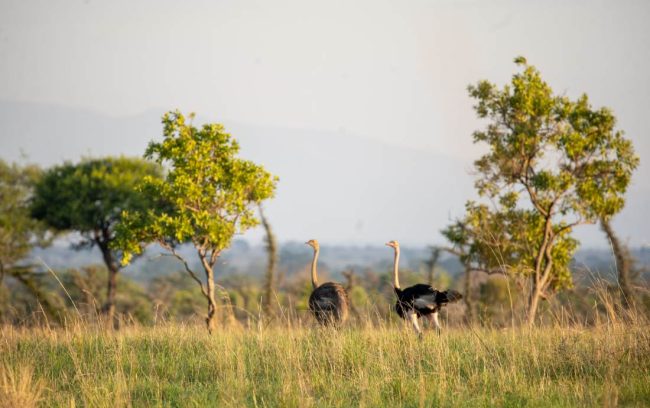
Pian Upe Wildlife Reserve is one of Uganda’s most fascinating destinations for travellers seeking an authentic African wilderness experience. Located in the semi-arid landscapes of the Karamoja sub-region in northeastern Uganda, the reserve features vast grasslands, acacia woodland, rocky hills, seasonal rivers and wetlands that support a remarkable variety of wildlife.
Unlike Uganda’s more established safari destinations, Pian Upe offers a quieter and more adventurous experience. Visitors can explore open plains on game drives, search for rare antelopes, enjoy exceptional birdwatching, photograph dramatic landscapes and learn about the cultural heritage of communities living around the reserve.
For travellers planning a Uganda safari, Pian Upe is an excellent destination to consider alongside Mount Elgon, Sipi Falls, Moroto and Kidepo Valley National Park.
Where Is Pian Upe Wildlife Reserve Located?
Pian Upe Wildlife Reserve is situated in northeastern Uganda, within the Karamoja region. It lies north of Mount Elgon National Park and stretches across a broad landscape of savannah, woodland, rocky outcrops and seasonal wetlands.
The reserve is known for its remote setting and expansive scenery. Its relatively low visitor numbers make it attractive to travellers who prefer peaceful wildlife encounters away from busy safari circuits.
Pian Upe can be incorporated into an eastern Uganda itinerary or a longer journey through Karamoja. Visitors travelling from Kampala commonly approach via Jinja and Mbale before continuing north towards the reserve.
What Makes Pian Upe Wildlife Reserve Special?
Pian Upe stands out because of its combination of wildlife, semi-arid scenery and cultural heritage. The reserve protects important habitats for species that are less frequently encountered in Uganda’s more forested and wetter national parks.
Its major attractions include:
- Rare antelopes: The reserve is known for roan antelope, along with eland, oribi, hartebeest and other grazing species.
- Cheetah sightings: Pian Upe is one of Uganda’s notable destinations for travellers hoping to see cheetahs, although sightings are never guaranteed.
- Nubian giraffes: Giraffes are an important part of the reserve’s conservation and wildlife-restoration story.
- Outstanding birdwatching: The grasslands and nearby wetlands support a variety of savannah and wetland birds, including species of particular interest to birders.
- Open wilderness: Wide horizons, rocky hills and uncrowded game-viewing tracks create a different atmosphere from Uganda’s forest and woodland parks.
The reserve is also important for conservation and the restoration of wildlife populations and habitats in the Karamoja landscape.
Wildlife in Pian Upe Wildlife Reserve
Wildlife viewing is one of the main reasons to visit Pian Upe. The reserve supports a range of mammals adapted to its open grasslands, scattered woodland and seasonal water sources.
Roan Antelope
Roan antelope is one of Pian Upe’s most important wildlife attractions. These large antelopes are known for their distinctive facial markings, long ears and impressive curved horns. Pian Upe is particularly significant because it protects Uganda’s only remaining herd of roan antelope.
Seeing them in their natural habitat can be a highlight of a safari.
Cheetahs
Pian Upe is recognised as an important habitat for cheetahs in Uganda. These fast-running predators favour open landscapes where they can scan for prey and use their speed during a hunt.
Cheetahs are elusive, so visitors should approach game drives with patience and realistic expectations. Travelling with a knowledgeable guide can improve the chances of locating wildlife.
Nubian Giraffes
Nubian giraffes are another major conservation attraction in Pian Upe. Their tall silhouettes stand out against the reserve’s expansive plains and surrounding hills.
Giraffe sightings offer excellent photography opportunities, especially during the early morning when the light is soft and the landscape is relatively cool.
Other Mammals
Depending on the season and location, visitors may encounter:
- Eland
- Hartebeest
- Oribi
- Zebra
- Uganda kob
- Waterbuck
- Buffalo
- Warthogs
- Baboons and other smaller mammals
Leopards and other elusive predators may also occur in the reserve, but sightings are not assured. Pian Upe is best approached as a wilderness destination rather than a place where every animal can be guaranteed.
Best Things to Do in Pian Upe Wildlife Reserve
1. Game Drives
Game drives are among the best ways to explore Pian Upe. The reserve’s open plains and grassland tracks offer opportunities to search for antelopes, giraffes, zebras, buffaloes and predators.
Morning drives provide cooler conditions and attractive light for photography. Afternoon drives can also be rewarding, particularly when wildlife becomes active as temperatures begin to fall.
A four-wheel-drive vehicle is strongly recommended because some tracks are rough and may become difficult to navigate after rain. Visitors should follow the guidance of Uganda Wildlife Authority rangers and their safari guides.
2. Birdwatching
Pian Upe is a rewarding destination for birdwatchers interested in dry-country species and the birds of northeastern Uganda.
The reserve’s varied habitats support raptors, ground-dwelling birds, savannah specialists and species associated with wetlands. Nearby Lake Opeta and its surrounding wetland habitats add another dimension to birding in the wider area.
Birding highlights can include Fox’s weaver, ostriches and a variety of other grassland and wetland species. Sightings depend on habitat conditions, season and the locations visited.
Birdwatchers should bring binoculars, a field guide or bird identification app, a camera and plenty of drinking water.
3. Nature Walks With a Ranger
Guided nature walks offer a closer look at Pian Upe’s landscape, plants, tracks and smaller wildlife. Walking can reveal details that are easy to miss from a vehicle, including animal footprints, insects, bird calls and the structure of the grassland ecosystem.
For safety, visitors should only walk in approved areas with an authorised ranger. Do not approach wildlife on foot independently.
4. Wildlife and Landscape Photography
The reserve’s open horizons, changing light, rocky hills and scattered acacia trees provide excellent opportunities for landscape photography.
Wildlife photographers can focus on giraffes, antelopes, birds and other animals encountered during game drives. Early morning and late afternoon are particularly attractive for soft light and dramatic skies.
A telephoto lens is useful for wildlife, while a wide-angle lens can capture the scale of the landscape. Visitors should never leave a vehicle or approach animals simply to obtain a photograph.
5. Cultural Experiences in Karamoja
A visit to Pian Upe can also provide opportunities to learn about the traditions and everyday lives of communities in Karamoja, including Karamojong pastoralist communities.
Depending on local arrangements, visitors may be able to participate in community visits, learn about livestock traditions, hear local stories or purchase locally made crafts.
Cultural experiences should be organised respectfully through trusted local guides or community operators. Always ask permission before photographing people, homes or cultural activities, and respect any restrictions communicated by local hosts.
6. Explore the Wider Karamoja Region
Pian Upe is a useful starting point for exploring northeastern Uganda. Travellers can combine the reserve with visits to Moroto, Mount Kadam, Mount Elgon and Sipi Falls, depending on their route and available time.
Those planning a longer wildlife circuit may also consider travelling north towards Kidepo Valley National Park. This combination offers a broader understanding of Uganda’s landscapes, wildlife and cultural diversity.
Birding Around Lake Opeta
Lake Opeta and its surrounding wetlands are important additions to a Pian Upe birding itinerary. The wetland environment contrasts with the reserve’s dry grasslands and attracts birds that depend on marshes, shallow water and seasonally flooded habitats.
Birdwatchers may look for wetland specialists and species such as the shoebill, although sightings should never be treated as guaranteed. The Fox’s weaver is another notable bird associated with this part of Uganda.
Serious birders should allow enough time to explore different habitats and consider arranging a specialist local guide who knows the seasonal movements and preferred locations of target species.
Best Time to Visit Pian Upe Wildlife Reserve
The best time to visit depends on whether your main interest is wildlife viewing, birdwatching, photography or green-season scenery.
Dry Season
The drier months, generally December to March and June to September, are often favourable for game drives. Grass may be shorter, visibility can improve and some wildlife becomes easier to locate around remaining water sources.
Road conditions are also usually more manageable than during periods of heavy rain, although conditions vary from year to year.
Rainy Season
Rain brings greener scenery and can improve birding opportunities as seasonal habitats change. However, some tracks may become muddy or impassable, and wildlife can be more dispersed across the landscape.
Travellers visiting during wetter periods should check road conditions in advance and use a suitable four-wheel-drive vehicle.
Travel tip: If this is your first visit and wildlife viewing is your priority, consider the drier months and allow enough time for more than one game drive.
How to Get to Pian Upe Wildlife Reserve
From Kampala
The journey from Kampala is long and is commonly made by road via Jinja and Mbale before continuing north towards Pian Upe. Depending on the route, road conditions, traffic and exact entry point, the journey can take around seven to nine hours or longer.
For a more comfortable trip, consider breaking the journey with an overnight stay around Mbale or Sipi Falls.
From Mbale
Mbale is a convenient southern approach to Pian Upe. From there, visitors continue north towards the reserve using the relevant access route and entry point.
The drive time depends on where you intend to enter and the condition of the roads and reserve tracks.
From Moroto
Moroto is a useful base for travellers exploring Karamoja. Visitors can travel south towards the reserve and arrange access according to their itinerary and accommodation location.
By Air
Chartered or suitable light-aircraft arrangements may be possible for some itineraries. Availability, landing arrangements and transfers should be confirmed with the relevant operator before travel.
Because the reserve is remote, it is advisable to arrange transport, park access, accommodation and guiding in advance rather than relying on last-minute services.
Accommodation in Pian Upe Wildlife Reserve
Accommodation options around Pian Upe are more limited than in Uganda’s established safari parks. Travellers should choose their lodging based on comfort preferences, budget and the route they plan to follow.
Uganda Wildlife Authority Bandas and Campsites
The Uganda Wildlife Authority has provided basic accommodation and camping facilities in the reserve area. These can appeal to travellers who prioritise proximity to wildlife and a simple outdoor experience.
Facilities, availability and booking arrangements should be confirmed before arrival. Visitors staying in basic facilities or campsites should ask in advance about meals, drinking water, electricity and other essentials.
Tented Camps and Private Accommodation
Tented accommodation and other private options may be available in or around the reserve. Standards and services vary, so confirm the exact location, room facilities, meal arrangements and transport access before paying a deposit.
Accommodation in Nearby Towns
Travellers who prefer to stay outside the reserve can consider accommodation in nearby towns, depending on their route. Mbale and Moroto may be practical bases for broader itineraries, although travel times should be considered when planning morning game drives.
Booking advice: Confirm accommodation directly with the provider or through your tour operator, especially during peak travel periods. Do not assume that every property or facility is open year-round.
Pian Upe Wildlife Reserve Entrance Fees and Permits
Visitors should budget for reserve entry, vehicle charges where applicable, guiding and any separately charged activities. Accommodation, meals, transport and specialist excursions may also be charged independently.
Entrance fees can differ according to visitor category, and official tariffs may change between periods. For this reason, we recommend confirming the current rates with the Uganda Wildlife Authority or your safari operator before travel rather than relying on an old online fee table.
When making an enquiry, confirm:
- The applicable entry fee for each traveller
- Any vehicle or game-drive charges
- Ranger or guide fees
- Fees for walking, birding or other activities
- Accommodation and camping charges
- Accepted payment methods and booking requirements
Advance planning helps prevent unexpected costs, particularly for travellers combining Pian Upe with several destinations in eastern or northeastern Uganda.
Rules and Responsible Tourism in Pian Upe
Pian Upe is a protected wildlife area, and visitors play an important role in safeguarding its habitats and animals.
Follow these guidelines during your visit:
- Follow all instructions from Uganda Wildlife Authority rangers and authorised guides.
- Stay on designated roads and tracks unless an authorised activity permits otherwise.
- Never approach, feed, chase or attempt to touch wild animals.
- Do not walk through wildlife areas without an authorised ranger.
- Avoid excessive noise and respect other visitors.
- Do not litter, remove plants or disturb nests, animal tracks or other natural features.
- Ask permission before photographing community members.
- Respect local customs and support community enterprises responsibly.
- Use water and other resources carefully, especially in dry conditions.
- Check current access restrictions, weather conditions and safety guidance before departure.
Responsible tourism helps protect wildlife while supporting the communities connected to the reserve.
Suggested 3-Day Pian Upe Wildlife Safari Itinerary
A three-day visit gives travellers more time to explore the reserve than a quick stopover. The following is a suggested itinerary; the exact schedule should be adapted to road conditions, accommodation and wildlife activity.
Day 1: Kampala to Mbale or Pian Upe
Depart Kampala early and travel east through Jinja towards Mbale. Depending on your pace and arrangements, continue towards the reserve or overnight in the Mbale area.
Enjoy the changing scenery as you leave the busier towns behind and enter eastern Uganda’s more open landscapes.
Overnight: Mbale or pre-arranged accommodation near the reserve.
Day 2: Game Drives and Birdwatching in Pian Upe
After an early breakfast, travel into the reserve for a guided game drive. Search for roan antelope, giraffes, eland, zebra and other wildlife while learning about the ecology and conservation of the area.
After a break, continue exploring selected tracks or arrange a birding excursion with a knowledgeable guide. The day’s sightings will depend on weather, season and animal movements.
Overnight: Pre-booked accommodation in or near the reserve.
Day 3: Morning Wildlife Viewing and Departure
Start with an early game drive or an authorised guided activity. The cooler morning hours can be rewarding for wildlife observation and photography.
After breakfast, begin the return journey or continue to another destination in eastern Uganda or Karamoja.
Travellers with additional time can extend their itinerary to include Sipi Falls, Mount Elgon, Moroto or Kidepo Valley National Park.
What to Pack for a Pian Upe Safari
Pian Upe’s open landscape and remote location make practical preparation important.
Pack the following:
- Lightweight, neutral-coloured clothing
- Comfortable walking shoes or hiking boots
- A hat, sunglasses and sunscreen
- Insect repellent
- Binoculars and a camera
- Reusable drinking-water bottles and adequate water supplies
- Personal medication and a basic first-aid kit
- A light jacket for cool mornings and evenings
- Snacks and other essentials if staying at basic facilities
- A power bank and spare camera batteries
- A bird field guide if birdwatching is a priority
During the rainy season, carry waterproof clothing and confirm that your vehicle and route are suitable for the conditions.
Why Include Pian Upe in Your Uganda Safari?
Pian Upe offers a different perspective on Uganda. Rather than focusing only on gorilla trekking or the classic savannah parks, a visit introduces travellers to the wide-open landscapes and distinctive wildlife of Karamoja.
It is especially appealing to adventurous travellers, photographers, birdwatchers and visitors interested in lesser-known conservation areas. It can also add variety to an itinerary that includes Mount Elgon, Sipi Falls or Kidepo Valley National Park.
The reserve’s remote character means that visitors should be prepared for basic infrastructure, longer road journeys and wildlife sightings that require patience. For travellers who appreciate these qualities, Pian Upe can be a memorable part of an East African adventure.
Plan Your Pian Upe Wildlife Safari With Epic Uganda Vacation
Epic Uganda Vacation can help you plan a Uganda itinerary that combines Pian Upe Wildlife Reserve with other destinations according to your travel dates, interests and budget.
Whether you are interested in wildlife viewing, birdwatching, photography or a broader journey through eastern Uganda and Karamoja, a well-planned itinerary can help you make the most of your time.
Contact our team through the Epic Uganda Vacation contact page to discuss your preferred travel dates, accommodation requirements and safari plans.
Frequently Asked Questions About Pian Upe Wildlife Reserve
1. Where is Pian Upe Wildlife Reserve?
Pian Upe is located in northeastern Uganda, in the Karamoja sub-region, north of Mount Elgon National Park.
2. What animals can I see in Pian Upe?
Wildlife includes roan antelope, eland, oribi, hartebeest, zebra, giraffes and other mammals. Cheetahs and leopards may also be present, but sightings are not guaranteed.
3. Is Pian Upe worth visiting?
Yes. It is a good choice for travellers seeking remote landscapes, less-visited wildlife areas, birdwatching and cultural experiences. Visitors should be comfortable with long drives and relatively basic facilities.
4. How many days do I need in Pian Upe?
Two to three days is a useful starting point, especially if you want several game drives and time for birdwatching. Longer stays may suit photographers and specialist birders.
5. What is the best time to visit Pian Upe?
The drier periods, generally December to March and June to September, are often favourable for wildlife viewing and road access. The best conditions vary by year, so check local weather and track conditions before departure.
6. Can I see cheetahs in Pian Upe?
Cheetahs are associated with Pian Upe and are a major attraction. However, they are wild animals, and sightings depend on their movements, the season and the time spent searching.
7. Is a 4×4 vehicle necessary?
A capable four-wheel-drive vehicle is strongly recommended because access roads and game-viewing tracks can be rough. During wet conditions, some routes may become difficult or impassable.
8. Are there accommodation facilities in Pian Upe?
Basic accommodation and camping options have been available in the reserve area, alongside private and town-based alternatives. Confirm current availability, facilities and booking conditions before travelling.
9. Can I combine Pian Upe with Kidepo Valley National Park?
Yes. Both destinations can be included in a longer northeastern Uganda safari. Allow sufficient time for the road journey and confirm the route and accommodation before departure.
10. Do I need to book a guide for Pian Upe?
A knowledgeable guide is strongly recommended for wildlife viewing, birdwatching and understanding the reserve. Some activities require authorised ranger accompaniment, so confirm the rules for your planned activities before arrival.