Who Were the Polish Refugees Who Built a Church in Masindi, Uganda?
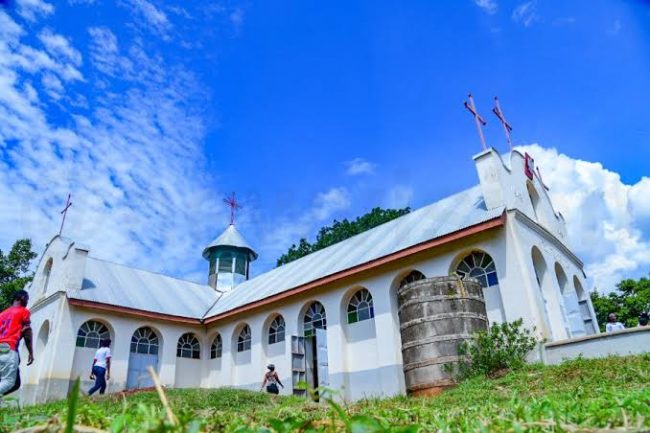
Near the edge of Budongo Forest, approximately 35 kilometres from Masindi town in western Uganda, stands a remarkable historical landmark: Our Lady Queen of Poland Catholic Church, also known as St Mary Nyabyeya Catholic Church.
The church tells the story of Polish refugees who found shelter in Uganda during the Second World War. Far from their homeland, these displaced families established a settlement, built a community and created a place of worship that continues to serve local people today.
Built between 1943 and 1945, the church is one of the most distinctive reminders of the Polish refugee settlement at Nyabyeya. Its history connects Uganda with Poland through a story of displacement, faith, resilience and cultural heritage.
Who Were the Polish Refugees in Uganda?
The Polish refugees who settled near Masindi were civilians displaced by the Second World War, including women, children and elderly people.
After the Soviet Union invaded eastern Poland in 1939, many Polish citizens were forcibly deported to remote parts of the Soviet Union. Following an agreement between the Polish government-in-exile and the Soviet Union in 1941, many deportees were released. Some subsequently travelled through Iran and were evacuated to British-controlled territories in Africa and other parts of the world.
Uganda became one of the places where Polish refugees found temporary shelter. During the early 1940s, thousands arrived and settled in communities established by the British colonial administration.
Two important Polish refugee settlements were established in Uganda: Nyabyeya, near Masindi in western Uganda, and Koja, in present-day Mukono District.
The Nyabyeya settlement developed into a substantial community, with homes, schools, a hospital, workshops and other facilities. The refugees sought to rebuild everyday life while preserving their language, culture and Catholic faith.
Why Did the Polish Refugees Build a Church in Masindi?
For the Polish refugees, religion was an important source of comfort and continuity during a period of profound uncertainty.
Having left their homeland under traumatic circumstances, they found themselves living thousands of kilometres from Poland, unsure when they would be able to return. Many were practising Catholics who wanted a permanent place where the community could gather for prayer and religious celebrations.
Before the church was constructed, refugees reportedly gathered outdoors to pray. They eventually established a more permanent place of worship dedicated to the Blessed Virgin Mary, Queen of the Polish Crown.
Construction took place between 1943 and 1945. Historical accounts describe the involvement of Polish women refugees, who played a major role in building the church, including making bricks and undertaking practical construction work.
The building became more than a religious structure. It represented the community’s determination to preserve its identity and faith while adapting to life in Uganda.
The story is particularly remarkable because women and children formed a substantial proportion of the refugee population, while many able-bodied Polish men were away serving in the war.
For more historical detail, read The Observer’s account of the Polish church built largely by women in Masindi.
Our Lady Queen of Poland Catholic Church: A Lasting Heritage Site
Today, the historic church is commonly known as St Mary Nyabyeya Catholic Church. It stands near Nyabyeya Forestry College and continues to serve the local Catholic community.
Although the building has undergone some maintenance over the years, it retains features that distinguish it from many other churches in Uganda.
Polish inscriptions and religious symbols
The church preserves visible reminders of its Polish origins. Above the entrance is the Polish coat of arms, accompanied by the Latin motto Poloniae semper Fidelis, meaning “Poland is always faithful.”
An inscription commemorates the Polish exiles who built the church while longing for a free homeland. Polish religious traditions are also reflected in the church’s interior decorations.
The icon of Our Lady of Częstochowa
Inside the church is an icon of Our Lady of Częstochowa, one of the most important religious images in Polish Catholic tradition.
Its presence reflects the refugees’ determination to maintain a connection with their homeland and spiritual heritage, even while living in exile.
Traditional craftsmanship
The church is also notable for its wooden pews, handmade floor bricks and religious artwork. A large wooden figure of Jesus is among the features described in historical accounts of the building.
Together, these details make the church an important destination for visitors interested in religious architecture, Polish history and Uganda’s cultural heritage.
What Happened to the Polish Refugees After the War?
The Polish settlement at Nyabyeya did not become a permanent Polish town.
As the war ended and circumstances changed, the refugee settlement eventually closed. Many former residents moved to countries including the United Kingdom, Canada and Australia, while others pursued different destinations.
Some refugees never returned to Poland. The graves of those who died in Uganda remain part of the historical legacy of the settlement.
The church survived the departure of its original congregation. Rather than becoming an abandoned relic, it continued to serve local residents, preserving a connection between the former refugee community and the people of Nyabyeya.
This enduring presence is an important part of the site’s significance: a building established by displaced Europeans became a lasting place of worship in western Uganda.
The Polish Refugee Cemetery at Nyabyeya
A short distance from the church is a cemetery where Polish refugees who died during their stay in Uganda were buried.
Historical reports record more than 40 graves at the site. The cemetery provides a solemn reminder of the hardships faced by refugees adapting to a tropical environment far from home.
Illness and other difficulties claimed lives during the settlement years, and not everyone who arrived in Uganda lived to see the end of the war.
The cemetery has received restoration support, including work associated with Polish heritage preservation initiatives. It remains an important place of remembrance for descendants and visitors interested in the history of Polish refugees in East Africa.
The church and cemetery together offer a more complete understanding of the settlement: one reflects the community’s faith and hope, while the other commemorates those who never returned home.
How Did the Polish Refugees Contribute to the Nyabyeya Community?
The refugees established much more than a church. The Nyabyeya settlement developed facilities that included schools, a hospital, workshops and other community infrastructure.
The refugees also brought practical skills in areas such as carpentry, agriculture and craftsmanship. Their activities formed part of the settlement’s daily life and contributed to its development during the years they lived there.
The buildings and other remnants of the settlement are reminders of how displaced people organised themselves under difficult circumstances.
The history also reflects Uganda’s role as a place of refuge for people fleeing conflict. The Polish experience is one example of the country’s longer history of hosting displaced communities.
Where Is the Polish Church in Masindi?
The church is located at Nyabyeya, in Masindi District, western Uganda, near Nyabyeya Forestry College and the edge of Budongo Forest.
It is approximately 35 kilometres from Masindi town, although the journey time depends on road and traffic conditions.
Visitors exploring the wider region can combine the church with other attractions around Masindi, including Budongo Forest and Murchison Falls National Park.
Because the church is an active place of worship and may not always be open to visitors, it is advisable to arrange access in advance through the local parish or relevant heritage contacts.
Can You Visit the Polish Church on a Uganda Safari?
Yes. The historic church can be included in a cultural and historical excursion around Masindi.
It is particularly interesting for travellers who want to learn about Uganda beyond its wildlife attractions. The visit provides an opportunity to explore the country’s connections with Europe during the Second World War and to understand how a displaced community left a lasting mark on the local landscape.
A visit can also be combined with nature-based experiences in the surrounding region.
For example, travellers may explore Budongo Forest, known for forest birding and chimpanzee experiences, or continue towards Murchison Falls National Park for game drives, boat cruises and wildlife viewing.
The exact itinerary depends on available time, access arrangements and the traveller’s interests.
Responsible Visiting and Preserving the Site
The church remains a place of worship, and the cemetery is a place of remembrance. Visitors should dress respectfully, ask permission before photographing people or religious activities, and follow local guidance.
Avoid disturbing graves or touching historic objects unnecessarily. If you would like to learn more about the church’s history, a local guide or parish representative may be able to provide additional context.
Responsible visits help preserve the site’s religious importance while allowing more people to appreciate its historical significance.
Explore Uganda’s History With Epic Uganda Vacation
The Polish church at Nyabyeya is an unusual but meaningful part of Uganda’s heritage. It tells the story of people who were forced to leave their homeland, found temporary refuge near Masindi and built a church that continues to stand decades later.
For travellers interested in history, culture, nature and wildlife, Nyabyeya offers an opportunity to discover a different side of western Uganda.
At Epic Uganda Vacation, we can help organise a tailor-made Uganda itinerary that combines cultural heritage with destinations such as Budongo Forest and Murchison Falls National Park.
Contact Epic Uganda Vacation to discuss adding the Polish church and other historical experiences to your Uganda journey.
Frequently Asked Questions About the Polish Church in Masindi
Who built the Polish church in Masindi, Uganda?
Polish refugees who settled at Nyabyeya during the Second World War built Our Lady Queen of Poland Catholic Church between 1943 and 1945. Historical accounts describe Polish women as playing a major role in its construction.
Why did Polish refugees come to Uganda?
Many were civilians displaced by the Second World War, including people who had been deported to the Soviet Union. Following their release and evacuation through Iran, thousands of Polish refugees were resettled in British-controlled territories, including Uganda.
What is the church called today?
The historic building is known as Our Lady Queen of Poland Catholic Church and is also called St Mary Nyabyeya Catholic Church.
Where is Nyabyeya Polish Church located?
It is in Nyabyeya, Masindi District, western Uganda, near Nyabyeya Forestry College and Budongo Forest, approximately 35 kilometres from Masindi town.
Is the Polish church still in use?
Yes. The church continues to serve the local Catholic community, although visitors should arrange access in advance.
Is there a Polish cemetery near the church?
Yes. A nearby cemetery contains the graves of Polish refugees who died while living in Uganda during the settlement years.
Can I visit the church during a Murchison Falls safari?
Yes. It may be possible to include Nyabyeya in a cultural excursion around Masindi before or after visiting Murchison Falls National Park, depending on your route and schedule.
Suggested internal links
Add these links naturally to the article to strengthen the site’s Uganda travel content: