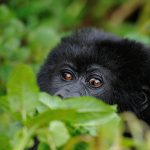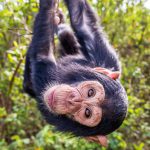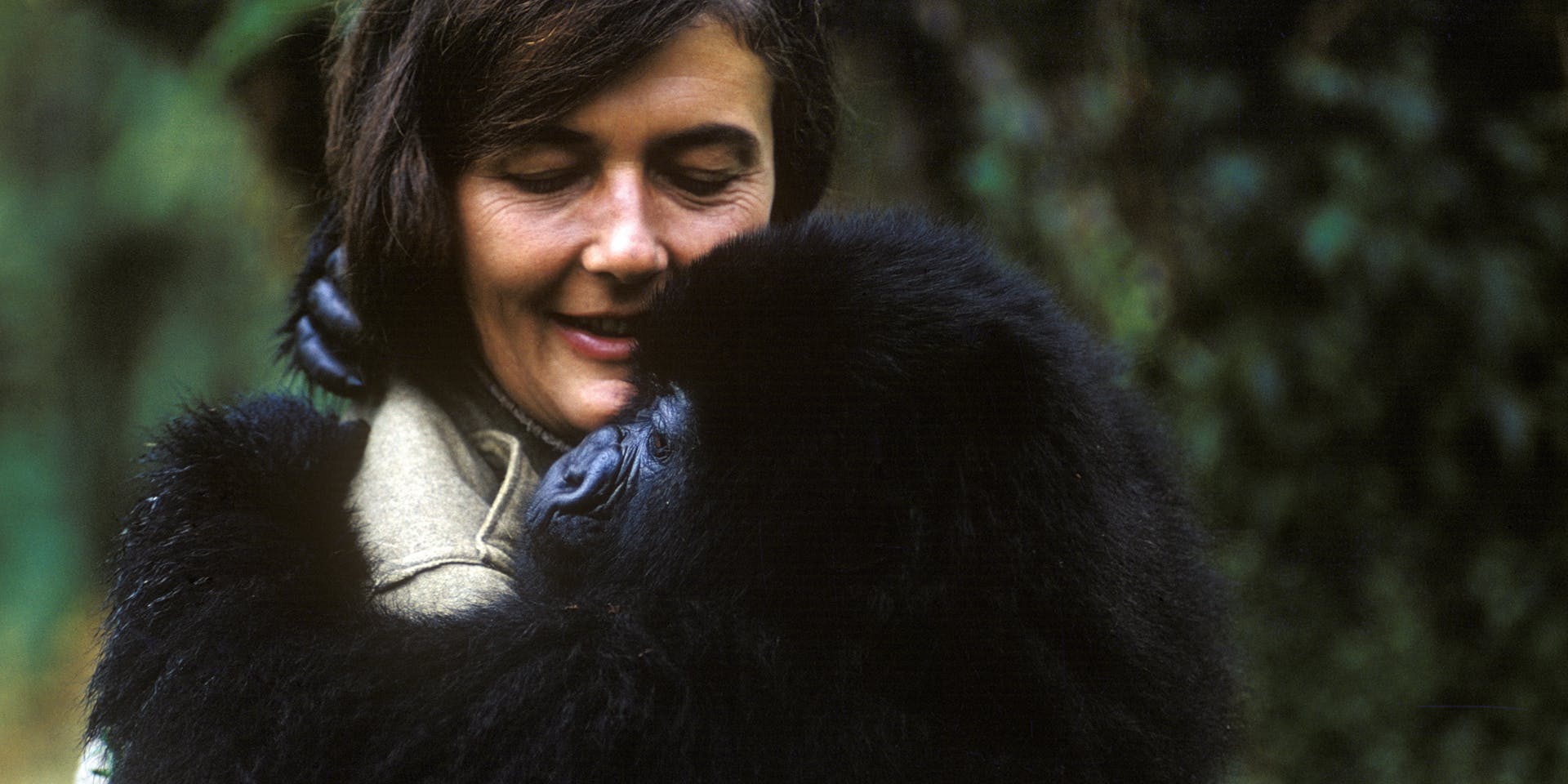
Gorilla trekking in Uganda is one of the most extraordinary wildlife experiences available, offering a unique opportunity to observe the critically endangered mountain gorillas in their natural habitat. However, timing your trip is crucial to ensure an enjoyable and comfortable experience. This article explores the best times for gorilla trekking in Uganda, considering weather conditions, trekking accessibility, and the overall experience.
Gorilla Trekking in Uganda
Uganda is home to approximately half of the world’s remaining mountain gorillas, primarily located in Bwindi Impenetrable National Park and Mgahinga Gorilla National Park. The diversity of Uganda’s landscapes plays a significant role in the trekking experience, allowing visitors to connect deeply with nature while observing these magnificent creatures.
Factors Influencing the Best Time for Gorilla Trekking in Uganda
When planning your gorilla trekking adventure, several factors should be taken into account:
Weather Conditions
Uganda has a tropical climate characterized by two major rainy seasons and two dry seasons. The weather can significantly affect the accessibility of trekking routes and the overall experience.
Dry Seasons (Mid-December to February and June to September)
This period is often considered one of the best times for gorilla trekking. The trails are relatively dry, making treks easier and more enjoyable. This time is also when many baby gorillas are born, providing a chance to see playful infants with their families. The dry trails allow for easier movement, and there are fewer obstacles in your path. Wildlife is also more easily spotted during these months, but it can be crowded.
Rainy Seasons (March to May and October to November)
These months experience heavy rain, making the trails muddy and challenging. Trekking can be more difficult, but the forest is lush and vibrant, offering unique beauty and opportunities for photography.
Trekking Accessibility
Access to gorilla families can vary based on weather conditions. During the rainy season, certain tracks may become impassable, causing trekkers to experience longer hikes as they navigate around obstacles. In contrast, the dry season offers more accessible routes, enhancing the overall trekking experience.
Tourist Volume
Choosing the right time can also affect how crowded the trekking experience feels. Peak seasons, while offering great weather, can be busy, with bookings for permits often filling up months in advance. If you prefer a quieter experience, consider traveling during the shoulder months of the rainy season.
Monthly Breakdown for Best Times for Gorilla Trekking
January to February
Pros:
- Less rainfall compared to other months, resulting in drier trails.
- Baby gorillas are often born, making for delightful observations.
- Fewer tourists than during the summer months.
Cons:
- Accommodations may still be in high demand, so early booking is necessary.
June to September
Pros:
- Optimal weather for trekking with generally dry conditions.
- The chance to see various wildlife, including birds and plants in bloom.
- More organized tours and activities available due to peak tourist season.
Cons:
- Higher influx of tourists, which can lead to booked-out permits and accommodations.
- Slightly higher prices due to demand.
March to May
Pros:
- Lush, green landscapes that are stunning for photography.
- Few tourists, allowing for a more intimate wildlife experience.
- Ideal for birdwatching as many migratory species are present.
Cons:
- Heavy rainfall can result in slippery and challenging trails.
- Accessibility issues may arise, possibly leading to longer trekking times.
October to November
Pros:
- Similar to the March-May period, this time also offers less crowded trails.
- Opportunities for photography with vibrant foliage after the rains.
- Possibility of exciting wildlife interactions due to fewer tourist disturbances.
Cons:
- Some trails may still be muddy and challenging.
- Weather can be unpredictable with sporadic rain.
Practical Tips for Trekking During Different Seasons
Gear Up for Rain: If you are trekking during the rainy season, ensure you have waterproof gear, sturdy hiking boots, and gaiters to keep your feet dry.
Prepare for Muddy Trails: Expect muddy and slippery conditions in the rainy season, and consider bringing trekking poles for added stability.
Book in Advance: Regardless of when you choose to go, securing your gorilla trekking permits and accommodations in advance is essential. Permits are limited and sell out quickly during peak seasons.
Stay Flexible: Weather can change, especially in tropical regions. Be prepared for changes in your itinerary and listen to locals about trail conditions and safety.
Consider Guided Tours: Joining a guided group can provide extra support and insight into the region’s biodiversity, making for a more enriching experience.
Book your gorilla Safari with us now and create everlasting memories
Gorilla trekking in Uganda is a breathtaking adventure that offers unforgettable encounters with one of the world’s most fascinating creatures. The best time to visit depends on your preferences for weather, crowd levels, and the overall experience you desire. Each season brings its unique appeal, from the vibrant green landscapes after the rains to the easier trekking conditions during the dry months.
By understanding the nuances of Uganda’s climate and planning accordingly, you can maximize your gorilla trekking experience and create lasting memories. Whether you choose the lively seasons of mid-December to February or the quieter months of March to May and October to November, the chance to connect with majestic mountain gorillas is an experience of a lifetime. So pack your gear, secure your permits, and prepare for a thrilling adventure into the heart of Uganda’s wilderness.