The Ultimate Guide to Pangolin Species: Conservation and Wildlife Facts
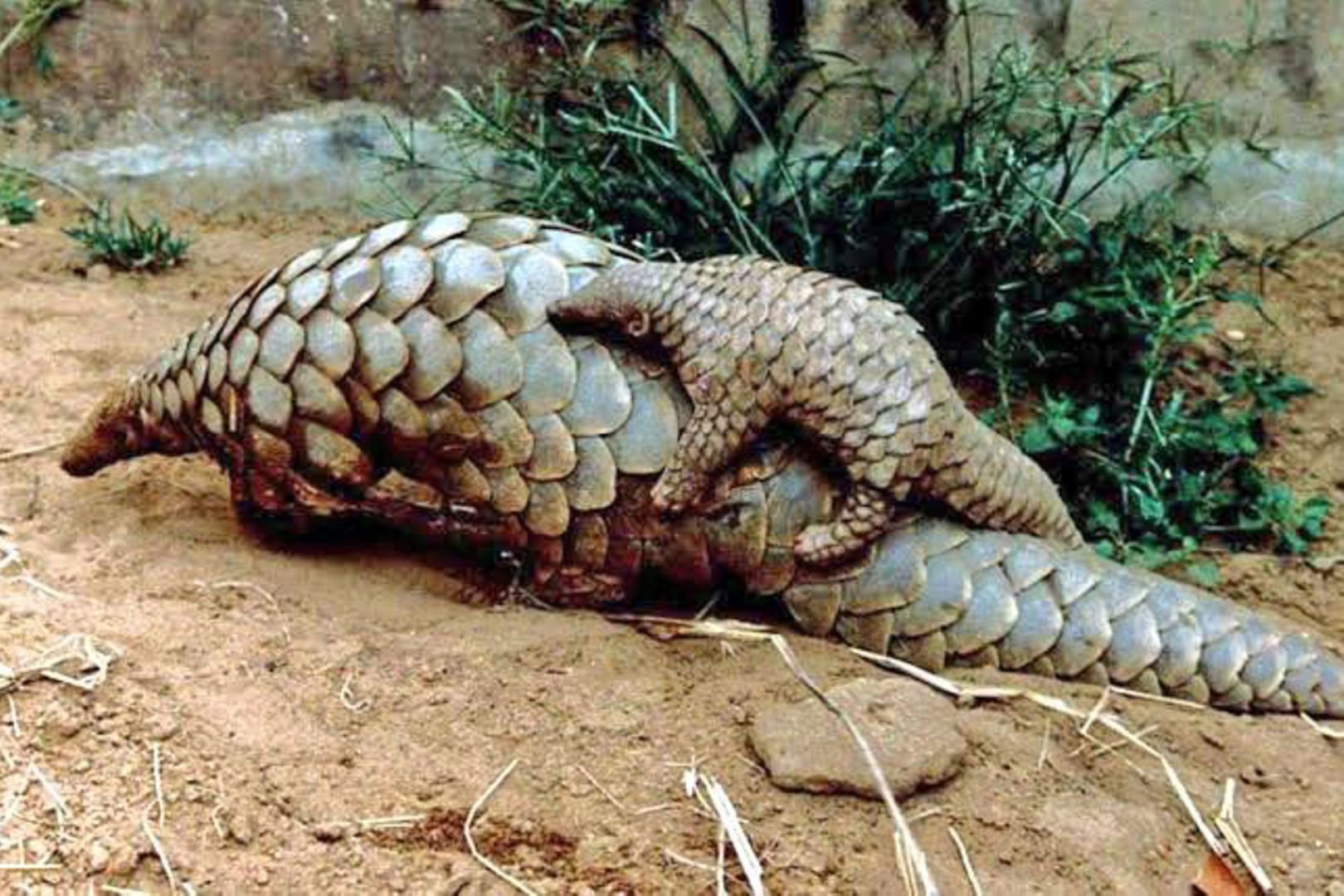
Pangolins, frequently referred to as “scaly anteaters,” are unique mammals recognized for their distinctive appearance and specialized diet consisting of ants and termites. Currently, eight species of pangolins are distributed across Africa and Asia. Each species is characterized by remarkable adaptations which have been developed for survival in their respective habitats. Unfortunately, significant threats are faced by these creatures, including habitat loss and the illegal wildlife trade. Consequently, population declines are being observed across their entire range.
Conservation efforts are considered crucial to protect these unique mammals. By raising awareness and supporting conservation initiatives, the safeguarding of pangolins for future generations can be achieved. For those interested in seeing these elusive animals in their natural habitat, specific wildlife adventure holidays offer opportunities to explore the diverse ecosystems of East Africa.
African Pangolin Species
The African continent is inhabited by four distinct species, ranging from the deep forests of West Africa to the expansive savannas of the East.
-
Black-Bellied Pangolin (Phataginus tetradactyla): This species is primarily found in West and Central Africa. It is easily recognized by its black underside and dark scales. Furthermore, forested habitats are preferred by this arboreal mammal.
-
White-Bellied Pangolin (Phataginus tricuspis): Also inhabiting West and Central Africa, this species is distinguished by its white underside. It is known to thrive in densely forested areas.
-
Giant Ground Pangolin (Smutsia gigantea): As the largest of the African pangolin species, it is typically found in savannas and grasslands. It is characterized by its massive size and robust scales.
-
Temminck’s Ground Pangolin (Smutsia temminckii): This species is distributed across Southern and East Africa. It is often encountered during a primate and wildebeest migration safari and is recognized by its smaller stature compared to the Giant Ground Pangolin. To learn more about where these animals can be spotted, you can read more about where to see pangolins in Africa.
Asian Pangolin Species
In Asia, pangolins are found from the Indian subcontinent to the Philippine archipelago.
-
Chinese Pangolin (Manis pentadactyla): Regions of China and Southeast Asia are inhabited by this species. It is recognized by its overlapping scales and is primarily found in forests.
-
Sunda Pangolin (Manis javanica): This mammal is found throughout Southeast Asia, including Indonesia and Thailand. It often inhabits tropical forests and is distinguished by its thick scales.
-
Indian Pangolin (Manis crassicaudata): Native to the Indian subcontinent, this species is known for its robust body. It is typically found in a variety of habitats, including agricultural areas.
-
Philippine Pangolin (Manis culionensis): This species is endemic to the Philippines and is considered one of the rarest pangolins in existence.
Are Pangolins Endemic Species?
Pangolins are not strictly classified as endemic in a general sense because they are distributed across two massive continents. However, specific species within the family exhibit high levels of endemism. For instance, while most species are found across multiple countries, the Philippine Pangolin is found only on select islands.
In contrast, other species are found in broader ranges. African species are distributed from the rainforests of the Congo to the grasslands of East Africa, a region also famous for those looking at where to see mountain gorillas in Rwanda. Similarly, Asian species are spread across the Indian subcontinent and Southeast Asia.
Conservation Status: Are Pangolins Endangered?
According to the IUCN Red List, all eight species of pangolins are classified as threatened with extinction. The gravity of the situation is highlighted by the following classifications:
African Pangolins
-
Black-Bellied & White-Bellied Pangolin: Endangered
-
Giant Ground & Temminck’s Ground Pangolin: Vulnerable
Asian Pangolins
-
Chinese, Sunda, and Philippine Pangolins: Critically Endangered
-
Indian Pangolin: Endangered
Threats and Conservation Efforts
Several critical threats are faced by pangolins today. Habitat loss is driven by deforestation, while the illegal wildlife trade remains the most immediate danger. Scales are frequently used in traditional medicine, and the meat is considered a delicacy in certain cultures. Additionally, climate change is expected to impact their food sources significantly.
To combat these issues, several efforts have been put in place:
-
Legislation: Laws are being implemented to stop trafficking.
-
Habitat Protection: Vital ecosystems are being preserved through initiatives like comprehensive wildlife treks.
-
Public Awareness: Communities are being educated on the ecological importance of these “scaly anteaters.”
In conclusion, pangolins are fascinating creatures that play a vital role in maintaining ecological balance. Because significant threats are faced by all eight species, urgent conservation actions are required. By supporting sustainable tourism and protective legislation, the survival of these remarkable mammals can be ensured for future generations. Through collective effort, a brighter future for the world’s most trafficked mammal can be secured.