How Much Is Gorilla Trekking in Rwanda? 2026 Permit Prices and Safari Costs
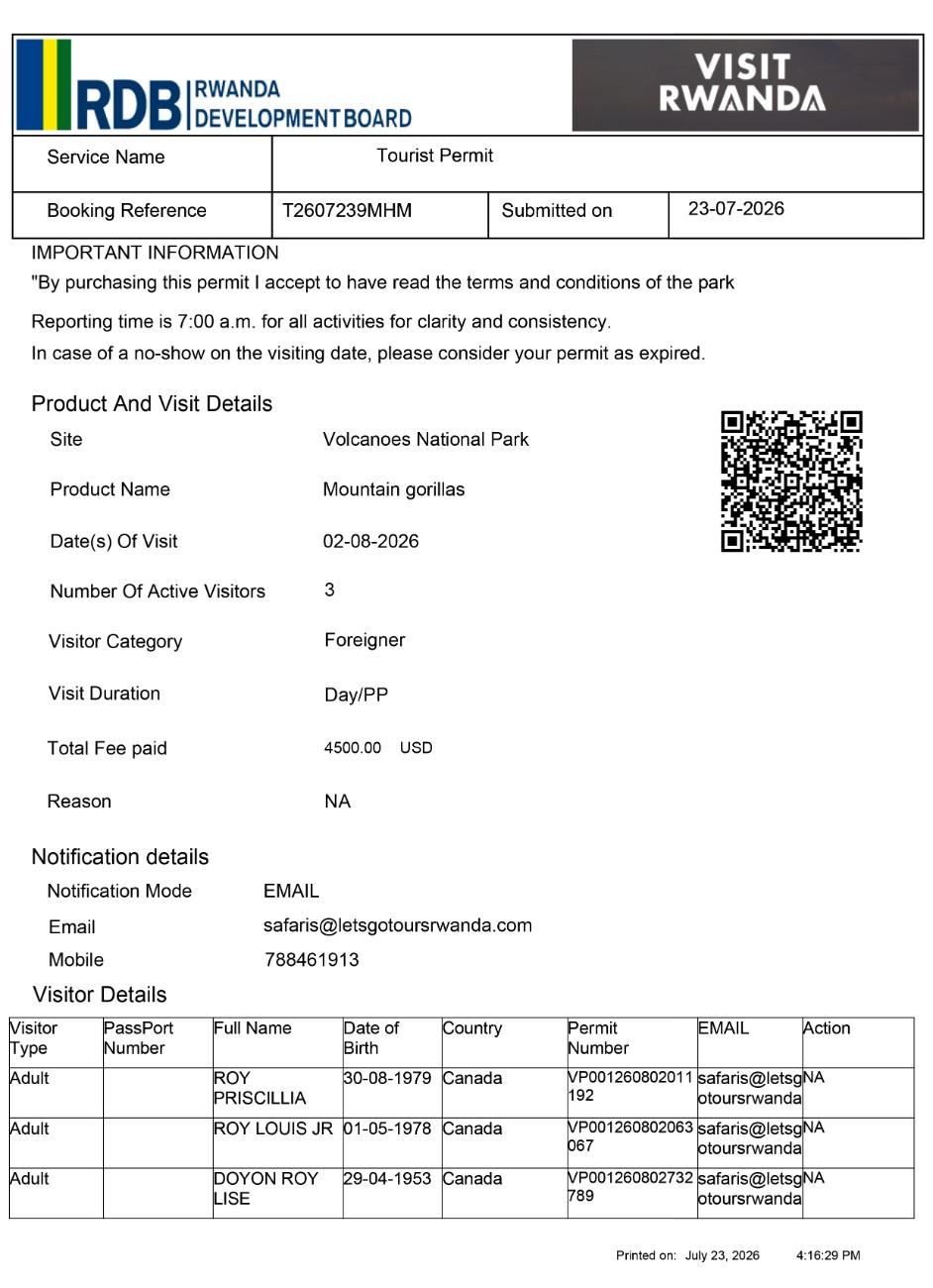
How much is gorilla trekking in Rwanda? A standard mountain gorilla trekking permit for an international non-resident costs US$1,500 per person. Eligible Rwandan citizens and East African Community (EAC) citizens can access promotional permits for US$200 during applicable periods in 2026, while eligible African citizens and foreign residents of African countries can pay US$500. These promotional rates do not apply from June through October 2026. Check the official RDB for the applicable rate and eligibility requirements.
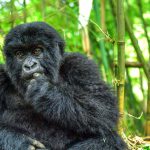
Rwanda is one of Africa’s leading destinations for mountain gorilla trekking, offering visitors the opportunity to observe endangered mountain gorillas in their natural habitat in Volcanoes National Park. Although the permit is a significant expense, the experience also supports wildlife conservation, research, park management, and community development.
If you are planning a Rwanda gorilla safari, understanding the permit price, accommodation expenses, transport costs, and additional activities will help you prepare a realistic budget.
This guide explains the cost of gorilla trekking in Rwanda in 2026, what the permit includes, why trekking is expensive, how to book, and how Rwanda compares with Uganda.
How Much Does a Gorilla Trekking Permit Cost in Rwanda?
The price of a Rwanda gorilla trekking permit depends on your nationality, residency status, and travel dates.
The following table summarizes the standard and promotional rates published by the Rwanda Development Board for 2026.
| Visitor category | Gorilla permit price |
|---|---|
| International non-resident | US$1,500 |
| Eligible foreign resident in Rwanda | US$500 promotional rate |
| Eligible Rwandan citizen | US$200 promotional rate |
| Eligible East African Community citizen | US$200 promotional rate |
| Eligible African citizen or foreign resident in Africa | US$500 promotional rate |
Important: The promotional rates do not apply during June, July, August, September, and October 2026. Eligibility requirements and residency documentation apply to discounted categories. Confirm the exact rate for your travel date with the RDB
A gorilla trekking permit is generally issued for one person and one trekking experience. If you plan to track gorillas on two separate days, you should budget for two permits.
What Is Included in a Rwanda Gorilla Trekking Permit?
A gorilla trekking permit gives you access to the regulated mountain gorilla tracking experience in Volcanoes National Park.
Your permit generally covers:
- One mountain gorilla trekking experience on the booked date.
- Access to an assigned habituated gorilla family.
- The guidance of authorized park guides and tracking personnel as provided under the park’s arrangements.
- A limited period of observing the gorillas once they have been located, subject to park regulations.
The standard gorilla viewing period is approximately one hour after the gorillas are found.
However, the permit does not automatically cover your entire safari. Accommodation, meals, transport from Kigali, optional activities, and personal expenses may be charged separately.
When booking a package with a tour operator, ask for an itemized quotation showing whether the permit, accommodation, transfers, meals, guide services, and other activities are included.
How Much Does a Complete Rwanda Gorilla Safari Cost?
The total cost of gorilla trekking in Rwanda depends on your travel style, group size, accommodation category, and the number of days you spend in the country.
For example, a traveler staying in Kigali and visiting Volcanoes National Park for a short safari will have different expenses from someone booking a multi-day luxury itinerary.
Main expenses to budget for
1. Gorilla trekking permit
For international non-residents, budget US$1,500 per person for the standard permit.
2. Accommodation
Rwanda offers budget guesthouses, midrange hotels, and luxury safari lodges around Musanze and Kinigi. Prices vary by season, room type, meal plan, and availability.
3. Transportation
You will need transport between Kigali and Volcanoes National Park, followed by transfers to the park headquarters for the morning briefing. A private 4×4 safari vehicle offers flexibility, while shared arrangements may reduce costs where available.
4. Meals and refreshments
Depending on your accommodation package, meals may be included or charged separately. Budget for drinking water, snacks, and meals during transfers.
5. Additional activities
You may choose to add golden monkey trekking, the Dian Fossey hike, cultural experiences, or a Kigali city tour.
6. International flights and travel insurance
International airfare, visa-related expenses where applicable, travel insurance, tips, and personal purchases should also be considered when calculating your overall trip budget.
Example budget for a two-day gorilla trekking trip
A short Rwanda gorilla safari can include one night near Volcanoes National Park, private transfers, accommodation, meals, and one gorilla permit.
Rather than relying on a fixed package price that may become outdated, request a quotation based on your dates and accommodation preference. Your final budget will depend on the services included and whether you are traveling alone, as a couple, or in a group.
Why Is Gorilla Trekking in Rwanda So Expensive?
Mountain gorilla trekking is a premium wildlife experience, and Rwanda regulates visitor access to protect the animals and their habitat.
Several factors contribute to the cost.
1. Mountain gorilla conservation
Mountain gorillas require continued protection from habitat loss, poaching, disease, and other threats. Tourism revenue helps finance conservation programs, monitoring, and the management of protected areas.
2. Limited visitor access
Gorilla trekking is carefully managed, with permits allocated for specific dates and habituated gorilla families. Limiting the number of visitors helps regulate human activity around the gorillas.
3. Park management and visitor safety
Rangers, guides, trackers, and conservation teams help manage gorilla tourism and protect wildlife. Their work contributes to the controlled and organized trekking experience.
4. Community development
Rwanda operates a Tourism Revenue Sharing Programme that reinvests 10% of national park tourism revenue into projects benefiting surrounding communities. These projects support priorities such as education, healthcare, water access, and local livelihoods.
By purchasing a legitimate permit and following park regulations, visitors contribute to a tourism system that connects wildlife protection with local economic benefits.
Where Does Gorilla Trekking Take Place in Rwanda?
Mountain gorilla trekking in Rwanda takes place in Volcanoes National Park, in the northwestern part of the country near the borders with Uganda and the Democratic Republic of Congo.
The park forms part of the Virunga mountain ecosystem and protects mountain gorillas alongside golden monkeys and other wildlife.
Volcanoes National Park is also associated with the conservation legacy of primatologist Dian Fossey, whose research helped bring international attention to mountain gorilla protection.
Travelers usually drive from Kigali to the Musanze area before continuing to their accommodation near the park. The road journey generally takes around two to three hours, depending on traffic, weather, and the exact destination.
For more details, explore our guide to Volcanoes National Park in Rwanda.
Requirements for Gorilla Trekking in Rwanda
Before booking your gorilla safari, make sure you meet the main requirements.
Minimum age
The minimum age for mountain gorilla trekking in Rwanda is 15 years.
Valid identification
You must provide accurate personal details and the identification documents required for your permit category. Eligible residents and regional citizens may need additional documentation to qualify for discounted rates.
Advance booking
Gorilla permits are limited and allocated according to availability. Book as early as possible, particularly if you intend to travel during popular holiday periods or have fixed dates.
Physical preparation
Gorilla trekking can involve steep slopes, uneven trails, thick vegetation, and muddy ground. A reasonable level of fitness is helpful, and you should inform your tour operator about any mobility concerns before travel.
Health precautions
Mountain gorillas are susceptible to some human respiratory infections. Visitors who are ill with a cold, flu, or another contagious condition may be denied access. Follow the park’s current health and distancing guidelines.
How to Book a Rwanda Gorilla Trekking Permit
There are two practical ways to arrange your permit.
Option 1: Book through the Rwanda Development Board. Visit the RDB portal, select an available date, provide the required information, and complete the application and payment process.
Option 2: Book through a licensed tour operator. A tour operator can coordinate permits, accommodation, transport, meals, and other activities as part of a complete safari package.
If you choose the second option, confirm whether the quotation includes the permit itself and request confirmation of your booking.
For a more convenient experience, Epic Uganda Great Apes Tours can help organize your itinerary and coordinate the practical arrangements for your Rwanda gorilla safari.
Best Time for Gorilla Trekking in Rwanda
Gorilla trekking takes place throughout the year, but weather conditions can affect trail difficulty and the overall experience.
June to September
These months are generally part of Rwanda’s drier season and are popular for trekking. Trails may be easier to navigate, although rain can still occur in the mountains.
December to February
This is another generally drier period and can be suitable for travelers planning gorilla trekking alongside other destinations in Rwanda.
March to May and October to November
These periods generally receive more rainfall. Trails may become muddy and slippery, but the forest remains lush and scenic.
Gorilla sightings are not restricted to a particular season. The best dates for your trip will depend on permit availability, personal preferences, and your broader itinerary.
Planning tip: If you intend to travel between June and October 2026, confirm your permit category carefully because the promotional prices for eligible Rwandan, EAC, and African visitors do not apply during these months.
Other Activities to Combine With Rwanda Gorilla Trekking
A gorilla trekking safari can be combined with several other experiences, allowing you to explore more of Rwanda during your visit.
Golden monkey trekking
Golden monkey trekking takes place in Volcanoes National Park and offers another opportunity to observe endangered primates in their natural habitat. It is a popular addition to a gorilla safari.
Dian Fossey tomb hike
This guided hike explores the conservation legacy of Dian Fossey and the historic Karisoke research area. It can be physically demanding and requires additional time.
Cultural experiences near Volcanoes National Park
Community visits and cultural activities around Musanze introduce visitors to local traditions, crafts, music, and dance. Choose responsible experiences that respect local communities and their preferences.
Kigali city tour
Explore Rwanda’s capital, including the Kigali Genocide Memorial and other cultural or historical attractions.
Chimpanzee trekking in Nyungwe Forest
Extend your primate safari to Nyungwe Forest National Park for chimpanzee tracking, birdwatching, forest hikes, and the famous canopy walkway.
Wildlife safari in Akagera National Park
Akagera offers savannah wildlife viewing, including opportunities to see lions, elephants, buffaloes, rhinoceroses, and other species. Game drives can provide a different experience from Rwanda’s mountain forests.
For a wider selection of activities, browse our Rwanda safari packages.
Gorilla Trekking in Rwanda vs. Uganda: Which Is More Affordable?
Rwanda and Uganda are both important destinations for mountain gorilla trekking, but their permit prices and travel arrangements differ.
| Comparison | Rwanda | Uganda |
|---|---|---|
| Main gorilla trekking destination | Volcanoes National Park | Bwindi Impenetrable National Park and Mgahinga Gorilla National Park |
| Standard international non-resident permit | US$1,500 | US$800 under the published 2026–2028 tariff |
| Typical access from the capital | Around 2–3 hours from Kigali | Usually a longer journey from Entebbe or Kampala to the gorilla parks |
| Additional safari options | Golden monkeys, Nyungwe, Akagera | Chimpanzees, savannah safaris, and other national parks |
Uganda’s published 2026–2028 tariff lists the standard gorilla tracking permit for foreign non-residents at US$800. Check the uganda wildlife authority for the current tariff and booking conditions.
Rwanda may be convenient for travelers seeking a shorter transfer from Kigali to the gorilla trekking area. Uganda may appeal to travelers planning a longer wildlife itinerary or comparing permit prices.
Neither destination is automatically cheaper overall: transport, accommodation, trip duration, and additional activities can substantially affect the final cost.
For more information, read our guides to gorilla trekking in Uganda and where to see mountain gorillas in Rwanda.
Frequently Asked Questions About the Cost of Gorilla Trekking in Rwanda
1. How much is a gorilla trekking permit in Rwanda in 2026?
For international non-residents, the standard permit costs US$1,500 per person. Eligible Rwandan and EAC citizens can pay US$200 under promotional rates, while eligible African citizens and African residents can pay US$500 during applicable promotional periods. The discounted rates do not apply from June through October 2026.
2. Does the US$1,500 permit include accommodation?
No. The permit is separate from accommodation, most transport arrangements, meals, international flights, and other optional activities unless these services are specifically included in your tour package.
3. How old must you be to trek gorillas in Rwanda?
Visitors must be at least 15 years old to participate in mountain gorilla trekking.
4. How long does gorilla trekking take?
The duration varies depending on the location of the assigned gorilla family. The hike may take several hours, and visitors generally spend up to one hour observing the gorillas after locating them.
5. Can I book gorilla trekking directly with the Rwanda Development Board?
Yes. You can check availability and apply through the RDB portal. Is gorilla trekking cheaper in Uganda than Rwanda?
Yes, the standard permit for an international non-resident is lower in Uganda under the published tariffs: US$800 compared with Rwanda’s US$1,500. However, the total safari cost depends on transport, accommodation, and the length of your trip.
7. Can I combine Rwanda gorilla trekking with Uganda?
Yes. A combined Rwanda and Uganda itinerary can include mountain gorilla trekking, chimpanzee tracking, savannah game drives, and other wildlife experiences. Your route should account for border crossings, travel times, permit availability, and accommodation.
Book Your Rwanda Gorilla Trekking Safari With Epic Uganda Great Apes Tours
Gorilla trekking in Rwanda is a remarkable wildlife experience, offering a rare opportunity to encounter endangered mountain gorillas in their natural habitat. With a standard international non-resident permit costing US$1,500, careful planning helps you make the most of your investment.
Whether you are interested in a short gorilla trekking trip from Kigali, a luxury Rwanda safari, or a combined Rwanda and Uganda wildlife adventure, Epic Uganda Vacation can help coordinate your itinerary.
Contact Epic Uganda Vacation today to discuss your travel dates, confirm permit availability, compare accommodation options, and receive a personalized gorilla trekking safari quotation.
Explore our Rwanda gorilla trekking safari packages or ask us to design a tailor-made East African primate safari that matches your interests and budget.