How to Get to Bwindi Impenetrable National Park, Uganda: Routes, Flights and Travel Tips
Bwindi Impenetrable National Park is one of Uganda’s most remarkable wildlife destinations, famous for its endangered mountain gorillas, ancient rainforest and unforgettable gorilla trekking experiences. Located in southwestern Uganda, the park attracts visitors from around the world who want to encounter mountain gorillas in their natural habitat.
If you are planning a visit, understanding how to get to Bwindi Impenetrable National Park will help you choose the best transport option, estimate travel time and organise your accommodation around your gorilla trekking permit.
The park can be reached by road from Kampala or Entebbe, by domestic flight to a nearby airstrip, or through an overland journey from Rwanda. Driving from Kampala or Entebbe generally takes a full day, while flying to Kihihi or Kisoro can significantly reduce travel time.
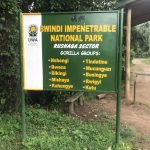
However, Bwindi has four main gorilla trekking sectors: Buhoma, Ruhija, Rushaga and Nkuringo. Each has different access routes, so choosing the correct destination before booking transport is essential.
At Epic Uganda Vacation, we help travellers plan Uganda gorilla trekking safaris, including transport, accommodation, permits and itineraries that can combine Bwindi with other destinations in East Africa.
In this guide, you will discover how to get to Bwindi by road, air and public transport, the best routes from Kampala and Kigali, approximate journey times, and practical tips for planning a successful gorilla trekking safari.
Where Is Bwindi Impenetrable National Park Located?
Bwindi Impenetrable National Park is located in southwestern Uganda, near the borders with the Democratic Republic of Congo and Rwanda. It protects an extensive area of ancient montane rainforest within the Albertine Rift region.
The park is recognised internationally for its mountain gorillas and exceptional biodiversity. It is also home to chimpanzees, other primates, forest elephants and numerous bird species.
Bwindi is not a single compact tourist site. Its gorilla trekking activities operate from different sectors spread around the forest, and the journey between some sectors can take several hours.
The four main gorilla trekking sectors are:
-
- Buhoma: Located in the northern part of the park and one of the most established bases for gorilla trekking.
-
- Ruhija: Situated in the eastern part of the park and known for its highland forest scenery and birdwatching opportunities.
-
- Rushaga: Located in the southern part of Bwindi, with access routes through the Kisoro and Rubanda areas.
-
- Nkuringo: A southern sector known for mountainous scenery and accommodation overlooking the surrounding landscape.
Before booking your transport, confirm which sector your gorilla trekking permit specifies. Your lodge, arrival airstrip and road route should all match that location.
How Far Is Bwindi Impenetrable National Park From Kampala?
Bwindi is approximately 450–530 kilometres from Kampala by road, depending on your destination sector and the route taken.
The drive generally takes around 8–11 hours, although delays, road conditions, weather and stops can extend the journey.
Entebbe International Airport is also a common starting point for international visitors. Depending on traffic and your chosen route, travelling from Entebbe may take approximately 9–12 hours.
| Starting point | Approximate travel time | Recommended transport |
|---|---|---|
| Kampala | 8–11 hours | Private safari vehicle or self-drive |
| Entebbe International Airport | 9–12 hours | Pre-arranged transfer or safari vehicle |
| Queen Elizabeth National Park | Approximately 2–6 hours, depending on the sector and starting point | Private safari vehicle |
| Lake Mburo National Park | Approximately 5–7 hours | Private safari vehicle |
| Kigali, Rwanda | Approximately 4–7 hours, depending on the sector and border formalities | Cross-border transfer |
| Kihihi Airstrip | Around 1–2 hours to relevant northern-sector accommodation | Pre-arranged transfer |
| Kisoro Airstrip | Around 1–2 hours to relevant southern-sector accommodation | Pre-arranged transfer |
These are general planning estimates rather than guaranteed journey times. The final approach to Bwindi often involves winding, unpaved roads, and travel times vary significantly between sectors.
For most visitors, the best approach is to arrive at their accommodation near the correct trekking sector the day before the gorilla trek.
1. How to Get to Bwindi Impenetrable National Park From Kampala
Kampala is a common starting point for road safaris to Bwindi. The journey travels southwest through Uganda’s countryside, passing towns, farmland, rolling hills and the highlands of southwestern Uganda.
You can reach the park by private safari vehicle, rental car or public transport, although these options differ in comfort and convenience.
By private safari vehicle
A private safari vehicle with a driver-guide is one of the most convenient ways to reach Bwindi.
Your driver can collect you from your hotel in Kampala, plan appropriate stops and take you directly to your lodge near the relevant gorilla trekking sector.
Advantages include:
-
- Flexible departure times.
-
- Direct transport to your accommodation.
-
- Assistance with luggage and travel arrangements.
-
- Opportunities to stop at scenic viewpoints and other attractions.
-
- Easier coordination of gorilla trekking permits and reporting times.
-
- Flexibility to combine Bwindi with other national parks.
A private transfer is particularly useful for families, couples, photographers and travellers who prefer a carefully organised safari.
For many visitors, leaving Kampala early in the morning is advisable because the journey can take most of the day.
By self-drive rental car
Travellers who prefer independent travel can hire a vehicle and drive to Bwindi.
The main highways towards southwestern Uganda are generally paved, but the roads leading into the different sectors often become narrow, winding and unpaved.
A suitable four-wheel-drive vehicle is recommended, particularly during the rainy seasons.
Before setting off, make sure you:
-
- Confirm your rental agreement permits travel to Bwindi.
-
- Check the vehicle’s condition and insurance coverage.
-
- Download offline maps or arrange reliable navigation.
-
- Refuel in major towns before entering more remote areas.
-
- Avoid driving the unfamiliar final approach after dark.
-
- Confirm the exact location of your lodge and trekking meeting point.
Self-driving can be rewarding for experienced drivers, but the terrain and long journey make advance planning important.
By public transport
Public buses and minibuses connect Kampala with towns such as Kabale and Kisoro. These can be useful for budget travellers who are comfortable arranging their own onward transport.
However, public transport does not necessarily take you directly to your lodge or the specific gorilla trekking meeting point.
You may need to arrange a private taxi, local vehicle or transfer from the nearest town. Services can also be less predictable in remote areas.
If you are travelling by public transport, consider arriving a day early and confirming the final transfer before departure.
For visitors with a fixed gorilla trekking permit, an organised transfer is generally the more convenient option.
2. How to Get to Bwindi From Entebbe International Airport
Entebbe International Airport is Uganda’s main international gateway and the arrival point for many travellers visiting Bwindi.
After completing immigration and collecting your luggage, you can begin the journey to southwestern Uganda by road or connect to a domestic flight.
Travelling directly by road
A road transfer from Entebbe to Bwindi usually takes most of the day. The route typically travels through the Kampala area and continues southwest towards Mbarara, with the final approach depending on your trekking sector.
If you arrive early enough and have arranged a private vehicle, you may be able to travel directly to your lodge.
However, if your international flight arrives late in the day, an overnight stay near Entebbe or Kampala may be more comfortable.
Taking a domestic flight
Travellers who want to reduce driving time can arrange a domestic flight from Entebbe to an airstrip serving Bwindi.
The two principal options are Kihihi Airstrip and Kisoro Airstrip. Kihihi is commonly used for Buhoma and some Ruhija itineraries, while Kisoro is generally more convenient for Rushaga and Nkuringo.
A road transfer is still required after landing.
Domestic flights can save considerable time, but you should check flight schedules, baggage restrictions and onward transport arrangements before booking.
3. How to Get to Bwindi Impenetrable National Park by Air
Flying is one of the quickest ways to reach the Bwindi region, particularly for travellers with limited time or those planning a luxury gorilla trekking safari.
Scheduled and charter flights may be available from Entebbe International Airport or Kajjansi Airfield near Kampala, depending on the operator and schedule.
The flight itself generally takes around 1–1.5 hours, but your total journey includes airport check-in, transfers and the drive from the airstrip to your lodge.
Kihihi Airstrip
Kihihi Airstrip is commonly used by visitors trekking in the northern sector of Bwindi, particularly Buhoma. It may also suit selected Ruhija itineraries, depending on the lodge and route.
After landing, you continue by road to your accommodation. Allow approximately 1–2 hours for many transfers, although the actual time depends on your destination and road conditions.
Kisoro Airstrip
Kisoro Airstrip is generally the more convenient arrival point for visitors heading to the southern sectors, particularly Rushaga and Nkuringo.
The transfer to your lodge may take around 1–2 hours, depending on the exact location and road conditions.
Which airstrip should you choose?
| Gorilla trekking sector | Airstrip to consider | Important consideration |
|---|---|---|
| Buhoma | Kihihi | Confirm the final transfer to your lodge |
| Ruhija | Kihihi or another suitable arrangement | Compare total transfer time before booking |
| Rushaga | Kisoro | Confirm the route and lodge location |
| Nkuringo | Kisoro | Mountain roads may make the final transfer slower |
These are general guidelines. Your tour operator should confirm the best flight and transfer combination for your actual accommodation.
What are the advantages of flying to Bwindi?
-
- Less time spent travelling by road.
-
- More time available for your safari.
-
- Convenient connections for selected luxury itineraries.
-
- An alternative to a long drive from Kampala or Entebbe.
What should you know before booking a flight?
-
- Flights may have limited schedules and availability.
-
- Baggage allowances can be restrictive, especially on small aircraft.
-
- Weather can affect flight operations.
-
- You must arrange road transport from the airstrip.
-
- The nearest airstrip is not necessarily the best choice for every lodge.
Check all details directly with the airline or your tour operator before confirming your itinerary.
4. How to Get to Bwindi From Kigali, Rwanda
Kigali can be a convenient alternative gateway for visitors planning a short gorilla trekking safari in southwestern Uganda.
Instead of travelling from Entebbe or Kampala, you can fly into Kigali International Airport and continue by road across the Rwanda–Uganda border.
Depending on the sector, route and border crossing, the journey may take approximately 4–7 hours or longer.
This option can be attractive for travellers who want to combine Rwanda and Uganda or who find flights into Kigali more convenient.
From Kigali to Rushaga
Rushaga is in southern Bwindi and can be reached through an appropriate Rwanda–Uganda border crossing, depending on the route and current arrangements.
Your operator will need to coordinate the border crossing, road transfer and arrival at your lodge.
From Kigali to Nkuringo
Nkuringo is also in southern Bwindi and can be accessed by an overland route from Rwanda.
The final approach involves mountainous roads, so allow sufficient time for the transfer and confirm that your vehicle is suitable.
From Kigali to Ruhija or Buhoma
Travellers heading to Ruhija or Buhoma may use a different border crossing and road route. The best option depends on the destination sector and prevailing road conditions.
Do not assume that the shortest route on a map will provide the fastest overall journey.
Important cross-border travel considerations
Before travelling from Rwanda to Uganda, confirm:
-
- Passport and visa requirements for your nationality.
-
- Whether your visa permits entry into both countries.
-
- Border crossing arrangements and operating procedures.
-
- Vehicle documentation and insurance requirements.
-
- Your gorilla trekking permit and designated sector.
-
- The estimated driving time to your lodge.
Cross-border travel can save time on some itineraries, but it should be planned around your permit and accommodation rather than chosen solely on distance.
5. How to Get to Each Sector of Bwindi Impenetrable National Park
Choosing the correct trekking sector is one of the most important parts of planning your journey.
Buhoma sector
Buhoma is in northern Bwindi and is one of the park’s best-established tourism areas.
A common road route from Kampala passes through Masaka, Mbarara, Ntungamo, Rukungiri and Kihihi before continuing towards Buhoma.
This route uses paved roads for much of the journey, followed by an unpaved approach to the park.
Kihihi Airstrip is generally the most convenient flight option for this sector.
Buhoma is also a useful base for travellers combining gorilla trekking with Queen Elizabeth National Park, particularly the Ishasha area.
Ruhija sector
Ruhija lies in eastern Bwindi and is accessed through the highlands around Kabale.
Travellers approaching from Kampala generally travel southwest towards Kabale before continuing along winding mountain roads to Ruhija.
A 4×4 vehicle is recommended, particularly during wet weather.
When booking a flight, compare the transfer times from Kihihi and other available options rather than assuming one airstrip is always best.
Rushaga sector
Rushaga is in southern Bwindi and is commonly accessed through the Kisoro and Rubanda areas.
Travellers approaching from Kampala generally continue southwest towards Kabale and then follow the appropriate route towards the southern sector.
Kisoro Airstrip is often the preferred option for visitors arriving by air.
If you are travelling from Kigali, an overland transfer may also be practical, depending on the border arrangements and your itinerary.
Nkuringo sector
Nkuringo is situated in the southern part of Bwindi, in mountainous terrain.
Road access commonly involves travelling through Kabale and Kisoro or following another suitable route based on your starting point.
The final roads are steep and winding in places, making an appropriate vehicle particularly important during rainy conditions.
Kisoro Airstrip is generally a convenient flight option, followed by a road transfer to the lodge.
Planning tip: Secure your gorilla trekking permit first, then choose accommodation close to the specified sector and arrange transport accordingly. This helps avoid unnecessary driving on the day of your trek.
6. How to Get to Bwindi From Queen Elizabeth National Park
Many travellers combine gorilla trekking in Bwindi with wildlife viewing in Queen Elizabeth National Park.
The journey is especially convenient for visitors exploring the Ishasha sector, which is known for its tree-climbing lions.
From the northern part of Queen Elizabeth National Park, including the Mweya area, the drive to Bwindi can take approximately 4–6 hours, depending on the route and sector.
From Ishasha to Buhoma, the journey can be considerably shorter.
The route through Ishasha is scenic and can provide opportunities to look for wildlife along the way, but sightings are never guaranteed.
Road and bridge conditions can also change, particularly during periods of heavy rain. Confirm the route with your driver before departure.
A combination of Queen Elizabeth National Park and Bwindi works well for travellers who want both savannah wildlife and mountain gorillas in one itinerary.
7. How to Get to Bwindi From Lake Mburo National Park
Lake Mburo National Park is another useful stop for travellers travelling between central Uganda and Bwindi.
The drive from Lake Mburo to Bwindi commonly takes around 5–7 hours, depending on the starting point, route and destination sector.
Lake Mburo is known for zebras, impalas, elands and opportunities for game drives, boat trips and nature walks.
An overnight stay here can break up the long journey from Entebbe or Kampala and provide another wildlife experience before reaching Bwindi.
If your main priority is gorilla trekking, ensure that your Lake Mburo itinerary leaves enough time to reach your Bwindi lodge the day before your permit date.
8. Can You Reach Bwindi by Public Transport?
Yes. Public transport can take you from Kampala to towns near Bwindi, including Kabale and Kisoro. Some services may also connect travellers with areas closer to the park.
However, the final journey to your lodge and gorilla trekking meeting point can be complicated without a pre-arranged transfer.
You may need to:
-
- Travel from Kampala to Kabale, Kisoro or another suitable town.
-
- Arrange local transport to the correct sector.
-
- Confirm the road conditions and estimated journey time.
-
- Reach your accommodation before the scheduled trekking day.
-
- Arrange an early-morning transfer to the briefing point.
Public transport may suit independent budget travellers with flexible schedules, but it is less convenient for visitors with fixed permits.
For a smoother experience, consider a private transfer for at least the final section of the journey.
9. How Long Should You Stay in Bwindi?
For most travellers, two or three nights is a practical starting point for a Bwindi gorilla trekking safari.
This allows time to travel to the park, participate in the trekking experience and enjoy additional activities without rushing the itinerary.
Suggested three-day Bwindi itinerary
Day 1: Travel to Bwindi
Depart Kampala or Entebbe early, or arrive by domestic flight. Continue to your lodge in the correct trekking sector and prepare for the next day.
Day 2: Mountain gorilla trekking
Attend your scheduled briefing and participate in gorilla trekking with the park guides and trackers. The trek may last several hours, depending on the location of the gorilla group and the terrain.
Spend the evening relaxing at your lodge.
Day 3: Optional activity and departure
Depending on your schedule, enjoy a community experience, guided forest walk or cultural activity before travelling to your next destination.
If you are combining Bwindi with Queen Elizabeth National Park, Lake Mburo or Rwanda, additional nights can make the itinerary more comfortable.
10. What Is the Best Time to Travel to Bwindi?
Bwindi can be visited throughout the year, but weather conditions influence road access, trail conditions and trekking comfort.
June to September
These months generally fall within Uganda’s longer dry season. They are popular for gorilla trekking, so permits and accommodation should be booked well in advance.
Roads and trails may be easier to navigate than during wetter periods, although rain remains possible in the forest.
December to February
This period generally includes another relatively dry season and can be suitable for gorilla trekking.
Demand can be high around holiday periods, so early planning is recommended.
March to May
The longer rainy season can make forest trails muddy and some access roads more challenging.
A suitable vehicle, waterproof clothing and good hiking boots are particularly useful.
October to November
The shorter rainy season can also bring slippery trails and changing road conditions.
Gorilla trekking remains possible, but visitors should prepare for rain and allow flexibility in their schedules.
Because Bwindi is a rainforest, conditions can change at any time of year. The best travel dates also depend on permit availability, accommodation and your wider itinerary.
11. What Should You Pack for the Journey to Bwindi?
Your packing list should account for the long road journey, cool highland weather and the physical demands of gorilla trekking.
Useful items include:
-
- Waterproof hiking boots with good grip.
-
- A lightweight waterproof jacket.
-
- Long trousers and long-sleeved clothing.
-
- Gardening-style gloves to protect your hands from vegetation.
-
- A small daypack.
-
- Drinking water.
-
- Insect repellent.
-
- Sunscreen.
-
- Binoculars and a camera, if desired.
-
- Personal medication.
-
- Passport and relevant travel documents.
-
- A soft-sided bag if travelling on a small aircraft.
Follow the instructions provided by your trekking operator and the park authorities. A porter may be available to help carry your bag and assist on difficult sections of the trail.
12. How Much Does It Cost to Get to Bwindi Impenetrable National Park?
The cost depends on where you start, your transport method, the size of your group and your accommodation.
Driving with a private safari vehicle generally costs more than public transport but provides greater flexibility. Domestic flights can save time but add airfares and transfers to your budget.
Your total safari budget should include:
-
- Transfers from Entebbe or Kampala.
-
- Domestic flights, if applicable.
-
- Airport or airstrip transfers.
-
- Accommodation and meals.
-
- Gorilla trekking permits.
-
- Optional activities.
-
- Porter services and personal expenses.
Permit prices and other charges can change. Confirm the current rates and payment arrangements through the Uganda Wildlife Authority or your authorised tour operator before booking.
Ask for a detailed quotation that explains what is included, such as transport, accommodation, meals, permits and park-related charges.
13. Can You Visit Bwindi on a Day Trip From Kampala?
A day trip from Kampala is not a practical option for most gorilla trekking visitors because the journey is long and the trekking activity requires an early start.
The road journey alone can take around 8–11 hours each way. Trying to travel to Bwindi and return to Kampala on the same day would be exhausting and would not fit a typical gorilla trekking schedule.
A better plan is to spend at least one night near your trekking sector before the activity, with another night afterward if your itinerary allows.
If you have limited time, consider flying to Kihihi or Kisoro and arranging a suitable transfer to your lodge.
14. Can You Combine Bwindi With Other Uganda National Parks?
Yes. Bwindi can be combined with several other destinations to create a broader Uganda safari.
Bwindi and Queen Elizabeth National Park
This combination offers mountain gorilla trekking alongside savannah wildlife viewing, including elephants, buffaloes, lions and other wildlife.
The Ishasha area can be a useful stop between destinations.
Bwindi and Kibale National Park
Kibale is known for chimpanzee tracking, making it an appealing addition for visitors interested in seeing different primate species.
Allow sufficient time for the road transfer between the parks.
Bwindi and Lake Mburo National Park
Lake Mburo is a useful stop for breaking up the journey and adding a savannah wildlife experience.
Bwindi and Mgahinga Gorilla National Park
Both parks are in southwestern Uganda and offer mountain gorilla trekking opportunities. Mgahinga also provides opportunities for golden monkey tracking and volcano hiking.
Bwindi and Rwanda
Travellers can combine gorilla trekking in Uganda with visits to Rwanda, including Volcanoes National Park or Nyungwe National Park.
A multi-country safari requires careful planning around border crossings, permits and driving times, but it can provide a memorable East African adventure.
15. Essential Tips for Reaching Bwindi Safely and Comfortably
Before setting off, keep these practical tips in mind:
-
- Confirm your gorilla trekking sector. Buhoma, Ruhija, Rushaga and Nkuringo have different access routes.
-
- Book your permit early. Confirm availability before committing to your travel dates.
-
- Choose suitable accommodation. Staying near your designated trekking sector reduces early-morning driving.
-
- Arrange transfers in advance. This is especially important for flights and cross-border itineraries.
-
- Use an appropriate vehicle. A 4×4 is recommended for many final approaches, particularly in wet conditions.
-
- Allow enough travel time. Do not rely on optimistic driving estimates.
-
- Avoid unnecessary night driving. Remote roads can be difficult to navigate after dark.
-
- Check flight baggage limits. Small aircraft often have specific weight and bag requirements.
-
- Carry valid travel documents. This is essential if crossing between Uganda and Rwanda.
-
- Follow park rules. Your guide will explain the procedures for gorilla trekking and wildlife encounters.
Plan Your Bwindi Gorilla Trekking Safari With Epic Uganda Vacation
Getting to Bwindi Impenetrable National Park is easier when your route, accommodation and gorilla trekking permit are planned together.
Whether you are travelling from Kampala, arriving through Entebbe, flying to a nearby airstrip or crossing into Uganda from Rwanda, choosing the right approach can save time and make your safari more comfortable.
Epic Uganda Vacation helps travellers organise Uganda gorilla trekking safaris tailored to their travel dates, interests and budgets.
Your itinerary can include mountain gorilla trekking in Bwindi, chimpanzee tracking in Kibale National Park, wildlife viewing in Queen Elizabeth National Park and additional experiences across Uganda and Rwanda.
When planning your trip, share your preferred trekking date, permit status, arrival airport, accommodation preferences and other destinations you want to visit. These details help determine the most suitable sector and transport arrangements.
Ready to visit Bwindi Impenetrable National Park? Contact Epic Uganda Vacation to plan your gorilla trekking safari, arrange transport and discover the best of Uganda’s wildlife and landscapes.
Frequently Asked Questions About Getting to Bwindi Impenetrable National Park
1. How do I get to Bwindi Impenetrable National Park?
You can reach Bwindi by road from Kampala or Entebbe, fly to Kihihi or Kisoro and continue by vehicle, or travel overland from Rwanda through an authorised border crossing.
2. How far is Bwindi from Kampala?
Bwindi is approximately 450–530 kilometres from Kampala by road, depending on the sector and route. The journey generally takes around 8–11 hours.
3. What is the nearest airport to Bwindi Impenetrable National Park?
Kihihi and Kisoro are the main airstrips used for access to Bwindi. Kihihi is generally more convenient for Buhoma, while Kisoro is commonly used for Rushaga and Nkuringo.
4. Can I fly from Entebbe to Bwindi?
Yes. Scheduled and charter flights may connect Entebbe with Kihihi or Kisoro, depending on availability. You will need a road transfer from the airstrip to your accommodation.
5. Which route is best for Bwindi from Kampala?
The best route depends on your trekking sector. Buhoma is commonly accessed through Ntungamo, Rukungiri and Kihihi, while Ruhija, Rushaga and Nkuringo generally require routes through the Kabale or Kisoro area.
6. Can I travel to Bwindi from Kigali?
Yes. Travellers can arrange a road transfer from Kigali through an authorised Rwanda–Uganda border crossing. The journey time depends on the destination sector, route and border formalities.
7. Is a 4×4 vehicle necessary for Bwindi?
A 4×4 is strongly recommended for many access roads, particularly during the rainy seasons. The main highways are generally paved, but final approaches to some lodges and sectors can be steep, winding or unpaved.
8. Can I reach Bwindi by public transport?
Yes. Public transport can take you to towns such as Kabale and Kisoro. However, you will usually need additional transport to reach your lodge and the correct gorilla trekking meeting point.
9. How many days should I spend in Bwindi?
Two or three nights is a practical starting point for many visitors. This allows time for the journey, gorilla trekking and an optional additional activity.
10. What is the best time to visit Bwindi?
Bwindi can be visited year-round. June to September and December to February are generally relatively drier periods, but rain can occur at any time in the rainforest.
11. Should I book my gorilla permit before arranging transport?
Yes. Confirm your permit and trekking sector first, then book accommodation and transport that match the permit date and location.
12. Can I combine Bwindi with Queen Elizabeth National Park?
Yes. Many itineraries combine Bwindi gorilla trekking with wildlife viewing in Queen Elizabeth National Park. Allow sufficient time for transfers, particularly if you plan to travel through Ishasha.
13. Is Bwindi closer to Kigali or Entebbe?
Kigali can be closer for some southern Bwindi sectors, depending on the border crossing and road route. Entebbe is Uganda’s main international gateway and can be more convenient for travellers visiting several Ugandan national parks.
14. Can I trek gorillas in Bwindi and Volcanoes National Park on the same trip?
Yes. You can combine gorilla trekking in Uganda and Rwanda, subject to permit availability and the relevant entry requirements. Plan your border crossing, accommodation and transfers carefully to avoid missing either trekking appointment.