Gorilla Families in Uganda: Complete Guide to Bwindi and Mgahinga Gorilla Trekking
Gorilla Families in Uganda: Where to Find Mountain Gorillas
Uganda is one of Africa’s leading destinations for mountain gorilla trekking, offering visitors an opportunity to encounter endangered mountain gorillas in their natural forest habitat. The country protects these remarkable primates in two national parks: Bwindi Impenetrable National Park and Mgahinga Gorilla National Park.
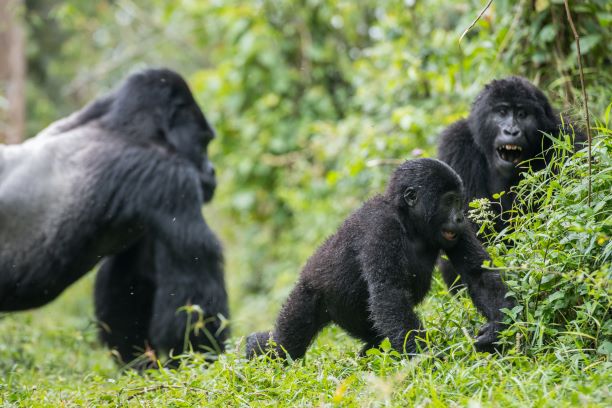
The gorillas live in closely bonded social groups known as families. Each family has its own history, social structure, dominant silverback and home range. Some groups have been habituated for tourism, allowing visitors to observe them under the supervision of trained Uganda Wildlife Authority (UWA) guides and trackers. Other groups are monitored for scientific research or remain wild and unavailable for tourist visits.
Bwindi is divided into four main gorilla trekking sectors: Buhoma, Ruhija, Rushaga and Nkuringo. Mgahinga, on the other hand, is known for the Nyakagezi Gorilla Family, the habituated group traditionally available for visitor trekking in the park.
Understanding the different gorilla families and their locations helps travellers choose the most suitable trekking sector when planning a Uganda gorilla safari.
Where to See Gorilla Families in Uganda
Mountain gorilla trekking in Uganda takes place in two protected areas in the country’s southwestern region.
1. Bwindi Impenetrable National Park
Bwindi Impenetrable National Park is the country’s principal mountain gorilla trekking destination. Located in southwestern Uganda, along the Albertine Rift, the park protects an ancient montane forest with steep hills, deep valleys, dense vegetation and diverse wildlife.
Bwindi is divided into four main gorilla trekking sectors:
- Buhoma Sector
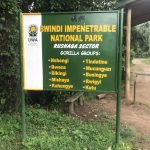
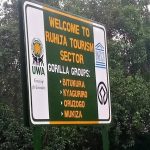
- Ruhija Sector
- Rushaga Sector
- Nkuringo Sector
Each sector has its own habituated gorilla groups, visitor briefing arrangements and accommodation options. The gorilla families move freely through the forest, so their exact locations can change from day to day.
Bwindi is particularly attractive to travellers because of the range of trekking sectors and the opportunity to combine gorilla trekking with bird watching, forest walks, cultural experiences and other Uganda safari activities.
2. Mgahinga Gorilla National Park
Mgahinga Gorilla National Park is located in southwestern Uganda, within the Virunga Mountains. It forms part of the larger Virunga Conservation Area, which extends across Uganda, Rwanda and the Democratic Republic of Congo.
The park is home to the Nyakagezi Gorilla Family, a habituated group known for its unusual multi-male social structure and history of moving across international boundaries.
Mgahinga offers a different trekking environment from Bwindi, with bamboo forests, volcanic slopes and spectacular views of the Virunga volcanoes. Visitors can also combine gorilla trekking with golden monkey tracking, volcano hiking and Batwa cultural experiences.
Gorilla Families in Bwindi Impenetrable National Park
Bwindi has several habituated gorilla families distributed across its four trekking sectors. The families have different histories, and their membership changes over time as gorillas are born, die, join other groups or establish new families.
Below is an overview of well-known families associated with the different sectors. The list distinguishes tourism groups from research groups and does not imply that every named group is available for ordinary visitor trekking.
1. Buhoma Gorilla Families
Buhoma is located in the northern part of Bwindi Impenetrable National Park, in Kanungu District. It is the park’s original gorilla tourism sector and has a long history of mountain gorilla habituation and visitor tracking.
Buhoma is an attractive choice for travellers who want to combine gorilla trekking with community experiences, bird watching and forest nature walks.
Notable gorilla families associated with Buhoma include:
Mubare Gorilla Family
The Mubare Gorilla Family is historically significant because it was the first mountain gorilla group to be habituated for tourism in Bwindi. The group received its first visitors in 1993.
It was named after the Mubare Hills, where the gorillas were first encountered. Its founding silverback, Ruhondeza, became one of the best-known gorillas in Bwindi’s early tourism history.
The group experienced several changes in leadership and membership over the years. It remains an important part of the history of gorilla tourism in Uganda.
Habinyanja Gorilla Family
The Habinyanja Gorilla Family is another well-known group in Buhoma. Its habituation began in 1996, and it is particularly remembered for its connection to the formation of the Rushegura family.
The name Habinyanja comes from the local word “Nyanja”, meaning a place with water. The group was named after a swampy area where it was first sighted.
In February 2002, the group split, leading to the establishment of the Rushegura family. The separation is an interesting example of the changing social relationships and ranging preferences of mountain gorillas.
Rushegura Gorilla Family
The Rushegura Gorilla Family was formed in February 2002 after separating from Habinyanja. It was originally led by silverback Mwirima and is named after a local tree species known as Ebishegura.
The family is known for ranging around areas close to the Buhoma park headquarters and occasionally visiting community gardens around its home range.
IGCP’s family record identifies Kabukojo as the group’s leader and recorded 16 members as of 31 January 2024. This is a historical population record, not a confirmed current count.
Katwe Gorilla Family
The Katwe Gorilla Family is another group associated with Buhoma. Its history is connected to changes in the Mubare group following the death of silverback Kanyonyi in November 2017.
Some former Mubare members joined Katwe, and rangers began closely monitoring the group as its composition developed.
IGCP recorded eight members in its 31 January 2024 family profile.
Muyambi Gorilla Family
The Muyambi Gorilla Family was established in 2019 when silverback Muyambi separated from the Mubare group, taking four adult females with him.
The family is named after its founding silverback. IGCP recorded seven members as of 31 January 2024, including one silverback, four adult females and two infants.
Binyindo Gorilla Family
Binyindo is another family associated with Buhoma. It is named after its lead silverback, whose distinctive nose features inspired the group’s name.
The group was monitored by rangers and researchers before being introduced to tourism. IGCP recorded nine members as of 31 January 2024.
2. Ruhija Gorilla Families
Ruhija is situated in the eastern part of Bwindi, in the Kabale District. It is known for its high-altitude forest environment, scenic landscapes and opportunities for bird watching.
The sector is home to several habituated gorilla groups, including families with interesting histories of social changes and leadership transitions.
Notable groups associated with Ruhija include:
Bitukura Gorilla Family
The Bitukura Gorilla Family is one of the established habituated groups in Ruhija. Its habituation began in 2006, and it was opened for tourism in 2008.
The group is known for its relatively tolerant multi-male social structure, with several mature males sometimes living together.
IGCP identifies silverback Mugisha as the group’s leader in its published profile. The organisation recorded 13 members as of 31 January 2024.
Oruzogo Gorilla Family
The Oruzogo Gorilla Family is known for its feeding habits, particularly its consumption of vegetation dominated by a plant locally called Oruzogo.
The family was habituated from 2008 and became available for tourism in 2011. It is named after the plant species that features in its diet.
IGCP recorded 11 members as of 31 January 2024 and identified silverback Kaganga as the group’s leader in that record.
Kyaguliro Gorilla Family
Kyaguliro is an important gorilla group in Ruhija, particularly for scientific research. It has been monitored by researchers studying mountain gorilla behaviour, ecology and social relationships.
The group is not an ordinary tourist trekking family. Its research role means visitors should not assume that a standard gorilla trekking permit provides access to it.
Mukiza Gorilla Family
Mukiza, formerly known as Kyaguliro B, emerged after the original Kyaguliro group split in May 2016.
The group has also been associated with scientific research and daily monitoring by researchers. It is important to distinguish research groups from families officially allocated for ordinary tourist trekking.
3. Rushaga Gorilla Families
Rushaga is located in the southern part of Bwindi, in Kisoro District. It is widely recognised for having a large number of habituated gorilla groups and is an important starting point for both ordinary gorilla trekking and the Gorilla Habituation Experience.
The sector is suitable for travellers who want to explore different gorilla trekking options and may be useful when checking permit availability for specific dates.
Notable gorilla families associated with Rushaga include:
Nshongi Gorilla Family
The Nshongi Gorilla Family was once among the largest habituated mountain gorilla groups in Bwindi. It was introduced to tourism in 2009 with approximately 36 members.
The family later experienced splits as mature males separated with some members to establish independent groups.
The Mishaya and Bweza families are among the groups historically connected to Nshongi.
Mishaya Gorilla Family
The Mishaya Gorilla Family was formed in July 2010 when silverback Mishaya separated from the Nshongi group with several members.
After Mishaya’s death in 2014, the group experienced further changes. It was later re-established under silverback Tinfayo and became part of Rushaga’s gorilla tourism history.
Bweza Gorilla Family
Bweza originated from the Nshongi group and became an independent family after separating around 2012–2013.
The group was initially led by silverback Kakono, with leadership later passing to Rurehuka according to IGCP’s published profile.
IGCP recorded 14 members as of 31 January 2024.
Kahungye Gorilla Family
Kahungye is one of the established gorilla families in Rushaga. The group was habituated from 2008 and was initially made up of a larger number of individuals.
Its history is particularly interesting because silverback Busingye separated from Kahungye in March 2012, establishing the Busingye family.
The family is named after a hill in Rushaga where it was first sighted.
Busingye Gorilla Family
The Busingye Gorilla Family was formed in March 2012 after silverback Busingye led a split from Kahungye.
The group is named after its founding silverback. IGCP’s family profile identifies Mutatina as the group’s leader in its record and recorded 17 members as of 31 January 2024.
Bikingi Gorilla Family
Bikingi is associated with Rushaga and has an interesting history involving changes in silverback leadership and group membership.
The family has also been associated with gorilla habituation activities. Travellers interested in the Gorilla Habituation Experience should confirm which group is currently designated for the activity before booking.
Kutu Gorilla Family
Kutu is one of the newer habituated groups associated with Rushaga. It is led by silverback Ndugu in the IGCP family record.
The organisation recorded 20 members as of 31 January 2024, making it one of the larger groups in that dated record.
Mucunguzi Gorilla Family
The Mucunguzi Gorilla Family was established by silverback Mucunguzi after a period of living alone. He later joined and separated some members from the Bikingi group to form an independent family.
The name Mucunguzi is commonly translated as “saviour”.
IGCP recorded 15 members as of 31 January 2024.
4. Nkuringo Gorilla Families
Nkuringo is located in the southwestern part of Bwindi, in Kisoro District. The sector is known for its mountainous landscape, steep slopes and spectacular views of the surrounding forest and Virunga volcanoes.
Gorilla trekking in Nkuringo can involve challenging terrain, especially when the gorillas are feeding in lower forest areas. Visitors should prepare for a physically demanding hike.
Notable families associated with Nkuringo include:
Nkuringo Gorilla Family
The Nkuringo Gorilla Family was the first group to be habituated in Bwindi’s southern sector. Its habituation began in 1997.
The family is historically associated with silverback Rafiki, who was killed by a poacher in 2020. Following his death, silverback Rwamutwe took over leadership.
The family is also known for recording the first mountain gorilla twin birth in Bwindi in December 2004.
IGCP recorded 14 members as of 31 January 2024.
Bushaho Gorilla Family
The Bushaho Gorilla Family developed after rangers began following several gorillas that had dispersed from the Nkuringo group.
They discovered that silverback Bahati was leading a separate group that included former Nkuringo members and other gorillas. The group was subsequently habituated and named Bushaho after the locality where it frequently foraged.
IGCP recorded nine members as of 31 January 2024.
Christmas Gorilla Family
The Christmas Gorilla Family is named after its dominant silverback, Christmas, who was reportedly born on Christmas Day.
The group is one of the habituated families associated with the Nkuringo sector.
IGCP recorded eight members as of 31 January 2024, including one silverback, two adult females, two sub-adult females, one sub-adult male and two infants.
Posho Gorilla Family
Posho is one of the newer habituated groups associated with Nkuringo. The name comes from posho, a maize-based food that trackers mainly consumed during the habituation process.
The family is led by silverback Magara in the IGCP record. The organisation recorded 17 members as of 31 January 2024.
Gorilla Families in Mgahinga Gorilla National Park
Nyakagezi Gorilla Family
The Nyakagezi Gorilla Family is the best-known habituated mountain gorilla group in Mgahinga Gorilla National Park and the group traditionally available for visitor trekking in the park.
Its habituation began in 1991, and it was opened for tourism in 1994.
One of its most interesting characteristics is its multi-male social structure. Several silverbacks have lived together within the group, creating opportunities to observe relationships between mature males.
IGCP’s family record identifies silverback Mark as the leader, assisted by Ndugutse. It recorded nine members as of 31 January 2024, including four silverbacks, two adult females, one juvenile and two infants.
Nyakagezi is also known for its transboundary movements. The group has historically moved across Uganda, Rwanda and the Democratic Republic of Congo within the Virunga Massif.
Because gorillas move freely across national boundaries, visitors should confirm the group’s location and trekking arrangements with UWA before finalising their travel plans.
Understanding Gorilla Families and Their Social Structure
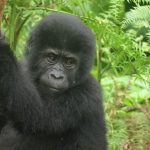
Mountain gorillas live in social groups that are commonly referred to as families. These groups usually consist of a dominant silverback, adult females, younger males, juveniles and infants.
Although the composition varies, each member has a role in the group’s social life.
Silverback
A silverback is a mature male mountain gorilla with a distinctive silver-grey patch of hair across its back.
The dominant silverback usually leads the family, influences its movements, maintains group cohesion and responds to potential threats.
Some groups may have more than one silverback, and the relationships between these males can influence the family’s social structure.
Adult Females
Adult females form an important part of the family. They contribute to the group’s stability and care for their young.
Females may also move between groups, particularly when social relationships or reproductive opportunities change.
Blackbacks and Sub-adult Males
Blackbacks are younger mature males that have not yet developed the full silver saddle associated with older silverbacks.
Some eventually become dominant leaders or establish their own groups after separating from existing families.
Juveniles and Infants
Young gorillas spend much of their time playing, learning and staying close to their mothers.
Watching infants and juveniles interact with other family members is often one of the memorable parts of a gorilla trekking experience.
How Gorilla Families Are Formed in Uganda
Mountain gorilla families are not permanently fixed. Their social structures change through births, deaths, migration, leadership changes and group separation.
One common development is a family split, also known as a fission. This happens when a silverback separates from an existing group with some members and establishes a new family.
For example:
- Rushegura separated from Habinyanja in February 2002.
- Mishaya separated from Nshongi in July 2010.
- Bweza emerged from the Nshongi group around 2012–2013.
- Busingye separated from Kahungye in March 2012.
- Muyambi separated from Mubare in 2019.
These changes demonstrate the complex social relationships among mountain gorillas and explain why family lists and population figures must be updated regularly.
Habituated Gorilla Families Versus Wild Gorilla Families
Not every mountain gorilla family in Uganda is available for tourism.
Habituated gorilla families have gradually become accustomed to the presence of human observers through a carefully managed process. This allows trained guides and trackers to take visitors into the forest to observe the gorillas under strict conservation rules.
Research groups are monitored primarily for scientific purposes. Some are habituated but are not allocated to ordinary tourist trekking.
Unhabituated or wild groups are not accustomed to human presence and are not approached by ordinary gorilla trekking visitors.
Habituation does not mean that gorillas become domesticated or tame. They remain wild animals, and visitors must respect their space and behaviour.
Gorilla Trekking in Uganda: What to Expect
Gorilla trekking is an organised forest excursion led by trained park guides and trackers.
The experience usually begins early in the morning at the designated park briefing point. Visitors register, present their permits and attend a briefing about gorilla behaviour, safety and conservation rules.
After the briefing, visitors are allocated to gorilla groups and guided into the forest.
The trackers communicate with the ranger team to establish the gorillas’ location. The walking distance varies depending on where the group is feeding, resting or moving.
Once the gorillas are found, visitors are allowed a maximum of one hour to observe them during standard trekking.
During the encounter, you may see gorillas feeding, grooming, resting, playing, caring for infants or moving through the forest.
The experience is different every day because the animals move freely and are not kept in fixed viewing areas.
How Difficult Is Gorilla Trekking in Uganda?
Gorilla trekking requires a reasonable level of physical fitness. The forest terrain can be steep, muddy, slippery and covered with thick vegetation.
Some treks are relatively short, while others involve several hours of walking through challenging terrain.
Uganda Wildlife Authority indicates that gorilla trekking can take approximately two to seven hours, depending on the circumstances.
The difficulty is influenced by:
- The location of the gorilla family.
- The steepness of the terrain.
- Weather and trail conditions.
- The distance travelled through the forest.
- The visitor’s physical fitness.
Visitors should wear hiking boots, long trousers, long-sleeved shirts and waterproof clothing. A walking stick and porter can also make the trek more manageable.
How to Choose the Best Gorilla Trekking Sector in Uganda
Choosing the right trekking sector is an important part of planning a gorilla safari. The most suitable sector depends on your travel route, accommodation preferences, fitness and permit availability.
| Trekking sector | Location | Planning considerations |
|---|---|---|
| Buhoma | Northern Bwindi | Established tourism area, accommodation and community experiences |
| Ruhija | Eastern Bwindi | High-altitude forest, birding and scenic landscapes |
| Rushaga | Southern Bwindi | Several habituated groups and Gorilla Habituation Experience arrangements |
| Nkuringo | Southwestern Bwindi | Mountainous terrain, scenic views and potentially demanding hikes |
| Mgahinga | Virunga Mountains | Nyakagezi group, bamboo forest and volcano experiences |
Buhoma Sector
Buhoma is suitable for visitors who want to explore the northern part of Bwindi and combine gorilla trekking with community walks, birding and forest activities.
Ruhija Sector
Ruhija is attractive to visitors interested in high-altitude forest scenery and bird watching. Its terrain can be challenging, so travellers should prepare for varying trekking conditions.
Rushaga Sector
Rushaga is an important option for travellers seeking a wide selection of habituated groups and the Gorilla Habituation Experience. Permit availability should be checked for the intended date.
Nkuringo Sector
Nkuringo offers spectacular landscapes and a more mountainous trekking environment. Visitors should be prepared for steep slopes and potentially strenuous hikes.
Mgahinga Gorilla National Park
Mgahinga provides a different setting for gorilla trekking, with bamboo vegetation and volcanic scenery. Visitors can also combine their gorilla trek with golden monkey tracking and volcano hiking.
How to Book a Gorilla Trekking Permit in Uganda
A valid gorilla trekking permit is required to visit a habituated mountain gorilla family in Uganda.
Permits are issued through the Uganda Wildlife Authority booking system and its authorised booking channels. Visitors should arrange their permits before travelling, particularly when they have fixed dates or plan to visit during busy periods.
The general booking process involves:
- Selecting your preferred trekking date.
- Choosing the designated trekking sector.
- Providing the required visitor details.
- Checking permit availability with UWA or an appropriately licensed tour operator.
- Making payment according to the official booking instructions.
- Receiving confirmation of the permit booking.
For foreign non-residents and other categories subject to the applicable booking rules, permits must be arranged through licensed tour operators.
Can You Choose a Specific Gorilla Family?
Visitors can choose their preferred trekking sector, but they should not assume that they can guarantee a particular named family.
UWA manages the allocation of visitors to habituated groups. The family assigned on the trekking day depends on park arrangements and operational considerations.
If you are interested in a particular family, inform your tour operator when making the booking. They can communicate your preference, but the final allocation remains subject to UWA arrangements.
How Much Does a Gorilla Permit Cost in Uganda?
Gorilla permit prices depend on the visitor category and the applicable UWA conservation tariff.
Because tariffs can change, travellers should check the current official rates before booking. Do not rely on older online articles or previous safari quotations without confirming that the prices are still valid.
The permit booking should also be distinguished from the overall cost of a gorilla safari, which may include transport, accommodation, meals, guiding services and other activities.
Gorilla Trekking Rules and Regulations in Uganda
Gorilla trekking is carefully regulated to protect mountain gorillas and minimise the risk of transmitting human diseases to them.
Visitors are expected to follow all instructions given by UWA rangers and guides.
Important rules include:
- The minimum age for gorilla trekking is 15 years.
- A maximum of eight visitors are allowed to visit a habituated gorilla family per day under standard trekking arrangements.
- Visitors are allowed a maximum of one hour with the gorillas during ordinary trekking.
- Do not trek if you have a cold, flu or another infectious illness.
- Maintain the required viewing distance and follow the ranger’s instructions.
- Do not eat, drink or smoke while observing the gorillas.
- Flash photography is not allowed.
- Avoid loud noises and sudden movements.
- Do not litter or damage vegetation in the forest.
- Never attempt to touch, feed or chase a gorilla.
These rules help protect the health and welfare of the gorillas while ensuring a safe visitor experience.
Best Time to Visit Gorilla Families in Uganda
Gorilla trekking is available throughout the year in Bwindi and Mgahinga.
However, some months are generally preferred because of relatively drier forest conditions.
June to September
This period is commonly considered one of the drier seasons in southwestern Uganda. Trails may be easier to navigate, although rainfall can still occur in the forest.
December to February
These months also tend to have relatively drier conditions. They are popular for gorilla trekking and can be suitable for combining Bwindi with other wildlife destinations.
March to May and October to November
These months generally experience more rainfall. Trails can become muddy and slippery, but the forest remains open for trekking.
There is no guaranteed best month for seeing gorillas because the animals remain in their natural habitat throughout the year. The success and duration of a trek depend on their movements and the conditions on the day.
What to Pack for Gorilla Trekking in Uganda
Preparing the right equipment makes a significant difference during a forest trek.
Recommended items include:
- Sturdy waterproof hiking boots.
- Long trousers and long-sleeved shirts.
- A waterproof jacket or raincoat.
- Gardening or trekking gloves for handling vegetation.
- A small backpack.
- Drinking water.
- Snacks for before or after the encounter.
- A camera without flash.
- Sunscreen and insect repellent.
- A walking stick, which may be available at the park briefing point.
A porter can also help carry your backpack and provide assistance on difficult sections of the trail.
Where to Stay During Gorilla Trekking in Uganda
Accommodation options are available around all the main gorilla trekking sectors.
Travellers can choose from budget guesthouses, mid-range safari lodges and luxury accommodation.
The most important consideration is selecting a property that is convenient for your designated trekking sector. Bwindi is a large forest, and travelling between sectors can take considerable time.
For this reason, visitors should confirm their trekking entry point before selecting accommodation.
Other Activities to Combine with Gorilla Trekking
A Uganda gorilla safari can be extended to include several other wildlife and cultural activities.
Golden Monkey Tracking in Mgahinga
Golden monkey tracking is one of the popular activities in Mgahinga Gorilla National Park. Visitors can explore the bamboo forest in search of these colourful primates.
Batwa Cultural Experience
The Batwa cultural experience introduces visitors to the traditional forest knowledge, heritage and history of the Batwa people.
Bird Watching in Bwindi
Bwindi is an important birding destination, especially for visitors interested in Albertine Rift endemic species.
Queen Elizabeth National Park Safari
Queen Elizabeth National Park offers game drives, boat cruises along the Kazinga Channel and opportunities to see elephants, buffaloes, lions, hippos and many other wildlife species.
Kibale Chimpanzee Tracking
Visitors can extend their trip to Kibale Forest National Park for chimpanzee tracking and other primate experiences.
Lake Bunyonyi
Lake Bunyonyi is a scenic destination where travellers can relax after gorilla trekking. Activities include canoeing, boat excursions, bird watching and exploring the surrounding islands.
Uganda Gorilla Safaris Starting from Kigali
Travellers planning a Uganda gorilla safari can also begin their journey in Kigali, Rwanda.
Kigali provides a convenient international arrival point for visitors heading to southwestern Uganda, particularly when their itinerary focuses on Bwindi or Mgahinga.
Depending on the selected trekking sector, visitors can travel through the Katuna or Cyanika border crossings and continue to their accommodation near the park.
Starting from Kigali can reduce the amount of road travel compared with beginning the same safari in Entebbe or Kampala. However, the journey still involves an international border crossing, and travellers should confirm visa requirements, entry conditions and transport arrangements in advance.
Why Gorilla Families Matter for Conservation in Uganda
Mountain gorilla families are important not only for tourism but also for conservation research and the protection of endangered wildlife.
Responsible gorilla tourism provides financial support for protected-area management and contributes to the livelihoods of communities surrounding the national parks.
The presence of visitors creates economic opportunities for guides, trackers, porters, accommodation providers, transport operators and local community enterprises.
Gorilla conservation also depends on habitat protection, veterinary support, scientific monitoring, law enforcement and cooperation between neighbouring countries.
By following trekking rules and supporting responsible tourism operators, visitors contribute to the long-term protection of mountain gorillas and their forest habitat.
Book a Gorilla Trekking Safari in Uganda with Epic Uganda Vacation
Uganda offers memorable mountain gorilla encounters in Bwindi Impenetrable National Park and Mgahinga Gorilla National Park. From the historic Mubare and Habinyanja groups in Buhoma to the famous Nshongi and Busingye families in Rushaga, each group has its own story and place in Uganda’s conservation history.
Whether you prefer the forest landscapes of Ruhija, the established trekking area of Buhoma, the many group options in Rushaga, the mountainous Nkuringo sector or the volcanic scenery of Mgahinga, Epic Uganda Vacation can help organise your trip.
We arrange personalised Uganda gorilla trekking safaris, including permit bookings, accommodation, transport, professional guides and additional wildlife and cultural activities.
Contact Epic Uganda Vacation to plan your gorilla trekking safari and discover the mountain gorillas of Uganda.
Visit our contact page to request a personalised itinerary.
Frequently Asked Questions About Gorilla Families in Uganda
1. How many gorilla families are there in Uganda?
Uganda has multiple habituated mountain gorilla families distributed between Bwindi Impenetrable National Park and Mgahinga Gorilla National Park. The number and composition of groups can change as new families are habituated, groups split and social structures develop. Not all habituated or monitored groups are available for ordinary tourist trekking.
2. Which national parks have gorillas in Uganda?
Mountain gorilla trekking takes place in Bwindi Impenetrable National Park and Mgahinga Gorilla National Park, both in southwestern Uganda.
3. What are the four gorilla trekking sectors in Bwindi?
The four main trekking sectors are Buhoma, Ruhija, Rushaga and Nkuringo.
4. Which is the oldest habituated gorilla family in Uganda?
The Mubare Gorilla Family in Buhoma is historically recognised as the first mountain gorilla group habituated for tourism in Bwindi. It received its first visitors in 1993.
5. Which gorilla family can I track in Mgahinga?
The Nyakagezi Gorilla Family is the habituated group traditionally available for visitor trekking in Mgahinga Gorilla National Park. Its location should be confirmed before travel because the group can move across the Virunga region.
6. Can I choose which gorilla family to visit?
You can request a preferred trekking sector, but UWA manages the allocation of visitors to gorilla families. Booking a permit for a particular sector does not guarantee a specific named family.
7. How many people can visit one gorilla family per day?
Under standard gorilla trekking arrangements, a maximum of eight visitors are allowed to visit one habituated gorilla family per day.
8. How long do you spend with mountain gorillas?
Visitors are allowed a maximum of one hour with a habituated gorilla family during ordinary gorilla trekking.
9. What is the minimum age for gorilla trekking in Uganda?
The minimum age for mountain gorilla trekking in Uganda is 15 years.
10. How long does gorilla trekking take in Uganda?
The activity can take approximately two to seven hours, depending on the location of the gorilla family, forest conditions and the distance travelled.
11. Is gorilla trekking difficult?
Gorilla trekking can be physically demanding because it takes place in mountainous forest terrain. The difficulty varies according to the gorillas’ location and the conditions on the day.
12. Can I combine gorilla trekking with a wildlife safari?
Yes. You can combine gorilla trekking with wildlife safaris in Queen Elizabeth National Park, chimpanzee tracking in Kibale Forest, golden monkey tracking in Mgahinga and relaxation at Lake Bunyonyi.
13. What is the best time to visit gorilla families in Uganda?
Gorilla trekking is available throughout the year. June to September and December to February are commonly considered relatively drier periods, while March to May and October to November generally receive more rainfall.
14. Are all gorilla families in Uganda open to tourists?
No. Some groups are reserved for research, while others are not habituated for visitor activities. Only groups designated for tourism or specific authorised experiences can be visited by tourists.