About Ruaha National Park
The outstanding Ruaha National Park is Tanzania’s largest national park. It lies in the southern circuit of the country’s safari circuits. Geographically, Ruaha National Park is in Tanzania’s central southern region. It is one of the remotest parks in the country. The park’s massive size spans over 20,226 square kilometers after the Usangu Game Reserve was added to the park. It forms a 45,000-square-kilometer Rungwa-Kizigo-Muhesi ecosystem that stretches through the game reserves of Rungwa and Kizigo-Muhesi. It extends to the Mbomipa Wildlife Management Area.
Ruaha National Park offers a unique wilderness with largely untouched nature. Its size means some areas remain undiscovered. The park was established in 1964 during the colonial era of the British administration. This national park gets its name from the great River Ruaha that is situated in the park. It is one of the water sources found in Ruaha National Park. The closest town to Ruaha National Park is Iringa, situated about 130 kilometers west.
Attractions in Ruaha National Park
Ruaha National Park has a variety of attractions, with the wildlife topping the list as the major attraction. These and more are highlighted below.
Big cats
The one thing that Ruaha National Park has mastered is the big cat experience. If you think you have big cats at their best, then think again. Ruaha offers a big cat experience like no other in the world. From the massive lions and the strong leopards to the agile cheetahs. This park hosts some of the largest prides of lions in the world. Lions are known to hunt and kill buffaloes and giraffes. A single pride in Ruaha can have up to 20-40 lions, with 4-5 pride males.
The leopards in Ruaha National Park are another big cat species to look out for. The park hosts countless leopards that are likely to be spotted hanging on tree branches. Ruaha National Park also has African cheetahs that run the savannah. Ruaha offers outstanding big cat experiences and is the best destination to catch these cats in action.
Rare antelope species
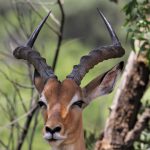
Ruaha National Park has abundant wildlife biodiversity, including some of the rarest antelope species. The park features a blend of unique ecological systems that support antelope species found in very few areas. In other words, such species don’t usually inhabit similar ecological systems. The size of the park and its diverse ecosystems allow this rarity. Some of these rare antelopes to spot in this park include the greater and lesser kudu, roan antelope, and the sable antelope, among others.
Vast landscapes
The vast landscapes that stretch as far as the eye can see are also incredibly interesting. Journey through this unique savannah terrain of endless woodland plains. This unique sight brings one of the best scenic views of the park. The massive size of Ruaha National Park and its relatively flat terrain make it a paradise worth exploring. Its remote setting makes it one of the rarely visited parks. This means its landscape and vegetation remain untouched and uniquely virgin. The vast landscapes of the park give a unique feeling of stepping into an endless vacuum of savannah beauty. This alone attracts countless visitors from far and wide.
Large herds of elephants
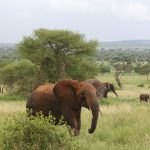
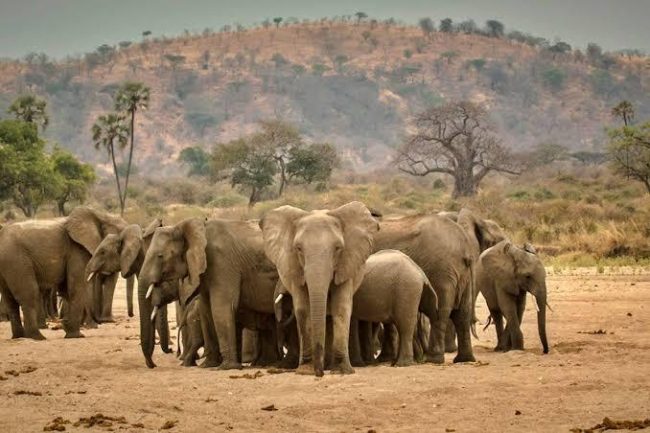
If you think you’ve seen it all, then think again; Ruaha National Park has one of the largest concentrations of elephants. These elephants are very social and live in groups called herds. Each herd is led by a matriarch, which is the oldest female elephant. It guides the herd to new pasture grounds and sources of water after years of experience. Males are usually solitary and only come to the herd for mating. Ruaha National Park hosts large herds of elephants and can be spotted during a game drive. A herd of elephants can have more than 200 elephants in this park. In clan gatherings for food or at a water source, herds can stretch to over 1,000 elephants.
Birdlife
The wonders of Ruaha National Park are not tied only to the wildlife species but also to the birdlife. Ruaha National Park hosts over 570 bird species that nest across the vast landscapes of this park. The park has various species of birds, from the savannah to the water-loving bird species. Ruaha hosts both migratory species, which fly in during specific seasons, and endemic resident species, such as the red-billed hornbill, raptors, and kingfishers. Other species include the ashy starling, African fish eagle, and yellow-collared lovebird, among others.
The Great River Ruaha
The Great River Ruaha is the lifeline of Ruaha National Park. It is the main source of water for this national park. The park was named after this great river and hosts a variety of wildlife species. This river supports the aquatic life of Ruaha National Park, hosting countless Nile crocodiles, thousands of hippos, and various monitor lizards. It is an important feature for the park and worth exploring. During water scarcity in the park during the dry season, the Great River Ruaha becomes a lifesaver.
Activities in Ruaha National Park
Ruaha National Park continues to bless us with utmost adventures through its attractions. However, these attractions can only be explored by venturing into the following activities in the park.
Game viewing
The major activity in Ruaha National Park is game viewing, or game drives as some call it. Game viewing refers to venturing into the vast landscapes of Ruaha to spot the various wildlife species and explore the unique savannah in the safety of a 4×4 safari vehicle. Game drives allow you, the visitor, to stretch your luck in the presence of dangerous wildlife species, such as lions, buffaloes, leopards, cheetahs, elephants, and hyenas, among others. Visitors during this activity can spend unlimited time in the presence of these species while maintaining safety.
Walking safari
The most intimate way to explore Ruaha National Park and experience the wildlife is by walking safari. This adventure is unlike others; it allows visitors to leave the comfort of the safari 4×4 vehicles and venture into the savannah on foot. Crazy as it may sound, it is very safe since you’re accompanied by armed rangers with excellent knowledge of animal behavior and terrain. Visitors can spot various wildlife species during this experience, such as elephants, antelopes, lions, buffaloes, and warthogs, among others.
Birding
This park has abundant birdlife that allows birding adventures. Several designated areas of the park are known to host some of the rare bird species. With excellent birding guides who have abundant knowledge of the bird species in the park, visitors are assured of having the best birding time.
Predator tracking
When it comes to predators, Ruaha National Park understood the assignment. The dominant predators in the park are lions, leopards, cheetahs, and hyenas. This park accounts for over 10% of Africa’s wild lion population. During a predator tracking experience, visitors have a high chance of spotting most of the predators in the park. Predator tracking allows visitors to follow the tracks into the savannah’s vast plains to encounter these predators in action.
Accessibility
The most comfortable and quickest way to access Ruaha National Park is flying. Ruaha National Park is a vast territory that is located in the remote areas of the Iringa region. It is situated about 625 kilometers from Dar es Salaam, one of the major cities of Tanzania. Flying from Julius Nyerere International Airport in this city to the Msembe or Jongomero airstrips inside the park takes about 2 hours.
Traveling by road to the park upon arrival at the same international airport takes about 12 hours of straight driving. The nature of the roads and their inconsistent pattern between paved roads and dirt roads adds to the challenging terrain, making driving complex. However, it offers a much-needed glimpse into the livelihood of the locals and the scenic countryside beauty.
Therefore, depending on your preferred means of travel, Ruaha National Park can be accessed by both air and road.
Best time to visit
The park is open 24/7 throughout the year, and exploration is up to the visitor’s interest. The best time is considered the dry season, as the park is a savannah safari destination with much of its adventures favoured by the dry weather conditions. The dry season in the park is experienced twice a year. This is from June to September and December to mid-February.
During this time, the park receives many sunny days and dry weather with limited rainfall. The temperatures are also humid and relatively hot at peak hours of the day. This gives room for predicting the behavior of wildlife, as they gather near the remaining watering points in the park.
However, the wet season has its own advantages too, such as being the ideal time for birding safaris. The wet season is the breeding time for birds, and during this time, the park receives migratory bird species. It is the time of the year when both migratory and endemic bird species can be spotted. The wet season occurs during October, November, April, March, and May.
Accommodation
As visitors embark on an adventure to Ruaha National Park, accommodation is a priority. Accommodation comes with meals and together adds a lot to the success of the entire safari in Ruaha National Park. The accommodation is categorized under three groups, luxury, midrange, and budget. These categories offer unique amenities and costs depending on the preference of the visitor. Most of the accommodation facilities in this park are situated inside the park, and others just outside. Some of the facilities to look out for include Ruaha River Lodge, Mwagusi Safari Camp, Tandala Tented Camps, Jabali Ridge, Jongomero Camp, etc.
Finally, a safari experience in Ruaha National Park is a memorable experience that uncovers the park’s diverse attractions, such as wildlife, birdlife, landscapes, rivers, etc. The activities in the park, such as predator tracking, game drives, birding, and walking safaris, entice visitors with utmost excitement during their time in the park. Booking accommodation is very easy when organized by Epic Uganda Vacations during the dry season, which is the best time to visit the park. The easy accessibility to the park by both air and road creates no excuses for exploration of Ruaha National Park.