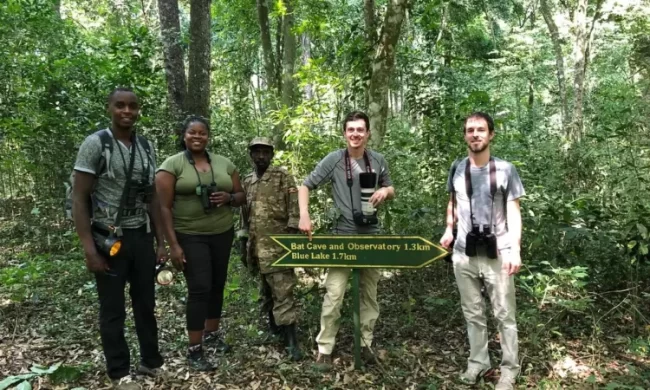
Maramagambo Forest Bird Watching and Things to Do in Queen Elizabeth National Park, Uganda
Maramagambo Forest is one of Uganda’s most fascinating natural attractions, offering visitors an opportunity to explore tropical forest landscapes, discover remarkable bird species, encounter primates and enjoy guided nature walks within Queen Elizabeth National Park.
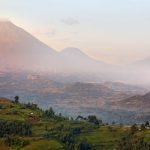
Located in the southern sector of Queen Elizabeth National Park in western Uganda, Maramagambo Forest is a beautiful contrast to the park’s open savannah plains, where elephants, lions, buffaloes and other wildlife roam.
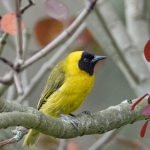
The forest is particularly attractive to birdwatchers because of its rich birdlife, diverse vegetation and combination of forest, wetland and crater lake habitats. Some of the notable birds recorded in the area include the Rwenzori Turaco, White-naped Pigeon, Forest Flycatcher and African Finfoot.
Beyond birdwatching, Maramagambo Forest offers several exciting activities, including guided forest walks, crater lake exploration, visits to the famous Bat Cave and opportunities to discover the area’s fascinating primates and other wildlife.
For travellers planning a Uganda safari, a visit to Maramagambo Forest provides a rewarding opportunity to experience a different side of Queen Elizabeth National Park.
Whether you are a passionate birdwatcher, nature photographer, wildlife enthusiast or adventure traveller, Maramagambo Forest deserves a place on your Uganda safari itinerary.
Where Is Maramagambo Forest Located?
Maramagambo Forest is situated in the southern part of Queen Elizabeth National Park, in southwestern Uganda. The forest extends through the area between the Kichwamba Escarpment and the vicinity of Lake Edward, providing an important forest ecosystem within the larger protected area.
It is located in the wider Bushenyi and Rubirizi region and forms part of the extensive Queen Elizabeth Conservation Area.
The forest is accessible from different parts of Queen Elizabeth National Park, particularly the southern areas around the Ishasha and Katunguru routes.
Travellers visiting the forest can combine their excursion with other attractions within Queen Elizabeth National Park, including:
-
- Kyambura Gorge, famous for chimpanzee tracking.
-
- Kazinga Channel, known for boat cruises and wildlife viewing.
-
- Ishasha Sector, famous for its tree-climbing lions.
-
- Lake Edward and the surrounding wetlands.
-
- The Kasenyi Plains, popular for savannah wildlife safaris.
-
- Queen Elizabeth National Park’s volcanic crater lakes.
Maramagambo Forest is an excellent addition to a wildlife safari because it offers a different experience from traditional game drives.
Maramagambo Forest Bird Watching
Bird watching is among the most rewarding activities in Maramagambo Forest. Its extensive vegetation, forest canopy, wetlands and crater lakes provide habitats for numerous forest and waterbird species.
The forest is particularly interesting for birders searching for species associated with Uganda’s western forests and the Albertine Rift region.
Birdwatching excursions are generally conducted along designated forest trails and around selected lake areas with the assistance of knowledgeable guides.
The dense vegetation makes patience important because many forest birds are heard before they are seen.
Notable Birds to See in Maramagambo Forest
1. Rwenzori Turaco
The Rwenzori Turaco is one of the most sought-after birds in Maramagambo Forest.
This beautiful forest bird is recognised by its colourful plumage and distinctive appearance. Its striking colours make it a favourite among bird photographers.
The species is associated with the Albertine Rift forests and is particularly interesting to birdwatchers exploring western Uganda.
2. White-naped Pigeon
The White-naped Pigeon is another interesting species recorded in Maramagambo Forest.
It is a forest-dwelling bird that can be encountered in areas with suitable tree cover.
Birdwatchers visiting the forest should pay attention to calls and movements within the canopy when searching for this species.
3. Forest Flycatcher
The Forest Flycatcher is among the notable forest birds associated with Maramagambo.
It is particularly interesting to birdwatchers who enjoy searching for less conspicuous species in dense vegetation.
A knowledgeable birding guide can help visitors identify its calls and distinguish it from other forest flycatchers.
4. African Finfoot
The African Finfoot is an interesting and relatively elusive waterbird associated with freshwater habitats.
Lake Nyamasingiri and its surrounding wetland vegetation provide an opportunity to search for this remarkable species.
The African Finfoot is generally shy, so visitors should move quietly and remain patient when exploring suitable habitats.
5. Great Blue Turaco
The Great Blue Turaco is one of Uganda’s most impressive forest birds.
It is recognised by its large body, colourful plumage and distinctive call.
Its size makes it easier to identify than many smaller forest species, particularly when moving between trees.
6. African Green Pigeon
The African Green Pigeon is another interesting bird to look for during forest walks.
It is usually associated with fruiting trees and can sometimes be spotted feeding among the branches.
Its green plumage provides excellent camouflage within the forest canopy.
7. Other Forest and Wetland Birds
Depending on the season and location, birdwatchers may encounter additional species, including:
-
- Black-headed Batis.
-
- Blue-breasted Kingfisher.
-
- Sulphur-breasted Bushshrike.
-
- Red-tailed Bristle Bill.
-
- Various forest greenbuls.
-
- Sunbirds.
-
- Kingfishers.
-
- African fish eagles.
-
- Other forest and waterbird species.
Maramagambo Forest is also known for its Cormorant Tree, a large tree traditionally used as a night roost by cormorants. The accumulated bird droppings have turned much of its surface white, making it an unusual feature to discover during a forest excursion.
Bird sightings are never guaranteed, and the species encountered depend on the season, weather, habitat conditions and bird activity.
Best Birdwatching Areas in Maramagambo Forest
Maramagambo Forest has several interesting habitats that provide different birdwatching opportunities.
1. Lake Nyamasingiri
Lake Nyamasingiri is one of the interesting places to explore during a birdwatching excursion.
The lake is surrounded by forest vegetation and provides suitable habitats for different waterbirds and forest species.
Birdwatchers can search for the African Finfoot along quieter sections of the lake.
The surrounding forest is also suitable for observing forest birds and listening to their calls.
2. Lake Kyasanduka
Lake Kyasanduka is another attractive crater lake within the Maramagambo Forest landscape.
The lake is surrounded by vegetation and provides opportunities for birdwatching, photography and nature exploration.
Visitors can enjoy the peaceful surroundings while observing birds associated with the forest and freshwater habitats.
3. Forest Interior Trails
The interior forest trails are particularly interesting for birdwatchers searching for forest-dependent species.
Walking beneath the forest canopy provides opportunities to observe turacos, pigeons, flycatchers, greenbuls and other forest birds.
These walks are best undertaken with an experienced guide who understands bird calls and the behaviour of different species.
4. Forest Edges and Wetland Habitats
Forest edges and wetland areas offer additional birdwatching opportunities.
The transition between forest vegetation and open habitats attracts different bird species.
These areas are particularly interesting for visitors who want to observe a mixture of forest birds and waterbirds during one excursion.
Things to Do in Maramagambo Forest
Maramagambo Forest offers several activities beyond birdwatching. Its combination of forest landscapes, crater lakes, caves and wildlife makes it an interesting destination for nature lovers.
1. Guided Forest Nature Walks
Guided nature walks are among the best ways to explore Maramagambo Forest.
Visitors follow designated walking trails through the forest, discovering its vegetation, wildlife and different ecological features.
The walks provide opportunities to encounter:
-
- Forest birds.
-
- Red-tailed monkeys.
-
- Black-and-white colobus monkeys.
-
- Blue monkeys.
-
- Vervet monkeys.
-
- L’Hoest’s monkeys.
-
- Olive baboons.
-
- Butterflies and other forest wildlife.
Visitors also learn about the different tree species, medicinal plants and ecological importance of the forest.
Nature walks can be arranged through the relevant park authorities, with routes and duration depending on current access arrangements.
2. Visit the Famous Maramagambo Bat Cave
The Bat Cave is one of the most fascinating attractions in Maramagambo Forest.
The cave is known for its large population of fruit bats and the rock pythons associated with the cave ecosystem.
One of the most interesting aspects of this attraction is the relationship between the bats and the pythons that prey on them.
Visitors can learn about this predator-prey relationship and the ecological importance of bats.
Following historical public health concerns associated with Marburg virus, visitor access has been managed through a designated viewing arrangement.
Visitors should follow current Uganda Wildlife Authority guidance and use only authorised viewing facilities. Do not enter restricted cave areas or approach the bats.
The Bat Cave offers an unusual wildlife experience and is particularly interesting for visitors interested in animal behaviour and natural ecosystems.
3. Explore the Beautiful Crater Lakes
Maramagambo Forest is surrounded by beautiful volcanic crater lakes that add to its natural appeal.
Among the most interesting are Lake Kyasanduka and Lake Nyamasingiri.
These lakes are surrounded by forest vegetation and offer opportunities for photography, birdwatching and peaceful nature exploration.
Visitors can enjoy the scenery, observe waterbirds and discover the relationship between the forest and its freshwater ecosystems.
The crater lakes are particularly attractive to travellers interested in combining forest walks with birdwatching.
4. Explore the Blue Lake
The Blue Lake is another interesting attraction associated with Maramagambo Forest.
Its unusual blue-green appearance makes it a fascinating location for nature enthusiasts and photographers.
The lake is often included in excursions around the Bat Cave area, depending on the selected walking route and current access arrangements.
It provides an opportunity to discover the geological and ecological diversity of the forest.
5. Look for Primates in the Forest
Maramagambo Forest supports several primate species.
During guided walks, visitors may encounter:
-
- Black-and-white colobus monkeys.
-
- Red-tailed monkeys.
-
- Blue monkeys.
-
- Vervet monkeys.
-
- L’Hoest’s monkeys.
-
- Olive baboons.
-
- Bush babies.
-
- Pottos.
The forest also provides habitat for chimpanzees, although sightings are not guaranteed and regular visitor access to chimpanzee tracking should not be assumed.
Travellers specifically interested in guided chimpanzee trekking within Queen Elizabeth National Park can consider Kyambura Gorge, where established tracking experiences are offered subject to permit availability.
For a dedicated chimpanzee trekking safari, Kibale Forest National Park is another excellent destination.
6. Enjoy Forest Photography
Maramagambo Forest is an excellent destination for nature photography.
Its tall trees, dense vegetation, crater lakes, wildlife and colourful birds provide numerous photographic opportunities.
Photographers can concentrate on:
-
- Forest birds and primates.
-
- Unique tree formations.
-
- Forest landscapes.
-
- Crater lakes.
-
- Butterflies and smaller wildlife.
-
- The Bat Cave viewing area.
A camera with a suitable telephoto lens is useful for photographing birds and wildlife in dense vegetation.
Visitors should avoid disturbing animals or using flash where it may affect wildlife.
7. Discover the Forest’s Plant Life
Maramagambo Forest is also interesting for visitors who appreciate botanical diversity.
The forest contains different tree species, climbing plants, shrubs and other vegetation associated with tropical forest ecosystems.
A guided nature walk introduces visitors to the ecological importance of the forest and the relationships between plants, wildlife and local environmental conditions.
Visitors can learn about the role of forests in supporting biodiversity, maintaining water systems and regulating local climates.
8. Enjoy Nature and Landscape Exploration
Beyond the individual attractions, simply exploring the forest is an experience in itself.
The cool forest environment, sounds of birds, shaded trails and beautiful lake surroundings provide a peaceful contrast to the open savannah landscapes of Queen Elizabeth National Park.
It is an excellent activity for visitors seeking a quieter experience away from the busy wildlife viewing circuits.
History and Conservation Importance of Maramagambo Forest
Maramagambo Forest forms an important part of the wider Queen Elizabeth Conservation Area.
Its natural vegetation supports numerous wildlife species and contributes to the ecological diversity of the park.
The forest provides habitats for birds, primates, small mammals, reptiles and numerous plant species.
It also plays an important role in protecting water catchment areas and supporting the ecological health of surrounding landscapes.
The name Maramagambo is associated with a local traditional story about a group of young people who became lost in the forest and spent several days trying to find their way home.
According to the story, when they eventually returned, they were unable to speak about their experience. The name is commonly interpreted as meaning the end of words or silence.
Today, Maramagambo is recognised as one of the important forest ecosystems within Queen Elizabeth National Park.
Its conservation value extends beyond tourism because it supports biodiversity, ecological processes and wildlife habitats.
Best Time to Visit Maramagambo Forest for Bird Watching
Maramagambo Forest can be visited throughout the year, although weather conditions influence the comfort of walking and birdwatching.
Uganda generally experiences two relatively dry seasons and two wetter periods.
June to September
This is one of the favourable periods for visiting Maramagambo Forest.
The relatively drier weather makes forest walks more comfortable and allows visitors to explore different trails.
It is also a good period for combining birdwatching with other wildlife activities in Queen Elizabeth National Park.
December to February
These months also offer relatively dry conditions.
They are suitable for birdwatching, forest exploration and photography.
March to May
This is generally one of Uganda’s wetter periods.
The forest becomes lush and green, providing beautiful photographic scenery.
However, trails can become muddy and some walking activities may require additional preparation.
October to November
These months also receive seasonal rainfall.
Birdwatching remains possible, although visitors should prepare for occasional showers and changing trail conditions.
Best Time of Day for Birdwatching
Early morning is generally the best time for birdwatching in Maramagambo Forest.
Bird activity is often higher during the cooler morning hours, making it easier to hear and identify different species.
An early start also allows visitors to explore the forest before the warmer afternoon conditions.
For serious birdwatchers, spending several hours exploring different forest habitats is recommended.
How to Get to Maramagambo Forest
Maramagambo Forest is accessible by road and can be included in a safari through Queen Elizabeth National Park.
By Road from Kampala
The journey from Kampala takes several hours, depending on the route, road conditions and traffic.
A common route follows:
Kampala – Masaka – Mbarara – Bushenyi – Queen Elizabeth National Park – Maramagambo Forest.
Travellers can also approach Queen Elizabeth National Park through Fort Portal and Kasese before connecting to the southern sections of the park.
A private safari vehicle is recommended for visitors who want to explore the forest and other attractions within Queen Elizabeth National Park.
By Air
Travellers can also arrange domestic charter flights from Entebbe or Kajjansi to airstrips serving Queen Elizabeth National Park, including Mweya.
From the airstrip, road transfers can be arranged to the southern sector and Maramagambo Forest.
The appropriate flight and transfer arrangements depend on the safari itinerary.
Where to Stay When Visiting Maramagambo Forest
Visitors exploring Maramagambo Forest can choose accommodation within or around Queen Elizabeth National Park.
Some suitable options include:
Jacana Safari Lodge
Jacana Safari Lodge is located near Lake Nyamasingiri within the Maramagambo Forest area.
Its forest setting makes it an interesting accommodation choice for visitors interested in birdwatching, nature walks and exploring the surrounding attractions.
Mweya Safari Lodge
Located in the Mweya Peninsula area of Queen Elizabeth National Park, Mweya Safari Lodge is a convenient option for visitors combining Maramagambo Forest with Kazinga Channel boat cruises and savannah game drives.
Ishasha Wilderness Camp
Located in the Ishasha sector, this camp is suitable for visitors combining Maramagambo Forest with wildlife viewing and the famous tree-climbing lions of southern Queen Elizabeth National Park.
Other Safari Lodges
There are several additional lodges and camps around Queen Elizabeth National Park, including accommodation around Katunguru, Kasese and the southern park areas.
Your accommodation choice should depend on the attractions you intend to visit and the overall safari route.
What to Pack for a Maramagambo Forest Visit
Preparing properly makes your forest excursion more enjoyable.
Recommended items include:
-
- Comfortable walking shoes or hiking boots.
-
- Lightweight long-sleeved clothing.
-
- Binoculars for birdwatching.
-
- A camera with a suitable zoom lens.
-
- Drinking water.
-
- Insect repellent.
-
- Sunscreen.
-
- A rain jacket, particularly during wetter months.
-
- A small backpack.
-
- A field guide to East African birds.
Birdwatchers should also consider carrying a notebook or using a bird identification application to record species encountered during the excursion.
Important Tips for Visiting Maramagambo Forest
To enjoy a safe and rewarding visit, consider the following recommendations:
-
- Arrange a guided forest walk through the relevant park authorities.
-
- Start birdwatching early in the morning.
-
- Carry binoculars and a camera.
-
- Wear comfortable walking shoes.
-
- Follow the instructions of your ranger or guide.
-
- Avoid making unnecessary noise when observing birds and primates.
-
- Do not feed or approach wild animals.
-
- Respect designated walking routes and restricted areas.
-
- Confirm Bat Cave access and other special activities before travelling.
-
- Allow sufficient time to explore the forest rather than rushing through the attractions.
Combining Maramagambo Forest with Other Queen Elizabeth National Park Activities
One of the advantages of visiting Maramagambo Forest is that it can easily be combined with other attractions within Queen Elizabeth National Park.
Depending on your itinerary, you can include:
Kazinga Channel Boat Cruise
Enjoy a boat cruise along the Kazinga Channel, where you can observe hippos, elephants, buffaloes, crocodiles and numerous waterbirds.
Kyambura Gorge Chimpanzee Tracking
Explore the forested Kyambura Gorge with experienced guides while searching for wild chimpanzees.
Ishasha Tree-Climbing Lions
Visit the Ishasha sector to search for the famous tree-climbing lions.
Kasenyi Plains Game Drive
Enjoy a traditional savannah game drive in search of lions, elephants, buffaloes, Uganda kob and other wildlife.
Lake Katwe Salt Mining Experience
Discover traditional salt extraction activities around Lake Katwe and learn about the local communities whose livelihoods are connected to the lake.
Combining these activities creates a diverse Queen Elizabeth National Park safari with opportunities for wildlife viewing, birdwatching, nature exploration and cultural experiences.
Why Visit Maramagambo Forest on a Uganda Safari?
Maramagambo Forest is one of the most interesting destinations for travellers who want to experience Uganda beyond its famous savannah wildlife.
Its birdlife, crater lakes, primates, forest trails and unusual Bat Cave make it an attractive destination for different categories of visitors.
Birdwatchers appreciate its forest-dependent species, while nature enthusiasts enjoy its peaceful environment and diverse vegetation.
The forest is also an excellent destination for families, photographers, students and travellers interested in conservation.
For visitors exploring Queen Elizabeth National Park, Maramagambo Forest offers an opportunity to discover the ecological richness of Uganda’s western region.
Book a Maramagambo Forest Birdwatching and Nature Safari with Epic Uganda Vacation
Are you planning a birdwatching excursion or wildlife safari in Uganda?
Epic Uganda Vacation can help you organise a memorable journey to Maramagambo Forest and other attractions within Queen Elizabeth National Park.
Whether you are interested in forest birdwatching, guided nature walks, crater lake exploration, chimpanzee tracking or a complete Uganda wildlife safari, we can help you plan an itinerary that matches your travel interests, schedule and budget.
Our safari experiences can also combine Maramagambo Forest with destinations such as Kibale Forest National Park, Bwindi Impenetrable National Park, Murchison Falls National Park and Lake Mburo National Park.
Contact Epic Uganda Vacation today to plan your Maramagambo Forest birdwatching safari and discover the natural beauty of Uganda.