Senkwekwe Gorilla Orphanage in Virunga, Congo: A Sanctuary of Hope
The Senkwekwe Gorilla Orphanage, officially known as the Senkwekwe Centre, is one of the most remarkable mountain gorilla conservation facilities in Africa. Located at Virunga National Park headquarters in Rumangabo, in the Democratic Republic of the Congo (DRC), the centre provides a permanent home for mountain gorillas orphaned by poaching, armed conflict and other human-related threats.
Unlike conventional gorilla trekking, which allows visitors to observe habituated gorilla families in their natural forest habitat, Senkwekwe offers an opportunity to learn about the long-term care and protection of gorillas that cannot safely return to the wild.
For wildlife enthusiasts, primate researchers and conservation supporters, the centre represents both the devastating impact of human activity on endangered wildlife and the dedication of the people working to protect it.
Important travel update: Virunga National Park’s official tourism website currently states that mountain gorilla trekking and Mount Nyiragongo hikes are closed until further notice. The security situation in North Kivu also requires serious consideration. Anyone interested in visiting Senkwekwe should contact Virunga’s official tourism team and consult current government travel advice before making travel arrangements.
What Is the Senkwekwe Gorilla Centre?
The Senkwekwe Centre is widely recognised as the world’s only facility dedicated to caring for orphaned mountain gorillas. It provides specialised care, veterinary attention, food, shelter and a forested enclosure designed to support the gorillas’ welfare.
The centre is part of the conservation work carried out by Virunga National Park, Africa’s oldest national park, established in 1925. Virunga is a UNESCO World Heritage Site known for its extraordinary biodiversity and its importance to the conservation of mountain gorillas.
The orphanage is not a conventional wildlife attraction. Its primary purpose is to protect vulnerable gorillas and provide them with a safe, permanent home. Visitors, when access is authorised, observe the animals under the centre’s rules rather than entering their enclosure or interacting with them freely.
The History of Senkwekwe Centre
The story of Senkwekwe Centre is closely connected to the threats faced by mountain gorillas in eastern Congo.
In 2007, members of the Rugendo gorilla family were killed during a tragic incident in Virunga National Park. Among the victims was Senkwekwe, the dominant silverback after whom the centre was later named. Two young gorillas, Ndeze and Ndakasi, survived but lost their mothers and other members of their family.
The young orphans were initially cared for in Goma, a busy city environment that was unsuitable for their long-term needs. In 2009, the Senkwekwe Centre was established at Rumangabo to provide a safer and more appropriate home.
Other orphaned gorillas subsequently joined the group. Some residents later died following illness or other complications, highlighting the difficulties of caring for these highly specialised great apes.
The centre’s history demonstrates why anti-poaching patrols, habitat protection, veterinary care and local conservation partnerships are essential to the survival of mountain gorillas.
Meet the Residents of Senkwekwe Centre
The centre’s residents have individual histories that reflect the dangers gorillas face in the wild.
Ndeze
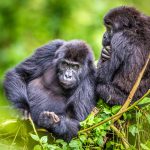
Ndeze is one of the original survivors of the 2007 Rugendo family tragedy. She was orphaned after her mother was killed and became one of the first gorillas cared for at Senkwekwe. Her story illustrates the lasting consequences of poaching and violence on gorilla families.
Matabishi
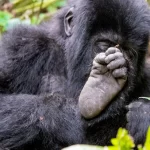
Matabishi is a male mountain gorilla who was found alone near the park boundary in 2010 and subsequently brought into care. After quarantine and rehabilitation, he joined the other orphaned gorillas at the centre.
His rescue highlights the role park rangers play in protecting vulnerable wildlife and responding to suspected poaching incidents.
Remembering Ndakasi and Mazuka
Ndakasi, another well-known resident and survivor of the 2007 tragedy, died in September 2021 following a prolonged illness. Her life became widely known through photographs and footage documenting her relationship with her caregivers.
Mazuka, previously known as Yalala, was rescued in 2017 after being found with a severe snare injury. Despite receiving treatment and dedicated care, she died in March 2021.
Their stories are important reminders that rescue does not erase the effects of trauma, injury or illness. Caring for orphaned mountain gorillas requires specialised veterinary knowledge, long-term commitment and substantial resources.
According to Virunga National Park’s published information about the centre, Ndeze and Matabishi are the two remaining residents identified on its gorilla-orphanage page. Because animal populations can change, travellers and researchers should check the park’s latest official updates for current information.
How Are Orphaned Mountain Gorillas Cared For?
Mountain gorillas are powerful, intelligent and highly social animals. Their care requires more than providing food and a secure enclosure. Caretakers must understand their behaviour, social relationships, physical health and individual needs.
At Senkwekwe Centre, the care programme includes several important elements.
Daily feeding: Gorillas require a carefully managed diet suited to their nutritional needs. Food and feeding routines are supervised by experienced caregivers.
Veterinary care: Regular observation helps caregivers identify signs of injury, illness or changes in behaviour. Veterinary specialists may be involved when treatment is required.
A secure forested environment: The centre’s enclosure provides space for the gorillas to move around, forage and engage in natural behaviours as far as their circumstances allow.
Social companionship: Mountain gorillas are social animals. Appropriate relationships with other gorillas can contribute to their welfare, although introductions and group management must be handled carefully.
Lifelong protection: Gorillas that cannot safely return to the wild may need permanent care. The aim is to provide them with the best possible quality of life while protecting them from further harm.
These activities make Senkwekwe an important example of the work required to protect great apes beyond the better-known experience of seeing wild gorillas during a trek.
Why Can’t the Orphaned Gorillas Simply Return to the Wild?
It is understandable to wonder why rescued gorillas cannot be released into a natural habitat once they recover from their injuries.
However, returning an orphaned mountain gorilla to the wild is not always possible. A gorilla may have lost its family at a very young age, suffered severe injuries, developed long-term health problems or become dependent on human care.
Mountain gorillas also live in complex social groups. A successful release would require an appropriate environment, careful assessment of the animal’s health and behaviour, and a realistic plan for social integration and long-term monitoring.
For some individuals, the risks of release are too high. In these cases, permanent sanctuary care may be the most responsible option.
Senkwekwe’s role is therefore different from that of a rehabilitation programme designed to prepare animals for release. Each gorilla’s circumstances must be assessed individually by qualified conservation professionals.
Senkwekwe Centre and Gorilla Conservation in Congo
The centre contributes to the wider conservation work taking place in Virunga National Park.
Mountain gorillas face threats from habitat pressure, snares, illegal wildlife activity, disease and the effects of insecurity in their range. Orphaned gorillas are a visible reminder of these threats, but protecting the species requires action across the entire ecosystem.
Important conservation measures include:
-
Supporting park rangers and wildlife monitoring.
-
Preventing poaching and illegal wildlife trafficking.
-
Protecting forest habitat and wildlife corridors.
-
Providing appropriate veterinary care for injured or orphaned gorillas.
-
Working with communities to support conservation and reduce pressures on natural resources.
-
Educating visitors about responsible wildlife tourism.
The centre also helps raise awareness of the work required to protect endangered wildlife in a region affected by long-running conflict.
Travellers who wish to support gorilla conservation should use official park channels or established conservation organisations and confirm how donations are used.
Can Tourists Visit Senkwekwe Gorilla Orphanage?
Access to Senkwekwe depends on the park’s operating arrangements and security conditions. A visit should never be assumed to be available simply because the centre appears in an older itinerary or travel article.
Virunga’s official tourism website currently states that gorilla trekking and Mount Nyiragongo hikes are closed until further notice. This notice does not, by itself, confirm whether a separate visit to Senkwekwe is possible. Prospective visitors must obtain direct confirmation from the park.
Before making any plans:
-
Check the latest notice on the official park site
-
Contact the park’s tourism team to ask specifically whether Senkwekwe Centre visits are permitted.
-
Review current government travel advisories for eastern Democratic Republic of the Congo.
-
Confirm border crossings, transport, accommodation and cancellation terms before paying for a trip.
-
Do not travel into a restricted or unsafe area on the assumption that a tour operator can arrange access.
The centre is associated with the Rumangabo park headquarters and the Mikeno Lodge area, but historic accommodation and access information should not be treated as confirmation of present-day availability.
Is Senkwekwe Centre Part of a Congo Gorilla Safari?
Historically, travellers visiting Virunga have combined a stay at Mikeno Lodge with a visit to the gorilla orphanage, forest walks and other park activities. Gorilla trekking and Mount Nyiragongo hiking have also featured in older Congo safari itineraries.
However, these activities must not be advertised as currently bookable without fresh confirmation from Virunga National Park. The park’s operating status and the security situation can change, and safety must take priority over itinerary planning.
For travellers interested in mountain gorillas, Uganda and Rwanda also offer established gorilla trekking experiences, subject to current permit availability and travel conditions. Uganda’s Bwindi Impenetrable National Park and Rwanda’s Volcanoes National Park are two recognised destinations for seeing habituated mountain gorilla families in their natural habitat.
Those experiences are different from visiting Senkwekwe: trekking involves observing wild gorillas under park regulations, while Senkwekwe provides care for gorillas that cannot safely live independently in the wild.
Frequently Asked Questions About Senkwekwe Gorilla Orphanage
Where is Senkwekwe Gorilla Orphanage located?
Senkwekwe Centre is located at the headquarters of Virunga National Park in Rumangabo, in the eastern Democratic Republic of the Congo.
What makes Senkwekwe Centre unique?
It is recognised as the world’s only facility dedicated to caring for orphaned mountain gorillas. Its work focuses on the long-term welfare of gorillas that have lost their families or cannot safely return to the wild.
Can visitors interact directly with the gorillas?
Visitors should not expect to enter the gorillas’ enclosure or touch them. Any authorised visit must follow the centre’s rules and the instructions of its staff. Confirm current access arrangements with Virunga National Park.
Is Senkwekwe Centre open to tourists in 2026?
Its current visitor access should be confirmed directly with the park. Virunga’s official website lists mountain gorilla trekking and Mount Nyiragongo hikes as closed until further notice, and the security situation in North Kivu remains a serious consideration.
How many gorillas live at Senkwekwe Centre?
Virunga’s published gorilla-orphanage information identifies Ndeze and Matabishi as the two remaining residents on that page. Check the park’s latest updates for any subsequent changes.
How can I support Senkwekwe Centre?
Use official Virunga National Park channels or reputable conservation organisations, and confirm that any contribution goes towards legitimate conservation or animal-welfare work.
Conclusion: A Lasting Symbol of Hope for Mountain Gorillas
Senkwekwe Gorilla Orphanage represents an important part of mountain gorilla conservation in the Democratic Republic of the Congo. The lives of Ndeze, Matabishi and the gorillas who came before them show how poaching, conflict and injury can permanently change the lives of endangered wildlife.
The centre’s work also demonstrates the dedication required to care for gorillas that cannot safely return to their natural families. Protecting mountain gorillas depends not only on responsible tourism but also on habitat protection, anti-poaching efforts, veterinary expertise and sustained conservation support.
For travellers researching Senkwekwe or planning a future Congo safari, the most important first step is to check the latest official access information and travel advisories. Conservation experiences are meaningful only when they can be undertaken responsibly and safely.