Akagera National Park: Rwanda’s Miraculous Big Five Savannah
No feeling beats that of getting closer and closer to the wilderness that offers you a wide range of wildlife without any interference. However, some destinations might be rarely spoken about. Yet, they offer unbeaten opportunities and wilderness encounters.
Akagera National Park is Rwanda’s us savanna, woodland and wetland reserve. It is situated in the North East part of Rwanda, in the Eastern Province. This perfect destination derives its name from the river that runs along its eastern boundary, Akagera River. Also, it is positioned at a reasonably low altitude on the border with Tanzania
The park is dominated by beautiful scenery of swamps and lakes that follow the winding path of the Akagera River. This river is the most isolated source of the Nile. In addition, this is typical African savannah landscape of twisted acacia woodland mixed-up with open grassland. When we compare Akagera with other similar destinations in the country, we discover that the area is relatively warm and low-lying. The plains are covered by thick, broad-leafed woodland. Moreover, there is lighter acacia woodland and dots of rolling grassland. These are positioned powerfully with stands of the apparently cactus-like Euphorbia candelabra shrub.
Basing on the most recent developments in Akagera national park, no one can compare to the past history of 30 years ago. After the 1994 Genocide against Tutsis, Akagera’s end was just beginning.
But peace started to dictate in 1990 when refugees returned to their country Rwanda after the genocide. However, people were still unstable and battling for their own survival. They embarked on cutting down trees in the forest for timber and poaching the existing wildlife for food, among others. These activities led to the extinction of lions. Rhinos disappeared, and the park’s wildlife was displaced by tens of thousands of long-horned cattle.
The beautiful biodiversity in this destination got lost and, with it, so was employment and tourism. This period saw Akagera national park diminish to the point of its end. Fortunately, thanks to the endless efforts of those who swung into action, one of the oldest wilderness hubs resurrected and returned to glory.
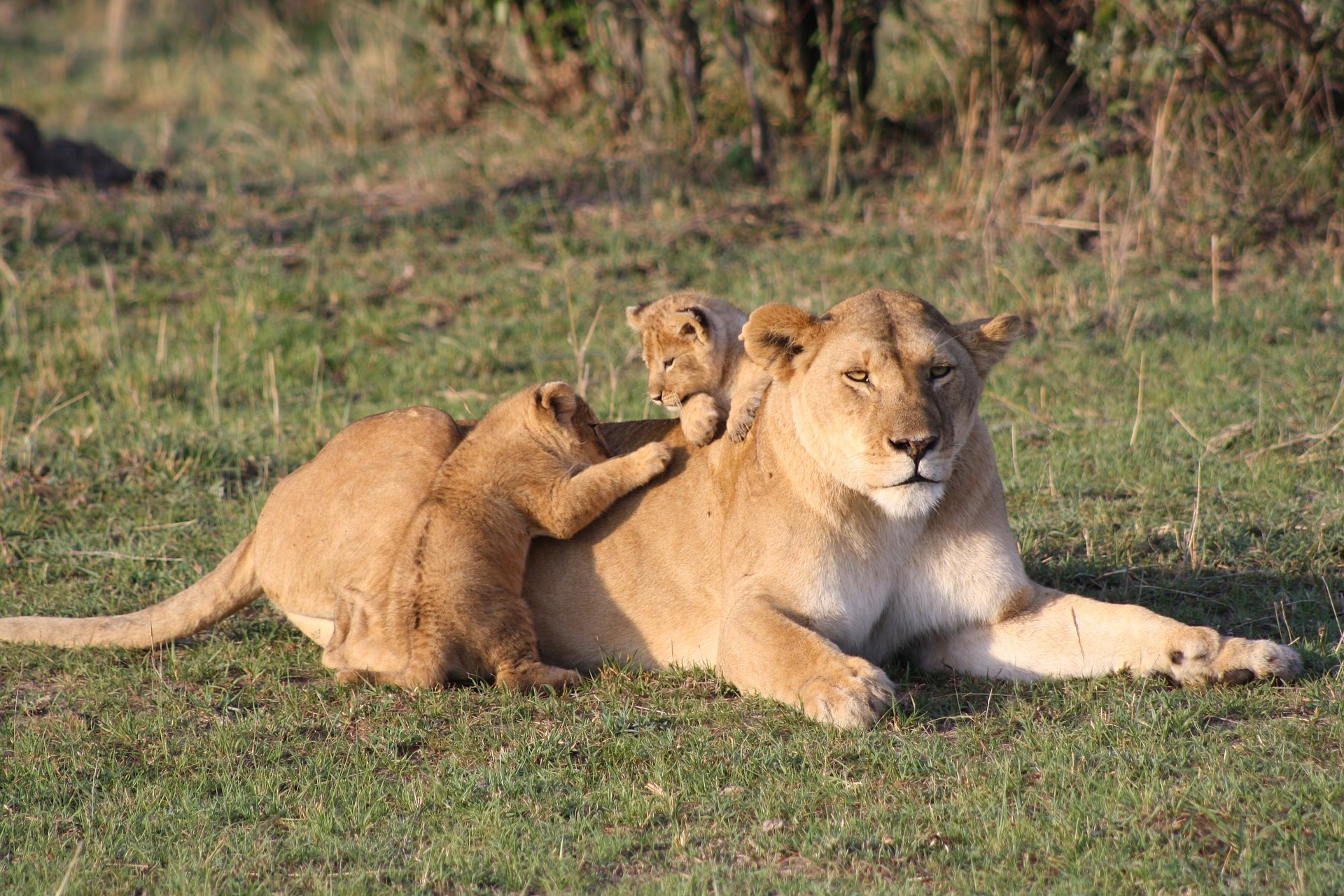
The path to success commenced in 2010. This happened when the management of Akagera was taken up by African Parks in partnership with the Rwanda Development Board (RDB). This partnership transformed the park’s course from one of destruction to prosperity and hope. After years of endless devotion and perfect devotion, in 2017 we saw the historic return of 18 Eastern black rhinoceros after a 10-year absence. In addition, two new male lions were also translocated to the park. This has added to the variety of the growing pride. The number of lions has now multiplied since their reintroduction in 2015. Due to the strict penalties on poaching, the park’s key wildlife populations have sustainably increased. Half of the Rwandan nationals love visiting the destination. Consequently, they contribute to a record US$2 million in revenue. This has made the park 75% self-sustaining in just eight years.
In addition to that, over 1,900 school children go for school tour and studies in Akagera national park each year along with teachers and local leaders as part of the environmental education program
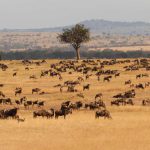
In present times, Akagera national park has become a big game destination. Herds of elephant and buffalo emerge from the woodland. One or two spotted hyenas or even a stray lion can be seen. In addition, giraffes and zebras wander through the savannah. Moreover, several dozen antelope species enjoy their stay at the park. Among these are the handsome chestnut-coated impala, tiny oribis, guarded bushbuck, as well as the reserved tsessebe. The world’s largest antelope, the statuesque cape eland, is also found here.
Akagera river also harbors approximately 50 pods of hippos and huge crocodiles soaking up the sun with their gigantic jaws open-mouthed. On the river banks, in the well-placed trees and bushes, we find a large concentration of bird species singing sweet melodies. These include the bizarre shoebill stork and the endangered and exquisite papyrus gonolek. Both are among the world’s most sought after birds in the blessed continent of Africa. Meanwhile, tourists can engage in several activities while at this destination:
Boat Cruise
As I had said, Akagera National park has it all. One can engage in a boat cruise available on Lake Ihema. This trip will bring you close to the huge crocodiles and large pods of hippos resting at the river banks while enjoying sunshine. There are also a number of animals that come to bathe and drink water in this river. Not forgetting the numerous bird species, all enjoying their peace, such as cormorant and the open-bill stork, colorful African Jacana, fish eagles and marsh fly catcher among others.
Bird watching
Akagera National Park’s offers all its fasnating experience. You can get to the park for one or two days or a month to just engage in birding exercise. This is something that will bring you closer to over 300 bird species as you tranvance its jungles. You will definitely spot birds such as the Shoe bill among others.
Game viewing
The endless efforts by the different stakeholders of Akagera National park have made it very possible for all visitors to encounter and spot their variety animals. You can do this in the different game viewing circuits such as that at Lake Ihema, Kayonza, or Kabarondo. The game drives expose you to different animal species such as lions, elephants, buffaloes, hyenas and, not forgetting, numerous bird species.
A journey to Akagera national park can be done through a private or public means, both on air and on road. By public means, the park can be accessed from Kigali in a two hour long drive. Alternatively, the park can be reached from Kibungo or Rwamagana in about one hour.
Akagera National park is open all year round and accommodation is available ranging from upper-market to budget. After reading this article, I believe your next destination is definitely Akagera National Park.