Lake Turkana National Parks, Kenya: The Cradle of Mankind, Wildlife, Birds, Things to Do and Travel Guide
Discover Lake Turkana in northern Kenya, explore the famous Koobi Fora fossil sites, learn about human evolution, and experience one of Africa’s most remote and fascinating wilderness destinations.
Introduction: Discover Lake Turkana, the Cradle of Mankind
Lake Turkana National Parks are among the most extraordinary destinations in Kenya. Located in the remote northern part of the country, Lake Turkana is famous for its emerald-green waters, volcanic islands, prehistoric fossil discoveries, desert-adapted wildlife, fascinating birdlife and rich cultural heritage.
Often called the Jade Sea because of its distinctive greenish-blue colour, Lake Turkana is the world’s largest permanent desert lake. It lies within the East African Rift Valley, a region internationally recognised for its geological history and remarkable contribution to the study of human evolution.
Lake Turkana is particularly important because of the prehistoric discoveries made around its shores, especially at Koobi Fora in Sibiloi National Park. Scientists have uncovered fossils of ancient human ancestors, prehistoric animals and stone tools that have helped explain how early human populations evolved and adapted to changing environments over millions of years.
For this reason, the Lake Turkana region is often associated with the Cradle of Mankind or the Cradle of Humankind. Its fossil discoveries provide an extraordinary record of early human history and demonstrate the importance of East Africa in understanding our origins.
Beyond its archaeological importance, Lake Turkana offers visitors a unique combination of adventure, nature, wildlife, birdwatching, geology and cultural experiences. Travellers can explore volcanic islands, discover ancient fossil localities, observe Nile crocodiles, meet local communities and enjoy spectacular desert landscapes.
Unlike popular Kenyan safari destinations such as Maasai Mara and Amboseli, Lake Turkana offers a quieter and more remote experience for adventurous travellers.
In this guide, we explore why Lake Turkana is associated with the Cradle of Mankind, where it is located, the best time to visit, wildlife, birds, things to do, accommodation, transport and suggested safari itineraries.
1. Why Is Lake Turkana Called the Cradle of Mankind?
Lake Turkana is one of the most important places in the world for studying human origins. The region contains remarkable fossil deposits that preserve evidence of ancient human ancestors and the environments in which they lived.
The most famous archaeological area is Koobi Fora, situated on the eastern side of Lake Turkana within Sibiloi National Park.
Koobi Fora has produced thousands of fossil specimens, including remains of early hominins, prehistoric mammals and other ancient animals. These discoveries have helped scientists reconstruct important stages in human evolution.
A. Koobi Fora and the story of human evolution
Koobi Fora is internationally recognised for its contribution to the study of human evolution.
Fossils discovered in this region include remains associated with several important early hominin groups, including:
- Australopithecus anamensis
- Homo habilis
- Homo rudolfensis
- Homo erectus
- Paranthropus boisei
These ancient human relatives lived millions of years ago. Their fossil remains provide evidence of changes in body structure, brain size, movement and adaptation.
One particularly important discovery is the KNM-ER 1470 skull, discovered at Koobi Fora in 1972. It is approximately 1.9 million years old and is generally classified as Homo rudolfensis. The fossil has helped researchers understand the diversity of early members of the human genus.
Another important fossil is KNM-ER 1813, a skull of Homo habilis dating to approximately 1.9 million years ago. Its discovery contributed to scientific discussions about the different forms of early humans that lived in East Africa.
The region also contains fossils of Homo erectus, an early human species associated with important developments in body proportions and long-distance walking.
These discoveries demonstrate that human evolution was not a simple, straight line. Different hominin species existed in the same broad region, sometimes during overlapping periods.
B. Why the fossil discoveries are so important
The Lake Turkana Basin preserves ancient sediments formed by rivers, lakes and other geological processes.
Over millions of years, these sediments buried the remains of animals and early human ancestors. Under suitable conditions, some remains became fossilised and were preserved in layers of rock.
By studying the fossils and the geological layers in which they are found, scientists can investigate:
- What early human ancestors looked like.
- How their bodies changed over time.
- Which animals shared their environments.
- How ancient climates changed.
- How vegetation and water availability influenced survival.
- How early human populations adapted to different landscapes.
The fossil record is especially valuable because it combines human remains with evidence of the plants, animals and environments that existed at the same time.
The UNESCO World Heritage Centre recognises the Koobi Fora deposits as exceptionally important for understanding human ancestry and ancient environments. UNESCO also identifies several important fossil and archaeological localities within the wider Lake Turkana property.
C. Why is East Africa important in the history of mankind?
Lake Turkana is part of the wider East African Rift Valley, a region containing some of the world’s most important fossil sites.
Other important discoveries have been made in Ethiopia and Tanzania, including the Omo Valley, Hadar and Olduvai Gorge.
Together, these locations have provided evidence of early human ancestors, ancient environments and important stages in human evolution.
The Lake Turkana Basin is especially significant because of the extraordinary concentration and diversity of its fossil discoveries.
D. Is Lake Turkana the official Cradle of Humankind UNESCO site?
It is important to understand the distinction.
The official UNESCO World Heritage property named the Fossil Hominid Sites of South Africa, commonly known as the Cradle of Humankind, is located in South Africa.
Lake Turkana National Parks are a separate UNESCO World Heritage property in Kenya, inscribed in 1997.
However, both regions are internationally important for understanding human evolution. Lake Turkana’s Koobi Fora fossil deposits have made a major contribution to scientific knowledge about human ancestry.
Therefore, when describing Lake Turkana as the Cradle of Mankind, it is most accurate to explain that it is one of Africa’s leading regions for studying human origins rather than suggesting it is the official South African UNESCO property.
For travellers interested in archaeology, anthropology and the story of human evolution, visiting Koobi Fora is one of the most fascinating experiences in Kenya.
2. Where Is Lake Turkana Located?
Lake Turkana is situated in northern Kenya, extending towards the Ethiopian border.
It lies within the East African Rift Valley and is surrounded by an arid landscape of volcanic hills, rocky outcrops, desert plains and scattered vegetation.
The lake stretches approximately 249 kilometres from north to south and is about 44 kilometres wide at its widest point.
It is bordered by the wider northern Kenya region, particularly Turkana and Marsabit counties.
Lake Turkana is famous for its unusual greenish-blue colour, which gives it the nickname Jade Sea.
What are the Lake Turkana National Parks?
The UNESCO World Heritage property known as Lake Turkana National Parks consists of three protected areas:
1. Sibiloi National Park
Located on the northeastern shores of Lake Turkana, Sibiloi National Park is famous for prehistoric fossil discoveries, Koobi Fora, petrified forests and desert wildlife.
It is the most important area for visitors interested in archaeology and human evolution.
2. Central Island National Park
Central Island is a volcanic island in the middle of Lake Turkana. It is famous for its three volcanic crater lakes, Nile crocodiles, birdlife and dramatic scenery.
3. South Island National Park
South Island is another spectacular volcanic island. It is known for its rugged landscapes, birdlife, crocodile habitats and remote wilderness atmosphere.
Together, these three protected areas cover approximately 161,485 hectares and were inscribed on the UNESCO World Heritage List in 1997.
3. Interesting Facts About Lake Turkana
Lake Turkana has several fascinating features that make it different from other African lakes.
- World’s largest permanent desert lake: Lake Turkana is the largest permanent lake located in a desert environment.
- Known as the Jade Sea: Its unusual greenish-blue colour gives it this famous nickname.
- Important fossil region: Koobi Fora contains some of the world’s most significant discoveries relating to human evolution.
- UNESCO World Heritage Site: Lake Turkana National Parks were inscribed in 1997.
- Ancient animal fossils: The region contains fossil remains of mammals, reptiles and other prehistoric animals.
- Nile crocodile habitat: The lake supports important breeding populations of Nile crocodiles.
- Volcanic islands: Central Island contains three crater lakes.
- Important bird habitat: The lake supports resident and migratory bird species.
- Cultural diversity: Communities including the Turkana, El Molo, Gabra and Dassanach have longstanding connections to the region.
- Ancient geological history: Fossil-rich sediments and volcanic formations provide evidence of environmental changes over millions of years.
The lake is also highly saline compared with many other large African lakes because it has no natural outlet and loses substantial water through evaporation.
4. Best Time to Visit Lake Turkana National Parks
Lake Turkana has a hot, arid climate, with high temperatures, strong winds and relatively low and irregular rainfall.
The destination can be visited throughout the year, but some months are generally more comfortable for road travel, wildlife viewing, birdwatching and outdoor activities.
June to September – One of the Best Periods to Visit
These months are generally favourable for exploring northern Kenya.
Advantages include:
- Relatively cooler temperatures compared with the hottest periods.
- Good opportunities for wildlife viewing.
- Suitable conditions for exploring fossil sites.
- Opportunities for boat excursions when lake conditions permit.
- Excellent landscape photography.
June and July can be particularly attractive for visitors who prefer slightly cooler weather.
January to March – Another Travel Period
January and February are generally dry and hot, making them suitable for travellers interested in desert scenery, cultural experiences and outdoor exploration.
March may experience increasing rainfall in some areas.
April to May – Rainier Period
These months can experience seasonal rainfall, although precipitation around Lake Turkana is unpredictable.
Rain may affect remote roads, making travel more challenging.
October to December – Hot and Variable Conditions
The region remains hot, with occasional seasonal rainfall.
Visitors can still enjoy wildlife viewing, photography, cultural experiences and exploration, but should plan carefully around local weather conditions.
When should you visit Lake Turkana?
| Months | General travel conditions |
|---|---|
| January–February | Generally dry and hot |
| March | Hot, with possible seasonal rain |
| April–May | Wetter; some roads may be challenging |
| June–September | Generally favourable for exploration |
| October | Hot and generally dry |
| November–December | Variable, with occasional rainfall |
Our recommendation: June to September is a good period for most visitors, particularly those planning to travel overland and explore several remote attractions.
Always check local road conditions, weather forecasts and lake conditions before departure.
5. Things to Do at Lake Turkana National Parks
Lake Turkana offers a unique combination of adventure, nature, archaeology, wildlife and cultural experiences.
Here are some of the best activities to include in your itinerary.
A. Explore Koobi Fora – Discover the Cradle of Mankind
A visit to Koobi Fora is one of the most important experiences for anyone interested in human origins.
Located within the Sibiloi National Park region, Koobi Fora is famous for its prehistoric fossil discoveries, which have helped scientists understand early human ancestors and the evolution of our species.
Visitors can learn about the discoveries of ancient hominin fossils, prehistoric animals and stone tools.
Highlights include:
- Ancient human ancestor fossil localities.
- Prehistoric animal remains.
- Archaeological discoveries.
- Geological formations.
- Research into human evolution.
- The changing environments of the ancient Turkana Basin.
Koobi Fora is particularly rewarding for visitors interested in archaeology, anthropology, history and science.
It offers a rare opportunity to explore a landscape that has helped scientists reconstruct millions of years of evolutionary history.
B. Visit Central Island National Park
Central Island is one of the most fascinating attractions on Lake Turkana.
The island is located almost in the middle of the lake and is characterised by volcanic craters, rugged terrain and beautiful lake scenery.
It contains three spectacular crater lakes:
- Crocodile Lake.
- Flamingo Lake.
- Tilapia Lake.
The island is also known for important Nile crocodile breeding habitats.
Visitors can enjoy boat excursions, photography, geological exploration, birdwatching and views of the volcanic formations.
Boat access should be arranged in advance and depends on local operators and lake conditions.
C. Discover South Island National Park
South Island National Park is another remarkable protected area within the Lake Turkana World Heritage property.
Its volcanic scenery, rocky outcrops, fossil-rich formations and remote shoreline create a dramatic wilderness environment.
The island is particularly interesting for:
- Nature photography.
- Birdwatching.
- Geological exploration.
- Observing volcanic landscapes.
- Experiencing the remote wilderness of northern Kenya.
The island is also recognised for its importance to Nile crocodiles and birdlife.
D. Explore the Petrified Forest
Sibiloi National Park contains fascinating petrified forest remains.
These are ancient trees that have undergone fossilisation over geological time.
The petrified wood provides evidence of how the region’s vegetation and environment have changed over millions of years.
It is an interesting attraction for visitors who enjoy geology, prehistoric landscapes and natural history.
E. Enjoy Boat Excursions on Lake Turkana
A boat excursion is one of the most memorable ways to experience Lake Turkana.
Visitors can enjoy views of the vast lake, surrounding volcanic islands and remote shorelines.
Depending on local arrangements, boat trips can include:
- Scenic lake excursions.
- Exploring Central Island.
- Birdwatching from the water.
- Photography of volcanic landscapes.
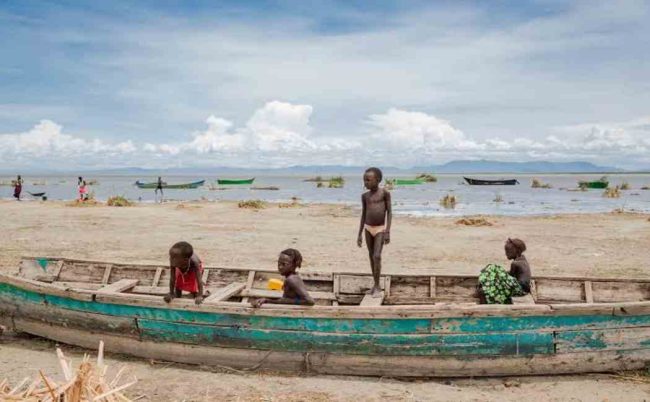
- Observing traditional fishing activities.
- Visiting selected lakeside communities.
Boat trips should always be arranged with experienced local operators. Lake Turkana can experience strong winds and challenging water conditions, so weather and safety checks are essential.
F. Experience Turkana Culture
A visit to Lake Turkana would not be complete without learning about the communities that live around the lake.
The Turkana people are among the most prominent communities in the region. Their cultural heritage is closely connected to pastoralism, fishing, traditional crafts and the surrounding environment.
Visitors can arrange respectful cultural experiences to learn about:
- Traditional Turkana homesteads.
- Pastoral lifestyles and livestock keeping.
- Traditional clothing and beadwork.
- Local food and customs.
- Traditional music and dances.
- Fishing and lakeside livelihoods.
Other communities in the wider region include the El Molo, Gabra and Dassanach.
Community visits should be arranged through knowledgeable local guides, with respect for local customs and photography preferences.
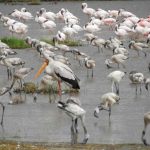
G. Go Birdwatching
Lake Turkana is an important birdwatching destination, especially for travellers interested in waterbirds and migratory species.
The protected areas support resident and migratory birds, with the lake providing important feeding and breeding habitats.
Birds to look out for include:
- Lesser flamingos.
- Greater flamingos.
- Great white pelicans.
- Goliath herons.
- African fish eagles.
- Grey herons.
- Cormorants.
- African skimmers.
- Migratory shorebirds.
The Central Island and Sibiloi areas are particularly interesting for bird enthusiasts.
Early morning and late afternoon are generally rewarding times for observing birds and taking photographs.
H. Enjoy Fishing Experiences
Fishing is an important traditional livelihood around Lake Turkana.
The lake supports several fish species, including Nile perch and tilapia.
Visitors can learn about traditional fishing practices and, where permitted, arrange fishing experiences with local operators.
All fishing activities should follow applicable conservation rules and local regulations.
I. Enjoy Photography and Stargazing
Lake Turkana is an excellent destination for landscape photographers.
Its unusual scenery offers opportunities to photograph:
- Emerald-green lake waters.
- Volcanic islands.
- Desert landscapes.
- Traditional fishing boats.
- Birds and wildlife.
- Sunrise and sunset scenery.
- Star-filled night skies.
Because the region is remote and has relatively little artificial light, it can also offer impressive opportunities for stargazing and astrophotography when skies are clear.
6. Wildlife Found at Lake Turkana National Parks
Lake Turkana supports wildlife adapted to its hot, dry and challenging environment.
Unlike Kenya’s famous savannah parks, where large herds of elephants and buffaloes dominate the landscape, Lake Turkana offers opportunities to discover desert-adapted species, reptiles and aquatic wildlife.
Some animals to look out for include:
| Animal | Interesting feature |
|---|---|
| Nile crocodiles | Important breeding populations around the lake |
| Grevy’s zebras | Endangered zebra species found in northern Kenya |
| Somali ostriches | Large flightless birds adapted to dry environments |
| Beisa oryx | Desert-adapted antelope |
| Grant’s gazelles | Antelopes found in open habitats |
| Gerenuks | Long-necked antelopes known for standing upright to feed |
| Lions | Predators of the wider Sibiloi ecosystem |
| Cheetahs | Carnivores associated with open landscapes |
| Hyenas | Important scavengers and predators |
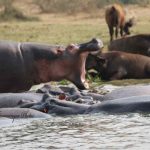
| Hippopotamuses | Associated with suitable aquatic habitats |
Wildlife sightings are not guaranteed, especially in such a vast and remote environment. A knowledgeable local guide and sufficient time in the region will improve your chances.
7. Birds to See at Lake Turkana
Lake Turkana is a worthwhile destination for specialist birdwatchers.
Its combination of open water, shoreline habitats, islands and surrounding drylands supports a diverse range of bird species.
Notable birds include:
- Lesser flamingos.
- Greater flamingos.
- African skimmers.
- Great white pelicans.
- Goliath herons.
- African fish eagles.
- Grey herons.
- Cormorants.
- Migratory waders and shorebirds.
- Other dryland and desert-adapted birds.
Best time for birdwatching
Birdwatching is possible throughout the year.
Central Island is also recognised as a seasonal stopover for migratory birds, including Palearctic migrants, particularly during March to May.
Early mornings and late afternoons are generally rewarding times for birdwatching and photography.
For serious birdwatchers, we recommend spending at least two or three nights in the Lake Turkana region.
8. Where to Stay at Lake Turkana National Parks
Accommodation around Lake Turkana is more limited than in popular Kenyan safari destinations such as Maasai Mara and Amboseli.
However, there are options for travellers seeking a comfortable stay or a wilderness camping experience.
A. Lobolo Camp
Lobolo Camp is an accommodation option associated with the Lake Turkana region.
It is worth considering for travellers looking for a remote lakeside safari experience and opportunities to explore the surrounding landscapes.
B. Desert Rose Lodge
Desert Rose Lodge is located in the wider Lake Turkana region and is an option for visitors exploring northern Kenya.
Its remote setting makes it suitable for travellers interested in nature, cultural encounters and desert scenery.
C. Eliye Springs Resort
Eliye Springs Resort is situated on the western side of Lake Turkana.
It is an accommodation option for travellers interested in lakeside scenery, relaxing by the water and exploring the western Turkana region.
D. Cradle Tented Camp
Cradle Tented Camp is another accommodation option listed for the wider Lake Turkana destination.
It is worth considering when planning an excursion towards Sibiloi and the Koobi Fora region.
E. Alia Bay Guest House
Alia Bay Guest House is listed among the accommodation options associated with Sibiloi National Park.
It can be considered by visitors exploring the northern and eastern parts of Lake Turkana.
F. Camping at Lake Turkana
For adventurous travellers, camping is another way to experience the destination.
Public campsites are available in selected protected areas, including Crocodile Campsite at Sibiloi and Chooro Public Campsite at Central Island.
Camping requires careful preparation because of the remote setting, heat, limited supplies and need for appropriate safety arrangements.
Important accommodation advice: Confirm that a property is operating, its exact location, current rates, access arrangements and availability before travelling. Some Lake Turkana accommodation facilities are far apart, so choose your overnight stops according to the areas you plan to visit.
9. How to Get to Lake Turkana National Parks
Getting to Lake Turkana is an adventure in itself.
Because of its remote location, travel requires careful planning, particularly for visitors travelling by road.
There are three main ways to access the destination: by road, by air and by boat.
A. By Road from Nairobi
The journey from Nairobi to the Lake Turkana region can take two to three days, depending on the route, road conditions and destination within the lake region.
Two main overland approaches are commonly used.
Route 1: Nairobi – Kitale – Lodwar – Kalokol
This route takes you through western Kenya towards the western shores of Lake Turkana.
From Kalokol, visitors can arrange boat transfers to selected destinations, including Central Island and the Alia Bay area.
Route 2: Nairobi – Marsabit – North Horr – Sibiloi
This route takes you through the northern Kenya wilderness towards the eastern side of Lake Turkana.
It is particularly relevant for visitors planning to explore Sibiloi National Park and Koobi Fora.
Another approach is via Maralal and South Horr, depending on the destination and prevailing road conditions.
A high-clearance 4WD vehicle is essential for remote overland routes. Travelling in convoy is recommended, particularly on isolated sections.
B. By Air
Flying is a convenient alternative for travellers who want to reduce long road journeys.
The western Lake Turkana region can be accessed through Lodwar and other local airstrips, subject to flight availability and arrangements.
Visitors planning to explore Sibiloi should confirm charter flight and landing arrangements in advance.
C. By Boat
Boat transfers are useful for reaching some of the lake’s islands and remote protected areas.
For example:
- Boats can be arranged from Kalokol for access to Central Island.
- Boat excursions can be arranged for scenic lake exploration.
- Transfers to selected shorelines and islands depend on local operators and lake conditions.
Boat trips should be organised in advance, with suitable safety equipment and weather checks.
10. Suggested Lake Turkana Safari Itineraries
Because Lake Turkana is a remote destination, we recommend spending at least three to five days exploring the region, depending on your travel arrangements.
3-Day Lake Turkana Adventure
Day 1: Arrival in Lodwar – Lake Turkana
- Arrive in Lodwar.
- Meet your local safari guide.
- Transfer to your accommodation around Lake Turkana.
- Enjoy scenic views of the Jade Sea.
- Experience local Turkana culture.
- Dinner and overnight.
Day 2: Boat Excursion and Central Island
- Enjoy breakfast.
- Take a boat excursion towards Central Island, subject to weather conditions.
- Explore the volcanic island and its crater lakes.
- Look out for crocodiles and waterbirds from safe viewing areas.
- Return to your accommodation.
- Dinner and overnight.
Day 3: Birdwatching and Departure
- Enjoy early morning birdwatching.
- Photograph the lake and surrounding landscapes.
- Explore a local community or fishing settlement.
- Transfer to Lodwar for your onward journey.
5-Day Lake Turkana and Sibiloi Adventure
Day 1: Arrive in Lodwar and transfer to Lake Turkana.
Day 2: Enjoy a boat excursion and explore Central Island.
Day 3: Travel towards Sibiloi National Park and explore the desert landscapes.
Day 4: Visit Koobi Fora, explore fossil-rich areas and discover the history of human evolution.
Day 5: Enjoy wildlife viewing and photography before beginning your return journey or continuing to another destination.
This itinerary is particularly suitable for adventurous travellers, photographers, birdwatchers and people interested in archaeology.
11. What to Pack for a Lake Turkana Safari
Lake Turkana has a hot and arid climate, and visitors should prepare for strong sunshine, high temperatures, dust and limited services in remote areas.
We recommend packing:
- Lightweight, breathable safari clothing.
- Comfortable walking shoes or hiking boots.
- Sun hat or wide-brimmed hat.
- Sunscreen and sunglasses.
- Binoculars for birdwatching.
- Camera with a telephoto lens.
- Drinking water and reusable water bottles.
- Insect repellent.
- Personal medication.
- First-aid kit.
- Flashlight or headlamp.
- Power banks and spare batteries.
- Camping equipment if camping.
- Snacks and other essential supplies.
For boat excursions, bring appropriate sun protection and follow your operator’s advice on life jackets and water safety.
12. Important Travel and Safety Tips for Lake Turkana
Lake Turkana is beautiful but remote. Good preparation is essential for a comfortable and safe trip.
Here are some important considerations:
Travel with an experienced local guide: Local guides understand the roads, weather, communities and remote areas.
Use a suitable 4WD vehicle: Many roads are rough, sandy or remote. A high-clearance 4WD is essential for overland travel.
Carry sufficient water and food: Shops and fuel stations are limited in some parts of northern Kenya.
Plan your fuel stops: Do not assume fuel will be available at every settlement.
Check weather and lake conditions: Strong winds can make boat excursions challenging.
Respect local cultures: Ask permission before photographing people, homes or cultural ceremonies.
Observe wildlife safely: Nile crocodiles and other wild animals are potentially dangerous. Maintain a safe distance and follow your guide’s instructions.
Check current travel advisories: Because the region is remote and some routes pass through areas with changing security conditions, obtain current advice from local authorities and your tour operator before travelling.
Arrange communication: Mobile coverage can be limited. Carry suitable communication arrangements for remote journeys.
13. Is Lake Turkana Worth Visiting?
Absolutely! Lake Turkana is one of the most unique and fascinating destinations in East Africa.
It offers a completely different experience from the traditional African safari, combining prehistoric history, desert wildlife, volcanic landscapes, birdwatching and cultural encounters.
It is particularly worthwhile for:
- Adventurous travellers looking for remote destinations.
- Wildlife and landscape photographers.
- Birdwatching enthusiasts.
- Archaeology and anthropology enthusiasts.
- Nature and geology lovers.
- Cultural tourism enthusiasts.
- Travellers interested in UNESCO World Heritage Sites.
- Visitors fascinated by the origins and evolution of humankind.
Lake Turkana may require more logistical preparation than Kenya’s popular safari destinations, but the experience is exceptional.
For visitors interested in human evolution, Koobi Fora provides a rare opportunity to explore one of the world’s most important fossil regions.
14. Combine Lake Turkana with Other Kenya Safari Destinations
If you have additional time, consider combining Lake Turkana with other interesting destinations in Kenya.
A. Samburu National Reserve
Samburu is famous for its unique northern Kenya wildlife species, including Grevy’s zebra, reticulated giraffe, Beisa oryx, Somali ostrich and gerenuk.
It is an excellent destination for wildlife photographers.
B. Marsabit National Park
Marsabit National Park is famous for its forested volcanic mountain, crater lakes, elephants and beautiful natural scenery.
It offers an interesting contrast to the arid landscapes around Lake Turkana.
C. Buffalo Springs National Reserve
Buffalo Springs offers opportunities to explore northern Kenya’s wildlife and landscapes.
D. Lake Nakuru National Park
Lake Nakuru is famous for its rhinos, Rothschild’s giraffes, lions and rich birdlife.
E. Maasai Mara National Reserve
The Maasai Mara is one of Africa’s most famous safari destinations, offering excellent opportunities to see lions, elephants, leopards and cheetahs, as well as the seasonal Great Migration.
These combinations can create an exciting multi-destination Kenya safari.
15. Combine Lake Turkana with a Uganda Safari
For travellers planning a longer East African holiday, Lake Turkana can be combined with Uganda’s famous primate and wildlife destinations.
At Epic Uganda Vacation, we specialise in tailor-made Uganda safaris and combined East African adventures.
A Uganda and Kenya safari can include:
Bwindi Impenetrable National Park: Enjoy mountain gorilla trekking and encounter endangered mountain gorillas in their natural rainforest habitat.
Kibale National Park: Experience chimpanzee trekking in one of Africa’s best-known primate destinations.
Murchison Falls National Park: Discover elephants, giraffes, lions, buffaloes and spectacular waterfalls.
Queen Elizabeth National Park: Enjoy wildlife safaris, boat cruises and opportunities to see tree-climbing lions.
Lake Turkana National Parks: Explore volcanic islands, prehistoric fossil sites, desert wildlife and fascinating cultures.
Maasai Mara National Reserve: Experience classic African wildlife viewing and the Great Migration seasonally.
You can begin your journey in Uganda and continue to Kenya, or start in Kenya and finish in Uganda, depending on your international flight arrangements.
These combined safaris are particularly suitable for travellers who want to experience mountain gorillas, chimpanzees, African wildlife, ancient history and unique landscapes in one holiday.
16. Frequently Asked Questions About Lake Turkana National Parks
1. Where is Lake Turkana located?
Lake Turkana is located in northern Kenya, extending towards the Ethiopian border. It lies within the East African Rift Valley and is surrounded by arid desert landscapes.
2. Why is Lake Turkana called the Jade Sea?
Lake Turkana is called the Jade Sea because of its distinctive greenish-blue colour, which resembles the colour of jade.
3. Why is Lake Turkana associated with the Cradle of Mankind?
Lake Turkana is associated with the Cradle of Mankind because the surrounding Turkana Basin contains important prehistoric fossil discoveries. Koobi Fora has produced fossils of several early hominin species, including Homo habilis, Homo rudolfensis and Homo erectus. These discoveries have helped scientists understand human evolution.
4. Is Lake Turkana the official Cradle of Humankind UNESCO site?
No. The UNESCO World Heritage property officially named the Cradle of Humankind is in South Africa. Lake Turkana is a separate UNESCO World Heritage property in Kenya and is one of the world’s most important regions for studying human origins.
5. What is Koobi Fora famous for?
Koobi Fora is famous for its prehistoric fossil deposits, including early human ancestor remains, ancient animal fossils and archaeological discoveries.
6. What is the best time to visit Lake Turkana?
June to September is generally a favourable period for exploring the region, although January and February can also be good months for travel.
7. How many days should I spend at Lake Turkana?
We recommend at least three to five days, depending on whether you want to explore Central Island, Sibiloi National Park, Koobi Fora and surrounding communities.
8. Can I see crocodiles at Lake Turkana?
Yes. Lake Turkana supports important breeding populations of Nile crocodiles. They can be observed in suitable habitats, particularly around protected islands and shorelines. Always maintain a safe distance.
9. What animals live around Lake Turkana?
Animals include Nile crocodiles, Grevy’s zebras, Somali ostriches, Beisa oryx, gerenuks, gazelles, lions, cheetahs and hyenas.
10. Is Lake Turkana a UNESCO World Heritage Site?
Yes. Lake Turkana National Parks were inscribed on the UNESCO World Heritage List in 1997. The property consists of Sibiloi, Central Island and South Island National Parks.
11. How do I get to Lake Turkana from Nairobi?
You can travel by road via Kitale and Lodwar or via Marsabit and North Horr. The journey generally requires two to three days. You can also fly to Lodwar and arrange onward transfers.
12. Can I visit Central Island National Park?
Yes. Visitors can arrange boat transfers from locations such as Kalokol, subject to weather conditions and local boat arrangements.
13. Where can I stay at Lake Turkana?
Accommodation options include Desert Rose Lodge, Eliye Springs Resort, Lobolo Camp, Cradle Tented Camp and selected guesthouses and campsites. Confirm current operations before travelling.
14. Is Lake Turkana suitable for families?
Yes, for families comfortable with remote travel and long journeys. However, the hot climate, limited facilities and crocodile habitats mean that careful planning and appropriate supervision are essential.
15. Can Lake Turkana be combined with a Maasai Mara safari?
Yes. It is possible to combine Lake Turkana with Maasai Mara, Samburu and other Kenyan destinations as part of a longer private safari.
17. Plan Your Lake Turkana Adventure with Epic Uganda Vacation
Lake Turkana is one of Africa’s most extraordinary destinations, offering a remarkable combination of natural beauty, ancient history, wildlife, birdlife and cultural experiences.
From exploring the prehistoric fossil sites of Koobi Fora and discovering the volcanic islands of Central and South Island to observing Nile crocodiles and experiencing traditional Turkana culture, every part of the journey offers something different.
For travellers interested in the story of human evolution, Lake Turkana provides an especially meaningful experience. Its fossil-rich landscapes preserve evidence of ancient human ancestors and the changing environments in which they lived.
At Epic Uganda Vacation, we believe East Africa has much more to offer than traditional wildlife safaris.
We organise tailor-made private holidays across Uganda and East Africa, helping travellers discover mountain gorillas, chimpanzees, wildlife, beautiful landscapes, cultural destinations and hidden natural treasures.
Whether you are interested in a Lake Turkana adventure, a Kenya wildlife safari, Uganda gorilla trekking or a combined Uganda and Kenya holiday, we can customise your itinerary according to your interests, travel dates and budget.
Contact Epic Uganda Vacation today to start planning your unforgettable East African adventure.