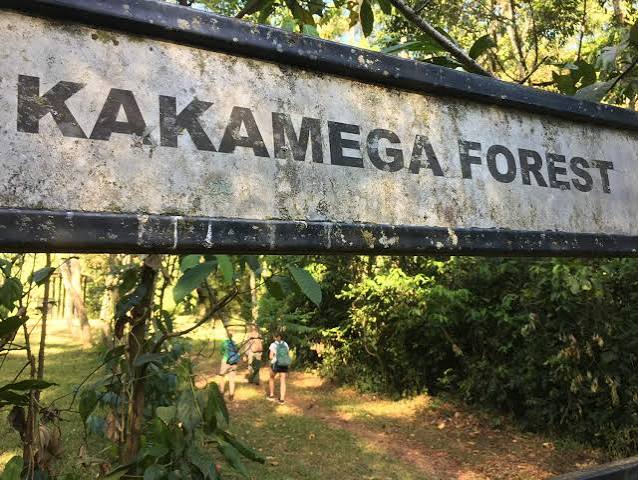
Kakamega Forest, Kenya: Bird Watching, Things to Do, Where to Stay & Travel Guide
Kakamega Forest is one of Kenya’s most remarkable natural treasures and a paradise for bird watchers, nature lovers, hikers, photographers, and wildlife enthusiasts. Located in western Kenya, this tropical rainforest is the country’s only remaining substantial remnant of the ancient Guineo-Congolian rainforest ecosystem that once stretched across Central and West Africa.
Unlike Kenya’s famous savannah destinations, where visitors travel to see lions, elephants, and giraffes, Kakamega Forest offers a completely different experience. Here, you explore lush green vegetation, listen to the sounds of tropical birds, discover colourful butterflies, encounter monkeys, and walk beneath towering indigenous trees.
Whether you are planning a bird-watching holiday, a nature walk, a photography adventure, or a longer Kenya safari, Kakamega Forest is a destination worth including in your itinerary.
In this guide, we explore the best things to do in Kakamega Forest, bird-watching opportunities, wildlife, accommodation options, the best time to visit, and how to plan your trip.
1. Where Is Kakamega Forest Located?
Kakamega Forest is situated in western Kenya, approximately 400 kilometres northwest of Nairobi, near Kakamega town in Kakamega County.
The forest covers approximately 238 square kilometres when considering the wider forest ecosystem and associated protected areas. It includes several protected sections, notably Kakamega Forest National Reserve and the surrounding forest reserves.
Its unique tropical rainforest environment makes it one of the most important biodiversity destinations in East Africa.
Visitors can reach Kakamega Forest by road from Nairobi, Kisumu, Eldoret, and other major towns in western Kenya.
2. Bird Watching in Kakamega Forest
Kakamega Forest is among Kenya’s most rewarding bird-watching destinations. It is especially attractive to birders interested in tropical forest species that are difficult to find elsewhere in East Africa.
The forest supports more than 360 recorded bird species, including several species associated with the Central African rainforest.
Bird watching is best enjoyed with an experienced local birding guide who understands bird calls, habitats, and the best forest trails for spotting different species.
Birds to Look Out for in Kakamega Forest
Some notable birds you may encounter include:
-
Great Blue Turaco: A spectacular large bird with striking blue and green plumage and a distinctive red and yellow bill.
-
Black-and-white-casqued Hornbill: A remarkable forest bird with a large casque and impressive appearance.
-
Blue-headed Bee-eater: A colourful bird that attracts photographers and bird enthusiasts.
-
Turner’s Eremomela: A sought-after forest bird of particular interest to specialist birders.
-
African Grey Parrot: An intelligent and fascinating parrot associated with forest habitats.
-
White-spotted Flufftail: A secretive forest-floor species that requires patience and a skilled guide.
-
African Broadbill: Another interesting species for keen tropical forest birders.
Other forest birds include sunbirds, flycatchers, greenbuls, barbets, and numerous other species.
Best Bird-Watching Experiences
You can enjoy different bird-watching experiences in Kakamega Forest:
-
Early morning bird walks when forest birds are most active.
-
Guided birding excursions along established forest trails.
-
Bird photography in areas with good natural light.
-
Full-day birding excursions for serious bird watchers.
-
Specialist birding tours targeting rare and range-restricted species.
For serious birders, spending at least two or three nights around the forest gives you more opportunities to explore different habitats and locate elusive species.
3. Wildlife and Primates in Kakamega Forest
Although Kakamega Forest is famous for its birdlife, it is also home to several fascinating primate species and other forest animals.
Some of the wildlife you may encounter includes:
-
Black-and-white colobus monkeys: Easily recognized by their long black-and-white fur and impressive bushy tails.
-
Blue monkeys: Forest-dwelling primates commonly seen moving through the tree canopy.
-
Red-tailed monkeys: Small, active monkeys that are often spotted feeding in the forest.
-
De Brazza’s monkeys: Rare and distinctive monkeys, particularly associated with the neighbouring Kisere Forest.
-
Olive baboons: Occasionally encountered around forest edges.
-
Pottos: Nocturnal primates that are difficult to spot during daytime walks.
Other animals include bush pigs, giant forest hedgehogs, squirrels, duikers, and numerous reptiles and amphibians.
Kakamega is particularly rewarding for visitors who enjoy observing animals in their natural rainforest environment rather than viewing wildlife from a safari vehicle.
4. Things to Do in Kakamega Forest
There are several exciting activities to enjoy in Kakamega Forest, whether you are visiting for a few hours or spending several days exploring the rainforest.
A. Guided Nature Walks
Walking through Kakamega Forest is one of the best ways to experience its biodiversity.
Accompanied by an experienced local guide, you can explore forest trails, discover indigenous tree species, identify birds by their calls, and learn about the medicinal plants used by local communities.
Nature walks are suitable for individuals, couples, families, and groups.
B. Visit Isiukhu Waterfalls
The beautiful Isiukhu Waterfalls are among the natural attractions associated with Kakamega Forest.
The sound of flowing water, surrounding greenery, and peaceful forest atmosphere make this a wonderful location for nature photography and relaxation.
It is worth combining a waterfall visit with a guided forest walk.
C. Climb Buyangu Hill
Buyangu Hill offers beautiful views over the surrounding forest canopy.
The short but rewarding climb is ideal for visitors who enjoy scenic viewpoints and photography.
It is particularly attractive during clear weather when you can appreciate the vast green landscape.
D. Explore Lirhanda Hill
Lirhanda Hill is another interesting scenic attraction in the Kakamega Forest ecosystem.
Visitors can enjoy hiking, forest scenery, and panoramic views of the surrounding landscape.
It is also an excellent place to include in a nature and photography excursion.
E. Butterfly Watching
Kakamega Forest supports hundreds of butterfly species, making it a fascinating destination for nature lovers and photographers.
You can observe butterflies of different colours, sizes, and patterns as they move through forest clearings and vegetation.
A knowledgeable guide can help you identify different species.
F. Cycling and Picnicking
For visitors looking for outdoor adventure beyond walking, cycling and picnicking are also possible activities.
Cycling offers a different perspective of the forest environment, while designated picnic areas provide opportunities to relax and enjoy the natural surroundings.
G. Cultural Experiences with Local Communities
A visit to Kakamega Forest can also include cultural experiences with communities living around the forest.
You may learn about traditional foods, local farming practices, indigenous plants, traditional dances, and the cultural heritage of western Kenya.
Community-based tourism also creates opportunities for local people to benefit from conservation and tourism activities.
These activities are among the experiences promoted by the Kenya Wildlife Service.
5. Where to Stay in Kakamega Forest
Accommodation is an important consideration when planning a visit to Kakamega Forest, particularly for bird watchers who want to begin their excursions early in the morning.
There are several accommodation options, ranging from forest retreats and eco-lodges to guesthouses, campsites, and hotels in Kakamega town.
Here are some options to consider.
A. Rondo Retreat Centre
Rondo Retreat Centre is one of the best-known accommodation options for visitors seeking a peaceful stay within the Kakamega rainforest environment.
The property is surrounded by lush vegetation and offers a relaxing atmosphere for bird watchers, photographers, couples, and nature enthusiasts.
It is particularly suitable for travellers who want to combine comfortable accommodation with guided forest exploration.
B. KEEP Bandas at Kakamega Forest
KEEP Bandas offers a more rustic accommodation experience around Lirhanda Hill.
It is a good option for visitors interested in conservation, hiking, and exploring the southern part of the forest.
Its forest setting makes it attractive to budget-conscious nature enthusiasts who value proximity to walking trails.
C. Isukuti Guest House
Isukuti Guest House is a Kenya Wildlife Service accommodation option inside the northern reserve area.
It is suitable for visitors who want to stay close to the forest and enjoy convenient access to nature trails and wildlife-viewing opportunities.
D. Kampi ya Lucki
Kampi ya Lucki is a nature-oriented accommodation option near Kakamega Forest.
It offers a peaceful setting, forest views, and access to outdoor activities, including guided walks and hiking.
E. Golf Hotel Kakamega
For travellers who prefer staying in town, Golf Hotel Kakamega provides a convenient hotel option.
It is suitable for visitors who want access to town facilities while using Kakamega as a base for exploring the forest.
Which accommodation should you choose?
-
For a peaceful rainforest retreat: Rondo Retreat Centre.
-
For a rustic conservation-oriented experience: KEEP Bandas.
-
For staying inside the reserve: Isukuti Guest House.
-
For a nature-oriented forest-side stay: Kampi ya Lucki.
-
For town-based accommodation: Golf Hotel Kakamega.
Accommodation availability, facilities, and rates should be confirmed directly before travelling.
6. Best Time to Visit Kakamega Forest
Kakamega Forest can be visited throughout the year because it is a tropical rainforest with a relatively wet climate.
However, some months are more convenient for hiking, photography, and bird watching.
December to February
These months are generally among the drier periods and are particularly suitable for visitors who want to enjoy forest walks and outdoor activities with fewer interruptions from rain.
June to September
This period can also offer favourable conditions for exploring the forest, hiking, and bird watching.
March to May
These months generally experience heavier rainfall. Trails can become muddy, and visitors should prepare for wet conditions.
October to November
Rainfall may also increase during this period, although the forest remains beautiful and offers rewarding nature experiences.
When Is the Best Time for Bird Watching?
Early mornings are generally the best time for bird watching because many forest birds are active and vocal.
For serious bird watchers, we recommend spending at least two to three nights around Kakamega Forest to maximize opportunities for spotting different species.
7. How to Get to Kakamega Forest
Kakamega Forest is accessible by road and air.
By Road from Nairobi
The journey from Nairobi is approximately 418 kilometres, depending on the route and starting point.
The drive takes you through western Kenya via Nakuru and Kapsabet before reaching Kakamega town and the forest.
From Kisumu
Kisumu is another convenient starting point for travellers visiting Kakamega Forest.
The journey is approximately 40–50 kilometres to the forest area, depending on the entrance and route.
This makes it easy to combine a visit to Kakamega Forest with other western Kenya attractions.
By Air
Visitors can fly to Kisumu or Eldoret and continue to Kakamega by road.
There may also be scheduled flights serving Kakamega, depending on the airline and timetable.
The Kenya Wildlife Service provides additional access information and directions for visitors.
8. Kakamega Forest Entrance Fees
Kakamega Forest National Reserve is managed by the Kenya Wildlife Service (KWS). Visitors are required to pay applicable conservation fees.
The KWS website currently lists the following adult entrance fees:
| Visitor category | Adult fee |
|---|---|
| Kenyan and East African citizens | KES 500 |
| Kenya residents | KES 675 |
| African citizens | USD 20 |
| International non-residents | USD 50 |
Rates are subject to change. Confirm the applicable fees and payment requirements on the official KWS
9. Suggested 2-Day Kakamega Forest Itinerary
If you are planning a short visit, two days provide a good opportunity to experience the forest’s major attractions.
Day 1: Arrival and Forest Exploration
-
Arrive in Kakamega and transfer to your selected accommodation.
-
Enjoy lunch and relax.
-
In the afternoon, take a guided nature walk through the rainforest.
-
Look out for monkeys, butterflies, indigenous trees, and forest birds.
-
Visit a scenic viewpoint or waterfall, depending on your route.
-
Return to your accommodation for dinner and overnight.
Day 2: Bird Watching and Nature Experiences
-
Start early with a guided bird-watching excursion.
-
Look for Great Blue Turacos, hornbills, bee-eaters, and other forest specialists.
-
Enjoy breakfast.
-
Continue exploring the forest or visit a nearby community for a cultural experience.
-
Depart for your next destination.
For dedicated bird watchers, we recommend extending the stay to three or four days.
10. What to Pack for a Kakamega Forest Safari
Because Kakamega is a tropical rainforest, visitors should prepare for humid conditions and occasional rainfall.
We recommend packing:
-
Comfortable hiking shoes or waterproof boots.
-
Lightweight long-sleeved clothing.
-
Waterproof jacket or raincoat.
-
Binoculars for bird watching.
-
Camera with a suitable wildlife lens.
-
Insect repellent.
-
Sunscreen.
-
Reusable drinking-water bottle.
-
Small backpack.
-
Personal medication and basic first-aid supplies.
If you are visiting specifically for bird photography, carry a camera with a good telephoto lens and extra batteries.
11. Is Kakamega Forest Worth Visiting?
Absolutely!
Kakamega Forest is one of Kenya’s most distinctive nature destinations. It offers an experience that is very different from the country’s famous savannah national parks and reserves.
It is particularly worthwhile for:
-
Bird watchers interested in rare tropical forest species.
-
Wildlife photographers.
-
Nature enthusiasts and conservation travellers.
-
Hiking and outdoor adventure lovers.
-
Families interested in nature and environmental education.
-
Visitors looking for a peaceful rainforest retreat.
Its rich biodiversity, beautiful forest landscapes, and unique West African ecological connections make it an important destination for anyone exploring Kenya’s natural heritage.
12. Combine Kakamega Forest with Other Kenya Safari Destinations
One of the best ways to explore western Kenya is to combine Kakamega Forest with other nearby attractions.
Consider adding these destinations to your itinerary:
-
Lake Victoria: Enjoy beautiful lake scenery, boat excursions, and cultural experiences around Kisumu.
-
Ndere Island National Park: Explore an island with scenic views and wildlife in Lake Victoria.
-
Ruma National Park: Famous for roan antelopes, Rothschild’s giraffes, and other wildlife.
-
Maasai Mara National Reserve: Experience classic African wildlife safaris, including lions, elephants, leopards, and the Great Migration seasonally.
Combining these destinations creates an exciting Kenya safari that includes rainforest exploration, bird watching, cultural encounters, and traditional African wildlife viewing.
13. Frequently Asked Questions About Kakamega Forest
1. What is Kakamega Forest famous for?
Kakamega Forest is famous for being Kenya’s only remaining substantial remnant of the ancient Guineo-Congolian tropical rainforest. It is particularly known for its exceptional bird diversity, primates, butterflies, and indigenous vegetation.
2. How many bird species are found in Kakamega Forest?
More than 360 bird species have been recorded in the forest, making it one of Kenya’s most important bird-watching destinations.
3. Can I see monkeys in Kakamega Forest?
Yes. Visitors may encounter black-and-white colobus monkeys, blue monkeys, red-tailed monkeys, and other primates. De Brazza’s monkeys are particularly associated with nearby Kisere Forest.
4. How many days should I spend in Kakamega Forest?
Two to three days are recommended for general exploration. Serious bird watchers may prefer three to four days.
5. Is Kakamega Forest suitable for bird watching?
Yes. It is one of the best places in Kenya for observing tropical rainforest birds, including species that are difficult to find elsewhere in East Africa.
6. Can I stay inside Kakamega Forest?
Yes. Accommodation options include KWS guesthouses, campsites, and privately operated forest retreats and lodges.
7. What is the best time to visit Kakamega Forest?
December to February and June to September are generally convenient periods for forest walks and outdoor activities, although bird watching is possible throughout the year.
8. Is Kakamega Forest suitable for families?
Yes. Families can enjoy guided nature walks, bird watching, butterfly watching, and learning about rainforest conservation. Choose walking routes appropriate for children’s ages and abilities.
9. Can I visit Kakamega Forest on a day trip?
Yes. A day trip is possible, especially from Kakamega town. However, an overnight stay is recommended for early-morning bird watching.
10. Do I need a guide to visit Kakamega Forest?
A local guide is highly recommended, especially for bird watching, wildlife identification, and exploring less familiar trails.
Plan Your Kakamega Forest Bird-Watching Safari
Kakamega Forest is a wonderful destination for travellers who want to discover a different side of Kenya. From colourful tropical birds and fascinating primates to scenic waterfalls and peaceful forest trails, every visit offers an opportunity to connect with nature.
At Great Apes Tours Africa, we can help you organize a tailor-made Kenya safari that includes Kakamega Forest, specialist bird-watching excursions, nature walks, cultural experiences, and other exciting wildlife destinations.
Whether you are a passionate birder, wildlife photographer, nature enthusiast, or first-time visitor to Kenya, we can help you plan an unforgettable experience.
Contact Epicugandavacation.com today to start planning your Kakamega Forest adventure.