Lake Bogoria National Reserve, Kenya: Birds, Flamingos, Things to Do & Complete Travel Guide
Lake Bogoria National Reserve is one of Kenya’s most spectacular natural attractions, famous for its beautiful flamingos, extraordinary birdlife, natural hot springs, steaming geysers, and dramatic landscapes of the Great Rift Valley.
Located in Baringo County in Kenya, Lake Bogoria is a remarkable destination for bird watchers, wildlife photographers, nature lovers, and travellers seeking unique experiences in East Africa.
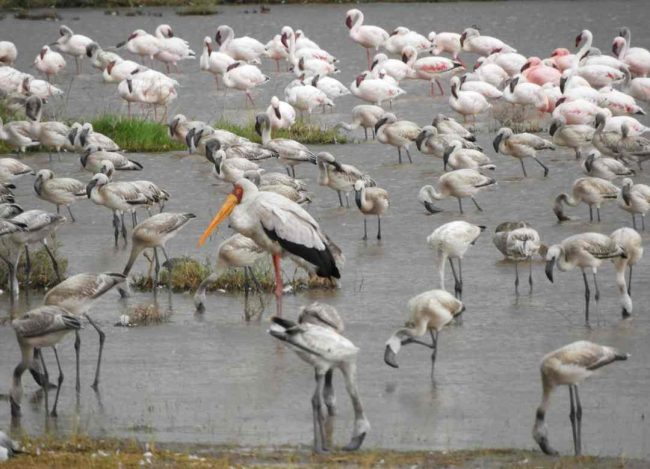
The lake is particularly famous for its large concentrations of lesser flamingos, which feed on microscopic algae in its alkaline waters. When thousands of these beautiful pink birds gather along the shoreline, they create one of the most impressive bird-watching spectacles in Kenya.
Beyond flamingo watching, visitors can explore geothermal hot springs, photograph fascinating landscapes, look for wildlife, enjoy scenic drives, and experience the cultural heritage of communities living around the lake.
For travellers planning an East African holiday, Lake Bogoria is an excellent addition to a Kenya safari or a longer Uganda and Kenya combined safari.
In this guide, we explore where Lake Bogoria is located, birds to see, wildlife, the best things to do, accommodation, the best time to visit, and how to plan your trip.
1. Where Is Lake Bogoria National Reserve Located?
Lake Bogoria National Reserve is situated in Baringo County, within Kenya’s Great Rift Valley.
The lake lies approximately 240 kilometres northwest of Nairobi, although the actual distance depends on the route taken.
It is surrounded by volcanic hills, rocky escarpments, acacia woodlands, and semi-arid landscapes that create a beautiful natural environment.
Lake Bogoria is part of the UNESCO World Heritage-listed Kenya Lake System in the Great Rift Valley, alongside Lake Nakuru and Lake Elementaita.
The three lakes are internationally recognized for their ecological importance, especially their populations of flamingos and other waterbirds.
Lake Bogoria is an alkaline lake, meaning its water chemistry supports microscopic organisms that provide food for lesser flamingos.
This unique ecosystem makes the reserve one of the most interesting nature destinations in Kenya.
2. Bird Watching at Lake Bogoria National Reserve
Lake Bogoria is one of Kenya’s most rewarding bird-watching destinations. It attracts bird enthusiasts from around the world because of its exceptional waterbird populations and diverse surrounding habitats.
More than 300 bird species have been recorded in the wider Lake Bogoria ecosystem.
The lake’s alkaline waters, surrounding wetlands, acacia woodlands, rocky hills, and open grasslands provide habitats for numerous bird species.
Bird watching is particularly rewarding for visitors interested in flamingos, pelicans, kingfishers, raptors, and other waterbirds.
Birds to See at Lake Bogoria
Some of the interesting birds to look out for include:
1. Lesser Flamingos
Lesser flamingos are the most famous birds at Lake Bogoria. They gather in large flocks along the shoreline, feeding on microscopic algae in the alkaline waters.
Their beautiful pink plumage creates spectacular scenery, particularly when thousands of birds gather together.
2. Greater Flamingos
Greater flamingos are larger than lesser flamingos and have distinctive bills and feeding habits. They can also be encountered around the lake.
3. Great White Pelicans
These impressive waterbirds are recognized by their large bills, enormous wingspans, and graceful movements. They are particularly interesting to wildlife photographers.
4. African Fish Eagles
The African fish eagle is one of the most recognizable birds of prey in Africa. Its distinctive call makes it an exciting species to encounter during a bird-watching excursion.
5. Pied Kingfishers
These attractive black-and-white birds are fascinating to watch as they hover above water before diving to catch fish.
6. Black-winged Stilts
Recognized by their long, slender legs and contrasting black-and-white plumage, these wading birds are interesting additions to the lake’s birdlife.
7. Egyptian Geese
These attractive waterbirds are commonly found around African lakes, rivers, and wetlands.
8. Long-tailed Cormorants
These aquatic birds are excellent divers and are often seen resting near water with their wings spread.
9. Little Grebes
Little grebes are small diving birds that feed on aquatic organisms and can be observed in suitable wetland habitats.
10. Raptors and Other Dryland Birds
The surrounding hills and woodlands also support birds of prey, hornbills, rollers, and various dry-country species.
Best Bird-Watching Experiences
Visitors can enjoy several bird-watching activities at Lake Bogoria:
-
Guided bird-watching excursions with experienced local guides.
-
Flamingo photography along the lake shoreline.
-
Early morning bird walks.
-
Searching for waterbirds and wading birds.
-
Observing raptors around the surrounding escarpments.
-
Combining Lake Bogoria with Lake Baringo for a more diverse birding experience.
Bird-watching tip: Carry binoculars and a camera with a telephoto lens. Early mornings and late afternoons are particularly rewarding for bird photography.
3. Flamingo Watching at Lake Bogoria
One of the biggest reasons tourists visit Lake Bogoria is to witness its spectacular flamingo populations.
Lesser flamingos are attracted to the lake because its alkaline waters support microscopic algae that provide an important food source.
When large flocks gather along the shoreline, the pink colour of the birds contrasts beautifully with the blue-green lake waters and surrounding volcanic landscape.
Lake Bogoria is internationally important as a feeding site for lesser flamingos and forms part of the wider Kenya Lake System recognized by UNESCO.
When Is the Best Time to See Flamingos?
Flamingo numbers at Lake Bogoria change throughout the year. Their movements depend on rainfall, water levels, food availability, and conditions at other Rift Valley lakes.
It is therefore important to understand that large concentrations are not guaranteed on every visit.
The Kenya Wildlife Service has also reported changing flamingo distributions across Kenya’s Rift Valley lakes, highlighting the importance of checking recent sightings before travelling.
For the best experience:
-
Visit early in the morning.
-
Explore different sections of the shoreline.
-
Carry binoculars for distant flocks.
-
Bring a camera with a zoom lens.
-
Avoid disturbing birds or approaching nesting areas.
4. Things to Do at Lake Bogoria National Reserve
Lake Bogoria offers much more than flamingo watching. Its geothermal attractions, wildlife, scenic landscapes, and cultural experiences make it an exciting destination for different types of travellers
A. Visit the Natural Hot Springs
One of the most fascinating attractions at Lake Bogoria is its geothermal activity.
The lake is situated in a volcanic region, where underground heat produces natural hot springs, bubbling pools, and steaming vents along the shoreline.
These features create a remarkable landscape where visitors can observe hot water emerging from the ground and steam rising into the atmosphere.
The geothermal areas are among the most photographed attractions in the reserve.
Important safety information: Some hot springs reach extremely high temperatures and can cause severe burns. Never enter, touch, or attempt to bathe in the geothermal pools. Observe them from safe designated areas and follow ranger instructions.
B. Watch the Geysers
Lake Bogoria is famous for its impressive geothermal geysers.
Visitors can observe hot water and steam emerging from the ground, creating a fascinating natural spectacle.
These geological features are especially interesting for photographers, nature enthusiasts, and travellers interested in the volcanic history of the Great Rift Valley.
C. Enjoy Wildlife Viewing
Although Lake Bogoria is better known for flamingos and geothermal attractions than traditional Big Five safaris, it also supports fascinating wildlife.
Animals you may encounter include:
-
Greater kudu.
-
Zebras.
-
Impalas.
-
Warthogs.
-
Olive baboons.
-
Grant’s gazelles.
-
Dik-diks.
-
Waterbucks.
-
Hyenas and other small carnivores.
The greater kudu is particularly interesting because of its impressive spiral horns and preference for woodland habitats.
Wildlife sightings are not guaranteed, but exploring the reserve by safari vehicle provides opportunities to observe animals in their natural environment.
D. Enjoy Scenic Photography
Lake Bogoria is an excellent destination for wildlife and landscape photography.
Its combination of flamingos, turquoise alkaline waters, volcanic hills, steaming hot springs, and beautiful sunsets creates outstanding photographic opportunities.
Popular subjects include:
-
Flamingos feeding in the lake.
-
Flamingos flying above the water.
-
Geothermal geysers releasing steam.
-
Greater kudu in the woodland.
-
Panoramic views of the Great Rift Valley.
-
Sunrise and sunset landscapes.
Professional photographers and wildlife enthusiasts may want to spend extra time exploring different sections of the reserve.
E. Explore the Surrounding Landscapes
The landscape around Lake Bogoria is characterized by rugged hills, rocky escarpments, volcanic formations, and open savannah.
Visitors can enjoy scenic drives, guided nature excursions, and suitable walking experiences.
The surrounding hills also offer interesting opportunities for bird watching and landscape photography.
F. Experience Endorois Culture
Lake Bogoria has a strong cultural connection with the indigenous Endorois community.
The lake and surrounding landscapes are important to the community’s cultural heritage, traditional livelihoods, and history.
Visitors can arrange community-based cultural experiences to learn about:
-
Traditional lifestyles and customs.
-
Local food and farming practices.
-
Indigenous knowledge of medicinal plants.
-
Traditional music and dances.
-
The relationship between local communities and conservation.
These experiences provide a deeper understanding of the people and cultures that make the Lake Bogoria region special.
G. Combine Lake Bogoria with Lake Baringo
A visit to Lake Bogoria can easily be combined with an excursion to nearby Lake Baringo.
Unlike the alkaline waters of Lake Bogoria, Lake Baringo is a freshwater lake with a different ecosystem and bird-watching experience.
Activities at Lake Baringo include:
-
Boat excursions.
-
Bird watching and bird photography.
-
Looking for hippos and crocodiles.
-
Visiting islands such as Ol Kokwe.
-
Exploring local fishing communities.
-
Enjoying beautiful Rift Valley scenery.
Combining the two lakes is particularly rewarding for bird watchers because they support different habitats and bird species.
H. Enjoy a Scenic Picnic
Lake Bogoria also offers opportunities to relax and enjoy the natural surroundings.
Visitors can enjoy picnics at designated areas while appreciating the scenery and watching birds.
Remember to carry drinking water, snacks, and sun protection, particularly during hot afternoons.
5. Wildlife Found at Lake Bogoria National Reserve
Lake Bogoria’s wildlife is adapted to the semi-arid environment and surrounding woodland habitats.
| Wildlife | What makes it interesting |
|---|---|
| Greater kudu | Impressive spiral horns |
| Zebra | Distinctive black-and-white stripes |
| Impala | Agile antelope found in woodland |
| Grant’s gazelle | Adapted to dry environments |
| Warthog | Often seen feeding in open areas |
| Dik-dik | Small, shy antelope |
| Olive baboon | Social primate living in groups |
| Waterbuck | Antelope associated with suitable water and grassland habitats |
| Hyena | Carnivore inhabiting the wider ecosystem |
Lake Bogoria is not primarily a Big Five safari destination. Its main attractions are its birdlife, flamingos, geothermal features, and distinctive Rift Valley scenery.
However, wildlife viewing adds another interesting dimension to a visit.
6. Best Time to Visit Lake Bogoria National Reserve
Lake Bogoria can be visited throughout the year, although weather conditions and bird movements can influence the experience.
January to February: These months can offer good opportunities for exploring the reserve, bird watching, and enjoying geothermal attractions.
March to May: This is generally a wetter period in parts of the region. The surrounding landscapes can become greener, although rainfall may affect road and walking conditions.
June to September: These months can be rewarding for nature excursions, bird watching, and scenic photography.
October to December: Visitors can enjoy bird watching, wildlife viewing, and geothermal exploration, although rainfall varies.
Best Time for Flamingo Watching
Flamingo populations change throughout the year in response to food availability, lake conditions, and movements between Rift Valley lakes.
There is no guaranteed month for seeing huge concentrations of flamingos.
Our recommendation is to check recent bird sightings before travelling if flamingo watching is your main reason for visiting.
7. Where to Stay Near Lake Bogoria National Reserve
There are accommodation options around Lake Bogoria and in the wider Baringo region, ranging from safari lodges and resorts to simpler guesthouses and camps.
A. Lake Bogoria Spa Resort
Lake Bogoria Spa Resort is one of the well-known accommodation options in the area.
It is suitable for travellers looking for a resort-style stay while exploring the reserve and surrounding attractions.
B. Soi Safari Lodge
Soi Safari Lodge is another accommodation option in Baringo County.
It can be considered by travellers combining Lake Bogoria with other attractions in the region.
C. Island Camp
Island Camp provides an alternative for visitors exploring the Lake Baringo area.
It is particularly relevant for travellers planning a combined Lake Bogoria and Lake Baringo bird-watching experience.
D. Other Accommodation Around Baringo
Visitors can also consider local hotels, guesthouses, camps, and other lodges around the wider Baringo region.
Accommodation tip: Choose a property that provides convenient access to the reserve and allows you to start bird watching early in the morning. Confirm current rates, facilities, and availability before travelling.
8. How to Get to Lake Bogoria National Reserve
Lake Bogoria is accessible by road from Nairobi and other major towns in Kenya.
From Nairobi
The journey from Nairobi takes approximately five to six hours, depending on the route, traffic, and road conditions.
Travellers can drive through the Great Rift Valley towards Nakuru and continue towards the Baringo region.
From Nakuru
Nakuru is a convenient starting point for travellers exploring Kenya’s Rift Valley lakes.
The journey to Lake Bogoria generally takes around two to three hours, depending on the entrance and route.
From Lake Nakuru
Lake Bogoria can be combined with Lake Nakuru as part of a wider Rift Valley safari.
This combination allows visitors to experience different lake ecosystems, wildlife, and bird-watching opportunities.
From Lake Baringo
Lake Baringo is a convenient addition to a Lake Bogoria itinerary. The two destinations are relatively close, although journey times depend on the selected route and road conditions.
By Air
Travellers can consider flying to regional airports serving the wider Rift Valley region and continuing by road, subject to flight schedules and transfer arrangements.
For a comfortable experience, we recommend arranging a private safari vehicle with an experienced driver-guide.
9. Suggested 2-Day Lake Bogoria Safari Itinerary
If you have limited time, a two-day visit provides a good opportunity to explore the reserve’s main attractions.
Day 1: Nairobi – Lake Bogoria
-
Depart Nairobi in the morning.
-
Enjoy scenic views of the Great Rift Valley during the drive.
-
Arrive in the Lake Bogoria area and check into your accommodation.
-
Have lunch and relax.
-
Visit the lake shoreline for flamingo watching and bird photography.
-
Explore the natural hot springs and geysers from designated safe viewing areas.
-
Enjoy dinner and overnight at your lodge.
Day 2: Bird Watching and Wildlife Exploration
-
Start early with a bird-watching excursion.
-
Look for lesser flamingos, greater flamingos, pelicans, and other waterbirds.
-
Explore the reserve by safari vehicle in search of greater kudu, zebras, and other wildlife.
-
Enjoy photography and scenic views.
-
Have lunch before beginning your return journey or continuing to another destination.
Suggested 3-Day Lake Bogoria and Lake Baringo Safari
For visitors with more time, we recommend adding Lake Baringo.
-
Day 1: Travel from Nairobi to Lake Bogoria, explore the geothermal attractions, and enjoy flamingo watching.
-
Day 2: Enjoy morning bird watching at Lake Bogoria before transferring to Lake Baringo for an afternoon boat excursion.
-
Day 3: Explore Lake Baringo’s birdlife, enjoy cultural experiences, and return to Nairobi.
This itinerary is particularly suitable for bird watchers, nature enthusiasts, and wildlife photographers.
10. What to Pack for a Lake Bogoria Safari
Lake Bogoria has a generally hot, semi-arid climate. Visitors should prepare for sunshine, warm temperatures, and occasional rainfall.
We recommend packing:
-
Binoculars for bird watching.
-
Camera with a telephoto lens.
-
Lightweight safari clothing.
-
Comfortable walking shoes.
-
Hat or cap.
-
Sunscreen and sunglasses.
-
Drinking water.
-
Insect repellent.
-
Rain jacket during wetter months.
-
Bird identification guide.
-
Personal medication and basic first-aid supplies.
For bird photographers, an extra camera battery and memory card are useful.
11. Is Lake Bogoria Worth Visiting?
Absolutely! Lake Bogoria is one of Kenya’s most unique nature and bird-watching destinations.
Unlike traditional safari parks, where visitors mainly focus on large mammals, Lake Bogoria offers a combination of spectacular birdlife, geological wonders, and beautiful landscapes.
It is particularly worth visiting if you enjoy:
-
Flamingo watching and bird photography.
-
Exploring natural hot springs and geysers.
-
Discovering unique wildlife.
-
Nature and landscape photography.
-
Cultural experiences with local communities.
-
Exploring the Great Rift Valley.
-
Combining different ecosystems in one safari.
Lake Bogoria is especially rewarding for travellers who want to experience Kenya beyond the famous Maasai Mara and Amboseli National Parks.
12. Combine Lake Bogoria with Other Kenya Safari Destinations
One of the best ways to explore Lake Bogoria is to include it in a longer Kenya safari covering several national parks and nature destinations.
A. Lake Nakuru National Park
Lake Nakuru is famous for its flamingos, white and black rhinos, Rothschild’s giraffes, lions, and beautiful lake scenery.
Combining Lake Nakuru with Lake Bogoria provides an excellent bird-watching and wildlife experience.
B. Lake Elementaita
Lake Elementaita
Lake Elementaita is another important alkaline lake within the UNESCO Kenya Lake System.
It is particularly attractive to bird watchers and photographers interested in flamingos and other waterbirds.
C. Maasai Mara National Reserve
The Maasai Mara offers a classic African wildlife safari with opportunities to see lions, elephants, leopards, cheetahs, and other iconic animals.
It is also famous for the seasonal Great Migration.
D. Amboseli National Park
Amboseli is famous for its large elephant herds and spectacular views of Mount Kilimanjaro.
It is an excellent destination for wildlife photography.
E. Lake Baringo
Lake Baringo is an excellent addition for travellers interested in freshwater birds, boat excursions, hippos, and crocodiles.
Together, these destinations create an exciting Kenya safari combining bird watching, nature exploration, and classic African wildlife viewing.
13. Combine Lake Bogoria with a Uganda Safari
If you are planning a longer East African holiday, you can combine Kenya’s Lake Bogoria with some of Uganda’s most spectacular wildlife destinations.
At Epic Uganda Vacation, we organize tailor-made Uganda and Kenya safari experiences for travellers interested in primates, birds, wildlife, and nature.
A combined itinerary can include:
-
Bwindi Impenetrable National Park: Experience mountain gorilla trekking in the natural rainforest habitat of endangered mountain gorillas.
-
Kibale National Park: Enjoy chimpanzee trekking and discover Uganda’s rich tropical forest biodiversity.
-
Queen Elizabeth National Park: Search for elephants, lions, buffaloes, hippos, and other wildlife.
-
Lake Bogoria National Reserve: Discover flamingos, other waterbirds, geothermal hot springs, and beautiful Rift Valley landscapes.
-
Maasai Mara National Reserve: Enjoy classic African wildlife viewing and the seasonal Great Migration.
You can begin your journey in Uganda and continue to Kenya, or start in Kenya and finish in Uganda, depending on your international flight arrangements.
This combination is particularly attractive for travellers who want to experience mountain gorillas, chimpanzees, tropical rainforest birds, and classic African savannah wildlife in one holiday.
14. Frequently Asked Questions About Lake Bogoria National Reserve
1. What is Lake Bogoria National Reserve famous for?
Lake Bogoria is famous for its lesser flamingos, rich birdlife, natural hot springs, geysers, greater kudu, and beautiful Great Rift Valley scenery.
2. How many bird species are found at Lake Bogoria?
More than 300 bird species have been recorded in the wider Lake Bogoria ecosystem. These include flamingos, pelicans, kingfishers, cormorants, raptors, and various waterbirds.
3. Can I see flamingos at Lake Bogoria throughout the year?
Flamingos may be present throughout the year, but their numbers fluctuate depending on water levels, food availability, and movements between Rift Valley lakes.
4. What is the best time to see flamingos at Lake Bogoria?
There is no guaranteed month for large flamingo concentrations. It is advisable to check recent bird sightings before your visit.
5. Are there hot springs at Lake Bogoria?
Yes. Lake Bogoria has natural geothermal hot springs, bubbling pools, and geysers. Visitors can observe these features from designated safe areas.
6. Can you swim in Lake Bogoria hot springs?
No. The geothermal pools can reach dangerously high temperatures and cause serious burns. Visitors should never enter or touch the hot water.
7. What animals can I see at Lake Bogoria?
Wildlife includes greater kudu, zebras, impalas, warthogs, baboons, gazelles, dik-diks, waterbucks, and other animals adapted to the surrounding dryland habitats.
8. How many days do I need at Lake Bogoria?
One full day is sufficient for a general visit, but two days are recommended for bird watching, photography, wildlife viewing, and geothermal exploration.
9. Can I combine Lake Bogoria with Lake Baringo?
Yes. Combining the two lakes is highly recommended, especially for bird watchers interested in exploring both freshwater and alkaline lake ecosystems.
10. Is Lake Bogoria suitable for a family safari?
Yes. Families can enjoy flamingo watching, nature excursions, scenic drives, and geothermal attractions. Children should always be supervised around hot springs and other potentially dangerous areas.
11. Is Lake Bogoria part of a UNESCO World Heritage Site?
Yes. Lake Bogoria is part of the Kenya Lake System in the Great Rift Valley, together with Lake Nakuru and Lake Elementaita. The UNESCO World Heritage property was inscribed in 2011.
UNESCO World Heritage Centre+1
15. Plan Your Lake Bogoria Safari with Epic Uganda Vacation
Lake Bogoria National Reserve offers an unforgettable experience for anyone interested in Kenya’s natural beauty. From spectacular flamingos and fascinating bird species to geothermal hot springs, unique wildlife, and beautiful Rift Valley landscapes, this destination provides something special for every nature enthusiast.
At Epic Uganda Vacation, we specialize in organizing tailor-made East African safaris that showcase the region’s remarkable wildlife, landscapes, cultures, and biodiversity.
We can help you organize a Kenya safari featuring Lake Bogoria, Lake Baringo, Lake Nakuru, Lake Elementaita, and Maasai Mara, or combine your Kenya adventure with Uganda’s famous mountain gorilla trekking and chimpanzee trekking experiences.
Whether you are a passionate bird watcher, wildlife photographer, couple, family, or group of nature enthusiasts, we can customize your safari according to your interests, travel dates, and budget.
Contact Epic Uganda Vacation today and let us help you plan an unforgettable East African safari.