
How to Combine Kenya and Tanzania for a Memorable Migration Safari
Imagine witnessing thousands of wildebeest moving across the endless African savannah, watching elephants roam freely through the grasslands, and experiencing the breathtaking spectacle of wildebeest crossing the crocodile-infested Mara River. Now imagine combining these incredible wildlife encounters in two of Africa’s most famous safari destinations: Kenya and Tanzania.
A combined Kenya and Tanzania safari is one of the most rewarding ways to experience East Africa. It allows you to explore the legendary Maasai Mara National Reserve in Kenya and the magnificent Serengeti National Park in Tanzania, two destinations that form part of the same extraordinary wildlife ecosystem.
Both countries offer exceptional opportunities to witness the Great Wildebeest Migration, one of the world’s most spectacular natural events. You can also encounter Africa’s Big Five, enjoy unforgettable game drives, discover breathtaking landscapes, and experience the rich cultures of East Africa.
However, planning a successful Kenya and Tanzania migration safari requires careful consideration of travel seasons, migration movements, border crossings, accommodation, transportation, and the number of days available.
So, how do you combine Kenya and Tanzania for a memorable migration safari?
At Epic Uganda Vacation, we believe that the best East African safari is one that combines exceptional wildlife experiences with well-planned travel arrangements. This guide explains everything you need to know about combining Kenya and Tanzania, including the best destinations, ideal travel seasons, suggested itineraries, border-crossing arrangements, and practical safari planning tips.
1. Why Combine Kenya and Tanzania for a Migration Safari?
Kenya and Tanzania are among Africa’s leading wildlife safari destinations. Although they are separate countries, their most famous wildlife areas form part of one connected ecosystem.
The Maasai Mara in southwestern Kenya and the Serengeti in northern Tanzania share an enormous savannah landscape that supports millions of migrating animals.
Combining the two countries allows you to experience different stages of the Great Wildebeest Migration while exploring some of Africa’s most remarkable wildlife destinations.
Here are some reasons to consider a combined Kenya and Tanzania safari.
Witness the Great Wildebeest Migration
The main attraction of combining Kenya and Tanzania is the opportunity to experience the Great Wildebeest Migration.
Every year, more than a million wildebeest, accompanied by hundreds of thousands of zebras and gazelles, move across the Serengeti-Maasai Mara ecosystem in search of fresh grazing and water.
The migration follows seasonal rainfall patterns and takes place throughout the year.
Between July and October, large herds generally move through northern Serengeti and Kenya’s Maasai Mara, creating excellent opportunities to witness the famous Mara River crossings.
Combining both countries during this period gives you the opportunity to explore different sections of the migration ecosystem.
Experience Different Wildlife Landscapes
Although the Maasai Mara and Serengeti are connected, they offer different safari experiences.
Kenya’s Maasai Mara is famous for its abundant wildlife, open grasslands, large concentrations of predators, and spectacular migration season.
Tanzania’s Serengeti is considerably larger and offers extensive savannah landscapes, diverse wildlife habitats, and opportunities to experience different stages of the annual migration.
You can also include the Ngorongoro Crater, Tarangire National Park, or Lake Manyara in your Tanzania itinerary.
Discover the Big Five
A combined safari gives you excellent opportunities to search for Africa’s Big Five:
- Lions.
- Leopards.
- Elephants.
- African buffaloes.
- Rhinoceroses.
Both countries offer exceptional wildlife viewing, although sightings depend on location, season, and natural conditions.
Enjoy Two Different Cultural Experiences
A combined safari also allows you to discover the cultural heritage of East Africa.
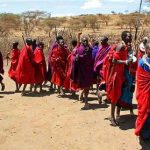
In Kenya, you can learn about Maasai traditions, traditional homesteads, beadwork, and community lifestyles.
In Tanzania, you can experience Maasai communities, local markets, traditional foods, and the cultural heritage of different ethnic groups.
These experiences add another dimension to your wildlife adventure.
2. Best Time to Combine Kenya and Tanzania for the Great Migration
Choosing the right travel season is one of the most important decisions when planning a combined Kenya and Tanzania safari.
The best time depends on whether you want to witness the Mara River crossings, wildebeest calving, predator activity, or large migrating herds.
For travelers primarily interested in the famous river crossings, July to October is generally the most suitable period.
August and September are particularly popular months for migration safaris.
January to March: Wildebeest Calving Season in Tanzania
January, February, and March are excellent months to visit southern Serengeti and the Ndutu plains.
During this period, enormous herds gather in the southern grasslands, where fresh grazing provides suitable conditions for calving.
February is generally the peak calving period, when thousands of wildebeest calves are born within a relatively short period.
This attracts predators such as lions, cheetahs, hyenas, and leopards, creating exceptional wildlife photography opportunities.
A combined safari during this period can include:
- Southern Serengeti.
- Ndutu plains.
- Ngorongoro Conservation Area.
- Central Serengeti.
- Maasai Mara, depending on the itinerary.
This period is particularly suitable for travelers interested in newborn wildlife and predator-prey interactions rather than the Mara River crossings.
April to June: The Migration Moves Towards Western Serengeti
Between April and June, migrating herds gradually move from southern and central Serengeti towards the western corridor.
May is also associated with the wildebeest mating season, when male wildebeest compete for females.
By June, some herds gather around the Grumeti River, where river crossings may occur.
This period offers opportunities to explore:
- Central Serengeti.
- Western Serengeti.
- Grumeti River.
- Ngorongoro Conservation Area.
Travelers should remember that April and May are part of Tanzania’s long rainy season, which can affect road conditions and wildlife movements.
July to October: Best Time for Mara River Crossings
July to October is generally the most popular period for combining Kenya and Tanzania for the Great Migration.
During these months, migrating herds move through northern Serengeti and the Maasai Mara.
The Mara River becomes one of the main attractions as wildebeest attempt to cross its crocodile-inhabited waters.
August and September are particularly popular for migration safaris.
During this period, you can explore:
- Northern Serengeti in Tanzania.
- Kogatende migration areas.
- Lamai region.
- Maasai Mara National Reserve in Kenya.
- Mara Triangle.
However, river crossings are unpredictable natural events. The herds may gather along the riverbanks for hours or days before attempting to cross.
No safari operator can guarantee an exact crossing date or time.
November to December: The Migration Returns Towards Southern Serengeti
As seasonal rains return, the migrating herds gradually move southwards from the Maasai Mara and northern Serengeti.
November and December can be excellent months for exploring central and eastern Serengeti.
These months are also suitable for travelers interested in quieter safari experiences and beautiful green landscapes.
3. Best Safari Destinations to Combine in Kenya and Tanzania
A memorable Kenya and Tanzania migration safari should include destinations that complement each other rather than simply adding as many national parks as possible.
The following destinations are among the best to consider.
A. Maasai Mara National Reserve, Kenya
The Maasai Mara is one of Africa’s most famous wildlife safari destinations and an essential stop on a Great Migration safari.
Located in southwestern Kenya, the reserve is known for its extensive grasslands, abundant wildlife, and extraordinary predator populations.
It is particularly famous for the wildebeest migration, which brings large herds from Tanzania during the dry season.
Top wildlife experiences in the Maasai Mara:
- Watching wildebeest gather around the Mara River.
- Searching for lions and leopards.
- Observing cheetahs hunting across open grasslands.
- Seeing elephants, giraffes, and buffaloes.
- Photographing large herds of migrating wildebeest.
- Enjoying hot-air balloon safaris.
- Visiting selected Maasai cultural communities.
Best time to visit: July to October for the main migration season.
We recommend spending at least three nights in the Maasai Mara if your primary objective is to experience the migration.
<escape> </escape>
B. Serengeti National Park, Tanzania
<AsyncImage query=”Serengeti Tanzania great wildebeest migration endless savannah aerial wildlife” aspectRatio=”16:9″ width=”100%”/>
The Serengeti is one of Africa’s most celebrated national parks and the heart of the Great Wildebeest Migration.
Its enormous plains support extraordinary wildlife populations, including lions, leopards, cheetahs, elephants, giraffes, buffaloes, and countless migrating herbivores.
The park offers different wildlife experiences throughout the year, depending on where the migrating herds are located.
The Serengeti is divided into several important safari regions.
Central Serengeti
Central Serengeti is famous for its resident wildlife, particularly lions, leopards, and cheetahs.
The Seronera region is an excellent base for year-round game viewing.
Northern Serengeti
Northern Serengeti is one of the best places to witness the Mara River crossings.
Kogatende and the Lamai region are particularly important during the July-to-October migration season.
Western Serengeti
The western corridor offers opportunities to experience the migration around the Grumeti River, particularly around May, June, and July.
Southern Serengeti
The southern plains and Ndutu region are famous for the wildebeest calving season, particularly between January and March.
Best time to visit: July to October for the northern migration and January to March for calving.
C. Ngorongoro Crater, Tanzania
<AsyncImage query=”Ngorongoro crater Tanzania aerial landscape wildlife elephants zebras” aspectRatio=”16:9″ width=”100%”/>
The Ngorongoro Crater is one of Tanzania’s most remarkable wildlife destinations.
Located within the Ngorongoro Conservation Area, this enormous volcanic caldera supports a remarkable concentration of wildlife.
The crater offers excellent opportunities to encounter:
- Lions.
- Elephants.
- African buffaloes.
- Zebras.
- Hippos.
- Hyenas.
- Black rhinoceroses.
Unlike the migration-focused Serengeti, Ngorongoro offers a relatively concentrated wildlife-viewing experience within a spectacular natural landscape.
A crater game drive is an excellent addition to a combined Kenya and Tanzania safari.
Recommended stay: One or two nights around the Ngorongoro Conservation Area, depending on your itinerary.
D. Tarangire National Park, Tanzania
<AsyncImage query=”Tarangire National Park Tanzania elephants giant baobab trees safari” aspectRatio=”16:9″ width=”100%”/>
Tarangire National Park is famous for its large elephant populations, ancient baobab trees, and beautiful landscapes.
During the dry season, animals gather around the Tarangire River, creating excellent opportunities for wildlife viewing.
The park is particularly suitable for travelers who want to extend their Tanzania safari beyond the Serengeti.
Best time to visit: June to October for excellent dry-season wildlife viewing.
E. Amboseli National Park, Kenya
<AsyncImage query=”Amboseli National Park elephants Mount Kilimanjaro background Kenya” aspectRatio=”16:9″ width=”100%”/>
Amboseli National Park is another wonderful addition to a combined Kenya and Tanzania safari.
It is particularly famous for its large elephant herds and spectacular views of Mount Kilimanjaro.
The mountain is located in Tanzania, but Amboseli offers some of the most iconic views of its snow-capped summit.
Amboseli is especially attractive to wildlife photographers and travelers interested in elephants.
Best time to visit: June to October, although wildlife viewing is possible throughout the year.
4. How to Travel Between Kenya and Tanzania During Your Safari
One of the most important considerations when combining Kenya and Tanzania is understanding the border-crossing arrangements.
Although the Maasai Mara and Serengeti are part of the same ecosystem, tourists cannot simply drive directly between the two parks across their shared boundary.
The former Bologonja border crossing between the parks is not open to ordinary tourist vehicle traffic.
There are two main ways to organize a combined safari.
Option 1: Cross the Border by Road Through Isebania–Sirari
The Isebania–Sirari border crossing is the practical overland route for travelers combining the Maasai Mara and Serengeti.
The crossing connects southwestern Kenya with northern Tanzania.
A typical road transfer involves:
- Departing your Maasai Mara accommodation.
- Traveling towards the Isebania border in Kenya.
- Completing Kenyan immigration formalities.
- Crossing into Tanzania through Sirari.
- Completing Tanzanian immigration procedures.
- Meeting your Tanzania safari driver and vehicle.
- Continuing towards your Serengeti accommodation.
Depending on your starting camp and destination, this can take most of a day.
Your safari operator should coordinate the vehicles, drivers, border arrangements, and luggage transfer in advance.
Advantages of road transfers:
- Opportunity to experience more of the countryside.
- Can be suitable for travelers who prefer overland journeys.
- Allows flexible arrangements for private safaris.
- May be economical for some group arrangements.
Disadvantages:
- Long driving distances.
- Immigration formalities take additional time.
- You may need to change vehicles and safari guides.
- Less time is available for wildlife viewing on the transfer day.
Do not assume your Kenya safari vehicle or driver can automatically operate in Tanzania. Cross-border vehicle authorization and operator arrangements must be confirmed before departure.
Option 2: Combine Kenya and Tanzania Using Domestic and Regional Flights
Flying is another convenient option for combining the two countries.
Travelers can use regional flight connections between safari hubs and international gateways, depending on the available seasonal schedules.
For example, you may:
- Fly from Nairobi to a suitable Tanzania gateway.
- Connect through Arusha or Kilimanjaro International Airport.
- Use scheduled or charter flights to reach selected Serengeti airstrips.
- Connect through approved border arrangements where available.
Some flight itineraries use Migori and Tarime, with a ground transfer between the two airports.
It is important to understand that there is no ordinary direct flight that simply takes you from a Maasai Mara camp to a Serengeti camp without considering international immigration arrangements.
Your travel operator should confirm the exact flight routing, immigration points, luggage restrictions, and ground transfers.
Advantages of flying:
- Saves considerable road travel time on suitable routes.
- Offers spectacular aerial views.
- Can make shorter safaris more practical.
- Provides access to remote safari camps.
Disadvantages:
- Can be more expensive than road transfers.
- Flight schedules may be seasonal.
- Baggage restrictions apply on many small aircraft.
- Additional ground transfers may be necessary.
For travelers with limited time, flying can make a combined Kenya and Tanzania safari more comfortable.
5. Suggested 10-Day Kenya and Tanzania Migration Safari Itinerary
A ten-day itinerary is an excellent starting point for travelers who want to explore both the Maasai Mara and Serengeti while including the Ngorongoro Crater.
The following itinerary assumes travel during the July-to-October migration season.
Day 1: Arrival in Nairobi, Kenya
Arrive at Jomo Kenyatta International Airport in Nairobi.
Meet your safari representative and transfer to your hotel.
Depending on your arrival time, you may enjoy a short city excursion or relax before beginning your safari.
Overnight in Nairobi.
Day 2: Transfer to Maasai Mara National Reserve
After breakfast, depart Nairobi for the Maasai Mara.
Enjoy the scenic journey through Kenya’s Great Rift Valley before continuing towards the reserve.
Arrive at your lodge in time for lunch, followed by an afternoon game drive.
Look out for elephants, giraffes, zebras, lions, and other wildlife.
Overnight in the Maasai Mara.
Day 3: Full-Day Wildlife Safari in Maasai Mara
Spend the day exploring the Maasai Mara with morning and afternoon game drives, or a full-day excursion with a packed lunch.
During the migration season, focus on areas where large herds are gathering.
Visit suitable sections of the Mara River in search of wildebeest crossing activity.
You may also encounter lions, cheetahs, leopards, elephants, and other wildlife.
Overnight in the Maasai Mara.
Day 4: Another Day in the Maasai Mara
Enjoy another day of wildlife exploration.
Having additional time in the reserve improves your opportunities to discover different wildlife areas and observe migration activity.
You may also arrange a hot-air balloon safari, subject to availability and weather conditions.
Overnight in the Maasai Mara.
Day 5: Cross from Kenya into Tanzania
After breakfast, depart the Maasai Mara and travel towards the Isebania–Sirari border.
Complete the immigration formalities and meet your Tanzania safari team.
Continue towards the northern Serengeti, depending on your accommodation and the transfer arrangements.
This is primarily a travel day, so avoid scheduling an overly ambitious wildlife itinerary.
Overnight in northern Serengeti or another suitable location.
Day 6: Northern Serengeti and Mara River Migration
Spend the day exploring northern Serengeti.
The Kogatende and Lamai regions are particularly important migration-viewing areas during the July-to-October season.
Follow the migration herds with your experienced safari guide and look for opportunities to witness the Mara River crossings.
Remember that crossings are unpredictable, so patience is essential.
Overnight in northern Serengeti.
Day 7: Northern to Central Serengeti
After breakfast, enjoy a game drive through the Serengeti as you travel towards the central region.
This journey provides opportunities to observe the park’s resident wildlife and explore its extensive grasslands.
Central Serengeti is particularly famous for lions, leopards, and cheetahs.
Overnight in central Serengeti.
Day 8: Serengeti Wildlife Safari
Spend another day exploring central Serengeti.
Enjoy morning and afternoon game drives in search of predators, elephants, giraffes, zebras, and other wildlife.
Your guide can select suitable areas depending on recent sightings and seasonal wildlife movements.
Overnight in central Serengeti.
Day 9: Transfer to Ngorongoro Conservation Area
After breakfast, depart Serengeti and travel towards the Ngorongoro Conservation Area.
Enjoy scenic landscapes and wildlife viewing along the way.
Depending on your schedule, you may visit selected viewpoints before reaching your accommodation.
Overnight near Ngorongoro.
Day 10: Ngorongoro Crater Safari and Departure
Rise early for a spectacular game drive into Ngorongoro Crater.
Explore the crater floor in search of lions, elephants, buffaloes, zebras, hippos, and the endangered black rhinoceros.
After your safari, proceed towards Arusha or Kilimanjaro International Airport for your onward journey.
This itinerary can be customized depending on international flight schedules, accommodation preferences, and the actual location of the migration herds.
6. Suggested 12-Day Kenya and Tanzania Safari
If you have more time, a twelve-day safari allows you to explore additional destinations and enjoy a more relaxed experience.
A possible itinerary includes:
| Day | Destination | Main activity |
|---|---|---|
| 1 | Nairobi | Arrival and overnight |
| 2 | Amboseli | Transfer and afternoon game drive |
| 3 | Amboseli | Elephants and Kilimanjaro views |
| 4 | Arusha | Cross into Tanzania via Namanga |
| 5 | Tarangire | Wildlife safari |
| 6 | Ngorongoro | Crater exploration |
| 7 | Central Serengeti | Game drives |
| 8 | Northern Serengeti | Migration viewing |
| 9 | Northern Serengeti | Mara River exploration |
| 10 | Serengeti | Wildlife safari |
| 11 | Arusha | Transfer or scheduled flight |
| 12 | Departure | International departure |
This itinerary is particularly suitable for travelers interested in combining the Great Migration with Amboseli’s elephants and the northern Tanzania safari circuit.
The route should be adjusted according to migration timing, flight availability, and your preferred border-crossing arrangements.
7. How Much Does a Combined Kenya and Tanzania Migration Safari Cost?
The cost of a Kenya and Tanzania safari depends on several factors.
These include the number of days, accommodation category, travel season, transport arrangements, park fees, and the number of travelers.
Generally, a private luxury migration safari costs more than a budget camping safari.
Here are the main factors that influence the overall cost.
Accommodation
You can choose from:
- Budget safari camps.
- Midrange safari lodges.
- Luxury tented camps.
- Premium luxury safari lodges.
- Exclusive migration camps.
For travelers primarily interested in river crossings, choosing accommodation in northern Serengeti or near the Mara River during the appropriate season is particularly important.
Transportation
Transportation can include:
- Private 4×4 safari vehicles.
- Professional safari guides.
- Regional flights.
- Airport transfers.
- Cross-border transfers.
- Domestic flights between safari destinations.
National Park and Conservation Fees
Kenya and Tanzania have separate national park and conservation fee structures.
Your safari quotation should clearly explain which entrance fees, conservation fees, concession fees, and other applicable charges are included.
Additional Expenses
Remember to budget for:
- International flights.
- Visas and electronic travel authorization.
- Travel insurance.
- Tips and gratuities.
- Optional balloon safaris.
- Personal purchases.
- Additional accommodation before or after the safari.
For an accurate quotation, provide your travel dates, number of travelers, preferred accommodation level, and desired itinerary.
Epic Uganda Vacation can help you explore suitable safari arrangements based on your budget and travel preferences.
8. What Documents Do You Need for a Kenya and Tanzania Safari?
Traveling between two countries requires advance preparation.
Before your safari, ensure you understand the entry and health requirements applicable to your nationality and travel route.
Common requirements include:
Valid passport: Your passport should meet the validity requirements of both countries.
Kenya electronic travel authorization: Most foreign visitors need to obtain the applicable Kenyan eTA before travel, subject to nationality-specific exemptions.
Tanzania visa: Many international visitors require a separate Tanzanian visa. Check the official immigration requirements for your nationality.
Yellow fever vaccination certificate: Yellow fever documentation may be required when arriving in Tanzania from a yellow-fever-risk country, including Kenya. Check the latest entry requirements before departure.
Travel insurance: Comprehensive travel insurance is strongly recommended, including medical emergencies and evacuation coverage.
Flight and accommodation confirmations: Keep copies of your travel arrangements and safari reservations.
An important detail is that the East African Tourist Visa does not include Tanzania. It covers eligible travel between Kenya, Uganda, and Rwanda, subject to its conditions.
Always verify current immigration, visa, and vaccination requirements with the relevant government authorities before traveling.
9. What Is the Best Accommodation for a Kenya and Tanzania Migration Safari?
Choosing suitable accommodation can make a significant difference to your safari experience.
For a migration-focused trip, we recommend selecting camps and lodges based on the seasonal location of the wildebeest herds.
Accommodation in Maasai Mara
Consider accommodation in or around the reserve, depending on your budget and preferred safari experience.
Options include:
- Luxury tented camps.
- Midrange safari lodges.
- Private conservancy camps.
- Budget tented accommodation.
For migration viewing, consider the Mara Triangle and other areas with convenient access to the Mara River, depending on where the herds are located.
Accommodation in Northern Serengeti
Northern Serengeti is particularly important during the Mara River crossing season.
Consider camps around Kogatende and Lamai.
Some camps are seasonal and relocate depending on wildlife movements.
Booking accommodation early is highly recommended for July, August, and September.
Accommodation in Central Serengeti
Central Serengeti offers excellent year-round wildlife viewing and is a convenient base for exploring different sections of the national park.
It is particularly suitable for travelers interested in lions, leopards, cheetahs, and general wildlife photography.
Accommodation Near Ngorongoro
You can stay at lodges around the crater rim or in nearby Karatu.
Crater-rim accommodation offers spectacular views, while Karatu provides additional accommodation choices for different budgets.
10. Tips for Planning a Successful Kenya and Tanzania Migration Safari
A well-planned safari helps you enjoy both destinations without spending too much time traveling between parks.
Here are important tips to consider.
Book early: Accommodation in popular migration areas can fill up quickly, particularly during August and September.
Follow the migration: Do not choose accommodation based only on a fixed annual calendar. Ask your safari operator about recent herd movements.
Allow enough time: We recommend at least eight to ten days for a meaningful two-country safari, with additional days offering a more relaxed experience.
Choose experienced safari guides: Knowledgeable guides can help you locate wildlife, understand animal behavior, and select suitable game-drive routes.
Plan border transfers carefully: Confirm the crossing point, vehicle arrangements, driver changes, and immigration procedures before departure.
Consider flying: Regional flights can save time, particularly if you have a limited holiday.
Pack appropriately: Bring lightweight clothing, comfortable shoes, a hat, sunscreen, binoculars, and a camera.
Be patient: The Great Migration follows natural patterns. River crossings cannot be guaranteed, even during the peak season.
Keep your itinerary flexible: Recent rainfall and grazing conditions may influence the location of the migrating herds.
11. Can You Combine a Kenya and Tanzania Migration Safari With Gorilla Trekking in Uganda?
Absolutely!
If you have additional time, combining Kenya and Tanzania with gorilla trekking in Uganda creates an extraordinary East African safari experience.
You can enjoy the Great Wildebeest Migration in the Maasai Mara and Serengeti before continuing to Uganda for an unforgettable encounter with endangered mountain gorillas.
Uganda is home to two mountain gorilla trekking destinations:
- Bwindi Impenetrable National Park.
- Mgahinga Gorilla National Park.
Bwindi is particularly famous for its mountain gorilla population and established trekking sectors.
A combined East African adventure can include:
- Wildlife safaris in Kenya’s Maasai Mara.
- Great Migration viewing in Tanzania’s Serengeti.
- A wildlife experience in Ngorongoro Crater.
- Gorilla trekking in Bwindi Impenetrable National Park.
- Cultural experiences and scenic exploration in Uganda.
Depending on your available time, you can also include chimpanzee trekking in Kibale Forest National Park or a wildlife safari in Queen Elizabeth National Park.
This is an excellent option for international travelers who want to experience East Africa’s most famous wildlife attractions in one holiday.
12. Why Choose Epic Uganda Vacation for Your Kenya and Tanzania Safari?
Planning a multi-country safari requires knowledge of wildlife seasons, park locations, accommodation, transportation, and border-crossing logistics.
At Epic Uganda Vacation, we aim to help travelers discover the best of East Africa through carefully organized safari experiences.
Whether you want to witness the Great Wildebeest Migration, explore the Maasai Mara, discover the Serengeti, or combine your safari with gorilla trekking in Uganda, we can help you plan an adventure that matches your interests.
Our East African safari arrangements can be tailored around:
- Kenya and Tanzania combined safaris.
- Great Wildebeest Migration safaris.
- Maasai Mara wildlife safaris.
- Serengeti National Park safaris.
- Mara River crossing experiences.
- Ngorongoro Crater safaris.
- Tarangire National Park safaris.
- Uganda gorilla trekking holidays.
- Combined Uganda, Kenya, and Tanzania adventures.
We understand that every traveler has different interests, budgets, and expectations.
That is why we encourage you to share your travel plans so that we can help you select suitable destinations, accommodation, and transportation arrangements.
Frequently Asked Questions About Combining Kenya and Tanzania for a Migration Safari
1. Can you combine Kenya and Tanzania in one safari?
Yes. Kenya and Tanzania can easily be combined in one safari through organized road transfers and regional flight connections. The Maasai Mara and Serengeti are the most popular destinations for a combined Great Migration safari.
2. How many days do you need for a Kenya and Tanzania safari?
We recommend at least eight to ten days for a meaningful combined safari. Twelve to fourteen days provide more opportunities to explore additional destinations and enjoy a relaxed travel experience.
3. What is the best time to combine Kenya and Tanzania for the Great Migration?
July to October is generally the best period for travelers interested in the Mara River crossings. August and September are particularly popular months.
January to March is better for experiencing the wildebeest calving season in southern Serengeti.
4. Is it possible to see the Great Migration in both Kenya and Tanzania?
Yes. The migration moves across the Serengeti-Maasai Mara ecosystem, and both countries offer excellent opportunities to observe the herds. You can plan an itinerary that includes northern Serengeti and the Maasai Mara during the migration season.
5. Can you drive directly from the Maasai Mara to Serengeti?
No. The tourist crossing between the two parks along their shared boundary is not open. Travelers generally use the Isebania–Sirari international border crossing for overland transfers or arrange suitable flight connections.
6. Which is better for the Great Migration: Kenya or Tanzania?
Both destinations are excellent. Kenya’s Maasai Mara is famous for the dry-season migration and river crossings, while Tanzania’s Serengeti offers opportunities to experience the migration throughout its annual cycle, including calving and river-crossing seasons.
7. Are the Mara River crossings guaranteed?
No. River crossings are unpredictable natural events influenced by rainfall, water levels, grazing conditions, and herd behavior. Spending several nights in migration areas improves your opportunities but cannot guarantee a crossing.
8. Can I visit Ngorongoro Crater during a Kenya and Tanzania safari?
Yes. Ngorongoro Crater is an excellent addition to a combined safari. It offers exceptional wildlife viewing and can be included before or after visiting the Serengeti.
9. Can I fly between Kenya and Tanzania during a safari?
Yes. Regional and domestic flights can connect safari destinations and major airports, depending on the available routes and schedules. Some connections require additional ground transfers and immigration arrangements.
10. Do I need separate visas for Kenya and Tanzania?
Many international travelers need a Kenyan eTA and a separate Tanzanian visa. Requirements depend on nationality. The East African Tourist Visa does not cover Tanzania.
11. Can I combine gorilla trekking in Uganda with Kenya and Tanzania safaris?
Yes. You can combine gorilla trekking in Bwindi Impenetrable National Park or Mgahinga Gorilla National Park with wildlife safaris in the Maasai Mara and Serengeti. Flights and ground transfers can be arranged according to your itinerary.
12. How far in advance should I book a Great Migration safari?
Booking six to twelve months in advance is advisable, particularly if you are traveling during August or September. Early booking gives you better opportunities to secure preferred accommodation and suitable safari arrangements.
Book Your Memorable Kenya and Tanzania Migration Safari With Epic Uganda Vacation
Are you dreaming of witnessing thousands of wildebeest crossing the Mara River, exploring the endless plains of Serengeti National Park, and encountering Africa’s magnificent wildlife in the Maasai Mara?
Combining Kenya and Tanzania offers an extraordinary opportunity to experience two of East Africa’s most celebrated safari destinations in one unforgettable holiday.
Whether you are planning a luxury migration safari, a private wildlife adventure, or a comprehensive East African holiday, Epic Uganda Vacation is ready to help you organize your journey.
You can also extend your adventure to Uganda for mountain gorilla trekking and discover even more of what makes East Africa one of the world’s most remarkable travel destinations.
Contact Epic Uganda Vacation today to start planning your Kenya and Tanzania Great Migration safari. Let us help you create an unforgettable African wildlife adventure!
Website: https://epicugandavacation.com/
Related posts:
 Ngorongoro Crater Tanzania: Wildlife, Facts, Entry Fees & Safari Guide
 Mara River Crossing Safari: Best Time, Location & Tips
 How Many Gates Are in Serengeti National Park? (2026/2027)
 Silale Swamp Picnic Site, Tarangire National Park
 Mto wa Mbu Village Tour Tanzania – Culture, Hotels & Things to Do