Sibiloi National Park: The Ultimate Guide to Kenya’s Cradle of Mankind
Introduction to Sibiloi National Park
Destination: Northern Kenya | Marsabit County | Lake Turkana
Sibiloi National Park is one of Kenya’s most remote, fascinating and historically significant protected areas. Situated along the northeastern shores of Lake Turkana in northern Kenya, the park is internationally recognised for its remarkable archaeological discoveries, prehistoric fossils, dramatic volcanic landscapes and unique desert wildlife.
Often referred to as the Cradle of Mankind, Sibiloi National Park is home to Koobi Fora, one of the world’s most important archaeological and palaeontological sites. The region has produced extraordinary fossil discoveries that have helped scientists understand human evolution, ancient environments and the origins of early human ancestors in Africa.
Covering approximately 1,570 square kilometres, Sibiloi protects a spectacular semi-arid landscape characterised by open plains, rocky shores, volcanic formations, petrified forests and the turquoise waters of Lake Turkana. It is also an important conservation area for wildlife, including Nile crocodiles, zebras, gazelles, gerenuks, lions, cheetahs and numerous bird species.
Unlike Kenya’s more popular safari destinations, such as Maasai Mara National Reserve, Amboseli National Park and Tsavo National Parks, Sibiloi offers a different kind of safari experience. Visitors come here to explore ancient fossil sites, discover the geological history of the Great Rift Valley, enjoy birdwatching, experience local cultures and explore one of East Africa’s most untouched wilderness destinations.
For travellers interested in archaeology, anthropology, history, geology, birdwatching and adventurous safaris, Sibiloi National Park offers an extraordinary opportunity to discover another side of Kenya.
Where Is Sibiloi National Park Located?
Sibiloi National Park is located in Marsabit County in northern Kenya, along the eastern shores of Lake Turkana. It lies within the remote Turkana Basin, an area internationally recognised for its archaeological and palaeontological importance.
The park occupies part of the eastern Lake Turkana shoreline, where the surrounding landscape consists of semi-desert plains, volcanic hills, dry riverbeds and rocky formations.
Lake Turkana, sometimes called the Jade Sea because of its distinctive greenish-blue colour, forms an important geographical feature of the region. It is the world’s largest permanent desert lake and one of the most remarkable lakes in the East African Rift Valley.
Sibiloi is part of the wider Lake Turkana National Parks UNESCO World Heritage property, together with Central Island National Park and South Island National Park. The property was inscribed on the UNESCO World Heritage List in 1997 because of its outstanding natural and scientific importance.
Its remote location makes the park particularly attractive to adventurous travellers seeking destinations beyond Kenya’s traditional wildlife safari circuit.
History of Sibiloi National Park
Sibiloi National Park was established in 1973 to protect the region’s exceptional archaeological resources, fossil deposits, geological formations and desert-adapted wildlife.
The park became internationally famous through archaeological and palaeontological research conducted around Lake Turkana, particularly at Koobi Fora. Scientific expeditions led by researchers including Richard Leakey and his colleagues uncovered significant fossil remains that transformed understanding of human evolution.
The discoveries demonstrated that the Turkana Basin had supported different forms of prehistoric life over millions of years. Fossils of early human ancestors, ancient animals and other prehistoric organisms provide valuable evidence about how environments and species changed through geological time.
The region also contains evidence of ancient landscapes, including petrified forests and fossil-rich sedimentary formations.
Today, Sibiloi National Park remains an important destination for scientific research, education, conservation and specialised tourism. Its protection helps preserve an irreplaceable record of Earth’s natural history.
Why Is Sibiloi National Park Called the Cradle of Mankind?
Sibiloi is commonly associated with the title Cradle of Mankind because of its extraordinary contribution to research into human evolution.
The surrounding Lake Turkana Basin contains some of the most significant fossil deposits in the world. Over several decades, researchers have discovered fossils of early hominins, prehistoric mammals, reptiles and other organisms that lived millions of years ago.
These discoveries have helped scientists investigate how early human ancestors evolved, how they adapted to changing environments and how different species lived in prehistoric East Africa.
One of the most important archaeological areas is Koobi Fora, where fossil discoveries have provided evidence of several stages in human evolutionary history.
The region is particularly important because its fossil-rich geological layers preserve evidence from different periods, allowing researchers to study the relationship between ancient species and environmental changes.
For visitors, exploring Sibiloi is more than an ordinary national park excursion. It is an opportunity to discover the landscape that has contributed significantly to our understanding of humanity’s ancient past.
Top Attractions in Sibiloi National Park
Sibiloi National Park offers several attractions that make it different from other Kenyan safari destinations. Its main highlights include prehistoric fossil sites, archaeological museums, Lake Turkana, petrified forests, volcanic formations and remarkable wildlife habitats.
1. Koobi Fora Archaeological and Palaeontological Site
Koobi Fora is one of the most important attractions in Sibiloi National Park and a major reason why the region attracts international researchers, archaeologists and travellers.
Located along the eastern shores of Lake Turkana, Koobi Fora contains extensive fossil deposits that have contributed significantly to the understanding of human evolution.
The area became particularly famous following important discoveries made by the Leakey family and other researchers. Fossils recovered from the region include remains of early human ancestors and prehistoric animals.
Some of the discoveries have helped scientists understand the development of early hominins, their physical characteristics and the environments in which they lived.
Visitors interested in anthropology and archaeology can explore the historical significance of Koobi Fora and learn about the scientific discoveries that have made the Turkana Basin internationally important.
2. Koobi Fora Museum
The Koobi Fora Museum is an important educational attraction within the park. It provides visitors with an opportunity to learn about the prehistoric history of the Turkana Basin and the fossil discoveries made in the region.
Museum displays and interpretation materials help explain the evolution of early human ancestors, the development of ancient environments and the different animal species that once inhabited the area.
Visitors can learn about fossil discoveries, geological formations and the importance of archaeological research in reconstructing the history of life on Earth.
A visit to the museum is particularly rewarding for students, researchers, history enthusiasts and travellers interested in understanding why Lake Turkana is regarded as one of the world’s most important areas for human origins research.
3. Lake Turkana
Lake Turkana is one of the most remarkable natural attractions in northern Kenya and a major highlight of visiting Sibiloi National Park.
Known as the Jade Sea because of its distinctive greenish-blue appearance, the lake stretches across an enormous section of the northern Kenyan landscape towards the Ethiopian border.
It is the world’s largest permanent desert lake and the world’s largest permanent alkaline lake.
The lake is surrounded by rugged volcanic landscapes, rocky shorelines and semi-desert vegetation, creating a dramatic contrast between the water and the surrounding wilderness.
Visitors can enjoy spectacular lakeside scenery, photography, birdwatching and boat excursions where local conditions and safety arrangements permit.
Lake Turkana is also an important ecological habitat, supporting fish populations, aquatic wildlife and numerous bird species.
4. The Petrified Forest
The Petrified Forest is another fascinating attraction within Sibiloi National Park.
Petrified wood refers to ancient trees that have undergone a natural process of fossilisation, during which organic material is gradually replaced by minerals while preserving aspects of the original wood structure.
The fossilised tree remains around Mount Sibiloi provide evidence of ancient environmental conditions that were very different from the present-day semi-desert landscape.
Some of the remains are believed to date back millions of years.
Exploring the petrified forest allows visitors to appreciate the geological history of the Turkana Basin and understand how climatic and environmental changes have transformed the region over time.
5. Mount Sibiloi
Mount Sibiloi is a prominent geological feature within the park, rising above the surrounding semi-desert plains.
The mountain is associated with the area’s volcanic history and is particularly interesting to visitors who enjoy geology, landscape photography and exploring remote natural environments.
Its surrounding landscape includes rocky formations, ancient sedimentary deposits and evidence of the region’s changing geological history.
Visitors can appreciate the mountain’s dramatic appearance during guided excursions and explore the surrounding environment while learning about the natural processes that shaped northern Kenya.
6. Prehistoric Fossil Sites
Beyond Koobi Fora, Sibiloi contains several fossil-rich locations that provide important evidence of prehistoric life.
The Turkana Basin has produced remains of early human ancestors, extinct elephants, ancient crocodiles, giant tortoises and other prehistoric animals.
Among the remarkable discoveries associated with the region are the remains of a giant tortoise believed to be approximately three million years old and fossils of ancient crocodiles.
These discoveries help researchers understand the biodiversity of prehistoric Africa and the evolution of different animal groups.
Visitors should understand that fossil sites are protected scientific resources. Fossils must not be collected, removed or disturbed.
Wildlife in Sibiloi National Park
Although Sibiloi National Park is internationally famous for its archaeological heritage, it is also an important wildlife conservation area.
The park’s semi-desert environment supports several species adapted to harsh climatic conditions, limited vegetation and high temperatures.
Wildlife viewing is different from the traditional savannah safari experience because animals are spread across a large, remote landscape. Sightings depend on weather, habitat conditions, water availability and the time spent exploring the park.
Some of the wildlife species associated with Sibiloi include:
1. Nile Crocodiles
Lake Turkana is an important breeding habitat for Nile crocodiles and supports exceptionally large breeding colonies.
These powerful reptiles inhabit the lake’s shoreline and suitable aquatic habitats, where they feed on fish and other available prey.
Visitors may encounter crocodiles during lakeside excursions and boat activities, but should always maintain a safe distance and follow local guides’ instructions.
2. Grevy’s Zebra
Grevy’s zebra is one of the most distinctive wildlife species associated with northern Kenya.
It is recognised by its narrow black-and-white stripes, large rounded ears and white belly. Unlike common plains zebras, Grevy’s zebras have a more slender appearance and are adapted to arid and semi-arid habitats.
The species is endangered and its conservation is important in northern Kenya.
3. Gerenuk
The gerenuk, also known as the giraffe gazelle, is an interesting antelope adapted to dry environments.
It has a particularly long neck and slender legs, allowing it to reach leaves and shrubs that other antelopes may not access easily.
Gerenuks are famous for standing on their hind legs while feeding on vegetation. Their ability to obtain moisture from plants helps them survive in dry habitats.
4. Grant’s Gazelle
Grant’s gazelles are among the antelopes that inhabit the dry landscapes of northern Kenya.
They are well adapted to semi-arid environments and can survive where water sources are limited.
Their presence contributes to the park’s ecological diversity and provides prey for predators.
5. Beisa Oryx
The Beisa oryx is another impressive desert-adapted antelope associated with northern Kenya.
It has long, straight horns, distinctive facial markings and a muscular body. Its adaptations allow it to survive in hot and dry environments where vegetation and water can be scarce.
6. Predators
Sibiloi’s wildlife community also includes several carnivores.
Depending on local conditions, visitors may encounter or find evidence of:
-
Lions.
-
Cheetahs.
-
Leopards.
-
Striped hyenas.
-
Spotted hyenas.
These predators form an important part of the ecological balance within the park.
Because of the park’s remote and semi-desert environment, wildlife sightings are less predictable than in Kenya’s major savannah reserves.
Birdwatching in Sibiloi National Park
Sibiloi National Park and the wider Lake Turkana ecosystem are important destinations for birdwatching in northern Kenya.
The lake provides important feeding, breeding and resting habitats for resident and migratory birds. Its shoreline, wetlands and surrounding semi-arid habitats support different bird communities.
The wider Lake Turkana region has recorded hundreds of aquatic and terrestrial bird species, making it particularly interesting for birdwatchers.
Some of the birds that visitors may look for include:
-
Goliath heron.
-
African fish eagle.
-
Great white pelican.
-
Pink-backed pelican.
-
Greater flamingo.
-
Lesser flamingo.
-
African skimmer.
-
Grey-headed gull.
-
Various waders and migratory waterbirds.
The lake is particularly important for migratory birds travelling between Africa and other regions.
Birdwatchers should carry binoculars, a bird identification guide and a camera with a suitable zoom lens.
For specialised birding trips, a knowledgeable local guide can help identify species and locate suitable observation areas.
Things to Do in Sibiloi National Park
Sibiloi National Park offers a combination of archaeological exploration, nature-based activities, wildlife encounters and cultural experiences. It is particularly suitable for travellers who want an adventurous safari combined with learning about the natural and human history of East Africa.
1. Archaeological and Historical Tours
Exploring the archaeological sites around Koobi Fora is one of the most rewarding activities in Sibiloi.
Visitors can learn about fossil discoveries, early human ancestors and the scientific importance of the Turkana Basin.
A guided archaeological excursion provides insights into the region’s prehistoric environment, fossil deposits and the discoveries that have shaped modern understanding of human evolution.
2. Game Viewing
Game drives provide opportunities to explore Sibiloi’s open plains, rocky landscapes and lakeside habitats while searching for desert-adapted wildlife.
Visitors can look out for Grevy’s zebras, gerenuks, gazelles, oryx and other animals.
Predators such as lions, cheetahs and hyenas also occur in the wider ecosystem, although sightings are not guaranteed.
3. Birdwatching
Birdwatching is another rewarding activity, particularly along the shores of Lake Turkana.
Visitors can observe resident waterbirds, migratory species and birds adapted to semi-arid habitats.
The lake’s importance as a stopover and breeding area makes it particularly attractive to experienced birdwatchers and nature photographers.
4. Boat Safaris on Lake Turkana
Boat excursions on Lake Turkana offer a different perspective of the park’s spectacular scenery.
Visitors can explore sections of the lake, enjoy views of volcanic formations and observe aquatic habitats.
Depending on the excursion, visitors may also have opportunities to see crocodiles and waterbirds.
Boat activities should be arranged through reliable local operators, with suitable safety equipment and consideration of weather and lake conditions.
5. Nature Walks
Guided nature walks allow visitors to experience the park’s semi-desert environment more closely.
Walking excursions may focus on the area’s geology, vegetation, animal tracks, birdlife and natural history.
Because the park is home to wild animals and experiences extreme temperatures, walking should only take place in authorised areas with appropriate guidance.
6. Camping and Outdoor Adventures
Camping is an excellent way to experience the remote wilderness of Sibiloi.
Visitors can spend time in the natural surroundings, enjoy spectacular sunsets over Lake Turkana and experience the extraordinary night skies of northern Kenya.
The region’s limited light pollution also makes it attractive for stargazing and night-sky photography.
Travellers should arrange accommodation, food, drinking water and camping equipment before departure because services are limited.
7. Cultural Experiences with Local Communities
Sibiloi is surrounded by communities with distinctive cultural traditions and ways of life.
These include the Turkana, Dassanach, Gabra and El Molo communities.
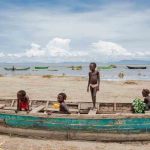
A cultural excursion can introduce visitors to traditional livelihoods, pastoralism, fishing practices, local architecture, crafts, music and community history.
The Turkana are particularly known for their pastoral heritage, while communities around Lake Turkana have developed ways of life closely connected to the lake and the surrounding drylands.
Cultural visits should be organised respectfully through local guides and community representatives, ensuring that tourism supports local livelihoods.
Best Time to Visit Sibiloi National Park
Sibiloi National Park can be visited throughout the year, but the best time depends on the activities you intend to enjoy.
Northern Kenya experiences a hot and dry climate, with limited rainfall and high daytime temperatures.
Generally, the drier months are particularly suitable for road-based exploration, archaeological excursions and wildlife viewing.
June to October
This period is generally favourable for exploring the park because rainfall is relatively limited.
Road conditions are often more manageable, making it easier to travel through the remote northern Kenyan landscape.
These months are suitable for:
-
Archaeological excursions to Koobi Fora.
-
Game drives.
-
Birdwatching.
-
Photography.
-
Camping and outdoor exploration.
November to December
These months can experience short rains, although rainfall patterns vary.
The surrounding landscape may become greener, creating attractive scenery for photography and nature exploration.
Visitors should check local road conditions before travelling because rainfall can affect remote tracks.
March to May
This period generally coincides with the long rains in parts of northern Kenya, although the Turkana region is arid and rainfall can be irregular.
Some routes may become difficult to navigate, particularly when seasonal watercourses flood or roads become muddy.
Travellers planning expeditions during this period should consult local authorities and experienced tour operators.
January to February
These months are generally hot and dry.
They can be suitable for archaeological visits, boat excursions and wildlife exploration, but temperatures can become extremely high.
Visitors should plan activities during cooler morning and late-afternoon hours and carry sufficient drinking water.
Overall recommendation: June to October is a good general period for planning a Sibiloi National Park safari, particularly for visitors travelling by road.
How to Get to Sibiloi National Park
Reaching Sibiloi National Park requires careful planning because of its remote location in northern Kenya. Unlike popular destinations connected by well-maintained highways and frequent domestic flights, Sibiloi requires a more adventurous approach.
Visitors can reach the park by road, chartered aircraft or a combination of road and boat transport.
1. Travelling by Road from Nairobi
The road journey from Nairobi to Sibiloi National Park is approximately 800 kilometres, depending on the route taken.
According to the Kenya Wildlife Service, visitors can travel through:
Route One: Nairobi – Marsabit – North Horr – Sibiloi
This route crosses parts of northern Kenya, passing through remote landscapes and settlements before reaching the Lake Turkana region.
Route Two: Nairobi – Maralal – South Horr – Sibiloi
This alternative route also offers an adventurous journey through northern Kenya.
The road journey can take approximately three days, depending on road conditions, stops and the selected route.
A high-clearance 4×4 vehicle is essential throughout the year. A properly equipped safari Land Cruiser is a suitable choice for this type of expedition.
Travelling in a convoy is recommended because of the remoteness of the region and limited roadside services.
2. Travelling Through Lodwar and Kalokol
Another option is travelling from Nairobi towards Lodwar through Kitale.
The general route is:
Nairobi – Nakuru – Eldoret – Kitale – Lodwar – Kalokol.
Kalokol is located along the western shores of Lake Turkana.
From Kalokol, visitors can arrange boat transport across the lake to Alia Bay, subject to weather, lake conditions and local transport arrangements.
This option requires careful coordination because boat services are not necessarily available on demand.
3. Flying to Sibiloi National Park
Air travel offers an alternative for visitors who want to reduce the long road journey.
Sibiloi has two all-weather airstrips, while additional airstrips are available in surrounding destinations, including Lodwar, Marsabit, North Horr, Kalokol and Loiyangalani.
However, Kenya Wildlife Service indicates that commercial flights operate to Lodwar, rather than directly to all the park’s airstrips.
Visitors can therefore arrange a commercial flight to Lodwar and organise onward road transport or suitable charter connections.
Private charter flights should be arranged in advance, with confirmation of airstrip access and ground transfers.
Where to Stay in Sibiloi National Park
Accommodation options in Sibiloi National Park are relatively limited compared with Kenya’s established safari destinations.
Visitors should make arrangements well in advance, especially when travelling with a group or undertaking a longer expedition.
Available options include:
1. Alia Bay Guest House
Alia Bay Guest House is an accommodation option associated with Kenya Wildlife Service within the Sibiloi area.
It is suitable for travellers looking for a base from which to explore the park and nearby attractions.
Visitors should confirm current availability, facilities, meal arrangements and booking conditions before travelling.
2. Mbugani Home
Mbugani Home is another accommodation facility listed by Kenya Wildlife Service for Sibiloi National Park.
It provides an option for visitors planning an extended exploration of the region.
3. Crocodile Campsite
For adventurous travellers, Crocodile Campsite provides an opportunity to experience the wilderness through camping.
Visitors should confirm camping arrangements, available facilities, water supply and safety requirements before arrival.
4. Privately Owned Lodges and Camps
Other accommodation establishments listed in connection with the Sibiloi region include:
-
Lobolo Camp.
-
Cradle Tented Camp.
-
Desert Rose Lodge.
These options provide alternatives for travellers seeking accommodation outside the park’s basic facilities.
Since the region is remote, it is advisable to confirm the precise location of each property, road access and availability before including it in a safari itinerary.
Sibiloi National Park Entry Fees
Visitors to Sibiloi National Park are required to pay the applicable Kenya Wildlife Service conservation and park entry fees.
The rates depend on the visitor’s classification, including East African citizens, Kenya residents, African citizens and international non-residents.
The Kenya Wildlife Service currently lists the following adult and child rates:
| Visitor category | Adult | Child |
|---|---|---|
| East African citizens | KES 500 | KES 250 |
| Kenya residents | KES 675 | KES 350 |
| African citizens | USD 20 | USD 20 |
| International non-residents | USD 40 | USD 20 |
These are the rates published on the Kenya Wildlife Service park information page. Fees and applicable classifications may change, so confirm the current charges before travelling.
Other expenses may include:
-
Safari vehicle charges.
-
Professional guide services.
-
Camping fees.
-
Boat excursions.
-
Accommodation.
-
Transport and fuel.
-
Specialised archaeological guiding where available.
Park entry payments should be made through the authorised Kenya Wildlife Service payment system.
What to Pack for a Sibiloi National Park Safari
Because Sibiloi is situated in a hot, remote and semi-desert environment, visitors should prepare carefully.
Recommended items include:
-
Lightweight, breathable safari clothing.
-
Comfortable walking shoes or hiking boots.
-
Wide-brimmed hat.
-
Sunglasses.
-
High-SPF sunscreen.
-
Insect repellent.
-
Binoculars for birdwatching and wildlife viewing.
-
Camera and spare batteries.
-
Personal first-aid kit.
-
Sufficient drinking water.
-
Snacks and food supplies.
-
Camping equipment if planning an overnight camping experience.
-
Power banks and other charging equipment.
-
Personal toiletries and essential medication.
It is also advisable to carry sufficient fuel and basic vehicle recovery equipment when travelling by road.
Important Travel Tips for Visiting Sibiloi National Park
Sibiloi is not a conventional safari destination, and its remote location requires additional preparation.
Consider the following recommendations:
-
Use a 4×4 safari vehicle: High-clearance four-wheel-drive vehicles are essential because of the rough and sometimes challenging roads.
-
Travel with an experienced guide: A knowledgeable guide can help with navigation, wildlife identification and archaeological interpretation.
-
Carry sufficient supplies: Food, water, fuel and basic medical supplies should be arranged before entering remote areas.
-
Check security conditions: Consult local authorities and experienced operators about current travel conditions before departure.
-
Plan your accommodation: Book available accommodation or camping facilities in advance.
-
Respect archaeological sites: Never collect fossils, disturb excavation areas or remove historical materials.
-
Observe wildlife regulations: Maintain safe distances from animals and follow park regulations.
-
Prepare for extreme heat: Carry enough drinking water and avoid strenuous outdoor activities during the hottest hours.
-
Respect local communities: Seek permission before photographing people and support locally organised cultural experiences.
Conservation Importance of Sibiloi National Park
Sibiloi National Park plays an important role in protecting Kenya’s natural and archaeological heritage.
Its conservation significance extends beyond wildlife protection because the region contains internationally important fossil deposits, geological formations and archaeological landscapes.
The park also protects important habitats associated with Lake Turkana, including breeding areas for Nile crocodiles and habitats supporting migratory and resident birds.
The wider Lake Turkana National Parks property was inscribed as a UNESCO World Heritage Site in 1997 because of its exceptional importance to understanding human evolution and natural history.
However, conservation challenges include climate variability, pressure on natural resources, habitat changes and the need to protect vulnerable archaeological and fossil sites.
Responsible tourism can contribute to conservation through visitor fees, community participation, environmental education and support for local livelihoods.
Visitors are encouraged to minimise waste, avoid disturbing wildlife and respect the cultural and historical significance of the destination.
Combining Sibiloi National Park with Other Destinations in Northern Kenya
Sibiloi can be incorporated into a broader northern Kenya adventure for travellers interested in discovering the region’s unique landscapes, wildlife and cultures.
Some destinations worth considering include:
1. Central Island National Park
Central Island National Park is situated within Lake Turkana and is famous for its volcanic landscapes and crater lakes.
The island has three principal crater lakes, namely Crocodile Lake, Flamingo Lake and Tilapia Lake.
It is an interesting destination for visitors interested in geology, birdwatching and aquatic ecosystems.
2. South Island National Park
South Island National Park is another protected area within the Lake Turkana National Parks UNESCO World Heritage property.
It offers opportunities to explore volcanic island landscapes, bird habitats and the remarkable natural environment of Lake Turkana.
3. Loiyangalani
Loiyangalani is a small settlement on the southeastern shores of Lake Turkana.
It is particularly interesting for visitors who want to experience the cultural diversity of northern Kenya.
The town is associated with the El Molo community and provides opportunities to learn about traditional fishing lifestyles and the cultural heritage of the region.
4. Marsabit National Park
Marsabit National Park is another interesting destination in northern Kenya.
Unlike the dry landscapes surrounding Lake Turkana, Marsabit features forested mountain habitats, volcanic landscapes and a different wildlife environment.
It can provide an interesting contrast to the semi-desert wilderness of Sibiloi.
5. South Horr
South Horr is a small settlement in northern Kenya that can be incorporated into an adventurous northern Kenya road expedition.
The surrounding landscape offers opportunities to appreciate the remote beauty and cultural diversity of the region.
Is Sibiloi National Park Worth Visiting?
Yes. Sibiloi National Park is worth visiting, particularly for travellers seeking an unusual safari experience beyond Kenya’s traditional wildlife destinations.
Its greatest attraction is the opportunity to explore one of the world’s most important regions for understanding human evolution.
The Koobi Fora archaeological sites, prehistoric fossils, petrified forests and dramatic landscapes make Sibiloi especially rewarding for visitors interested in archaeology, history, anthropology and geology.
Wildlife viewing, birdwatching, camping, boat excursions and cultural encounters further enrich the experience.
However, travellers should understand that Sibiloi is remote and requires more logistical preparation than destinations such as Maasai Mara or Amboseli. It is best suited to adventurous travellers, researchers, photographers, birdwatchers and people interested in discovering less-visited destinations.
For anyone planning an extended northern Kenya safari, Sibiloi offers an opportunity to experience a destination where natural history, ancient human heritage and extraordinary wilderness come together.
Frequently Asked Questions About Sibiloi National Park
1. Where is Sibiloi National Park located?
Sibiloi National Park is located in Marsabit County in northern Kenya, along the eastern shores of Lake Turkana.
2. Why is Sibiloi National Park famous?
The park is famous for its archaeological and palaeontological importance, particularly the Koobi Fora fossil deposits, which have contributed significantly to research into human evolution.
3. Why is Sibiloi called the Cradle of Mankind?
Sibiloi is associated with the Cradle of Mankind because of the important fossil discoveries in the surrounding Turkana Basin. These discoveries have helped scientists understand early human ancestors and prehistoric environments.
4. How big is Sibiloi National Park?
Sibiloi National Park covers approximately 1,570 square kilometres.
5. When was Sibiloi National Park established?
The park was gazetted in 1973 to protect its important archaeological sites, fossil deposits, geological features and wildlife.
6. Is Sibiloi National Park a UNESCO World Heritage Site?
Yes. Sibiloi forms part of the Lake Turkana National Parks UNESCO World Heritage property, which was inscribed in 1997.
7. What animals can be seen in Sibiloi National Park?
Wildlife associated with the park includes Grevy’s zebras, gerenuks, Grant’s gazelles, Beisa oryx, lions, cheetahs, hyenas and Nile crocodiles.
8. Can visitors see crocodiles in Sibiloi National Park?
Yes. Lake Turkana supports important Nile crocodile breeding colonies. Visitors may see crocodiles along suitable lakeshore habitats.
9. What is the best time to visit Sibiloi National Park?
June to October is generally a favourable period for visiting because of relatively dry conditions and more manageable road access.
10. How do you get to Sibiloi National Park?
Visitors can travel by road from Nairobi through Marsabit and North Horr, or through Maralal and South Horr. Another option is travelling through Lodwar and Kalokol before arranging boat transport across Lake Turkana. Flights to Lodwar and private charter connections are also possible.
11. Are there accommodation facilities in Sibiloi National Park?
Yes. Options include Alia Bay Guest House, Mbugani Home and Crocodile Campsite, alongside privately operated accommodation in the wider region.
12. What activities can visitors enjoy in Sibiloi National Park?
Activities include archaeological tours, game drives, birdwatching, boat excursions, guided nature walks, camping, photography and cultural experiences.
13. Can Sibiloi National Park be visited with a family?
Yes, but families should consider the long journeys, high temperatures, limited facilities and remote location. Careful planning is essential, particularly when travelling with young children.
14. How many days should you spend in Sibiloi National Park?
A visit of three to four days within the park and surrounding Lake Turkana region can provide time for archaeological exploration, wildlife viewing, birdwatching and cultural experiences. Additional days may be necessary for the long road journey from Nairobi.
Plan Your Northern Kenya Adventure with Epic Uganda Vacation
Sibiloi National Park is an extraordinary destination for travellers looking to discover the lesser-explored side of East Africa.
From the prehistoric discoveries of Koobi Fora to the spectacular landscapes of Lake Turkana, the park offers a remarkable combination of natural history, wildlife, culture and adventure.
At Epic Uganda Vacation, we appreciate destinations that offer more than conventional wildlife encounters. Our East African safari planning can help travellers explore remarkable destinations across the region, including Uganda, Kenya, Rwanda and Tanzania.
Whether you are interested in an archaeological expedition, a northern Kenya wildlife adventure, birdwatching or an extended East African safari, we can help you plan a memorable journey.
Contact Epic Uganda Vacation to start planning your East African adventure.